
 admin


An everyday afro can become fuller and more defined with a simple twist-out routine. Chunky two-strand twists and Bantu knots help shape the hair while keeping daily styling manageable. As the style loosens, the fro may gain volume, making this approach useful for anyone who wants a soft, expanding natural look.
This routine also offers a chance to notice how your hair responds to regular care and styling. Results vary with hair texture, length, and condition, so adjust the size of each section and the amount of product to suit your own hair.
How to Create an Everyday Afro
There is no single method for achieving an everyday fro. The technique below uses larger twists to retain some curl definition, followed by Bantu knots to help secure the twists. Set aside enough time to work gently, especially if your hair is dense or tangles easily.
1. Prepare your hair and hands
Start with clean, moisturized hands and hair that is comfortable to handle. A natural moisturizer or oil can help reduce friction during styling. Coconut oil is one option, but it does not suit every hair type; use a product your hair tolerates and avoid applying more than needed.
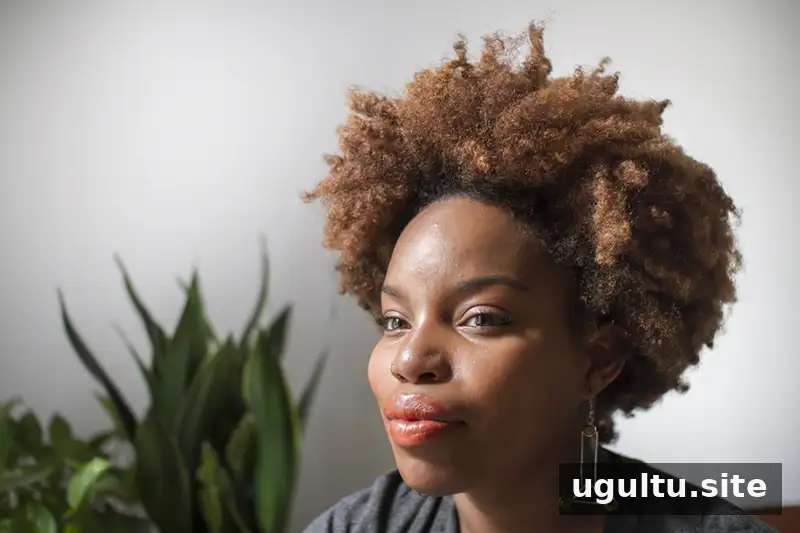
Use your existing part lines as a guide, or create a parting pattern that feels comfortable. A side part at the front with a center part running toward the nape is one possible arrangement. Keeping the sections consistent can make the finished shape easier to style.
2. Divide hair into chunky sections
Separate the hair into larger sections, then split each section as needed before twisting. Thick hair may be easier to manage in smaller subsections, while finer hair may hold a larger twist more readily. If a section feels too heavy or difficult to twist evenly, divide it again rather than pulling tightly.
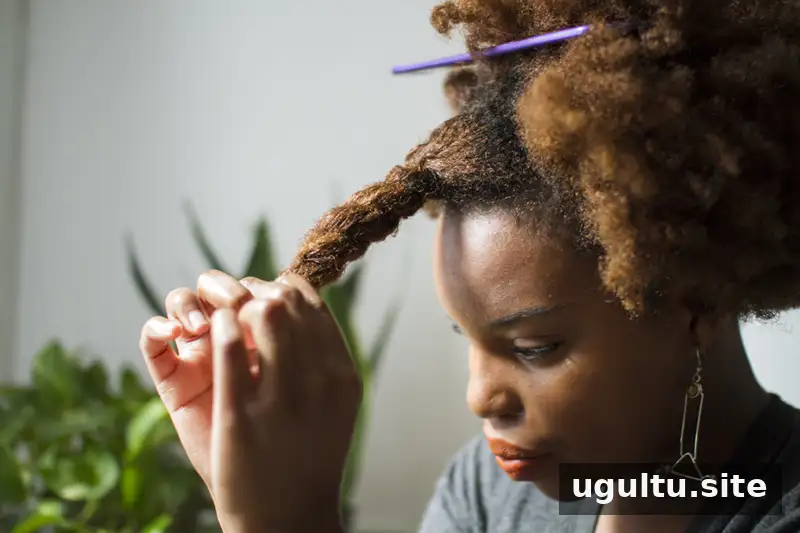
Work through the sections with gentle, even tension. Add a small amount of moisturizer or oil if your hair needs it, but avoid saturating the strands. Keeping the twists similar in size can help create a more balanced result when you take them down.
3. Secure the twists with Bantu knots
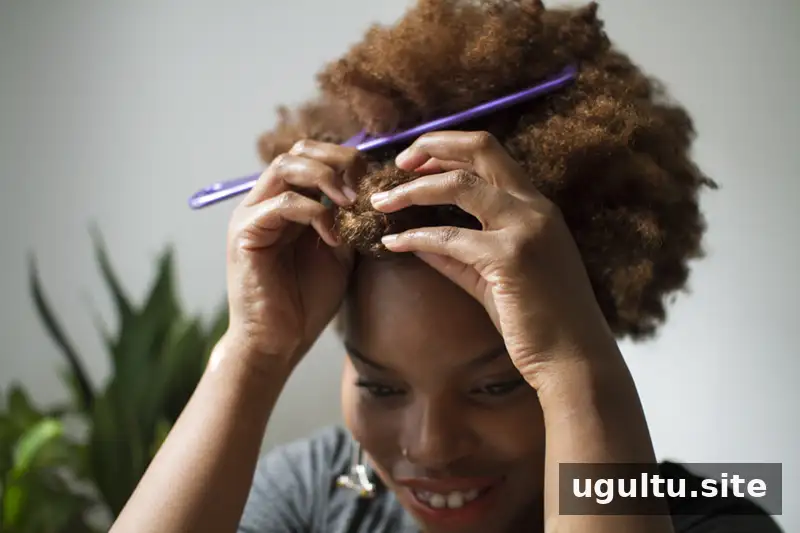
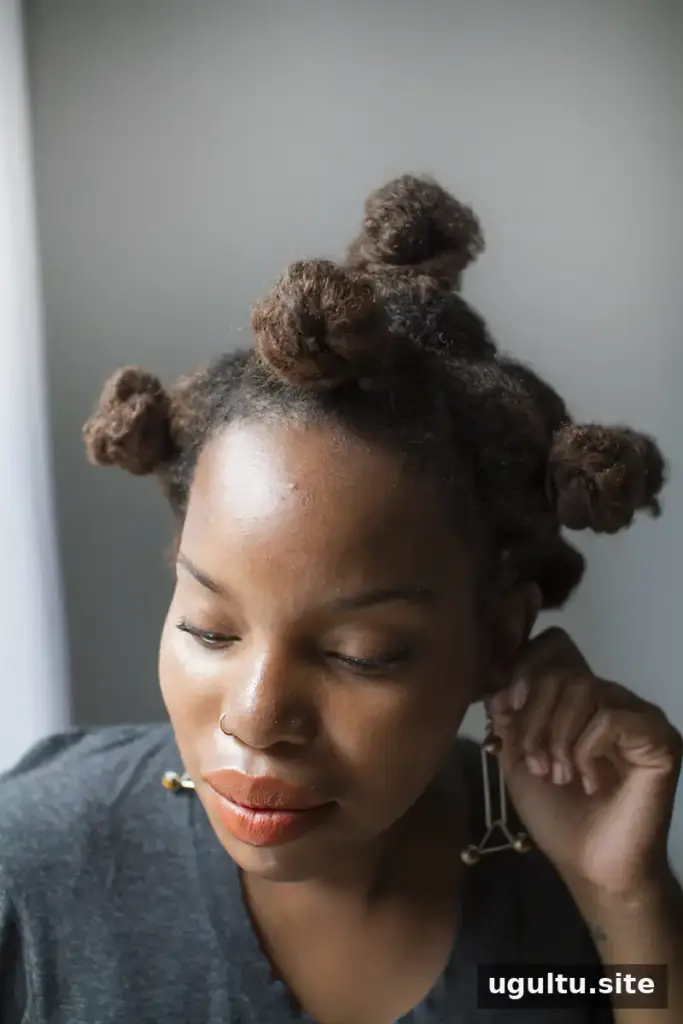
You can leave the two-strand twists as they are or wrap each one into a Bantu knot. Knots can help keep larger twists from unraveling and may encourage more curl definition. To make one, wrap the twisted section around itself and tuck the end underneath, or secure it gently with a bobby pin or hair tie.
Bantu knots do not need to look perfectly even when they are being used as a setting method. Focus on securing each twist without pulling at the scalp. If a knot feels uncomfortable, loosen it and reposition it.
4. Care for your scalp and let the style set
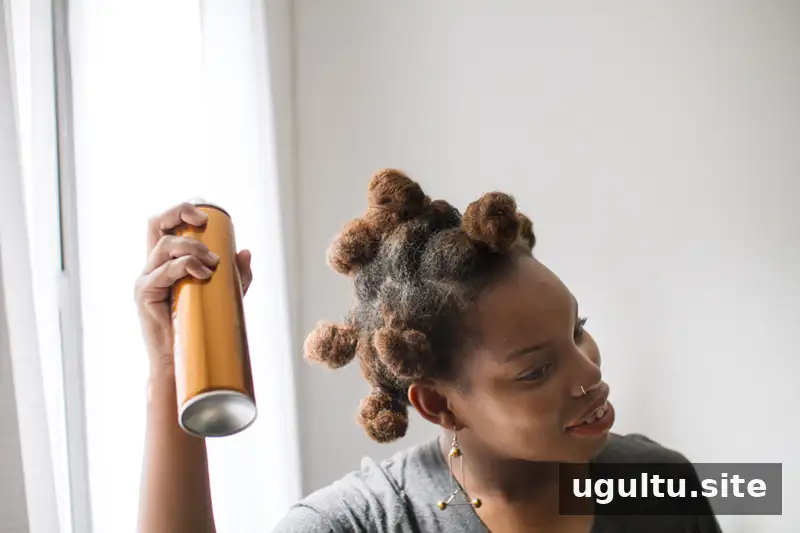
Once all the twists and knots are in place, apply scalp care if needed. A light oil or scalp spray is one option; choose a product that suits your scalp and use it sparingly. For an overnight set, cover your hair with a satin or silk cap to help limit friction while you sleep.
If you style in the morning instead, allow the twists time to settle before taking them down. Hair that is still damp may lose definition more quickly, so make sure it is dry enough for the finish you want.
5. Take down and shape your fro

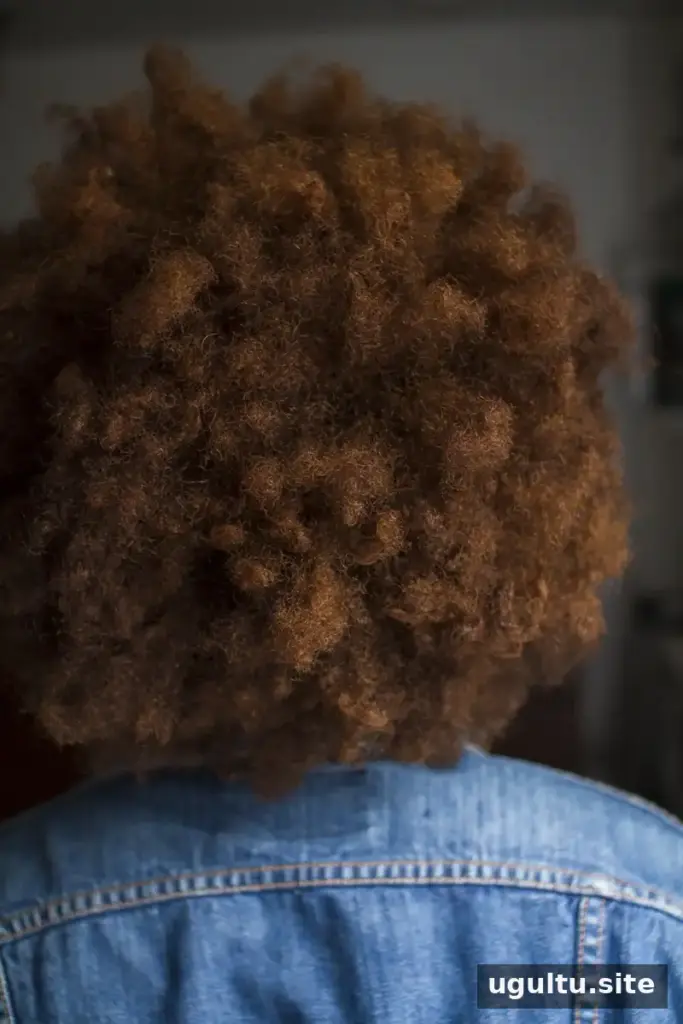
Carefully undo the Bantu knots first, then unravel the twists without rushing. Separate the curls gently with your fingers and lift the roots to add volume. Use a pick at the roots if desired, taking care not to comb through the lengths if you want to preserve more definition.
Getting the Most from Your Everyday Afro

The twist-out can look larger after the knots and twists are removed because the hair is released and lifted at the roots. For a more defined finish, separate less; for added fullness, gently fluff the roots and allow the style to expand. Keep tension low and adjust the routine based on how your hair feels.
This everyday afro method is a flexible way to combine curl definition with volume. Chunky twists, secure Bantu knots, and a gentle takedown can help you shape the look while keeping the routine straightforward. —LaTonya


