admin

Learning how to clean and rotate a mattress is a simple way to refresh your sleep space and care for your bedding. A light clean every six months can help remove surface dust and odors, while rotating the mattress may help distribute wear. Always check the manufacturer’s care instructions first, since cleaning and rotation recommendations vary by mattress type.
Set aside about 10 minutes for the main cleaning steps. You will need baking soda and a vacuum with an upholstery attachment. Stain treatment and drying may take additional time.
How to Clean and Rotate a Mattress
Before you begin, remove all bedding and check the mattress label for care guidance. If the mattress is heavy, ask someone to help you move it rather than straining or dragging it across the floor.
Rotate or Flip the Mattress

Turn the mattress 180 degrees so the head end is at the foot of the bed. This changes which areas receive the most regular pressure and may help distribute wear. Check the manufacturer’s instructions to see how often rotation is recommended.
Only flip a mattress if it is designed to be used on both sides. Many modern mattresses have a specific top side, so flipping one that is not double-sided may affect comfort or support.
Vacuum the Mattress Surface

Use the upholstery attachment to vacuum the entire top surface, working slowly across the mattress. Pay particular attention to seams, edges, and corners where dust and small particles can collect. Vacuum the sides as well if you can reach them safely.
Vacuuming removes loose debris from the surface, but it does not replace any specialized cleaning recommended by the mattress manufacturer. Use a clean attachment and avoid pressing hard on delicate fabric.
Deodorize with Baking Soda
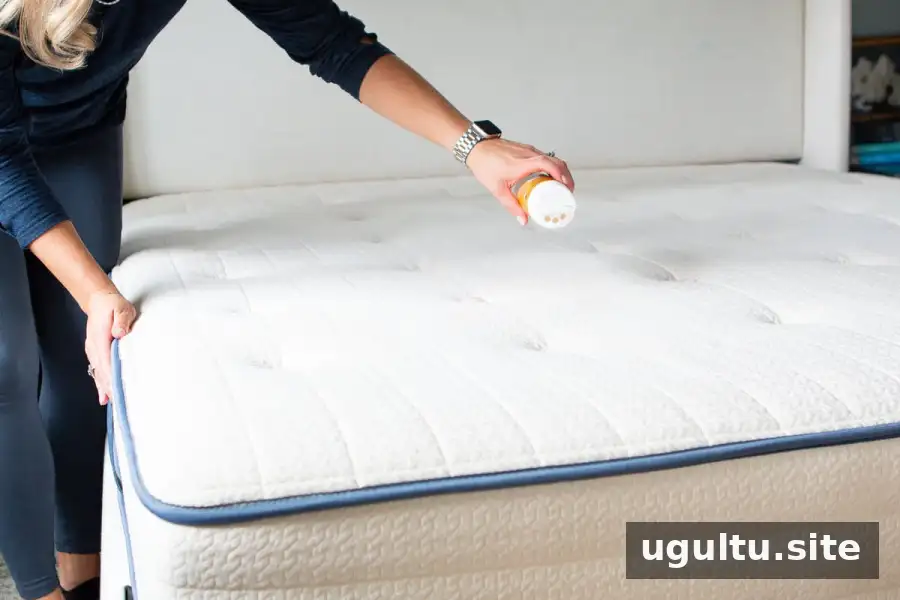
Sprinkle a thin, even layer of baking soda over the mattress surface to help absorb odors. Leave it in place for at least 30 minutes. Keep the powder away from damp areas, and avoid using more than you can easily vacuum up.
Vacuum Again
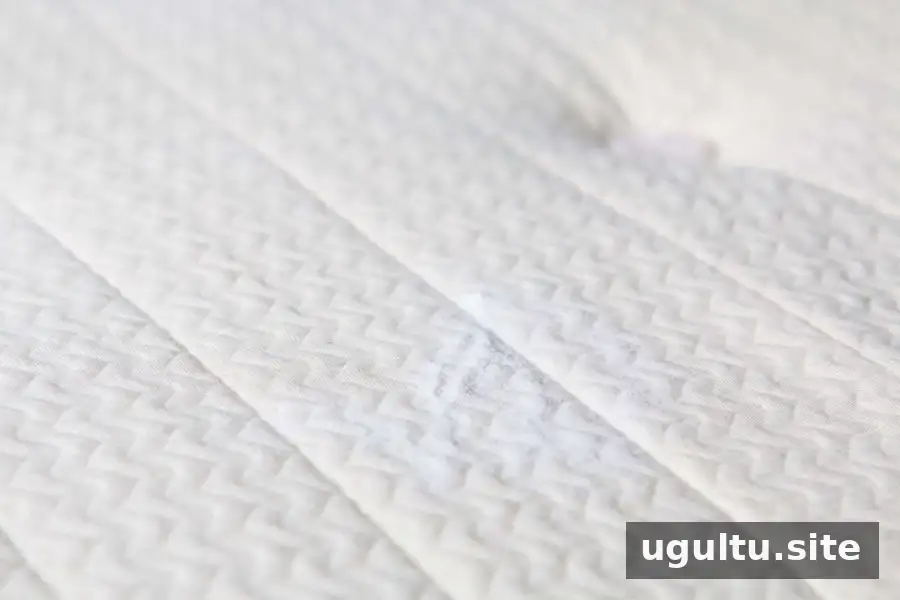
Vacuum the mattress thoroughly to remove the baking soda. Go over seams and edges once more, then check that no powder remains before making the bed. Let the surface air out if it feels at all damp.
How to Treat Mattress Stains

If you notice a stain, use as little liquid as possible. Check the care label and test your chosen solution on a small, inconspicuous area first.
- Prepare a mild solution: Mix a few drops of mild dish soap with warm water. For tougher stains, a solution of equal parts water and white vinegar is another option, but check that it is suitable for your mattress material.
- Blot gently: Dampen a clean cloth and dab the stain. Avoid rubbing, which can spread the mark or push it deeper into the fabric. Memory foam and other foam mattresses should not be soaked.
- Let it dry completely: Allow the treated area to air-dry before replacing the bedding. Open a window or use a fan to improve airflow, and do not cover the mattress while it is still damp.
Use a Mattress Protector

A washable mattress protector provides a removable layer between the mattress and everyday spills, sweat, and dust. Follow its care label and wash it at the recommended intervals. A waterproof protector can be useful for children’s beds or other situations where spills are more likely.

Refresh Your Pillows Too

Pillows can collect dust and perspiration, so check their care instructions when you clean the mattress. The right method depends on the filling; never assume every pillow can go in a washing machine.

- Read the care label: Follow the stated washing and drying instructions for the pillow.
- Wash suitable pillows: If machine washing is allowed, use mild detergent and consider an extra rinse to remove residue.
- Spot-clean specialty pillows: Memory foam pillows are generally better suited to spot cleaning than machine washing. Use a lightly damp cloth and avoid saturating the filling.
- Dry thoroughly: Use only a drying method permitted by the care label. Make sure the pillow is completely dry before putting it back on the bed.
- Consider a pillow protector: A washable cover adds a barrier against everyday soiling and can make routine care easier.
Keep the Routine on Your Calendar

A twice-yearly reminder is an easy way to remember to inspect, vacuum, and refresh your mattress and pillows. Adjust the schedule to match the mattress instructions and your household’s needs. Use the opportunity to check the protector and pillow covers for stains or damage as well.

Regular care does not require a complicated deep-cleaning routine. Remove bedding, rotate the mattress if appropriate, vacuum the surface, use baking soda for odors, and treat spots carefully. These practical steps can help keep your sleep space tidy between professional or manufacturer-recommended care.
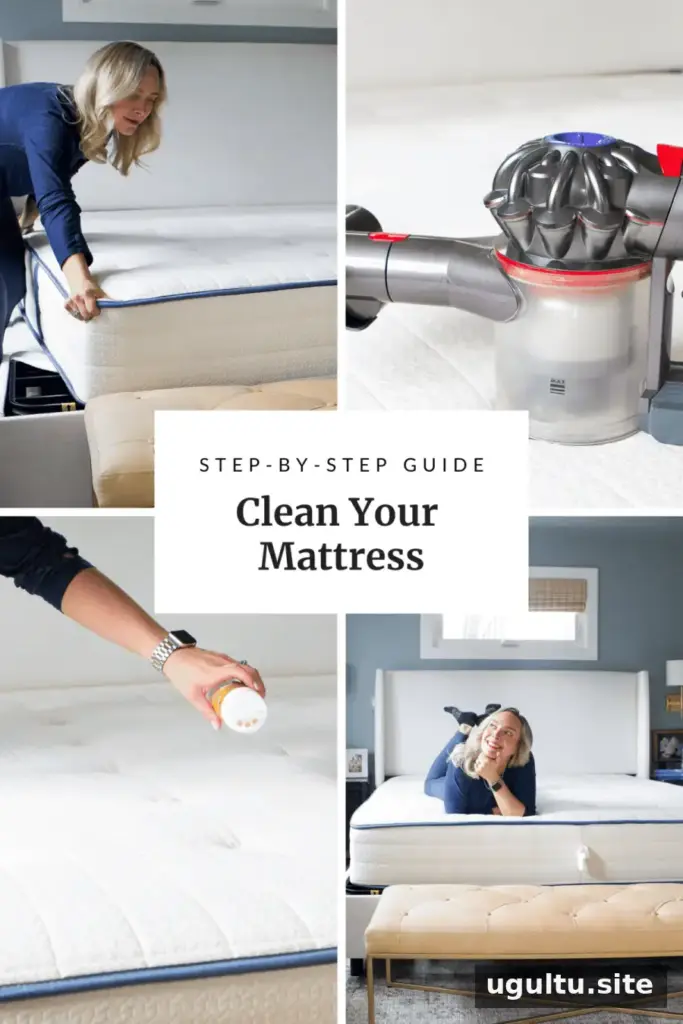
When you clean and rotate a mattress, the key is to follow its care guidance, use minimal moisture, and allow everything to dry fully before making the bed. A simple reminder every six months can help you keep up with this useful home-maintenance task.