
 admin

Making room for hobbies as an adult can feel difficult when work, family, and everyday responsibilities fill the calendar. But a hobby does not need to take up an entire afternoon or lead to a finished project to be worthwhile. Short, enjoyable periods of creative or recreational time can help keep curiosity and personal interests part of everyday life.
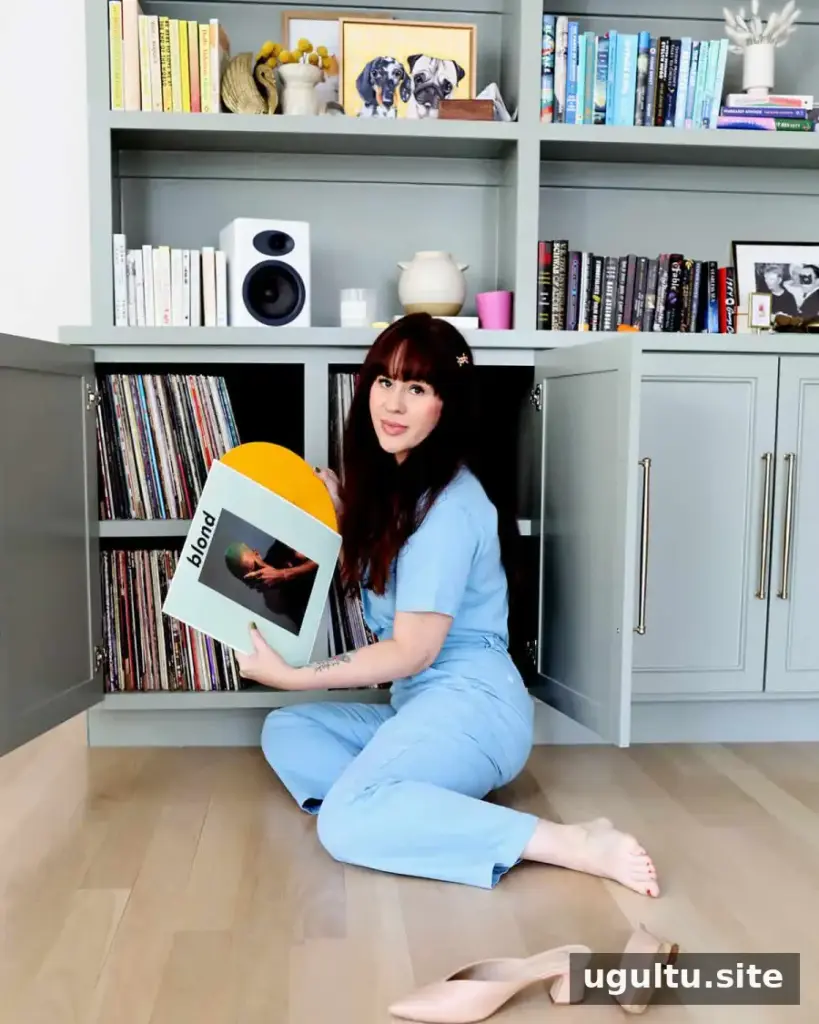
Adult hobbies can take many forms, from sewing, painting, and baking to running, journaling, or learning to cook something new. Interests may change over time, and it is normal to move between activities or return to an old one after a break. The goal does not have to be constant progress; the experience itself can be valuable.
How to Make Hobbies as an Adult Work for You
Busy seasons may leave little room for long, uninterrupted projects. Rather than waiting for ideal circumstances, consider adjusting expectations and making hobbies easier to fit into the time available. These three approaches can help.
1. Lower Your Expectations for Available Time
It can be tempting to imagine that a hobby requires a full day, a dedicated room, or a perfectly clear schedule. In reality, a brief session can be enough to make a little progress or simply enjoy an activity. Thirty minutes here and an hour there can add up over time.
Try keeping a project or the supplies you need ready to use, so it is easier to get started when a free moment appears. Choose a manageable next step, such as sketching one idea, practicing a few stitches, or preparing ingredients. On especially busy days, even a short session counts.
If life is demanding, avoid comparing your schedule with someone else’s. A small-scale version of a hobby may be more realistic than putting it off until you have an ideal amount of free time.
2. Let Go of Guilt About Unfinished Projects
A hobby may pause for weeks or months. Supplies might go unused, and a project may not turn out as planned. These experiences do not mean the hobby has failed. In many cases, hobbies are valuable because they offer an enjoyable process, not because they produce a particular result.
Think of creative interests as ongoing rather than as a list of tasks that must be completed. If a goal no longer suits your circumstances, adjust it or choose a different one. For example, enjoying baking does not require making something for every gathering, and family crafts do not need to happen every day.
Practical tip: Keep a short list of projects you would like to revisit. When you have time, choose the one that feels appealing instead of treating every unfinished idea as an obligation.
3. Keep Learning and Making Things
Interests can provide opportunities to keep learning and trying new activities throughout life. Maintaining even a modest hobby routine during a busy period can make it easier to return to those interests when more time becomes available.
You do not need to master a skill or complete a large project. Take a small step: gather materials, set up a corner of a table, find a suitable class, or reserve a short block of time. Make the activity accessible enough that restarting does not feel like another major task.
Enjoy Hobbies as an Adult, One Small Step at a Time
Hobbies as an adult do not have to be perfectly organized, productive, or consistent. Choose activities that interest you, make use of the time you have, and allow yourself to pause or change direction. A little hobby time can be a meaningful way to keep creativity, learning, and personal enjoyment in your life.
— Elsie


