admin
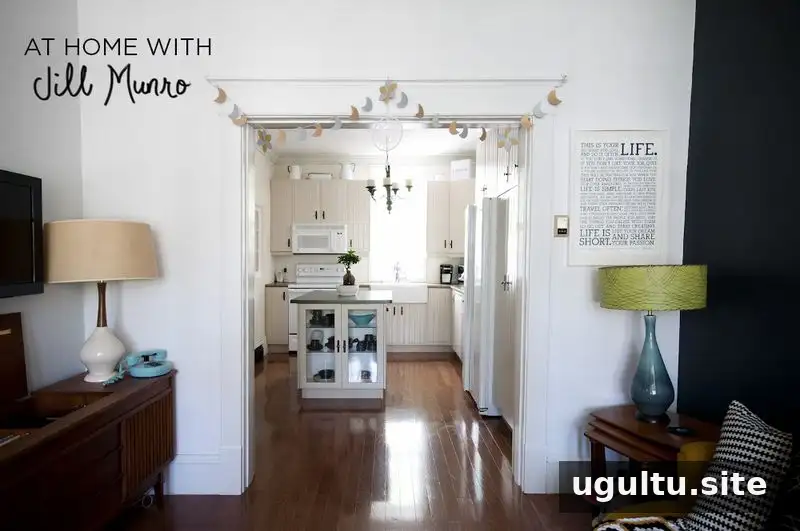
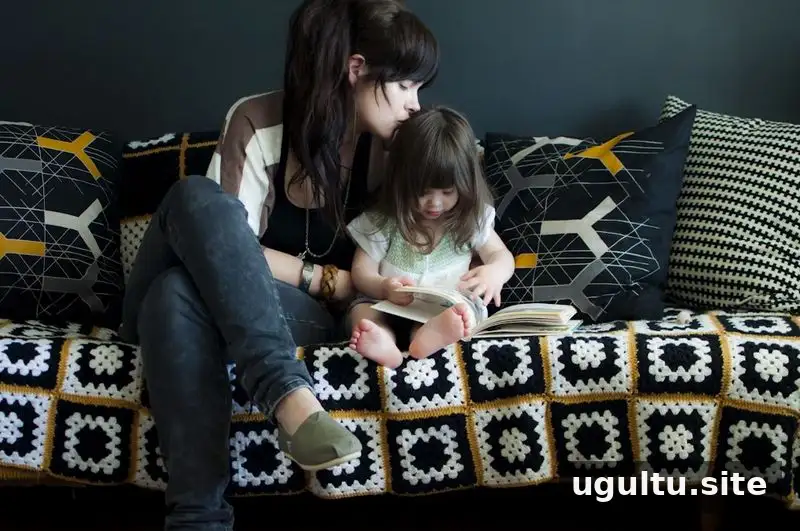
Jill Munro’s home shows how a modest, nearly century-old house can feel personal, practical, and welcoming. Filled with inherited pieces, secondhand finds, and thoughtful updates, the house reflects the family who lives there rather than following a single decorating style.
Inside Jill Munro’s home
When Jill first walked into the house, she felt it could become home. At the time of this feature, the house had reached 99 years old, and Jill’s family had lived there for 11 years. Several renovations later, they still appreciate its distinct character. Older homes often have features and proportions that make each one feel different; keeping details that matter to you can help preserve that sense of individuality.
Vintage furniture with a story
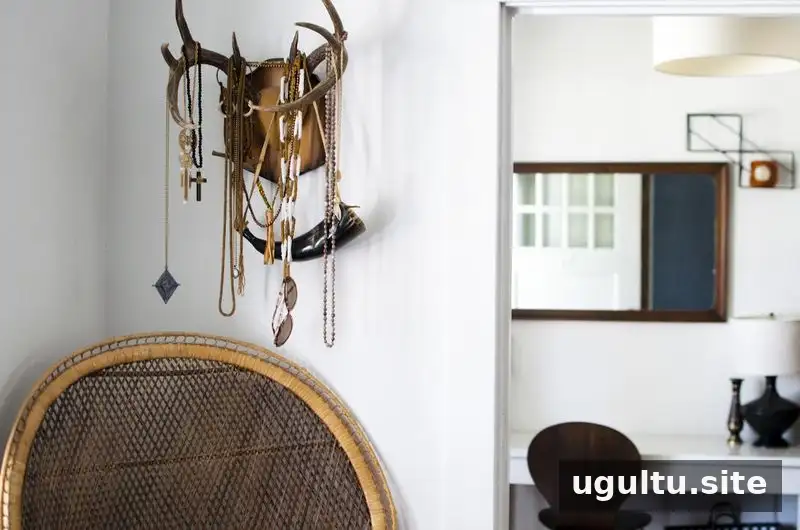
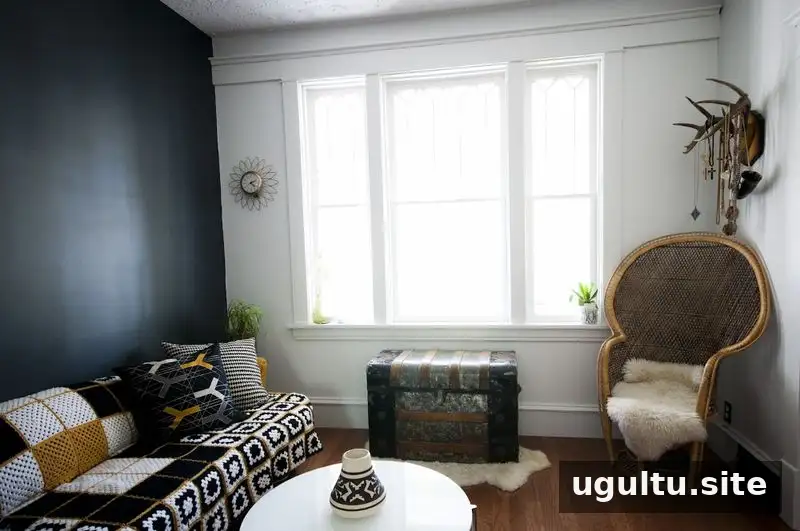
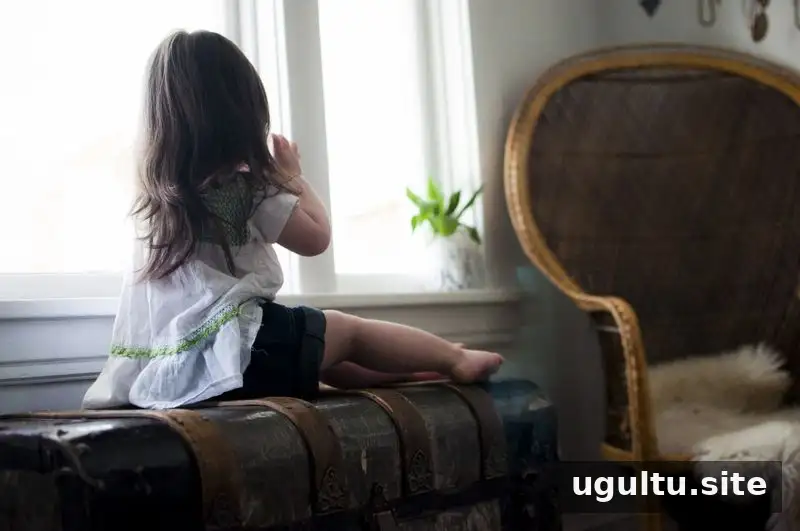
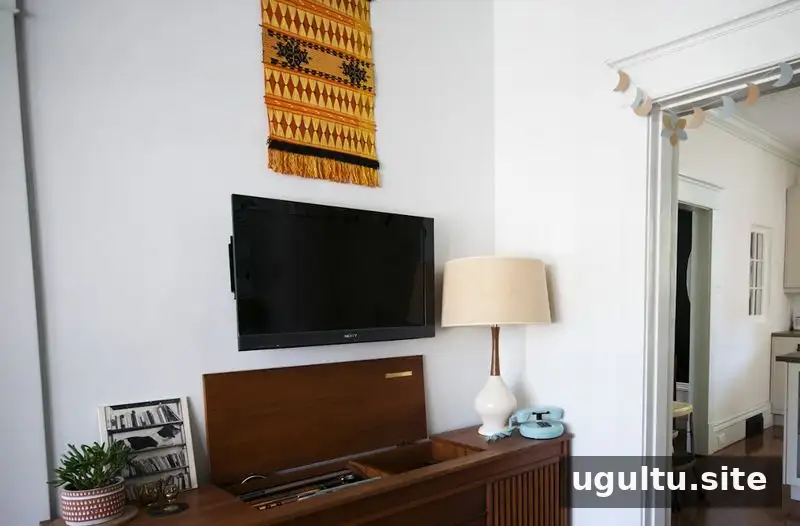
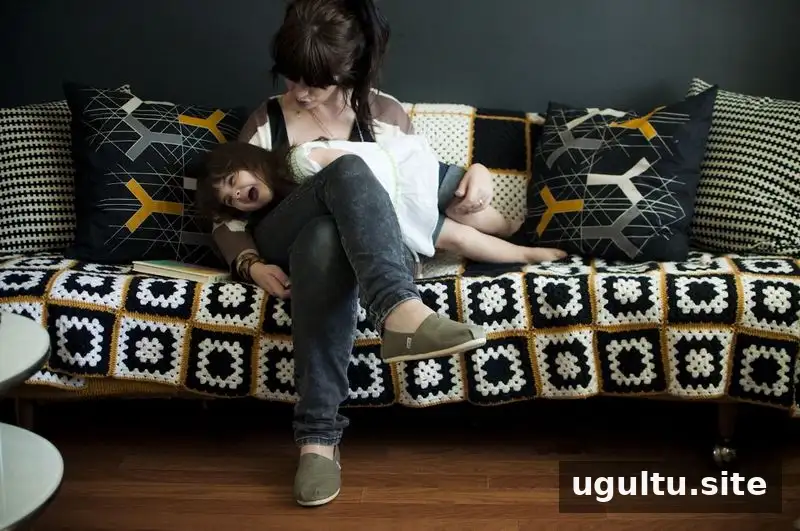
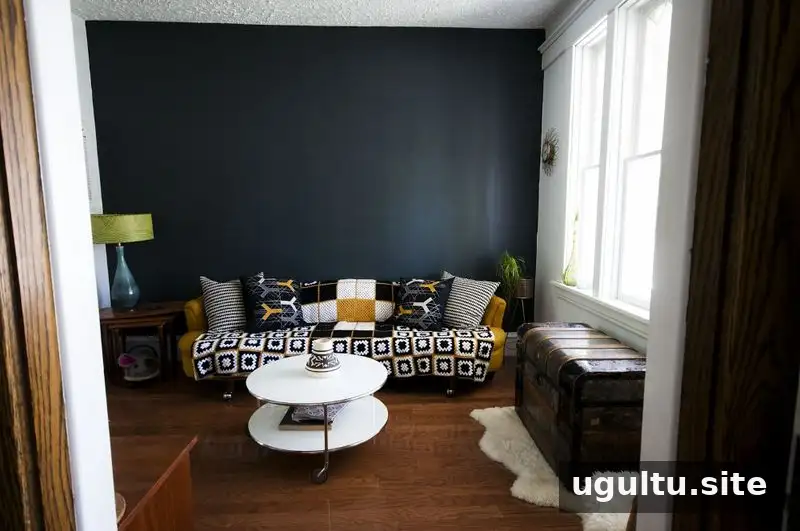
Many of the home’s furnishings came from relatives, friends, or thrift stores, so the most meaningful items are not necessarily the newest or most expensive. A record console was a gift Jill bought herself after a successful festival sale with her mobile shop, and the family uses it regularly. A wooden steamer trunk belonged to her late uncle and now stores vintage clothing. The sofa, found for $20 at a thrift shop, once furnished a hotel lobby. Jill left it on a cold porch for several months before bringing it inside for a deep clean, and hopes to have it covered in leather one day.
When considering secondhand furniture, check its condition and measure the space before bringing it home. Upholstery and stored items may also need careful cleaning, especially before they are used indoors.
Everyday life in the kitchen and living room
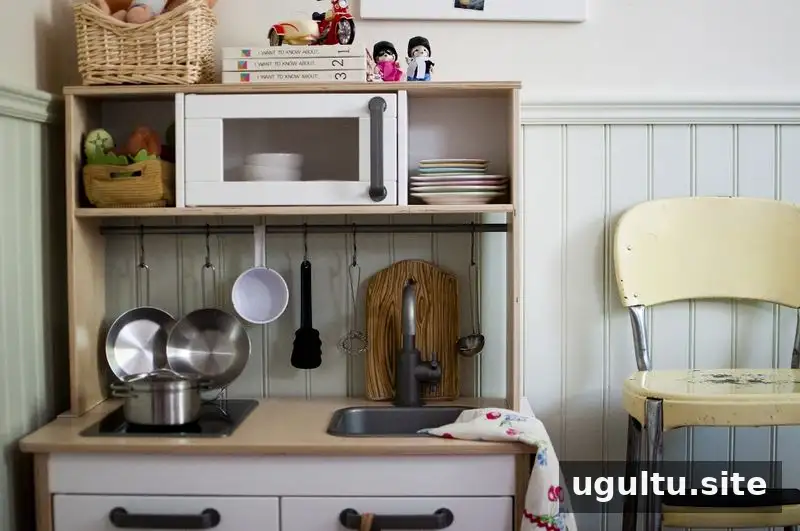
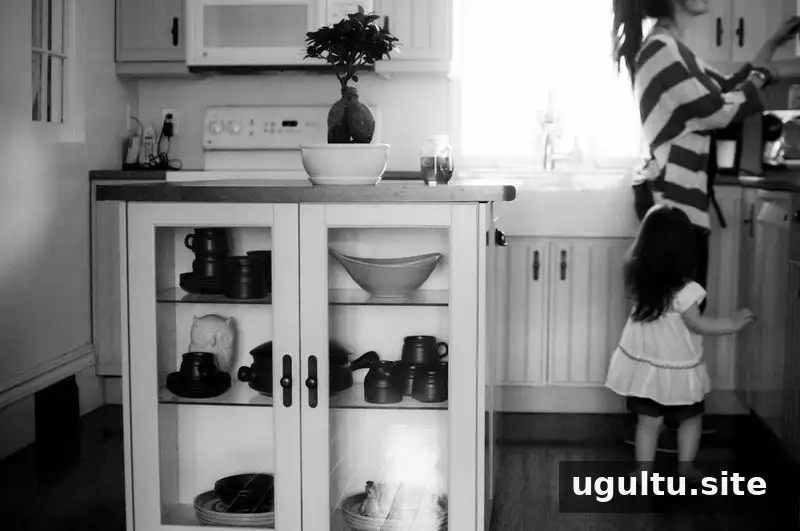
The family makes full use of the house, but the kitchen and living room are where Jill and her daughter Eve spend much of their time. They color, listen to records, prepare meals and play pretend, and build towers with blocks. Eve’s favorite record is Baby Beluga. Morning light coming through the kitchen window helps make the space feel cheerful at the start of the day.
In a small home, arranging everyday activities in the rooms where the family naturally gathers can make the layout more functional. Keeping favorite toys and activities close by can also make shared spaces easier to use throughout the day.
A window that brings rooms together
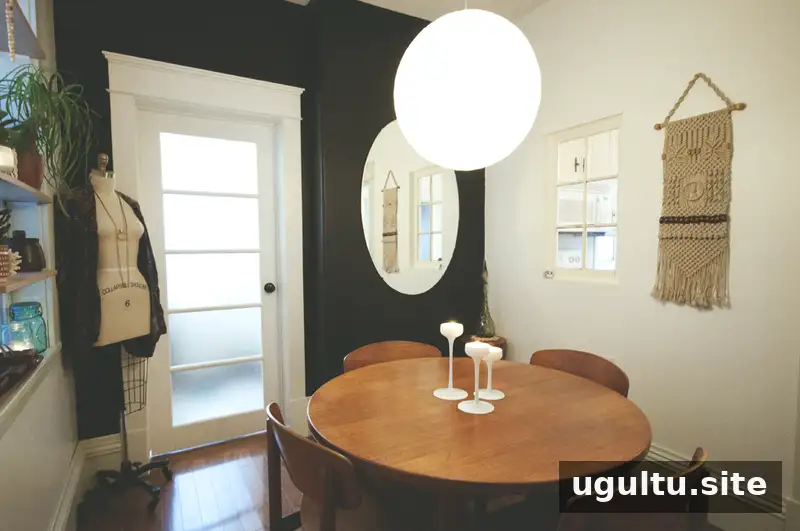
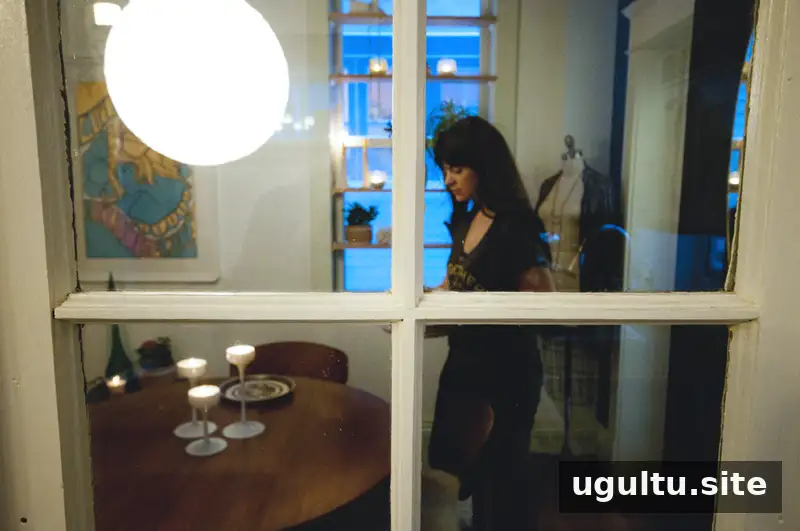
During the kitchen and dining-area renovation, Jill learned that removing the wall between the rooms was not possible. Her father-in-law suggested fitting an old wooden window from the farmhouse where he grew up into the wall instead. The opening allows light from the kitchen window to reach the dining room and creates a visual connection between the two spaces.
This kind of interior window can be a useful option when a wall needs to remain in place. Before making structural changes, confirm what the wall supports and consult a qualified professional when needed.
Renovations that make a small house work
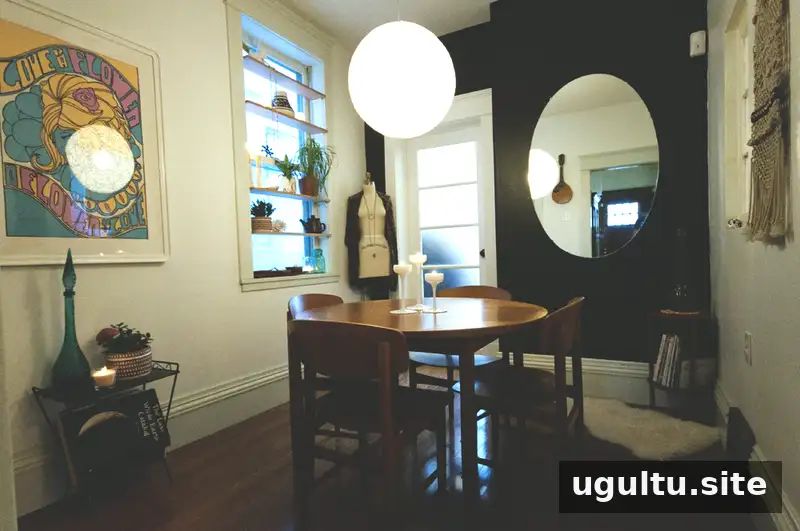
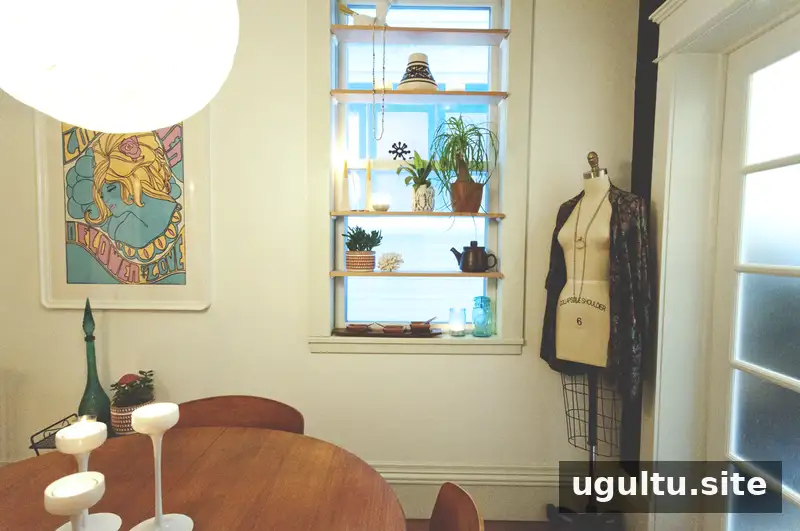
Over 11 years, the family updated both the interior and exterior. Changes included moving the kitchen into the former formal dining room, replacing the kitchen, turning a door into a window, and reopening a mudroom that had been closed off behind the refrigerator. The rooms are modest in size, but high ceilings and large windows help the house feel open. Jill finds the layout functional for a family of four.
These changes show why it helps to consider how a household actually uses each room before planning a renovation. Reworking the location of a kitchen or restoring access to a mudroom can improve daily routines, while windows and ceiling height influence how spacious a room feels.
What makes Jill Munro’s home feel personal
Jill Munro’s home combines practical improvements with family heirlooms, thrifted furniture, and spaces designed around everyday life. Its story is a reminder that a comfortable home does not need to be large or filled with matching pieces. Thoughtful use of space and meaningful objects can make even a small, older house feel like it belongs to the people who live there.