
 admin


A thoughtfully planned home color palette can help rooms feel connected, make decorating decisions easier, and give you more flexibility to move furnishings between spaces. You do not need to use the same shade everywhere. Instead, choose a group of colors that work together and reflect the look and atmosphere you want in your home.
Planning a palette before buying paint or larger furnishings can also help you avoid impulse purchases that are difficult to coordinate later. These five steps offer a practical way to build a color story that feels consistent without making your home feel overly matched.
How to Choose a Home Color Palette
1. Start with colors you enjoy living with
Look at the colors you tend to wear and the home items you already own and value. Clothing can reveal familiar preferences: perhaps you regularly choose black and white, denim tones, red, or brighter shades. Favorite furniture, artwork, and décor can offer another useful clue.
Separate the colors that feel comfortable from those that inspire you. A color you admire in a photograph may work best as a small accent, while a familiar neutral might be a better choice for a wall or a large piece of furniture. Consider both groups when planning your palette.
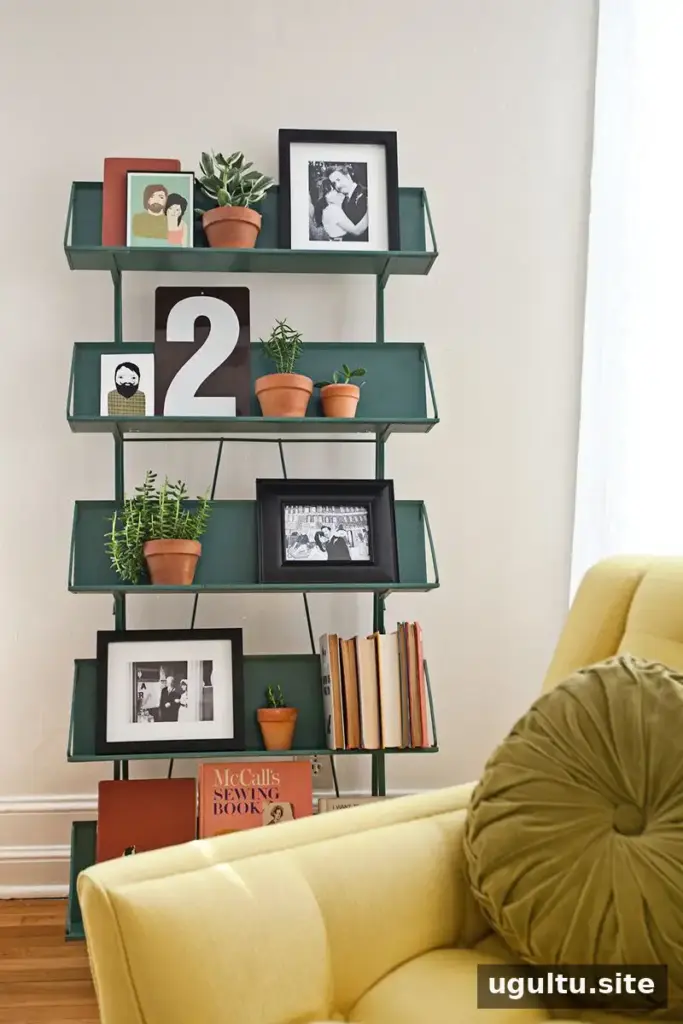
Pay attention to what you return to over time, not only what is currently popular. Keeping a short list of colors you love—and shades you prefer to avoid—gives you a useful starting point when comparing options.

2. Make a mood board before shopping
Collect images of rooms, artwork, materials, clothing, and other objects that match your preferred colors and style. Arrange them in a digital folder or on a physical board so you can see how the choices work together.
A mood board helps reveal whether the palette feels too uniform or visually busy. If everything looks similar, consider introducing another color or a mix of textures. If the overall effect feels crowded, adding more neutrals may create balance. Save the board somewhere easy to check while shopping, such as on your phone.
Practical tip: Compare the colors as a group before purchasing individual décor. This can help you avoid bringing home attractive pieces that do not suit the overall plan.
3. Balance neutrals with colorful accents
Choose which neutral shades will appear most often and which will play a smaller role. White, gray, cream, black, and natural wood can each contribute a different feel. Neutrals can provide a calm foundation and make it easier to update a room with smaller decorative changes.
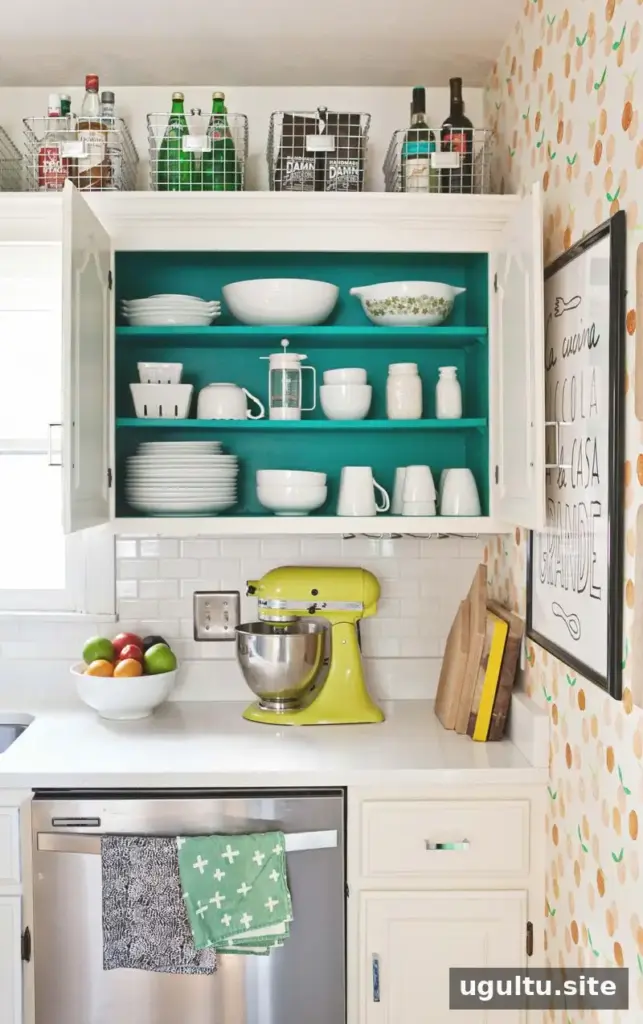

Next, decide how much stronger color you want to include. Accent shades from your mood board can bring personality to a space through items such as cushions, artwork, or accessories. Use brighter colors in amounts that suit your comfort level; a small accent can make an impact without dominating a room.
There is no required ratio of neutral to color. Consider the atmosphere you want, the colors you enjoy seeing every day, and how often you like to change your décor.
4. Choose paint and long-term pieces first
Plan the elements that are costly or difficult to replace before focusing on smaller details. These may include paint, flooring or wood stain, a sofa, rugs, and light fixtures. Selecting these larger elements first gives you a foundation for choosing accessories later.
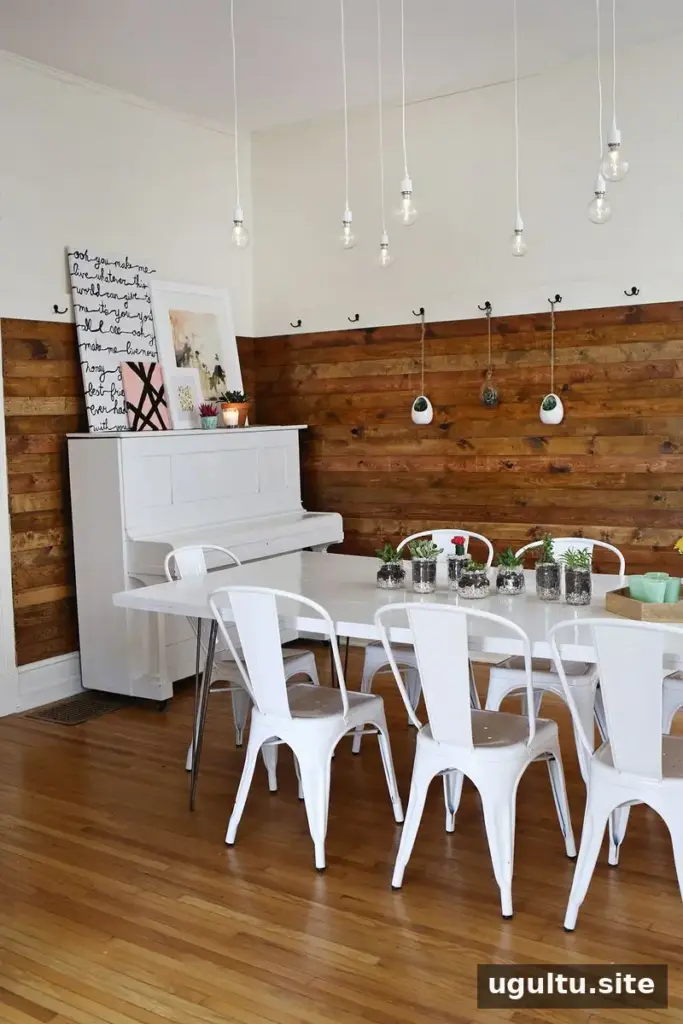
If you are considering a bold color for a wall or a large furnishing, make sure it is a shade you expect to enjoy for years. For more flexibility, keep major surfaces relatively neutral and bring stronger colors into items that are easier to replace.
Once those foundational choices are settled, use details such as throw pillows and artwork to add contrast, texture, and seasonal interest.
5. Leave room to go beyond the palette
A color story is a guide, not a strict rule. You can introduce extra shades for a celebration, a holiday, or a particular room. A palette can help coordinate the pieces you want to combine, while occasional exceptions keep the home from feeling too controlled.

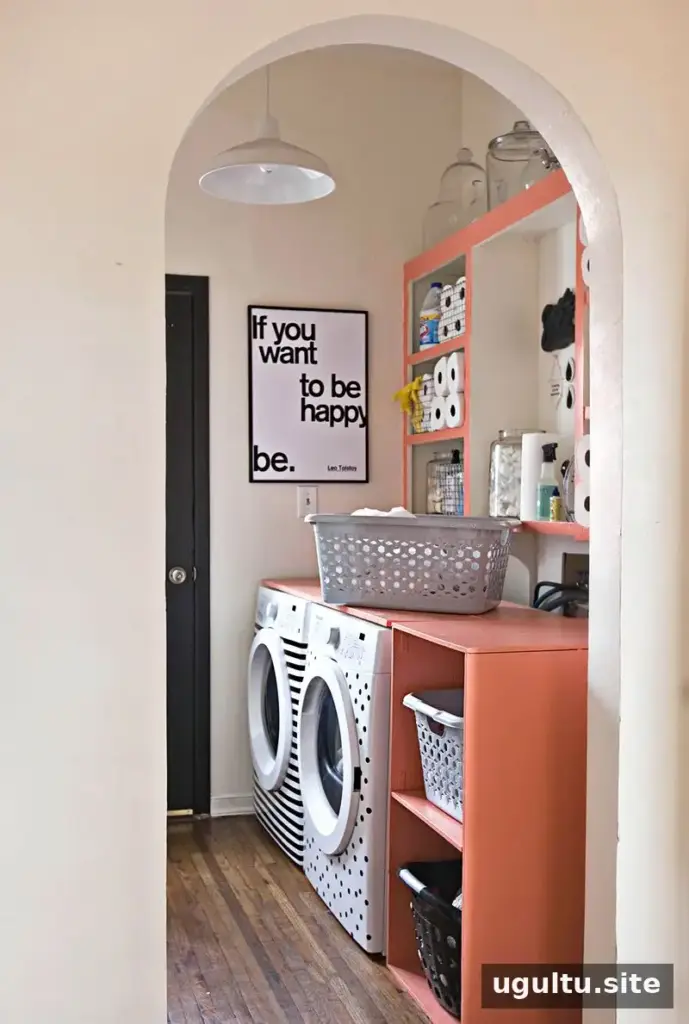
When an item includes a color outside your original plan, consider whether it still works with the room’s materials, mood, and neighboring shades. Coordination matters more than following a fixed list exactly.
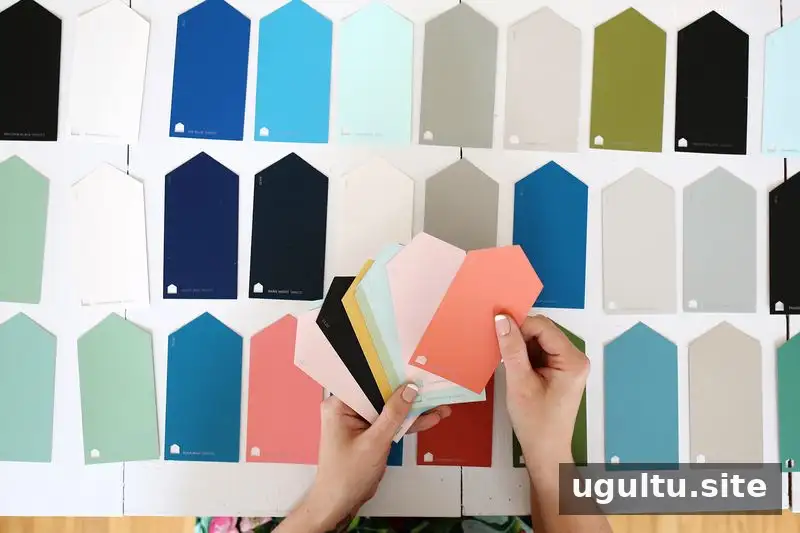
Paint swatches can be a convenient reference while shopping. Keep them together to compare potential purchases with the colors you have chosen. Remember that a swatch may represent an accent or décor color rather than a shade intended for the walls.
Build a Home Color Palette That Works for You
A successful home color palette begins with colors you genuinely like, then uses mood boards, neutrals, and carefully chosen long-term pieces to create balance. Treat the palette as a helpful framework rather than a restriction, and make room for accents that suit your home. Before committing to paint or large furnishings, compare your choices together and consider how they will look in the rooms where you plan to use them.
— Elsie


