
 admin


Outdoor furniture protection matters wherever your patio or porch faces changing weather. Rain, wind, sun and winter conditions can wear down furniture over time, but a few practical choices can help keep it cleaner and extend its useful life.
Whether your outdoor space is fully exposed or partly sheltered, consider how you use it throughout the year. These steps can help you prepare furniture for everyday weather and the off-season.
Outdoor Furniture Protection Starts with Shelter

Use covered areas when possible: A roof, carport, awning or large overhang can reduce direct exposure to rain and sun. Furniture in a sheltered spot may need less frequent cleaning and can stay drier during wet weather.
If you are planning a patio or porch, consider whether a covered area suits your space and needs. Even with shelter, wind-driven rain can reach furniture near the edges, so keep covers or other protection available.
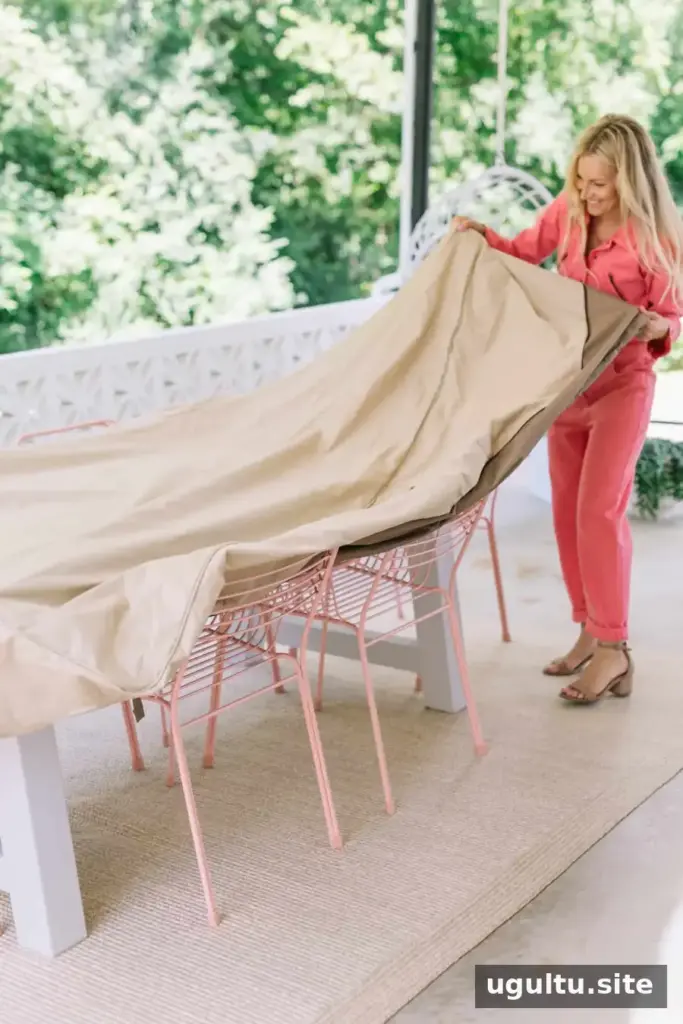
Protect Furniture from Rain and Winter Weather
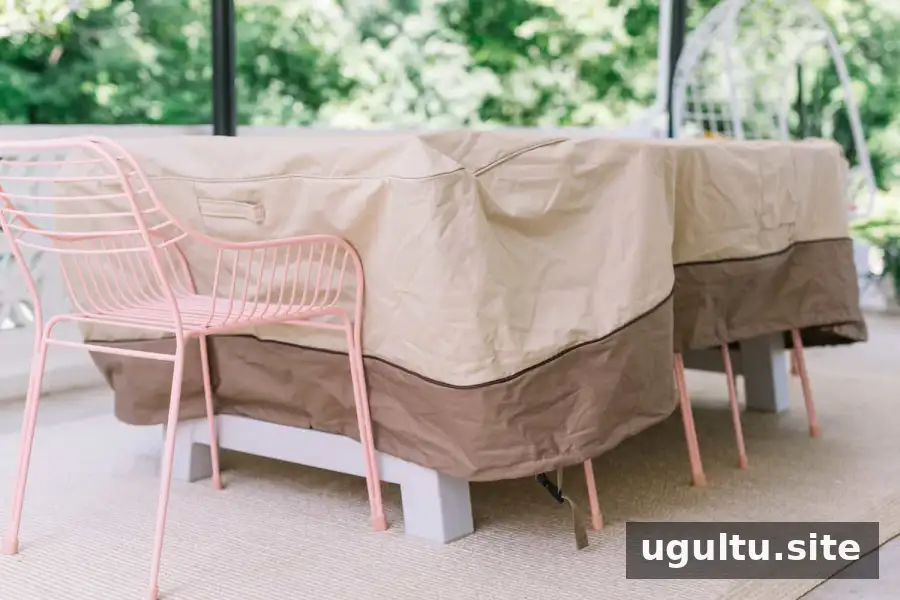
Use weatherproof covers: When furniture is exposed, a properly sized outdoor cover can help shield it when it is not in use. Covers are especially useful ahead of several days of rain or when furniture will stay outdoors during winter.
Choose covers that fit securely, and follow the care instructions for both the cover and furniture. If moisture becomes trapped underneath, allow the furniture to dry when conditions permit before covering it again.
Store Cushions and Make the Most of Space

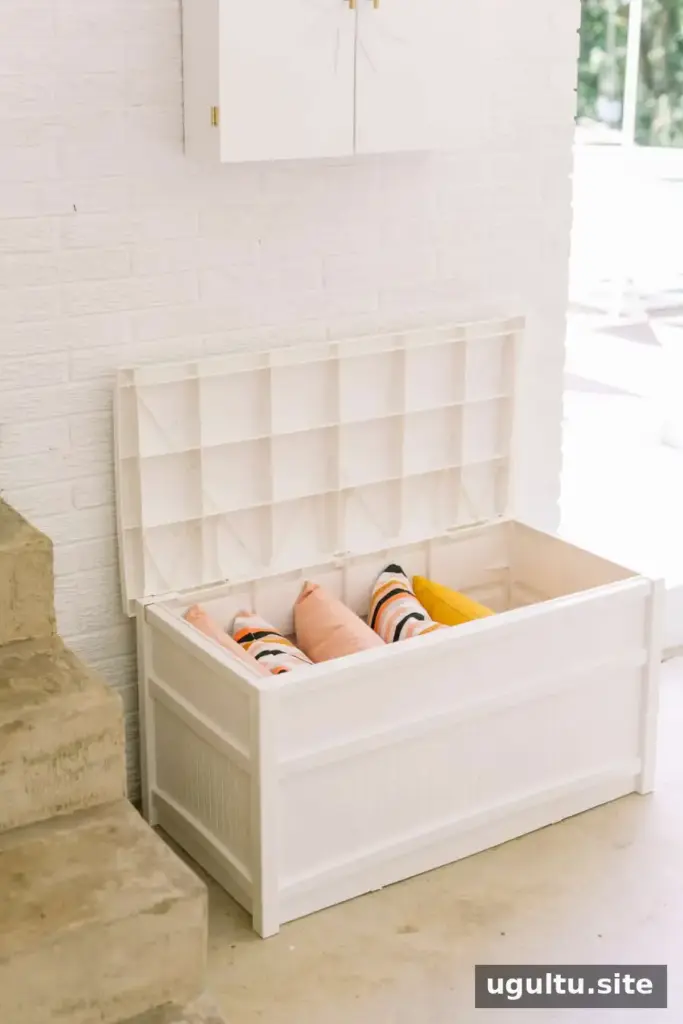
Keep pillows and cushions in a deck box: A storage box helps keep soft furnishings together and protected when they are not being used. It can also hold outdoor toys or other patio items. In areas with heavy rain or snow, an additional box cover may provide extra protection.
Check that cushions are dry before putting them away, and follow their labels for cleaning and storage. This simple step can help prevent dampness from lingering in the box.
Choose furniture that can be stacked or disassembled: If you have room in a shed, garage or basement, storing furniture during the off-season reduces its exposure to the elements. Stackable chairs and tables with detachable legs can be easier to fit into limited storage space.

Choose Durable, Easy-Care Materials
Look for weather-resistant materials and washable fabrics: Outdoor furniture may still develop dirt, algae or mildew, so consider how each item can be cleaned before you buy it. Metal surfaces may be scrubbed, while removable cushion covers are convenient to wash according to their care instructions.
For cushions without removable covers, check the manufacturer’s cleaning guidance first. If washing is suitable, use soapy water and rinse thoroughly; let cushions dry completely in the sun before using or storing them. Avoid an overly forceful pressure-washer setting, which may damage fabric or finishes.
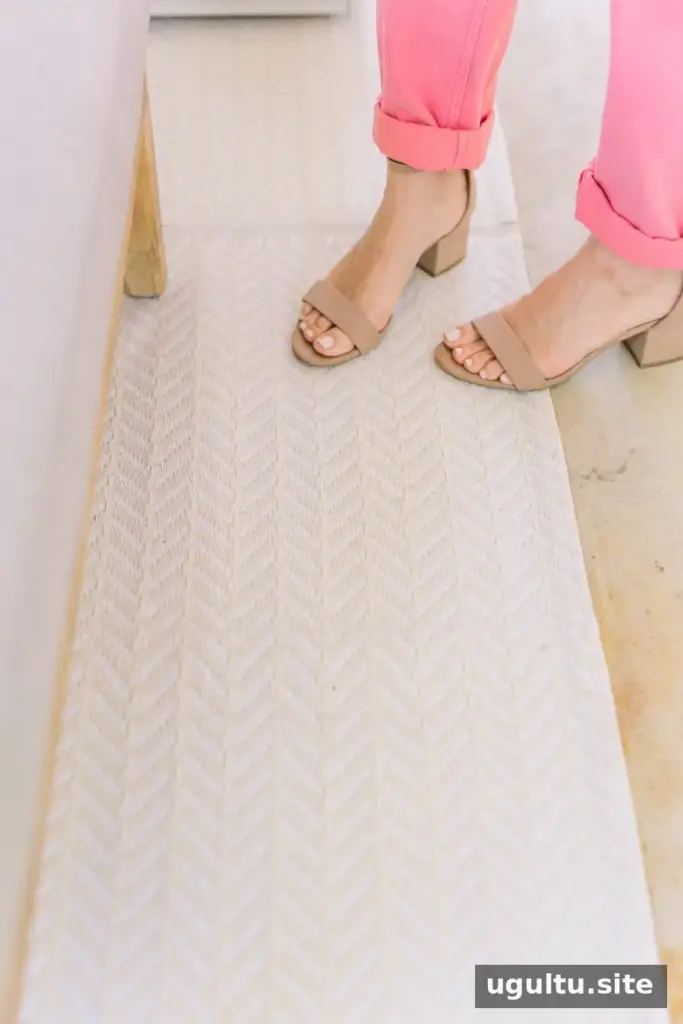
Powder-coated metal furniture can be refreshed with suitable metal paint if the finish wears or rust appears. For outdoor rugs, woven plastic is a practical option because it can generally be rinsed with a hose; check the product’s care instructions before cleaning.
Make Outdoor Furniture Protection Part of Seasonal Care
Before each season, inspect furniture for loose parts, worn finishes and accumulated dirt. Clean items as needed, store cushions when they are not in use, and cover or move furniture before extended periods of harsh weather. A little preparation can help your outdoor space stay comfortable and ready to use.
These outdoor furniture protection habits can help preserve your porch or patio setup through changing seasons. — Laura


