
 admin
Vintage clothing sizing can be confusing because the number on a garment’s label may not match the size you usually wear today. When shopping for vintage dresses, especially online, measurements are a more dependable guide than the original tag or a seller’s estimated size. Knowing how sizing changed over time—and how to measure yourself—can make it easier to choose pieces that fit the way you want.
Why vintage clothing sizing differs from modern sizing
Clothing sizes have changed over the decades, and size labels can also vary between brands. As a result, a vintage dress marked with a larger number may fit someone who wears a smaller modern size. Treat any comparison between vintage and current sizes as a rough starting point, not a guarantee.
As a general guide, a 1950s or 1960s dress may fit about six sizes larger than your modern dress size. A 1970s dress may be around four sizes larger, while some 1980s and 1990s dresses may be one or two sizes larger. These estimates are not consistent across every garment, so check the listed measurements before buying.
The most useful rule for online shopping is simple: compare your measurements with the garment’s measurements rather than relying on the tag. A seller’s description of an item as “small” or “medium” is only an estimate, and those terms are not standardized.
How to take measurements for vintage dresses
Use a flexible sewing tape measure and take your measurements while wearing the undergarments you expect to wear with the dress. Keep the tape comfortably snug, but do not pull it tight.
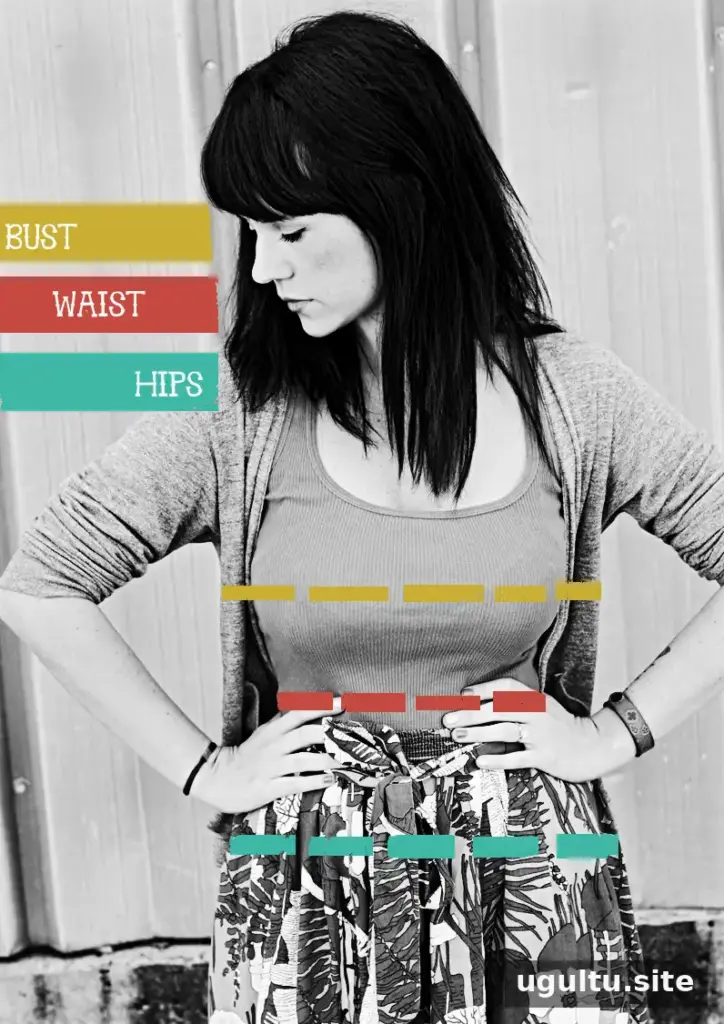
- Bust: Measure around the fullest part of your bust, wearing a bra.
- Waist: Measure around the narrowest part of your natural waist, usually about one inch above your belly button.
- Hips: Stand with your feet close together and measure around the fullest part of your hips.
Think about how you want the garment to fit. For a more comfortable or relaxed fit, you may want a little extra room; for example, adding an inch to your bust measurement can help. The amount of ease you prefer is personal, so compare measurements with a dress that already fits you well.
Choosing a vintage dress that suits your style
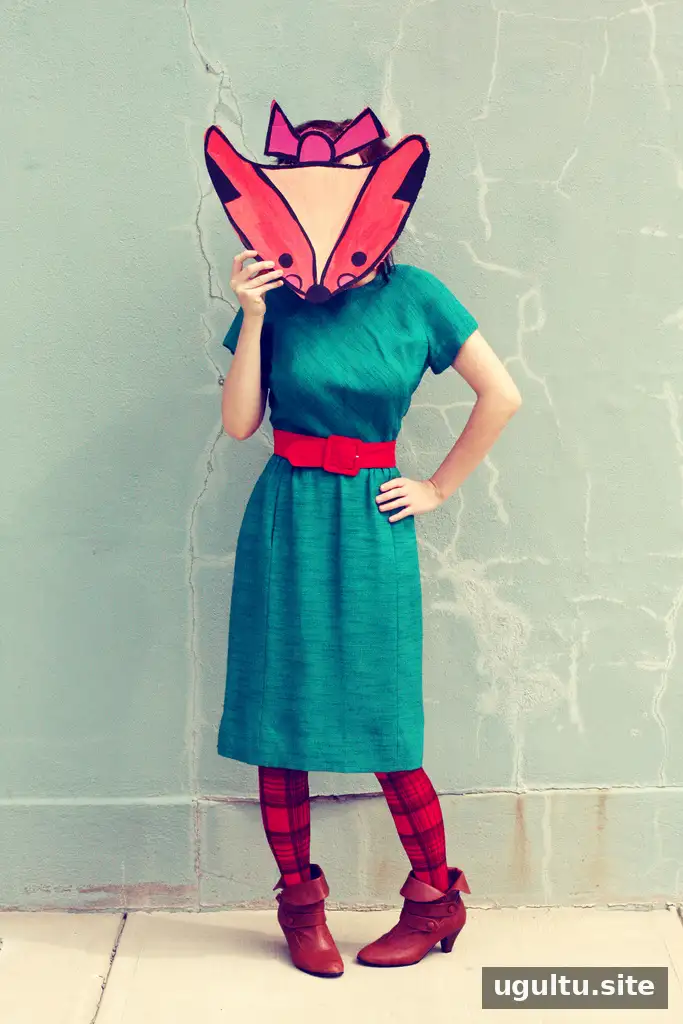
Finding flattering styles takes practice. Start by looking at dresses in your wardrobe that fit comfortably and make you feel good. Note their silhouette, length, fabric, and era, then use those details as a guide when browsing.
You can also measure a dress you own by laying it flat and comparing its dimensions with the measurements provided for a vintage piece. This can be especially helpful when you are unsure how a particular cut will fit. Try familiar shapes first, then explore other styles as you learn what works for you.
When alterations can help
A well-fitting vintage dress may still need a small adjustment. A local alterations professional can advise whether a hem can be shortened, sleeves removed, or a waist taken in. Ask about the cost and feasibility before purchasing, particularly if the item is delicate or has construction details that may be difficult to change.
Check the garment’s condition and fabric carefully, too. Older clothing may need gentler handling than everyday modern pieces, so follow the care instructions provided by the seller and avoid assuming that it can be washed like a new garment.
Why consider authentic vintage clothing?
Authentic vintage garments offer distinctive designs and may have already demonstrated lasting wear, but condition and quality vary from item to item. Examine photos and descriptions for signs of wear, repairs, stains, or fabric damage. A thoughtfully chosen piece can be a durable addition to a wardrobe, especially when its fit, care needs, and construction suit your lifestyle.
In short, vintage clothing sizing is best understood through measurements, not labels. Take your own measurements, compare them with a garment you know fits, and treat decade-based size comparisons as rough guidance. With those steps, you can shop for vintage dresses with more confidence and a clearer idea of what to expect.
— Elsie


