
 admin
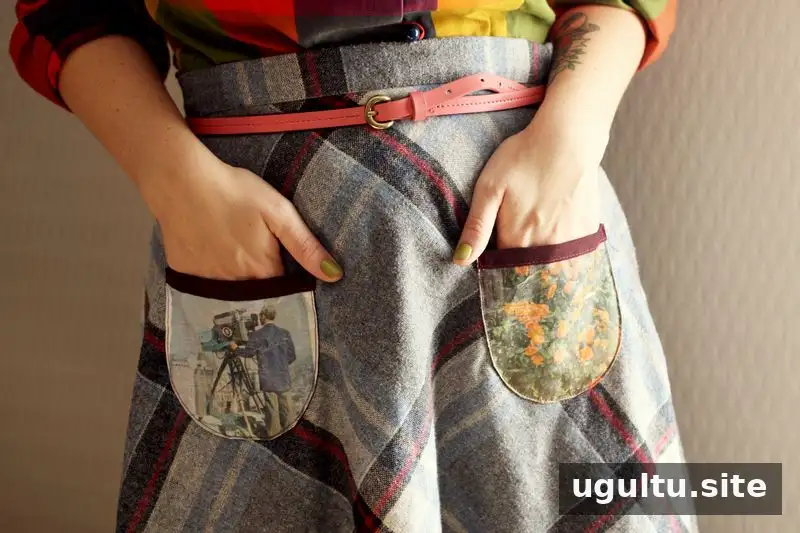
Photo transfer to fabric is a simple way to create a handmade image without iron-on transfer sheets. Using gel medium, a laser-copied picture, and plain fabric, you can make a distinctive print for projects such as pockets, wall art, or decorative pieces. The finished image may have a slightly worn, imperfect look, which is part of the appeal of this method.
Before starting, choose a fabric and image that suit the project. White quilting cotton was used for this example. Since results can vary, it is useful to test the process on a small fabric scrap first.
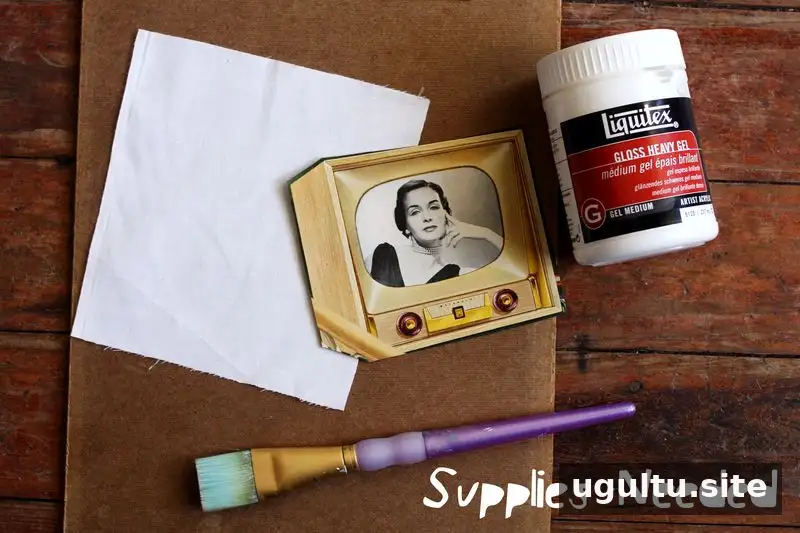
Supplies for Photo Transfer to Fabric
- Fabric, such as white quilting cotton
- Gel medium
- Paintbrush
- Spray bottle filled with water
- A laser-copied image, a vintage magazine image, or a newspaper image
Check that your image is suitable for transferring. If it contains words or lettering, reverse the image before copying so the text reads correctly on the fabric. A laser copy is specified for this method; test an image and fabric scrap if you are unsure how your materials will behave.
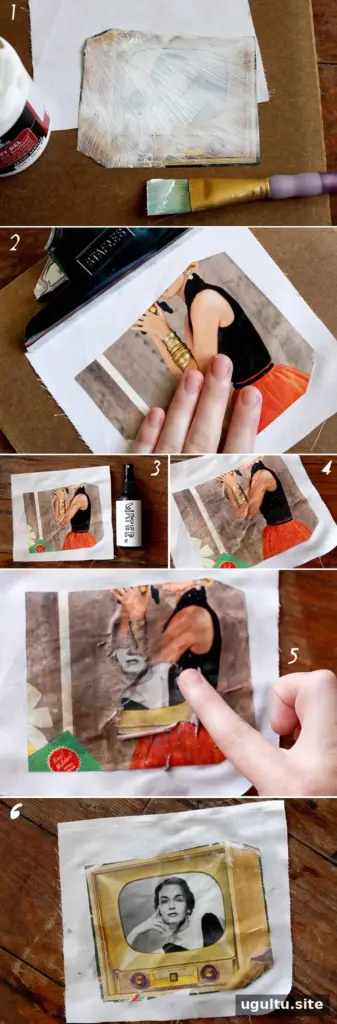
How to Transfer a Photo to Fabric
- Apply the gel medium. Brush a generous, even coat over the entire image. Cover the printed area thoroughly.
- Place the image on the fabric. Press the coated side against the fabric, smoothing it into contact. Leave it to dry for several hours or overnight.
- Moisten the paper. Once the image is completely dry, use the spray bottle to wet the paper surface. Add enough water to dampen it without soaking the fabric unnecessarily.
- Remove the paper gently. Rub the damp paper with your fingertips until it begins to lift away. Work gradually; some paper may come off in strips, while other areas take more time. Avoid rubbing too hard, because vigorous rubbing can remove part of the image as well.
- Reveal and check the image. Continue removing paper residue until the transferred image is visible. Let the fabric dry and inspect the result before using it in a project.
Care and Finishing Tips
If the fabric will be displayed rather than frequently handled, such as on a canvas for the wall, an additional coat of gel medium may help seal and protect the image. Follow the gel medium’s product directions, and test the finish on a scrap if appearance matters.
Transfers can differ in clarity, and small imperfections are normal. Treat the finished fabric as hand-wash-only. Avoid putting it in a washing machine, since machine washing may damage the transferred image. Consider this limitation when choosing what to make; a project that is already intended for hand washing may be a practical choice.
Ideas for Using Your Fabric
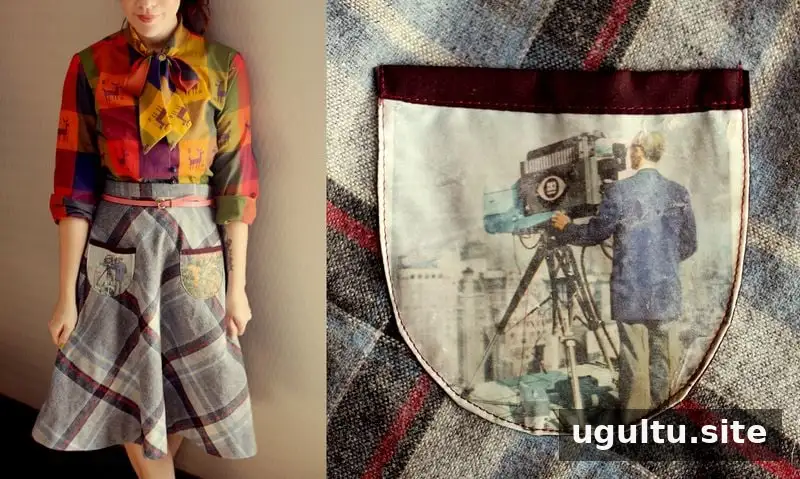
Transferred fabric can be used for decorative pockets, pillows, bows, and other projects that do not require frequent machine washing. The same basic method can also be used to transfer images onto wood and other surfaces, though results may vary by material. Allow the image to dry fully before incorporating it into a finished piece.
Final Thoughts on Photo Transfer to Fabric
Photo transfer to fabric is an accessible hand-printing technique that needs only a few supplies and careful handling. Use a reversed image when it contains text, allow the gel medium to dry completely, and rub away the paper gently. With a test swatch and realistic expectations about the handmade finish and hand-wash-only care, this method can add a personal image to a range of creative projects.
— Elsie


