
 admin
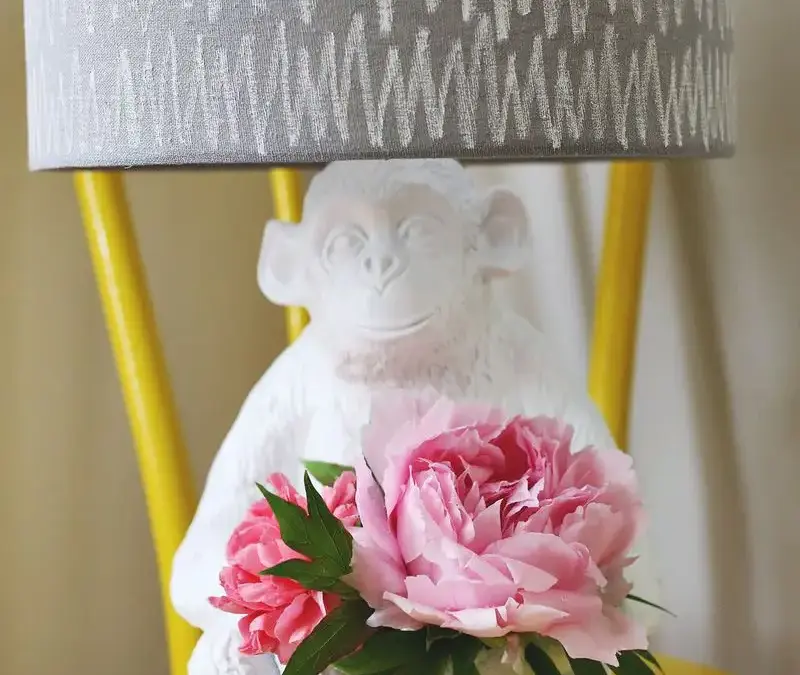
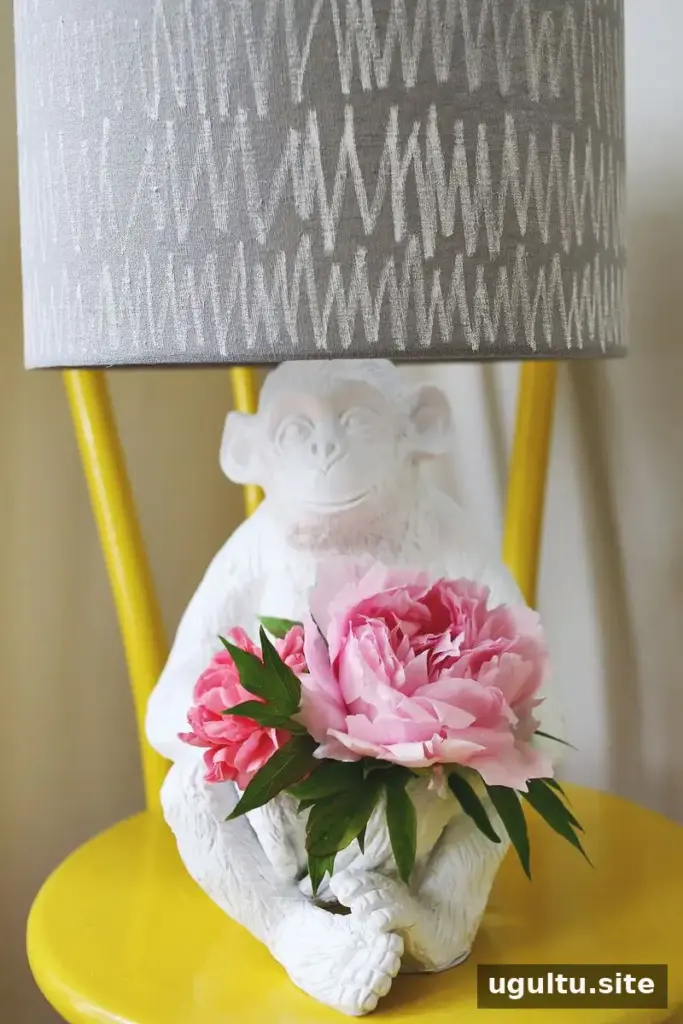
A lampshade makeover can refresh a familiar lamp with a small, simple detail rather than a complete redesign. For this project, a white oil pastel adds a loose scribble pattern to a lampshade, while a monkey-shaped lamp base provides a playful finishing touch. The approach is easy to adapt, but it’s worth checking that any materials you use are suitable for your particular shade and lamp.
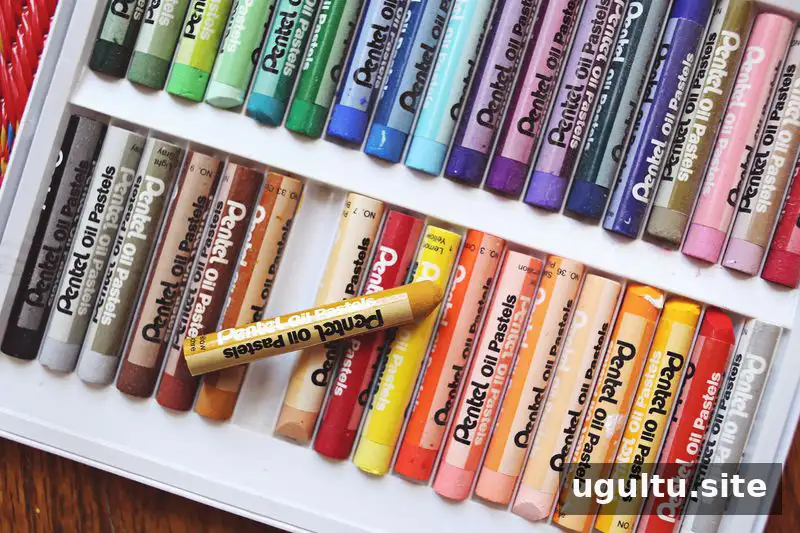
How to Make This Lampshade Makeover
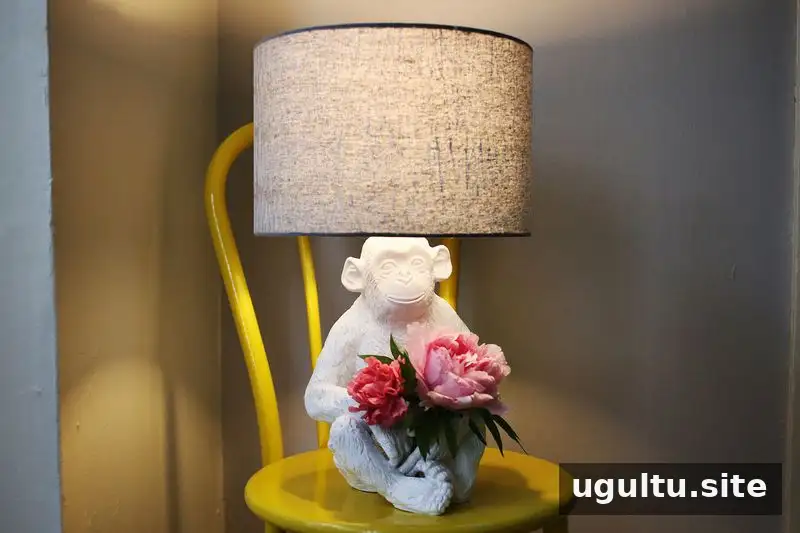
The pattern is made with a white oil pastel. Before marking the whole shade, check that its surface is clean and dry, and test the pastel on a small, inconspicuous area. This helps you see how clearly the marks show and whether the surface accepts the material as expected.
- Unplug the lamp and remove the shade if it can be detached safely.
- Use a white oil pastel to draw a casual, scribbled line around the shade.
- Repeat until there are four rows running all the way around.
- Step back and adjust the spacing or add a few marks if you want a more irregular look.
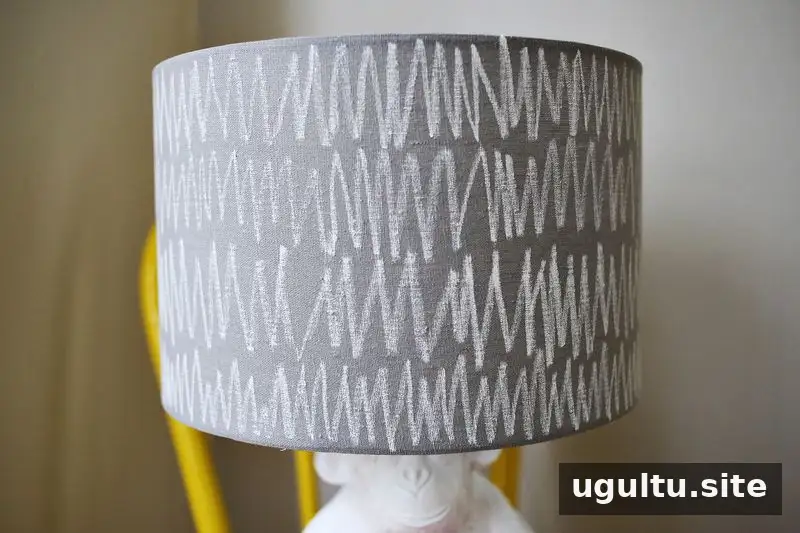
Paint and a paint pen were also tested for this design, but the oil pastel gave the clearest lines and was quicker to use. Its easy application makes it possible to create a pattern that feels spontaneous instead of carefully repeated. Keep the pressure light at first; you can build up the marks gradually and avoid making the design look too heavy.
Style the Lamp with Seasonal Details
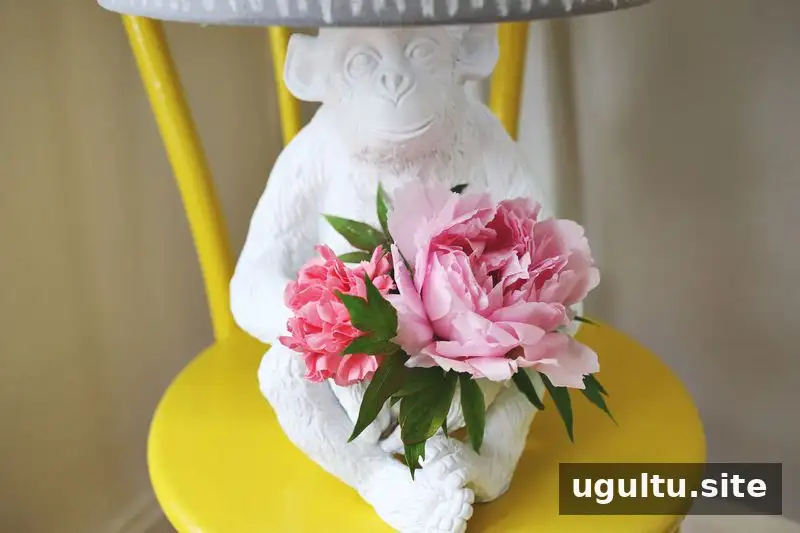
The monkey base was left white, with flowers added for a little color. The lamp’s decorative figure can also serve as a small vase, so the display can be changed to suit different seasons or themes. Air plants were considered as another option, though they were not part of the finished styling shown here.
For a balanced arrangement, choose a small number of stems and keep them clear of the bulb and electrical parts. If you change the flowers or other decorations, make sure nothing interferes with the lamp’s stability or safe use.
Lighting and Safety Tips
The scribble marks are much less visible when the lamp is switched on, giving the shade a different appearance in daylight and in a dim room. The exact effect will depend on the shade material, the room’s lighting, and the bulb being used.
- Follow the lamp and shade manufacturer’s guidance for bulb type and maximum wattage.
- Keep decorations and any added material away from the bulb, and never let the shade touch it.
- Use the lamp only when all parts are dry and securely fitted.
- If the shade becomes warm, unplug the lamp and allow it to cool before handling it.
Final Thoughts
This lampshade makeover shows how a few rows of white oil-pastel marks can create a relaxed pattern, while flowers add an easy-to-change accent. Test materials first and follow the lamp’s safety instructions so the finished design remains practical as well as decorative.
Elsie


