
 admin
A used book collection can bring character, inspiration, and affordable reading material into your home. Whether you enjoy browsing old editions, building a home library, or searching for books on a favorite subject, a thoughtful approach can help you find books you’ll value and make the most of your shelves.
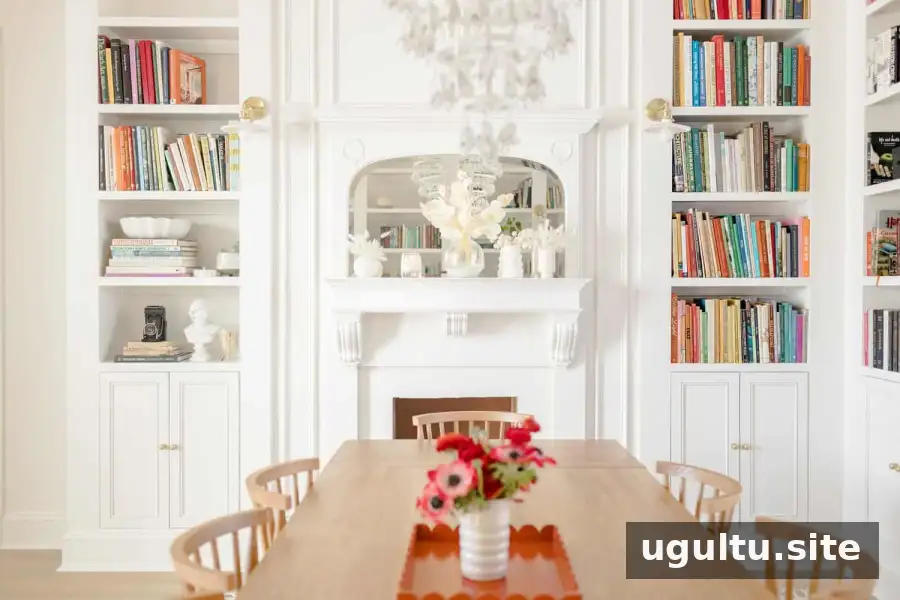
Why Build a Used Book Collection?
Used books can cost very little, with some available for as little as 25 cents, and choosing secondhand copies gives books another life. Older books also have a distinctive sense of history: a handwritten name, a note in the margins, or an old library card can offer a small glimpse into another reader’s experience.
A collection can also grow naturally around the things that interest you. Gardening, rocks and minerals, dream interpretation, baby names, decorating, crafts, and other subjects can all make a personal library feel meaningful. Books can serve as reading material, references, or sources of ideas for creative projects.
Try choosing books that genuinely interest you rather than buying only to fill a shelf. If appearance matters too, you can organize books by color or size while keeping titles and subjects easy to find.
Where to Find Used Books
Large used bookstores are useful when you want to browse a broad selection in one place. Thrift shops and flea markets may also have book sections, so it can be worth checking them during a visit. Estate sales are another option, particularly if you’re looking for books on a specific topic: collections from one home may include several related titles.
Online marketplaces can make it easier to search for particular books or find several titles from a series. Before buying, compare the total cost, including shipping, and review the seller’s description of the book’s condition. For in-person browsing, set a budget in advance to help keep an enjoyable hunt from turning into an unplanned haul.
Do You Need to Read Every Book?
A home library does not have to be a checklist of books you have already finished. Some books are useful for reference, while others may inspire you or spark an interest later. Having books readily available can make reading more convenient, but there is no need to pressure yourself—or children—to read every title.
For a children’s library, keep books accessible and let young readers explore at their own pace. A mix of stories and subjects can help them discover what they enjoy. Nonfiction books related to hobbies, such as painting, ceramics, crafts, interior design, or cooking, can also be useful to revisit over time.
Collect Books by Subject
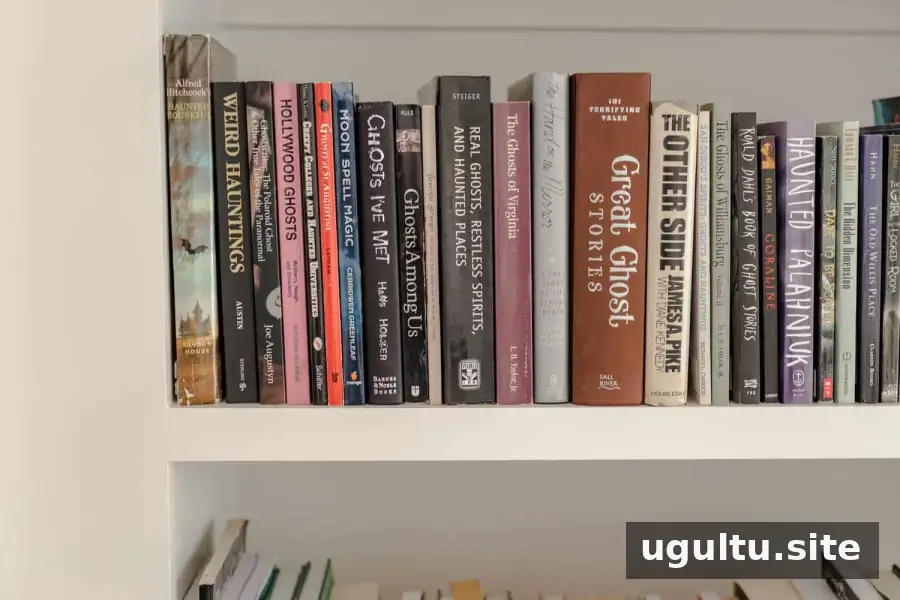
Choose a subject that reflects your interests and let the collection develop gradually. A focused collection can be as broad as gardening or as specific as books about ghosts and supernatural subjects. Other possible themes include witches, vampires, tarot, dream interpretation, and aura reading.
Some titles from a ghost-themed collection include Weird Hauntings, Hollywood Ghosts, Ghosts I’ve Met, Coraline, and The Hidden Dimension. Keeping a short list of titles you’re looking for can help you recognize useful finds while browsing.
Tips for Collecting a Book Series
If you want to assemble a complete series quickly, look for a set sold together. Buying individual books over time can be more flexible, but it helps to keep a checklist on your phone or in your bag. Mark off each title as you find it so you’re less likely to buy duplicates.
Check the edition, format, and condition when matching a set. Hardbacks and paperbacks may look different on a shelf, and dust jackets can affect the appearance of a collection. Popular children’s series to collect include Harry Potter, Nancy Drew, Goosebumps, American Girls, and A Series of Unfortunate Events.
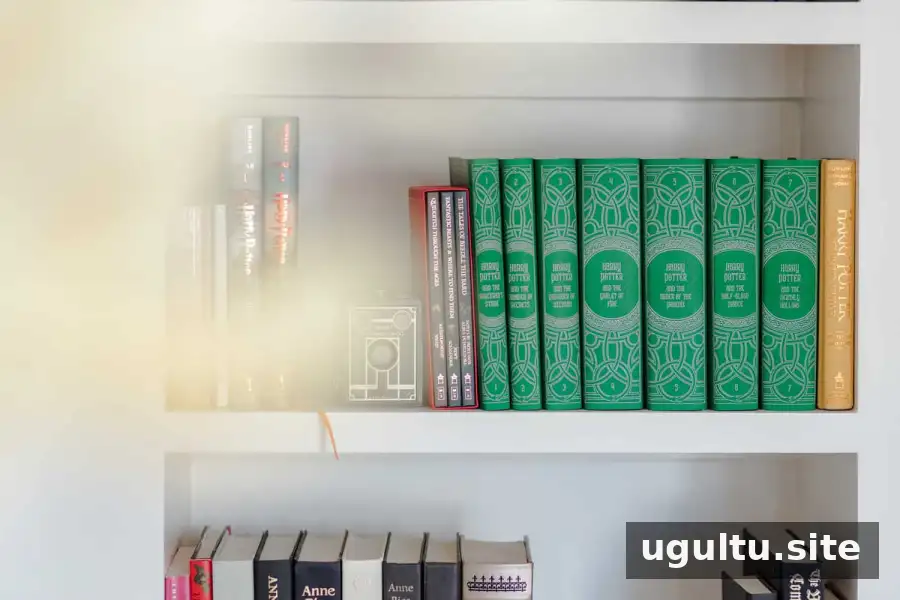
This Harry Potter set was collected in hardback over the course of a year. Matching dust covers were used to give the books a coordinated appearance. When building a similar set, check that covers are the right size for each edition before buying them.
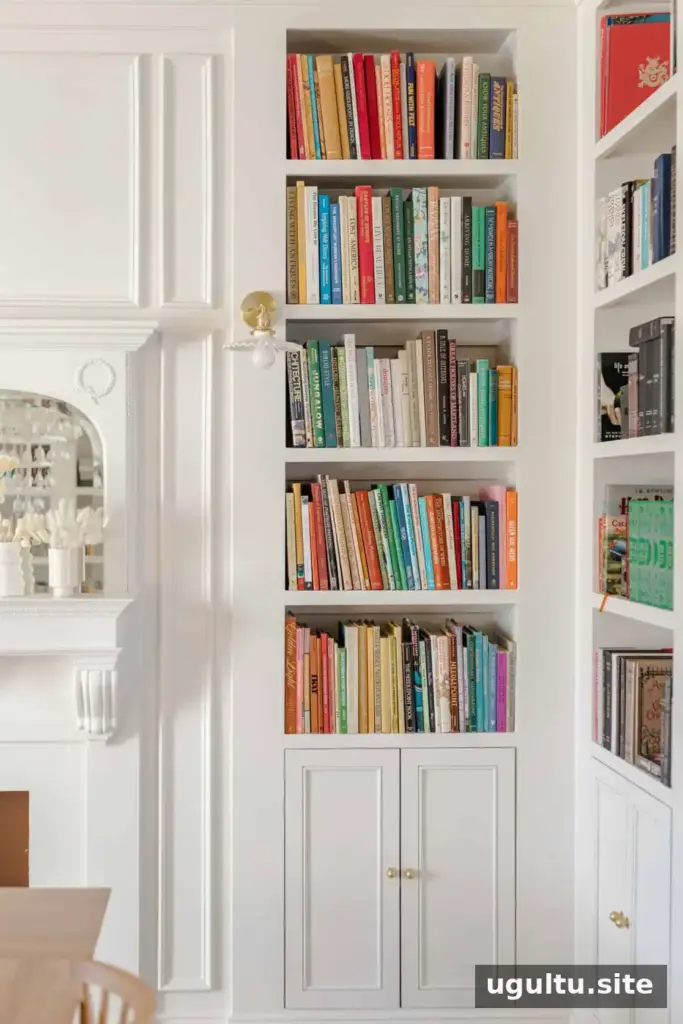
Make Your Used Book Collection Personal
A rewarding used book collection doesn’t need to be completed all at once. Browse with a subject or short list in mind, check the condition and price, and leave room for unexpected discoveries. Over time, your shelves can become both a practical resource and a reflection of the topics you enjoy.
Start with books that interest you, whether they’re for reading, reference, or inspiration. A well-chosen used book collection can grow at your own pace and make books a welcoming part of everyday life.
— Elsie


