
 admin
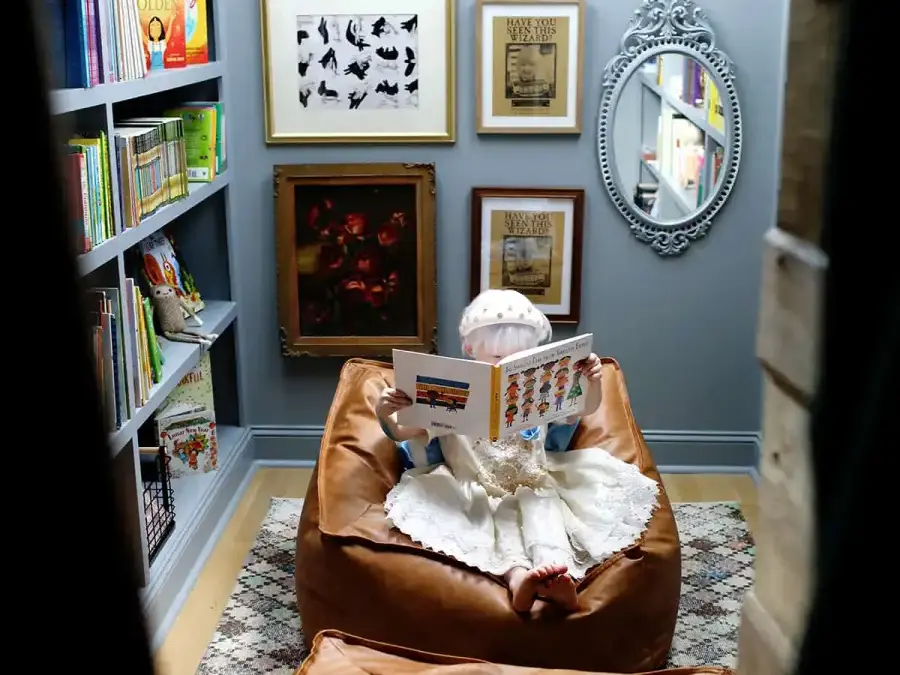
A hidden children’s library can turn an unused nook into a welcoming place for reading and play. In this home, a small, walk-in-closet-sized space appeared after a two-story entryway was converted into a single-story area. Rather than leave the awkward room unused, the homeowners created a secret reading space with a wardrobe entrance inspired by Narnia.
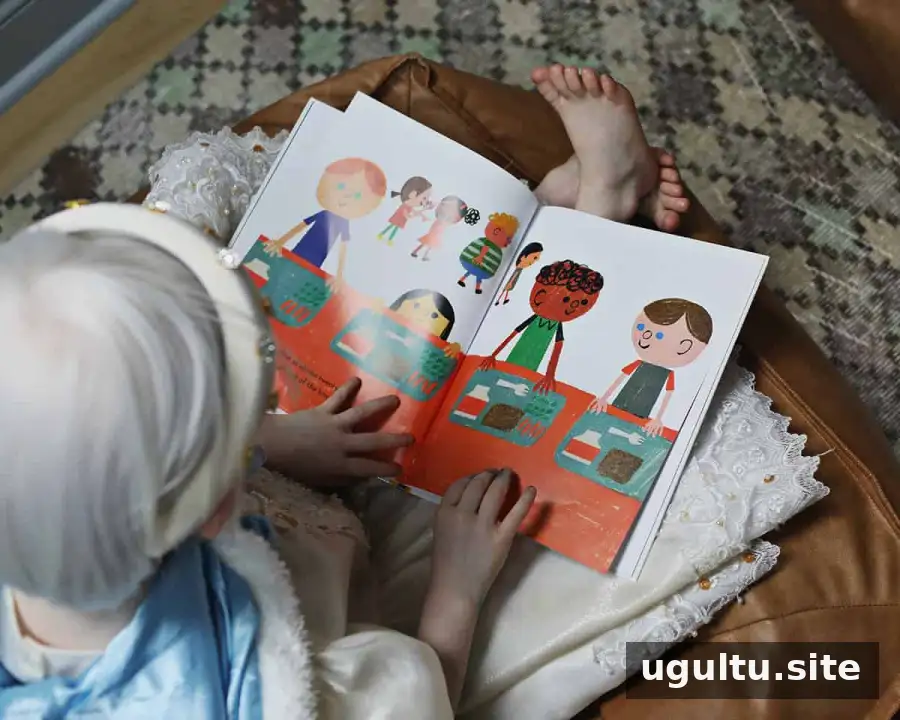
The room has become a distinctive feature of the home, and its biggest benefit has been encouraging two children, ages 7 and 4, to spend more time with books. Here’s how the space was arranged and what to consider when creating a similar reading nook.
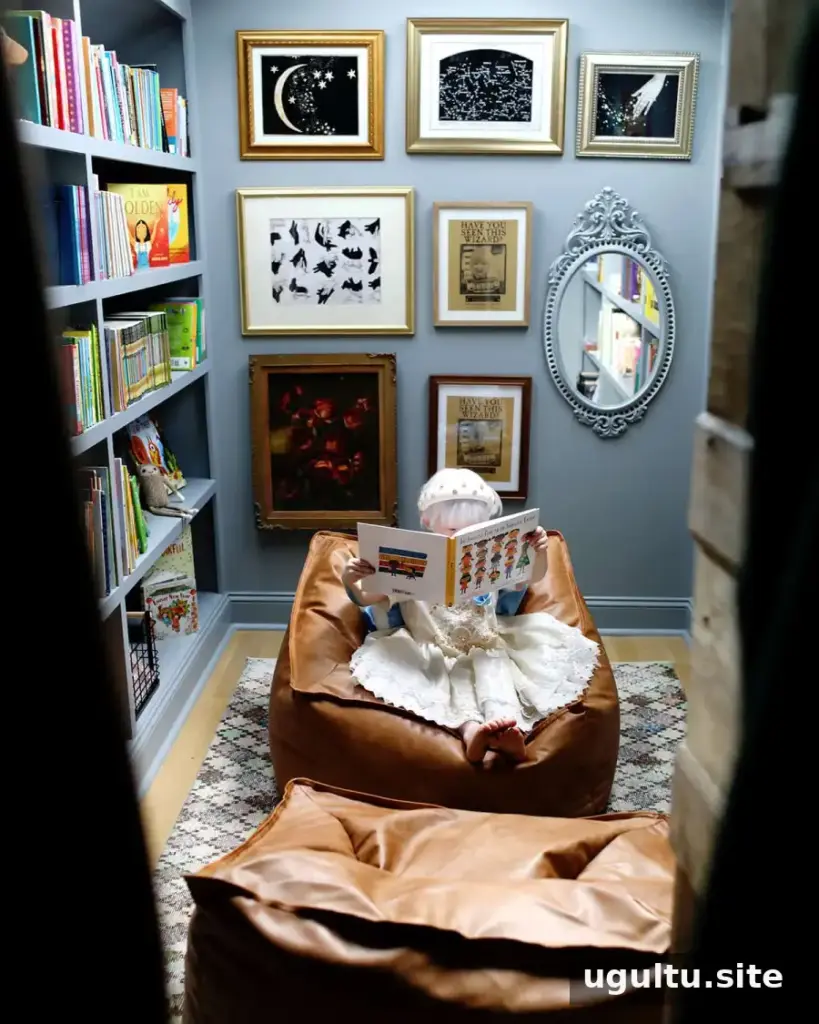
How the hidden children’s library was created
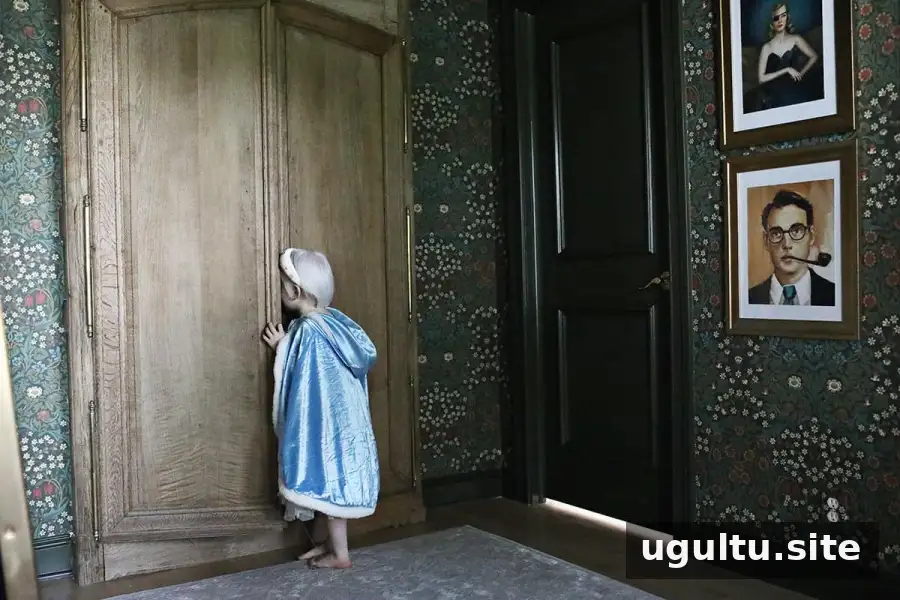
After the ceiling was added above the entryway, the remaining space connected to a landing at the top of the stairs. An antique armoire was fitted into the wall, and the surrounding drywall was patched to make it appear built in. A doorway was then cut into the back of the armoire to provide access to the small room.
The concealed door is 5 feet tall. Children can enter comfortably, while adults need to duck. Before planning a similar feature, measure the route into the room and think about who will use it. Keep the entrance easy to open from both sides, and consult a qualified professional about structural changes and safe access.
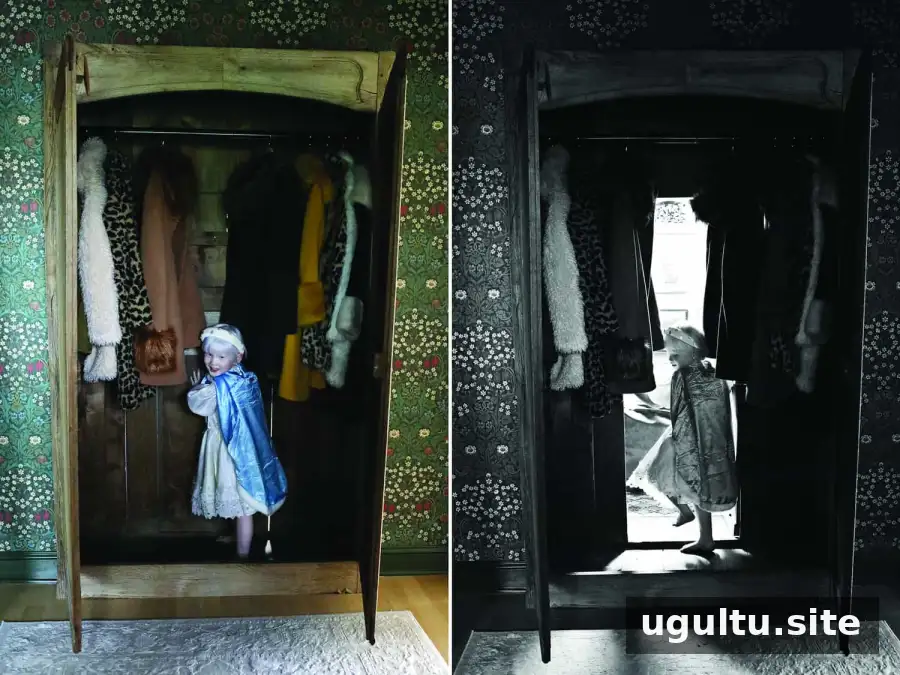
The hidden room is used for both reading and play. Its entrance looks like an ordinary armoire when closed, so guests may not realize there is a room behind it until the concealed door is opened.
Make the landing feel connected to the library
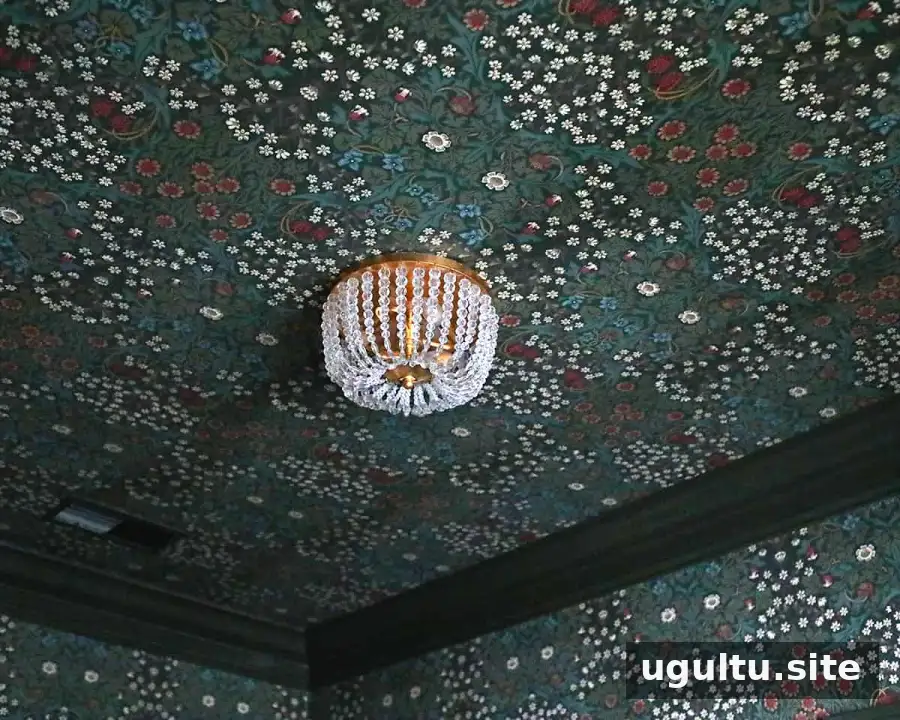
The armoire sits on a small landing at the top of the stairs. From there, doors lead to the stairway, the main bedroom, and a hallway with additional bedrooms. Wallpaper on the walls and ceiling gives this transition space a more finished, dramatic look.
A dark green paint color was custom matched to the deepest shade in the wallpaper and used on the doors and trim. Carrying a color from a patterned wall covering onto nearby woodwork can help the details feel coordinated. For a similar project, test paint samples in the actual lighting before choosing a final shade.
Wallpaper on the ceiling adds visual interest and can make a small area feel more intimate. It may also make the space feel more enclosed, so consider the room’s natural light and the scale of the pattern before committing.
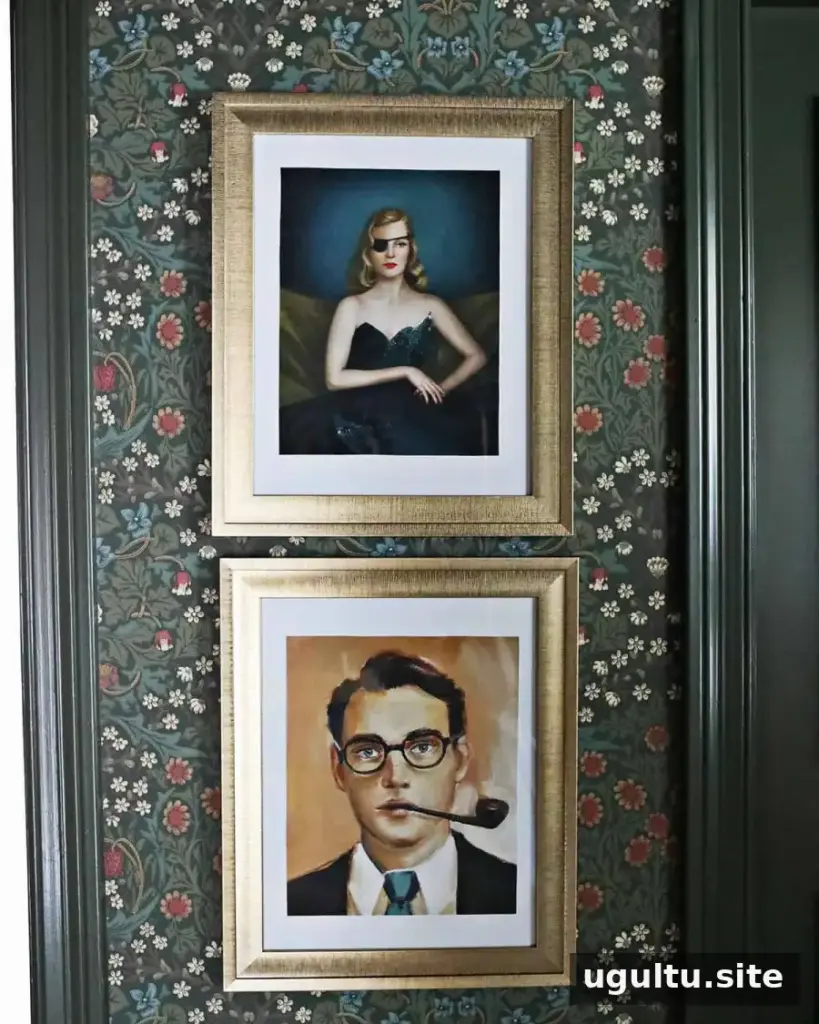
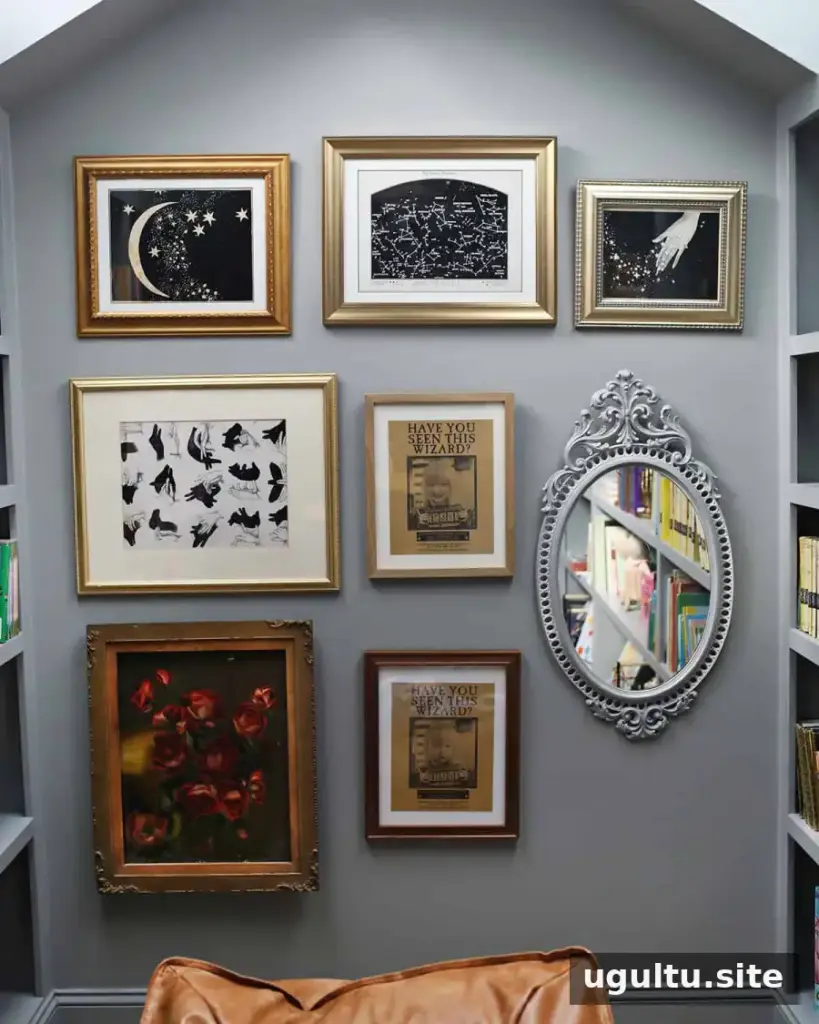
Art credits include the Augustine Evans and William Cleary art prints, both by Janet Hill. Other pieces include Star Chart Art, Harry Potter Custom Art, Handful of Stars Print, Moon and Stars Print, and Shadow Puppets Print. The rose painting and mirror are vintage finds.
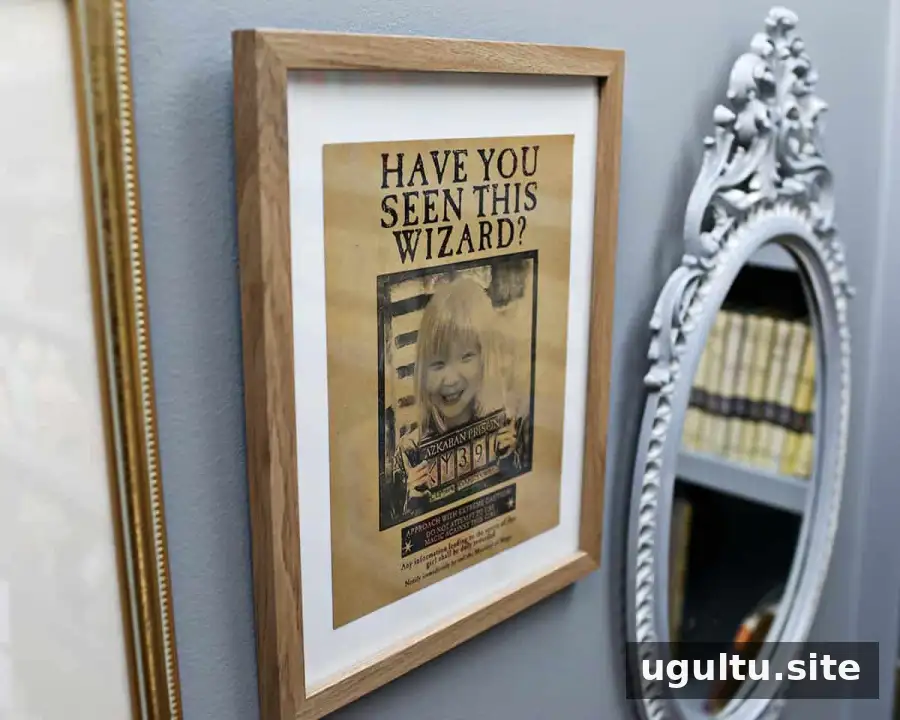
Personalized wizard-themed prints add a playful detail for the children. When decorating a compact room, a few distinctive pieces can give it character without taking up valuable floor or shelf space.
Choose books that invite children to read
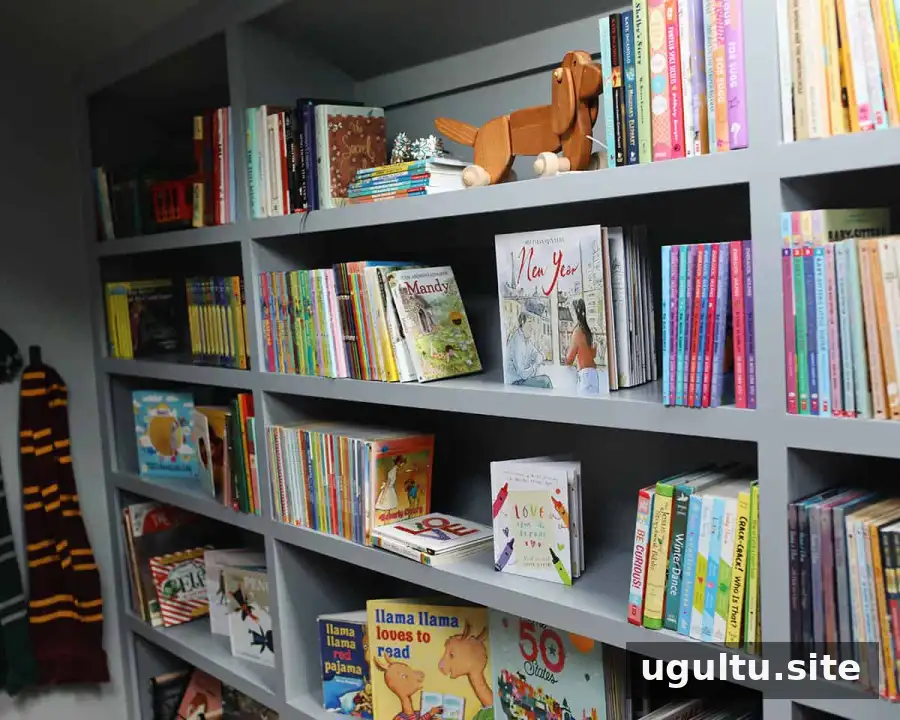
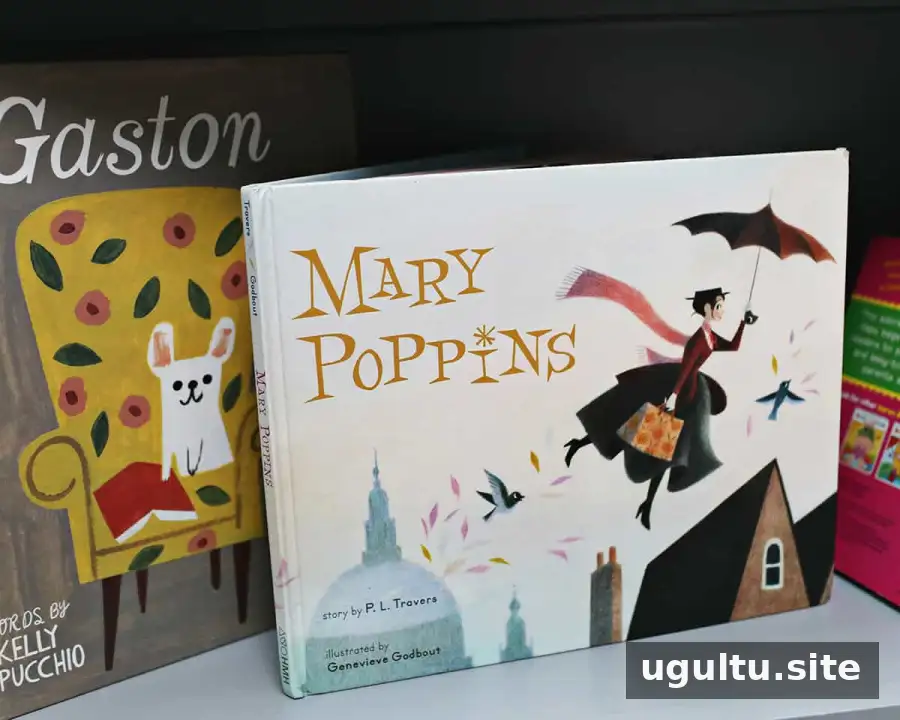
Hundreds of used books were collected locally for the library. For new additions, the focus was on series for early readers, including books suited to a child learning to read. A mix of familiar favorites and recommendations from friends helped create a collection with options for different interests and reading levels.
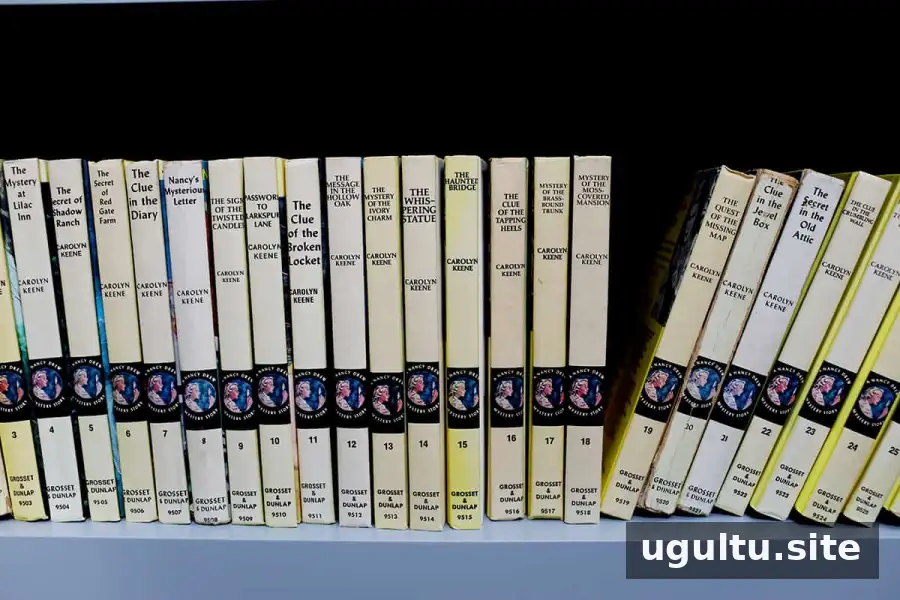
The 7-year-old enjoys the Elephant and Piggie series, which she can read independently, as well as The Magic Treehouse and the Ramona series. The collection also includes vintage Nancy Drew books, with a complete set of Goosebumps books still being assembled.
When building a home library, keep books within children’s reach and arrange them in a way that makes browsing simple. A mix of independent-reader books and read-aloud options can help the collection remain useful as children’s skills and interests change.

Creating a cozy reading nook at home
This project shows how an unusual leftover space can become a practical, memorable feature. A concealed wardrobe entrance adds a sense of discovery, while thoughtful lighting, comfortable access, child-friendly books, and coordinated décor make the room inviting for everyday use.
A hidden children’s library does not need a large footprint to encourage reading. Start by identifying an underused area, check that it can be accessed safely, and shape the shelves and book selection around the readers who will use it.


