
 admin
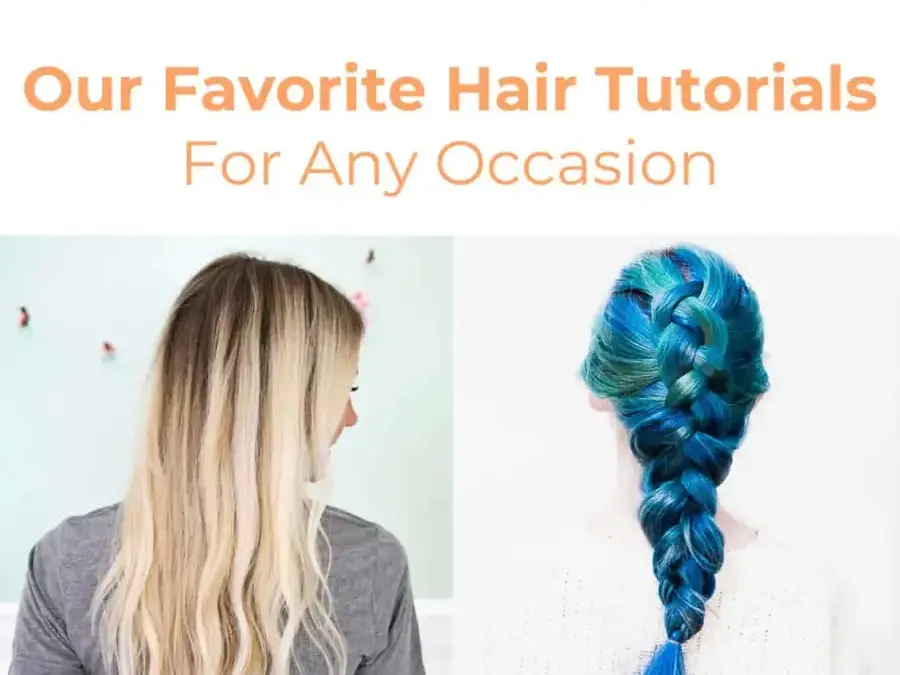
Easy hair tutorials can make it simpler to find a style for busy mornings, warm-weather days, weddings, and other special occasions. This collection brings together more than 30 ideas, from relaxed buns and braids to natural-hair styles and handmade accessories. Choose a look that suits your hair length and texture, and keep a few bobby pins and a gentle hair tie nearby for quick adjustments.
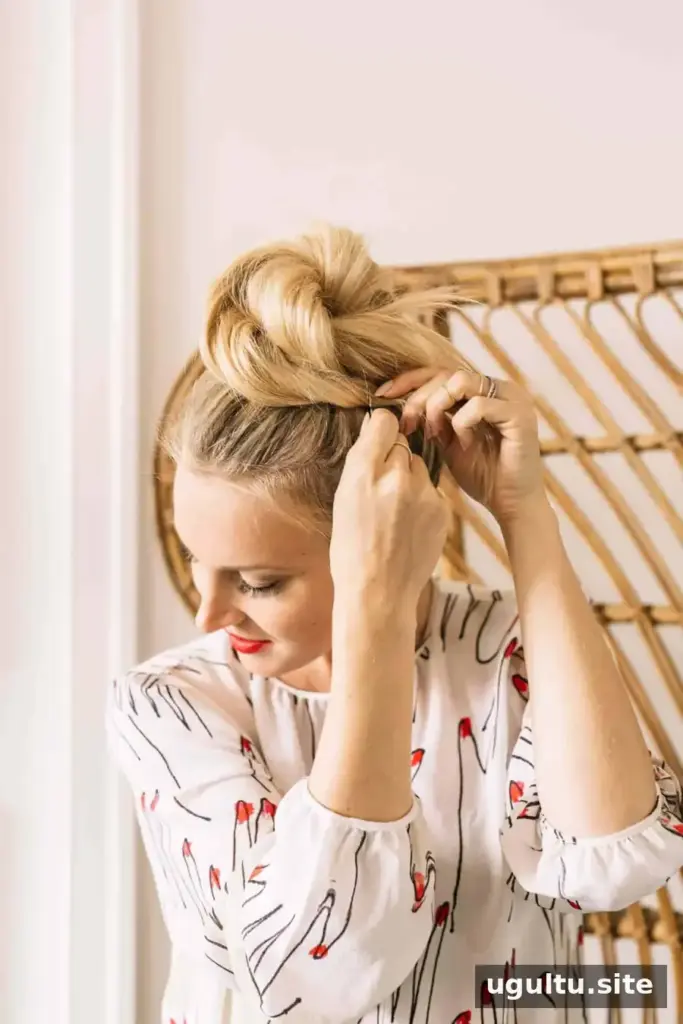
A textured messy bun is a useful everyday option when you want a relaxed finish without spending much time styling. For extra volume, work gently at the roots with a teasing brush and avoid pulling tightly, which can put unnecessary tension on your hair.
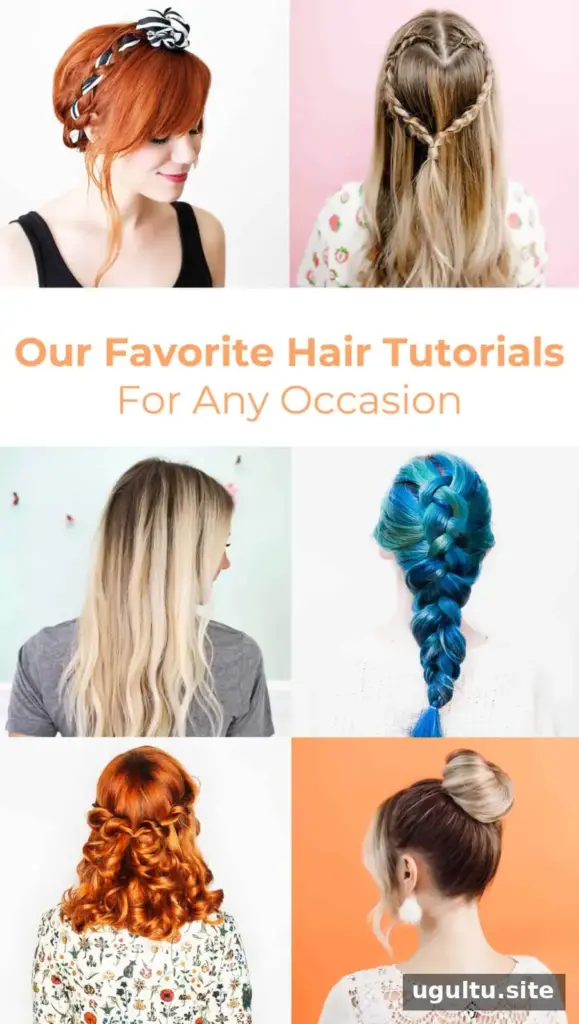
The ideas in this guide include:
- Braids and braided updos
- Buns and topknots
- Styles for natural hair
- Wedding and special-occasion looks
- Haircare tips and accessory projects
Easy hair tutorials for buns and braids
Laura’s messy bun tutorial adds texture and volume for a casual, undone look. If you use a teasing brush, start with small sections and smooth the top layer afterward for a more polished finish.
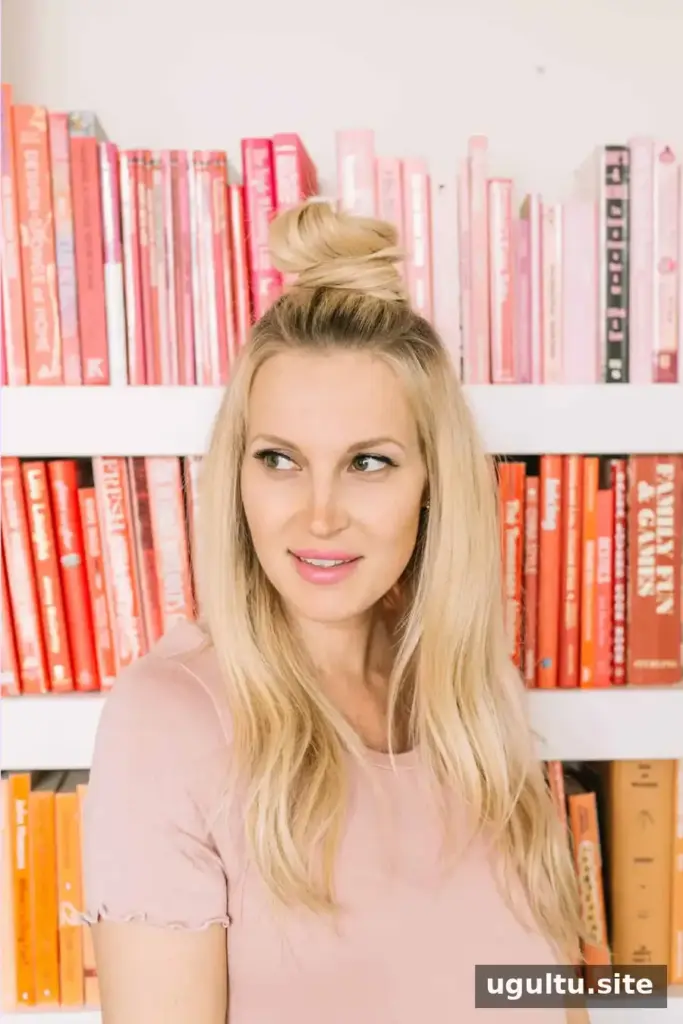
For a half-up, half-down variation, try a tousled topknot. It keeps some hair away from the face while leaving the rest loose, making it a versatile choice for everyday wear.
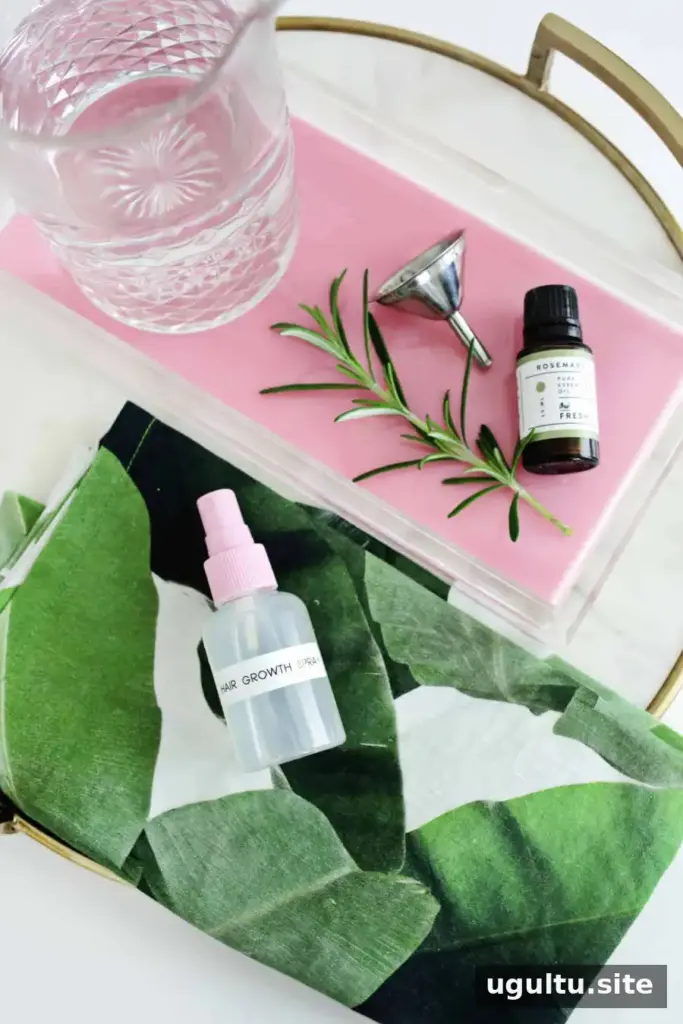
A hair growth spray made with three natural ingredients is also featured in the collection. Keep in mind that a DIY product is not a proven treatment for hair loss or growth, and test any new ingredients on a small area of skin first.
This faux fishtail braid offers the look of a more intricate braid with a simpler approach. Loosen the finished sections slightly with your fingertips for a softer, fuller effect.
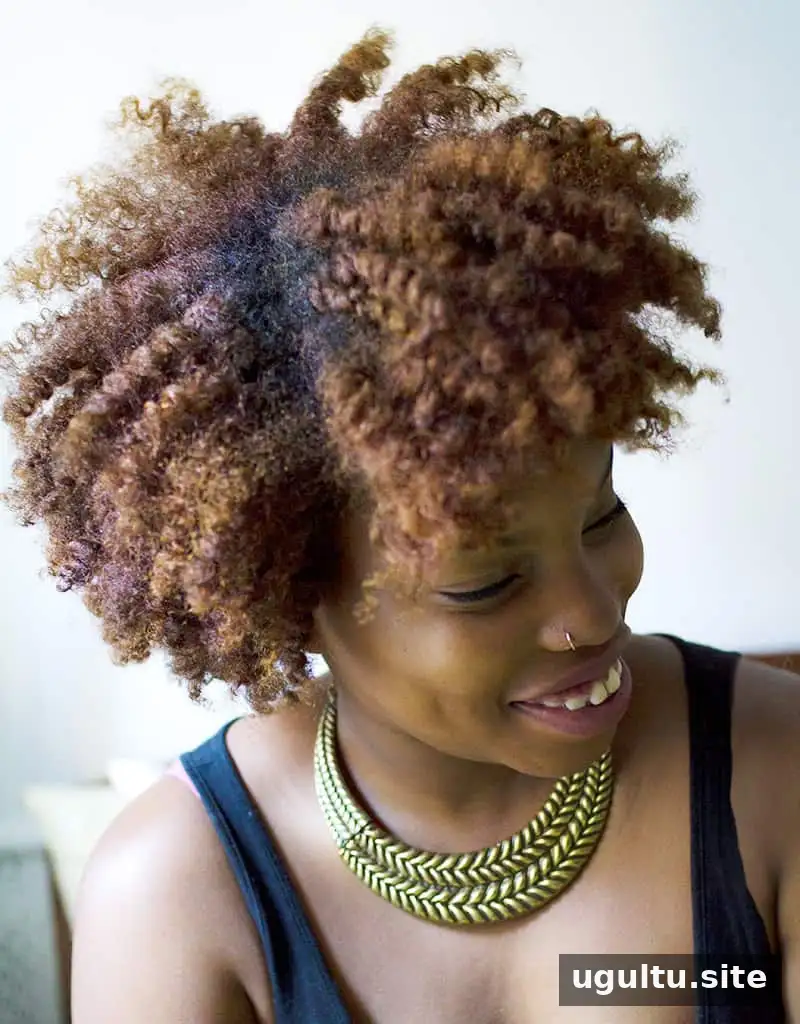
For natural hair, LaTonya shares two-strand twists and tips for creating a fuller-looking afro. Work with moisturized hair and handle it gently to help reduce breakage while styling.
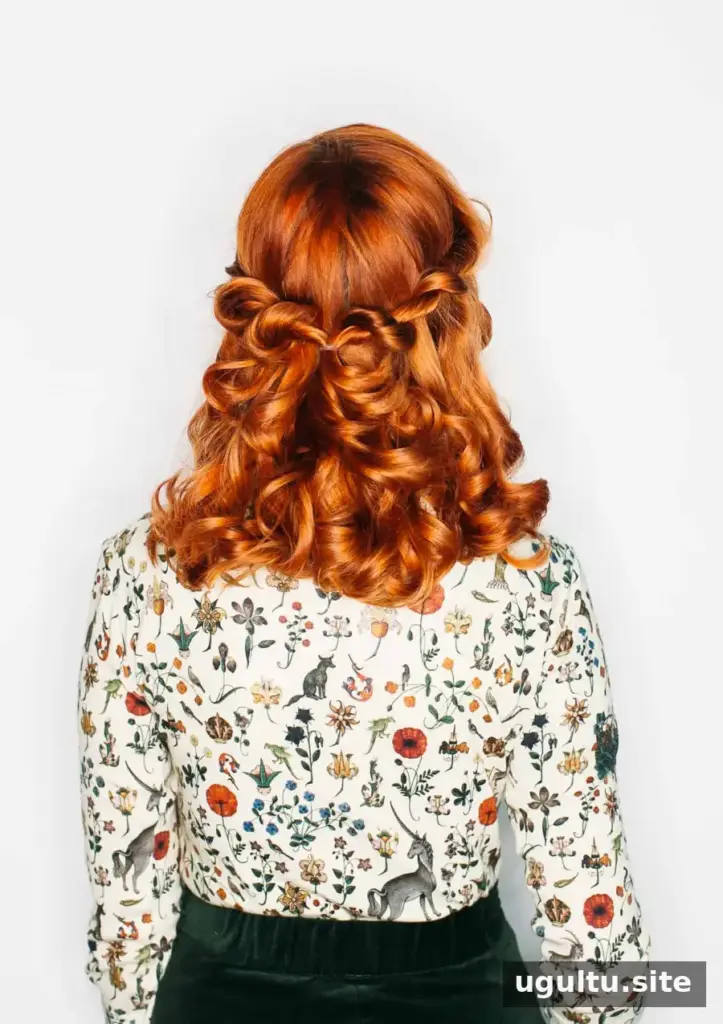
Rebecca’s half-up twist pulls the front sections away from the face, which can feel comfortable on hot days. Secure the twist with pins that match your hair color for a discreet finish.
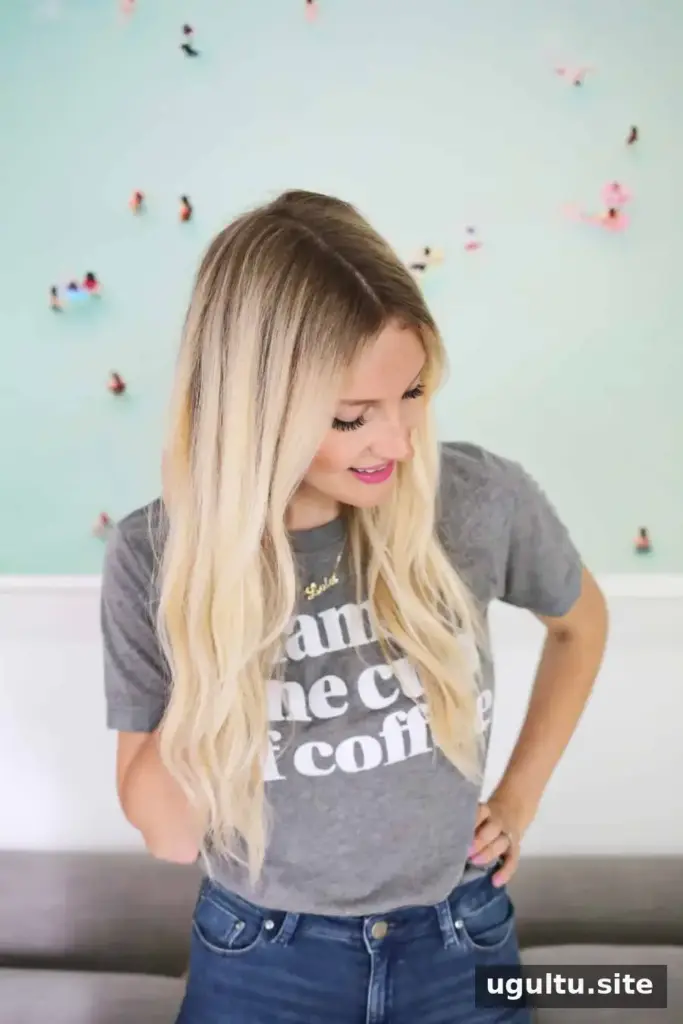
Loose waves can be created without a curling iron, as shown in Laura’s tutorial. Limiting heat styling can help reduce heat-related damage; when using hot tools, follow the tool’s instructions and avoid applying heat to damp hair.
A flower braid may look complicated, but the tutorial breaks the style into manageable steps. A triple flower braid is another option when you want a more decorative look.
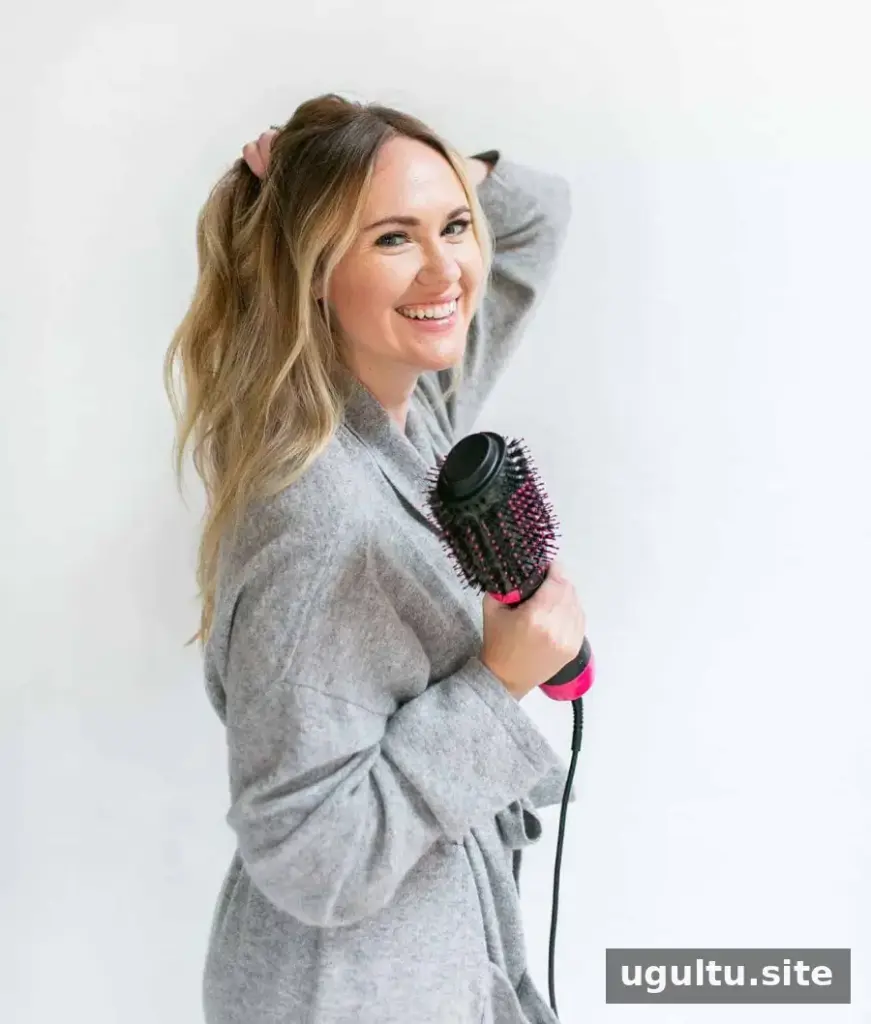
Emma shares a hot air brush routine for drying and straightening fine hair. Use a heat-protectant product if appropriate for your routine, and avoid holding hot air in one spot for too long.
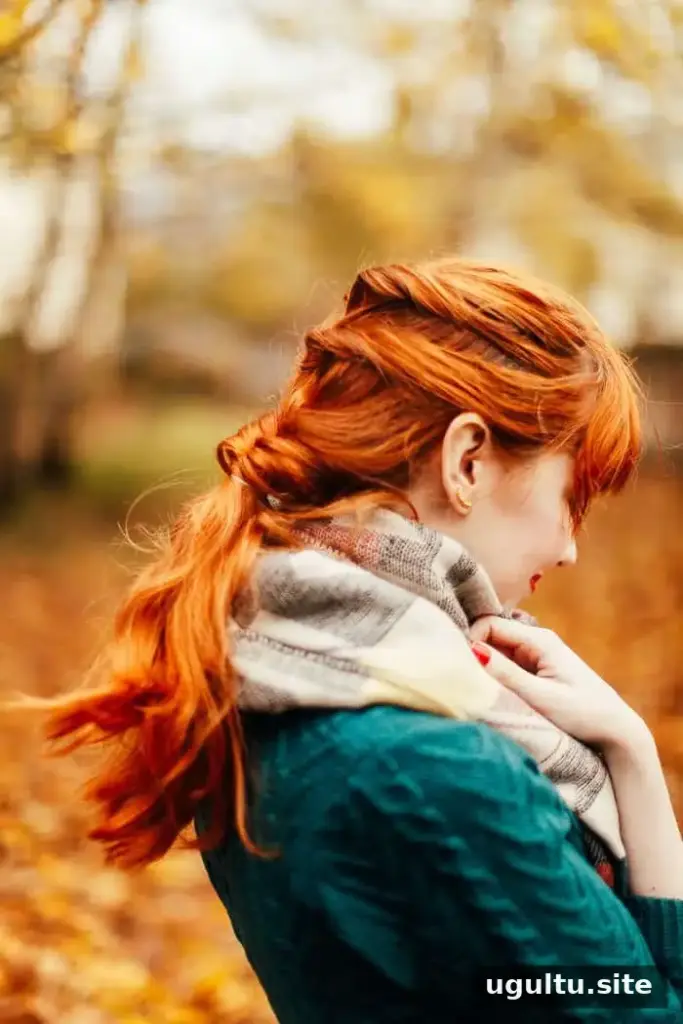
The triple twist ponytail has a refined appearance while remaining suitable for everyday outfits. A smooth ponytail base can help the twists stand out.
Emma’s fishtail knot braid is a relaxed choice for warmer weather. Classic milkmaid braids are another option when you want to keep longer hair neatly secured.
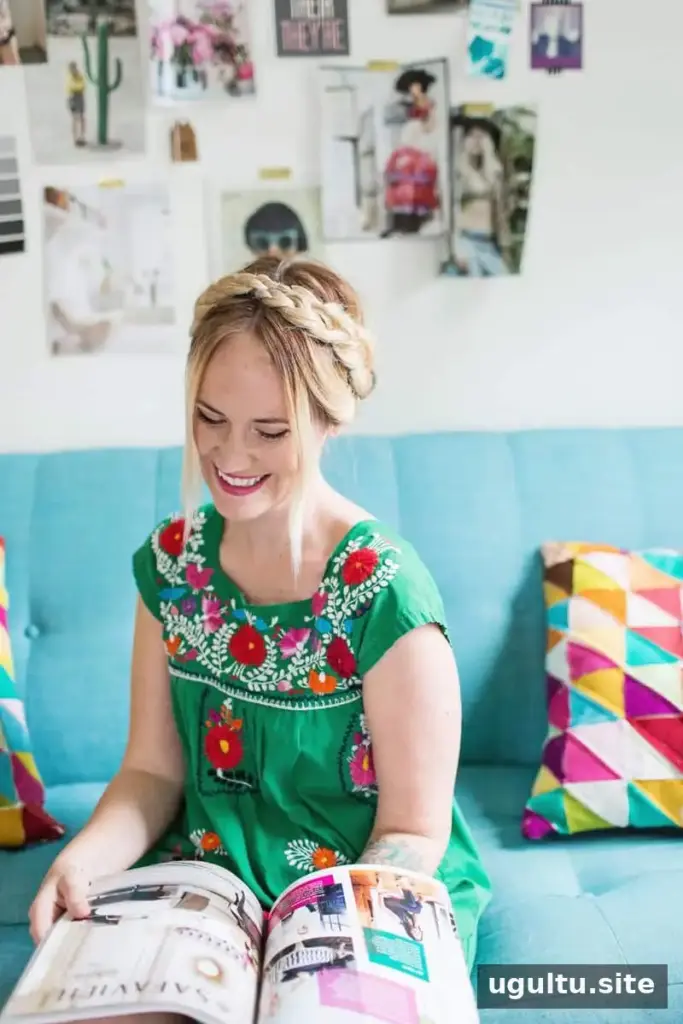
Milkmaid braids can be pinned in place with small, secure clips. Check that the pins are comfortable and do not pull at the scalp.
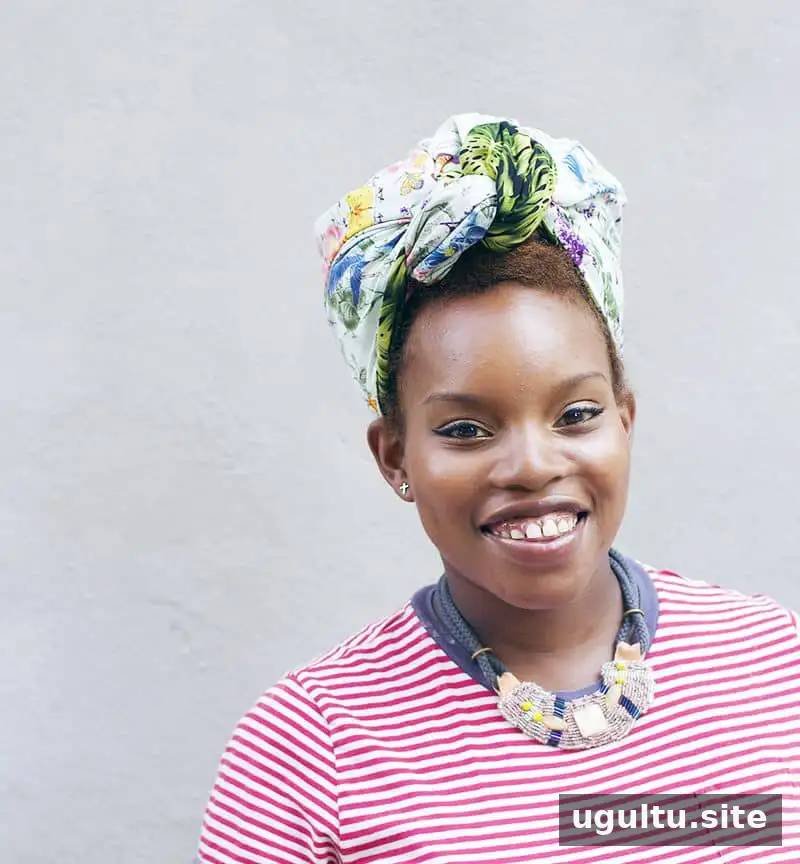
Easy hair tutorials with accessories and updos
A double-sided head wrap can be made with patterned fabric, offering a way to coordinate an accessory with an outfit. Choose a fabric that feels comfortable against your skin and secure it without tying too tightly.
Katie’s maiden braids incorporate fabric into the hairstyle for a distinctive detail. Lightweight fabric is generally easier to braid and more comfortable to wear.
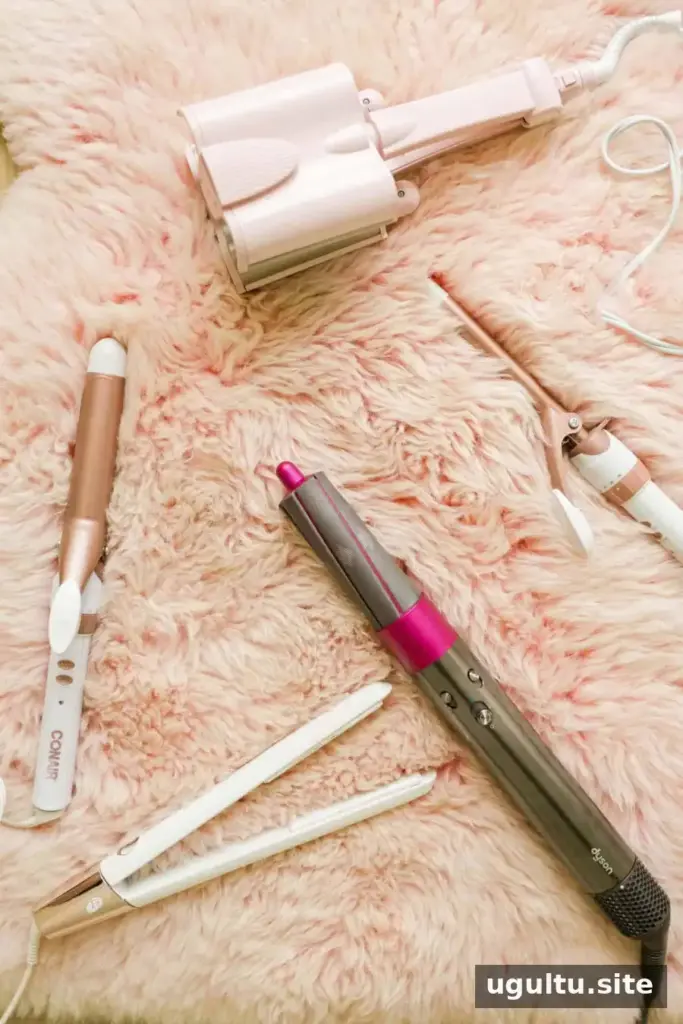
A collection of hair-tool reviews covers a range of styling tools, including air stylers and curling irons. Before choosing a tool, consider your hair type, the settings available, and how often you plan to use it.
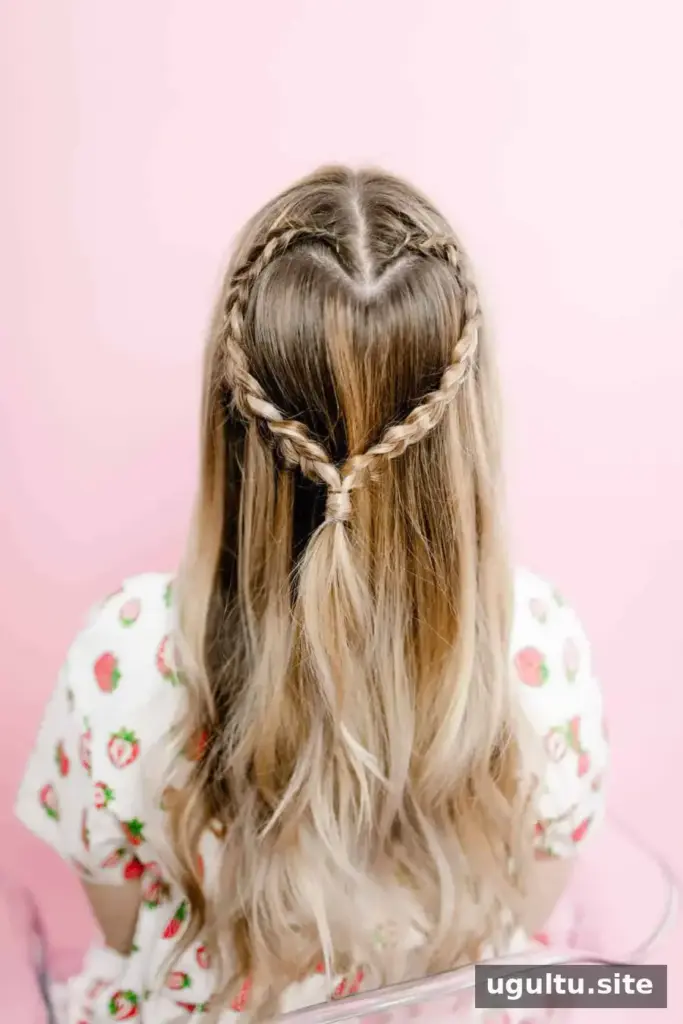
A heart-shaped braid adds a playful detail for celebrations or themed occasions. Take time to section the hair evenly so the shape looks balanced.
This everyday French twist is a quick updo, and the tutorial notes that it can work especially well on unwashed hair. If your hair feels slippery, a small amount of texturizing product may help it stay in place.
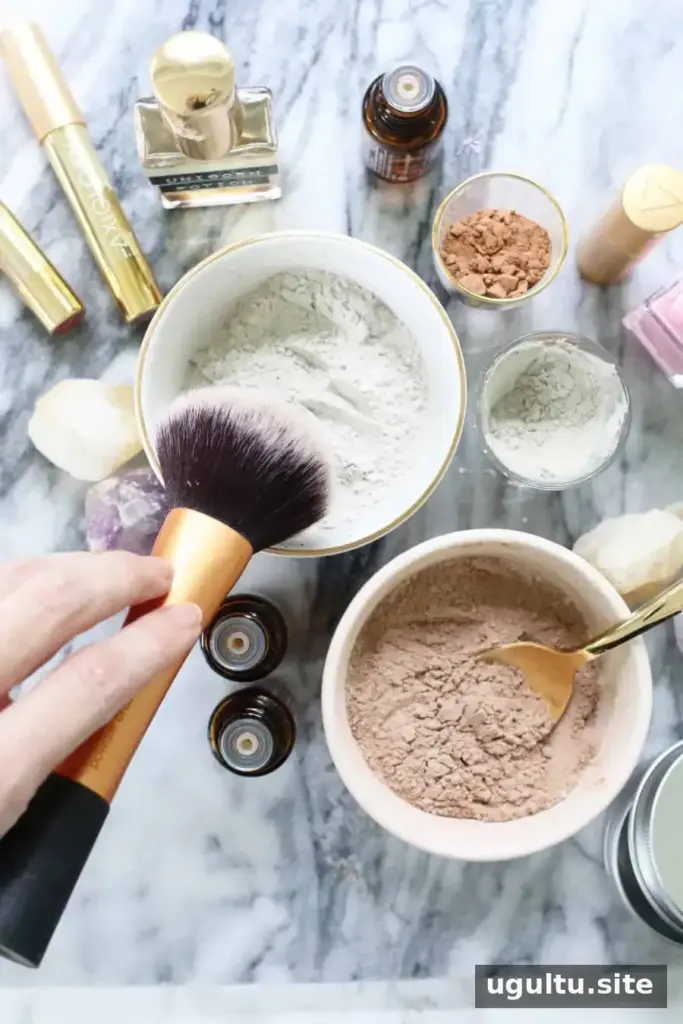
Dry shampoo is another option for refreshing hair between washes. Follow the product directions and avoid applying more than needed, since buildup can make the scalp feel uncomfortable.
A Dutch braid sits above the surrounding hair, which can make the braid appear more pronounced and fuller. Keep the sections even, especially if your hair is fine.
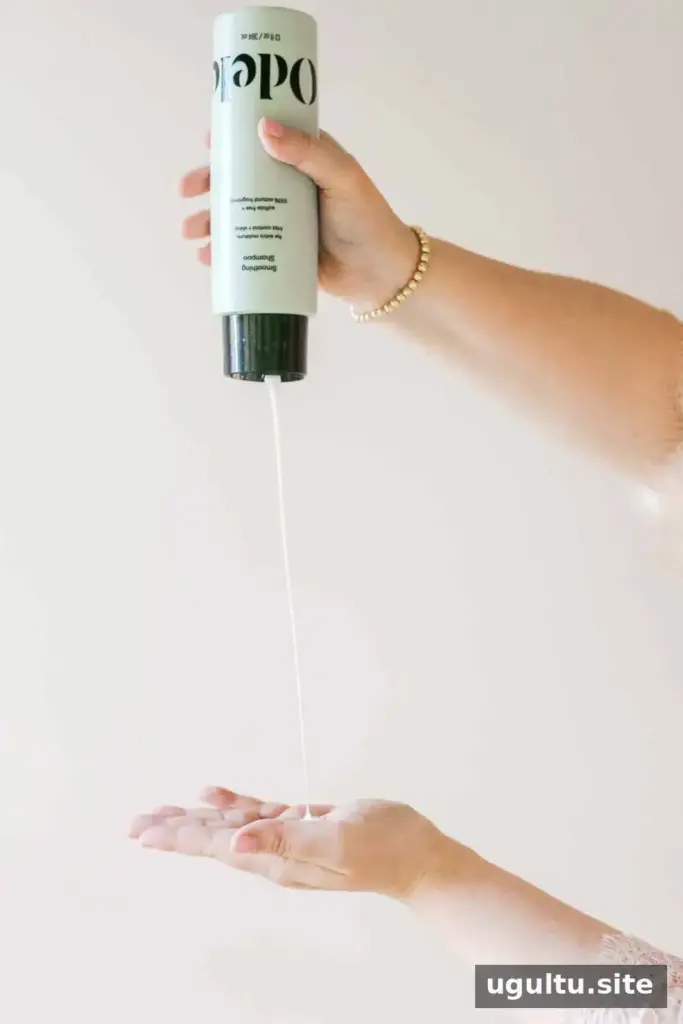
Good shampooing habits can make wash day more comfortable. Concentrate shampoo on the scalp, use your fingertips rather than your nails, and rinse thoroughly.
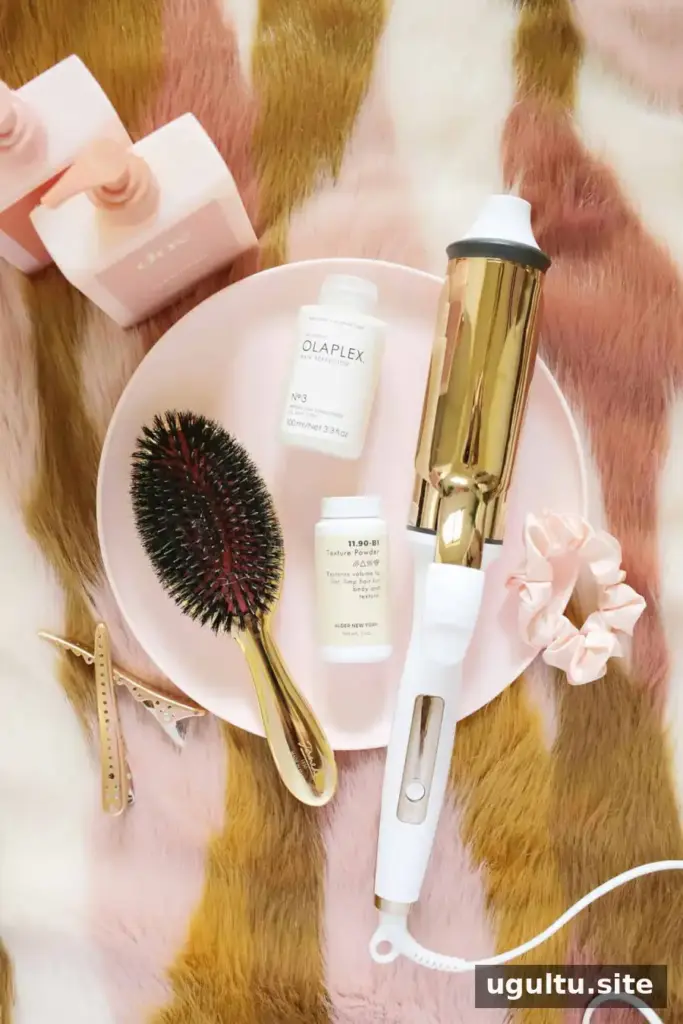
The guide also includes haircare products and tools from clean-focused ranges. Check ingredient labels and choose products based on your own hair and scalp needs rather than relying on a label alone.
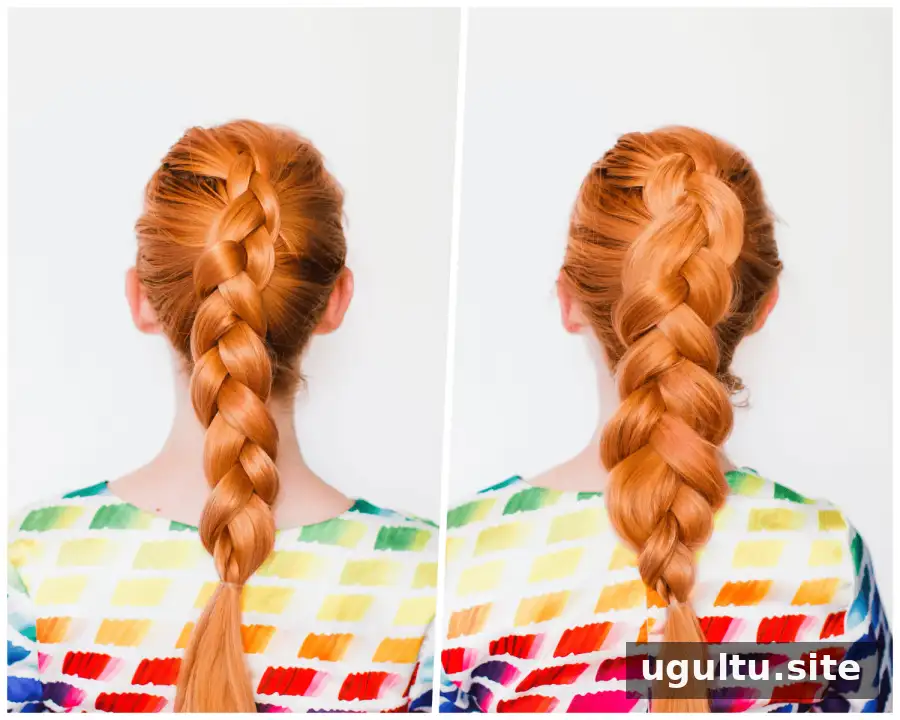
If a braid looks narrow, the tutorial shows how styling powder can add the appearance of more volume. Use a small amount first and follow the product instructions to avoid residue.
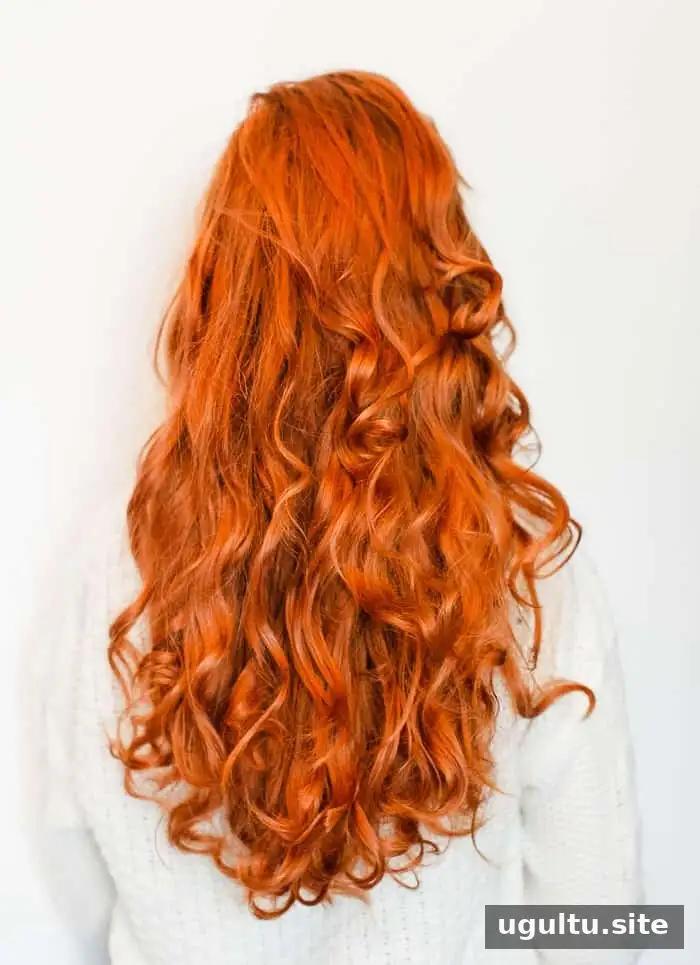
For overnight curls without a curling iron, a headband and bobby pins can help shape damp hair. Hair should be damp rather than soaking wet, and the style should feel loose enough to sleep comfortably.
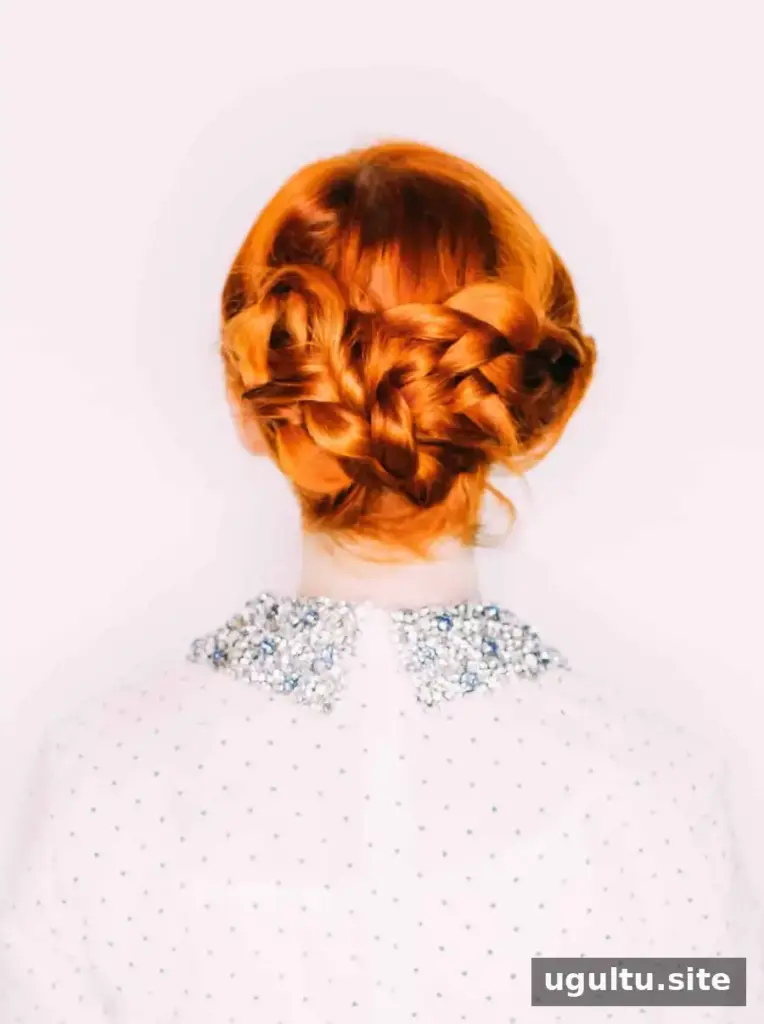
A triple-braid updo is an option for weddings, New Year’s celebrations, and other special events. Practice the braid beforehand if you need the style to hold for several hours.
Laura also discusses postpartum baby hairs, sometimes called baby bangs. Gentle styling and patience can help manage short regrowth without pulling it tightly back.
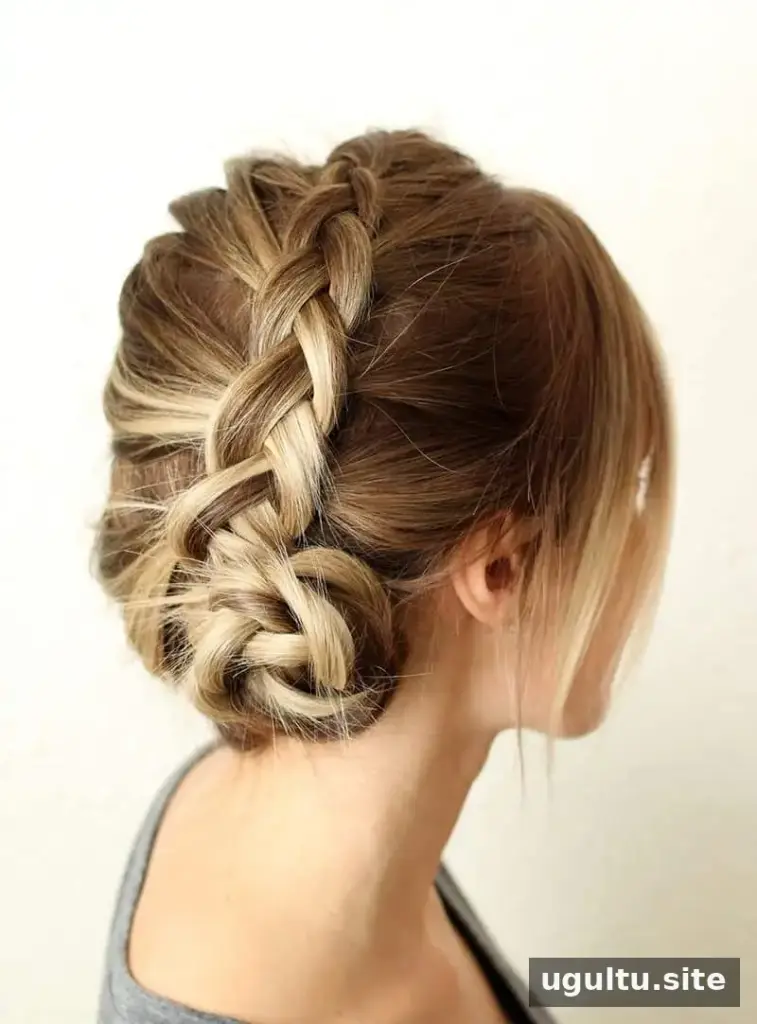
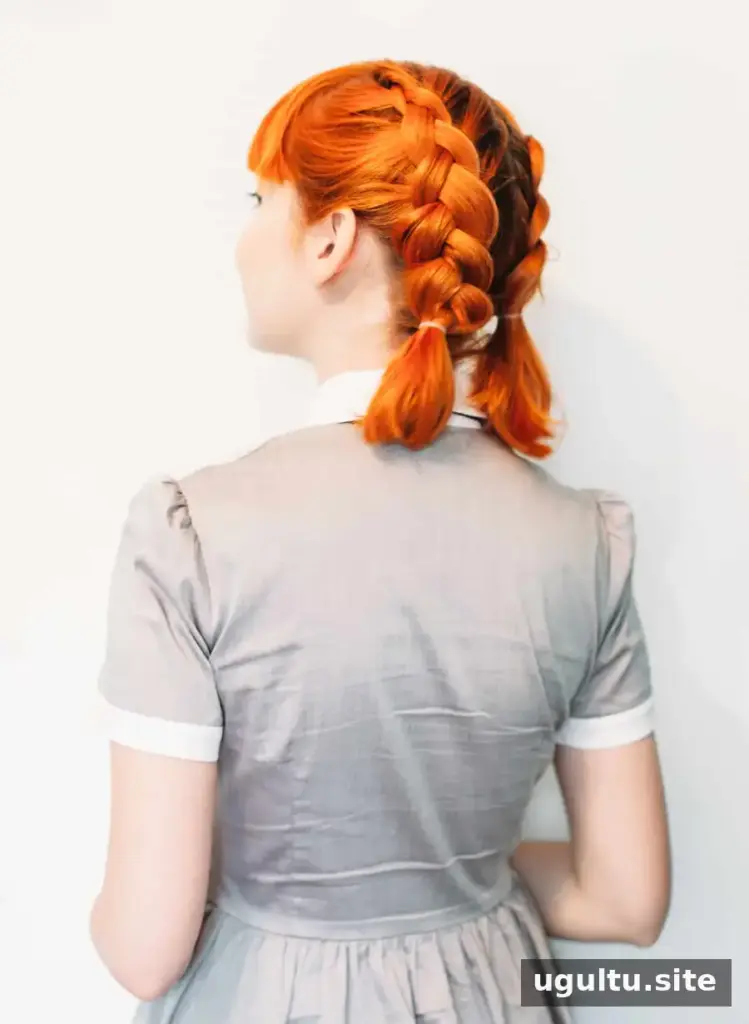
A Dutch braid can be adapted for an everyday look by loosening it slightly or leaving a few face-framing strands loose. For shorter hair, a pigtail version offers a practical alternative.
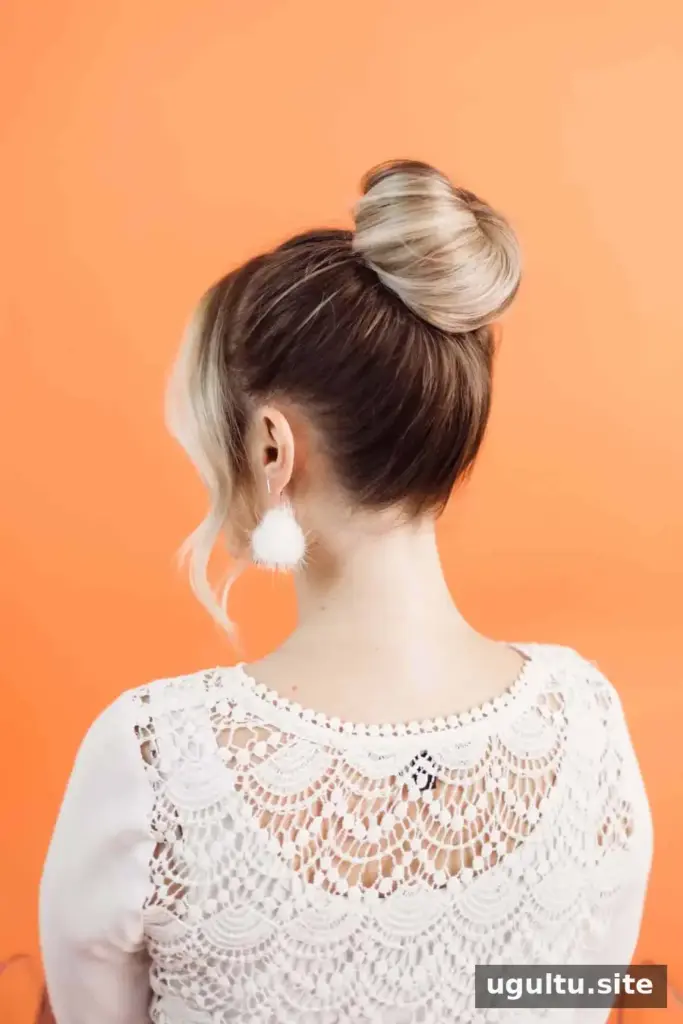
A donut bun maker can help create a smooth bun on different hair types, including fine or thin hair. Secure the ends carefully so they do not slip out during the day.
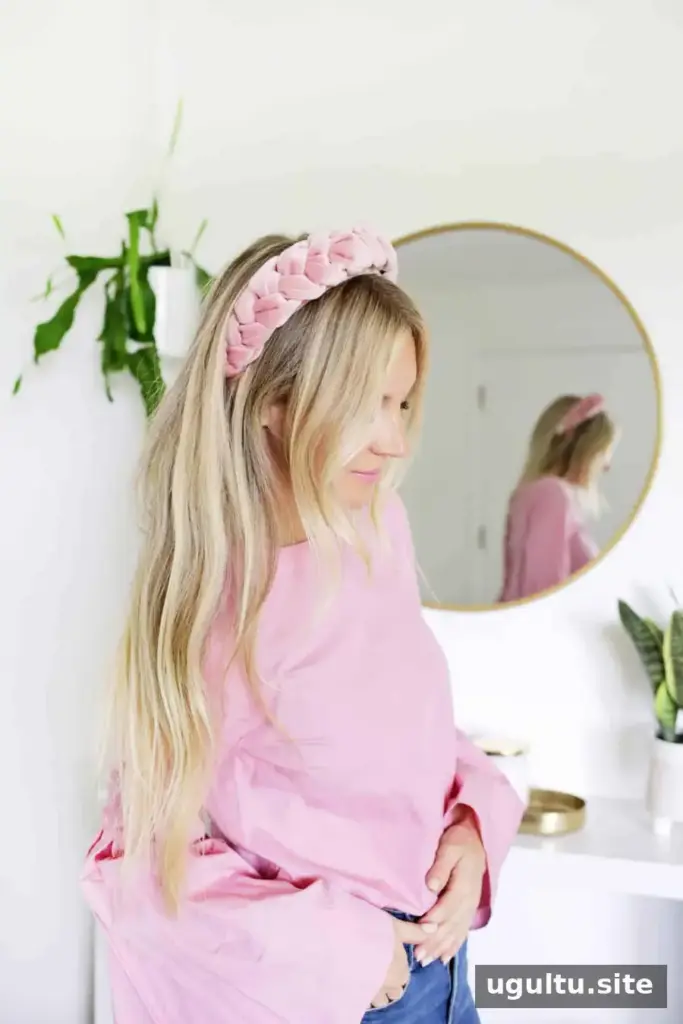
Headbands can add the appearance of volume and finish an outfit. The collection includes Laura’s no-sew braided headband and padded headband projects; check that any padding sits comfortably and does not feel tight.
A loose braid is a simple option for longer hair. Leaving the braid relaxed can create a softer look, while a secure hair tie helps keep the ends in place.
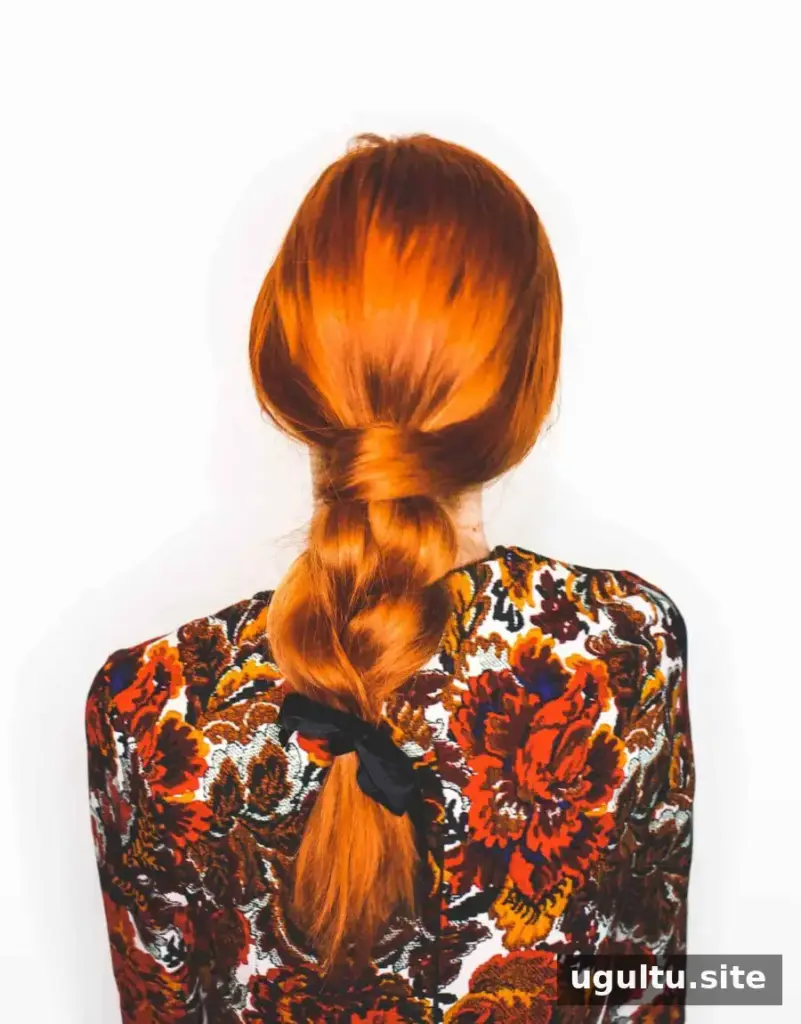
Two updo ideas are included for medium or long hair. Adding a decorative headband can make either style feel more occasion-ready.
For a quick morning routine, a braided bun can be put together in about five minutes once you are familiar with the steps. Keep pins and a hair tie within reach to make the process smoother.
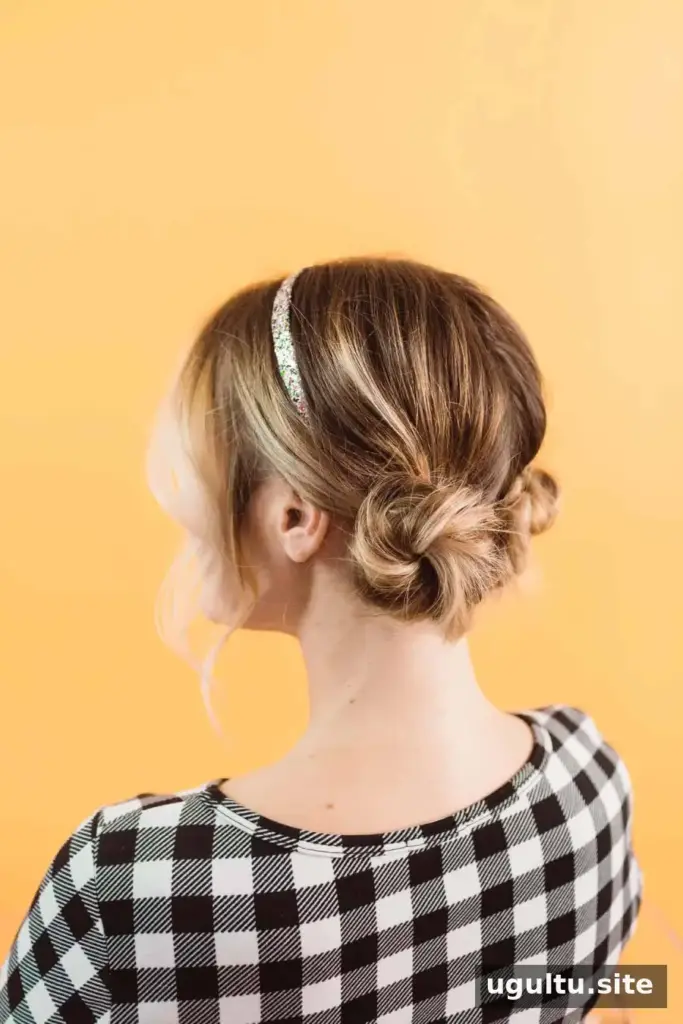
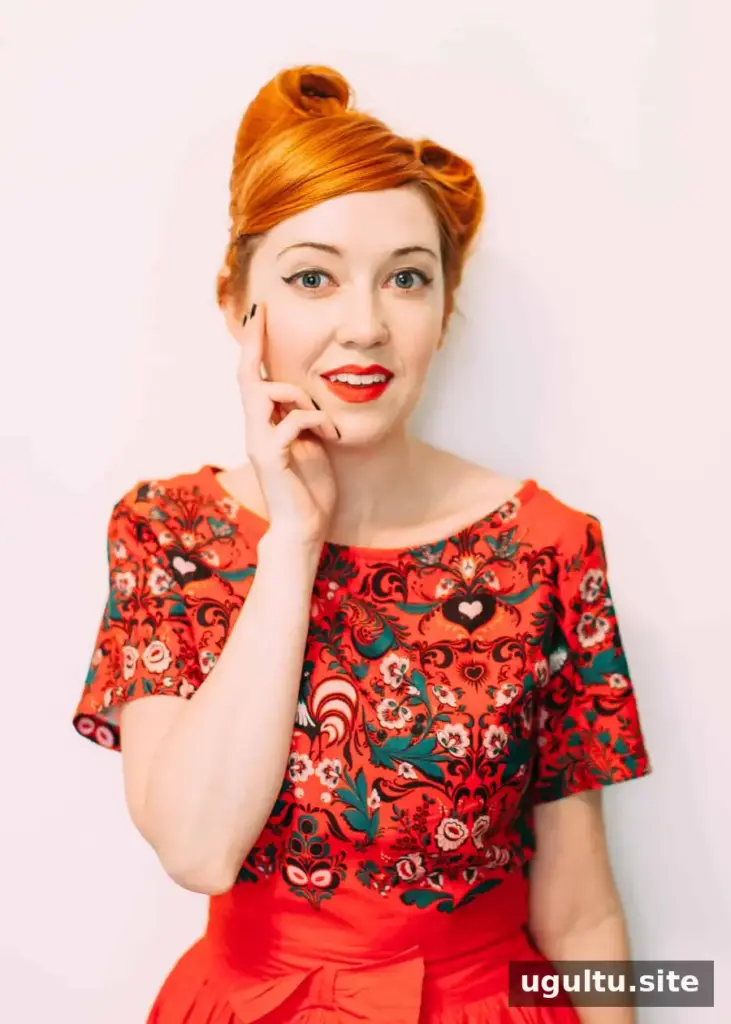
Victory rolls bring a retro-inspired finish to the collection. Use sectioning clips while shaping the rolls, then secure them firmly but comfortably.
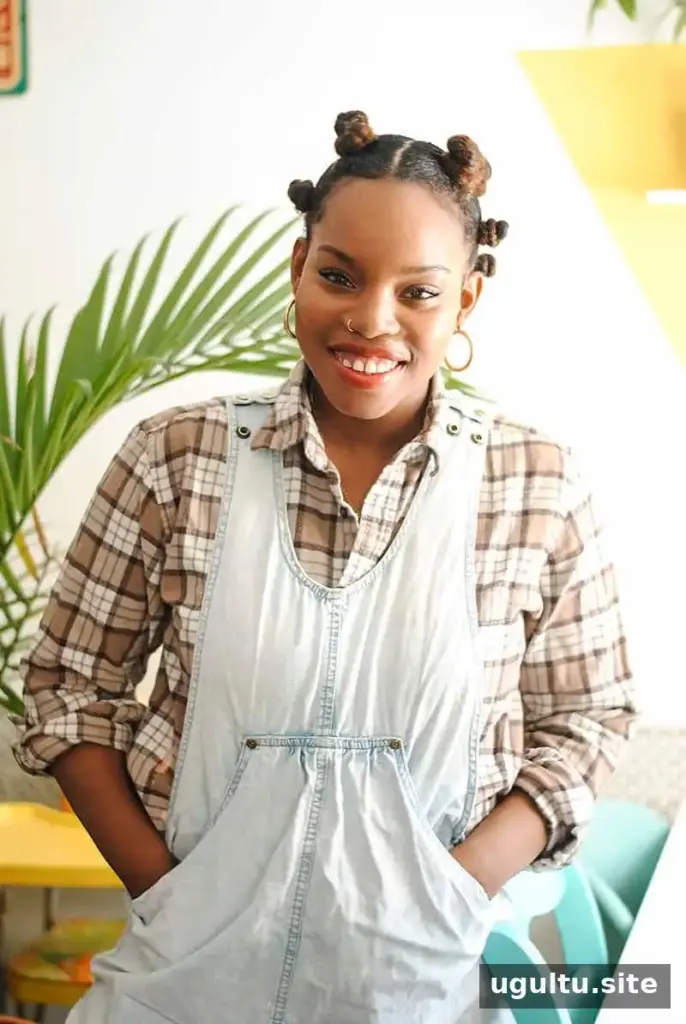
The bantu knot tutorial is presented as a style for different hair types. Follow the steps gently, and avoid making knots so tight that they cause discomfort or tension.
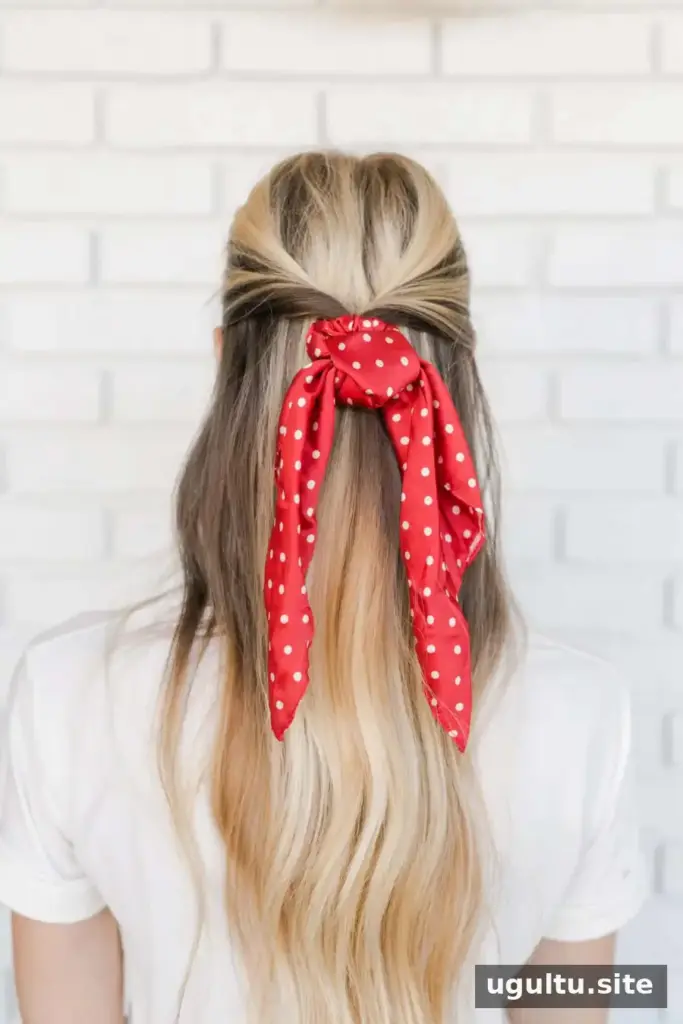
Scrunchies can be worn in several ways, including around a ponytail or bun. Their soft fabric can be a comfortable alternative to some tighter hair ties.
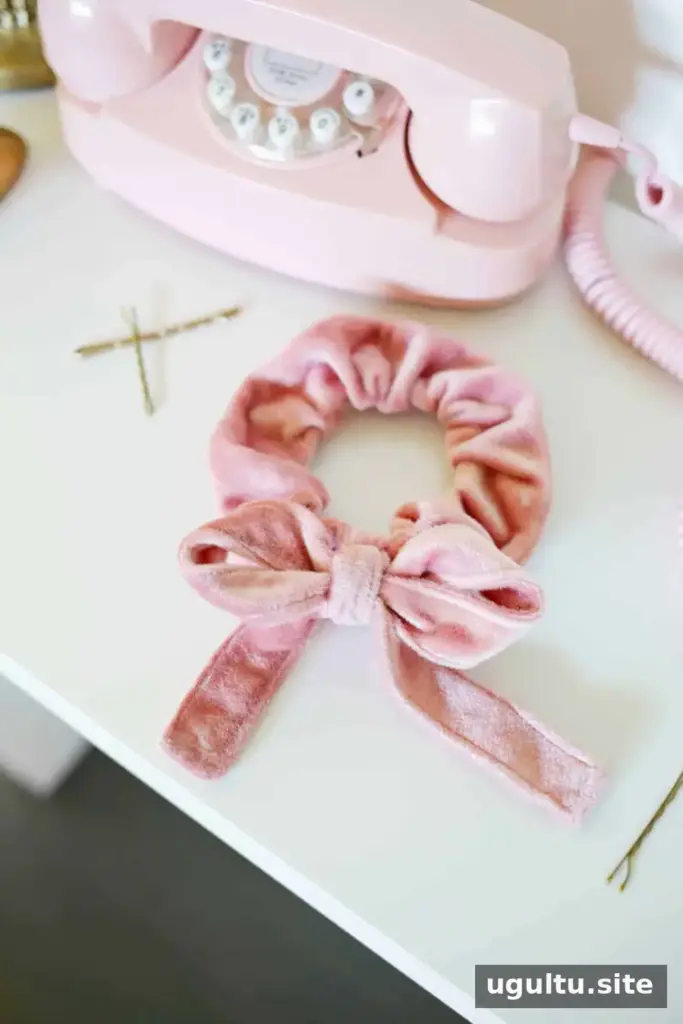
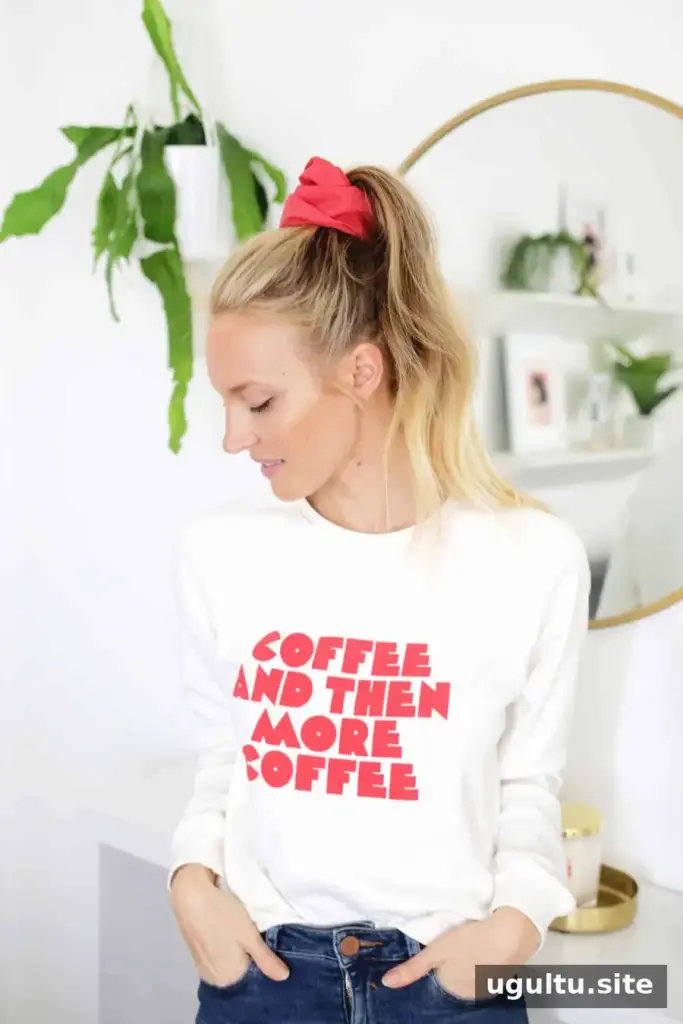
You can also make a velvet bow scrunchie or an oversized scrunchie for a more noticeable accessory. Choose a fabric that holds its shape while remaining comfortable against the hair.
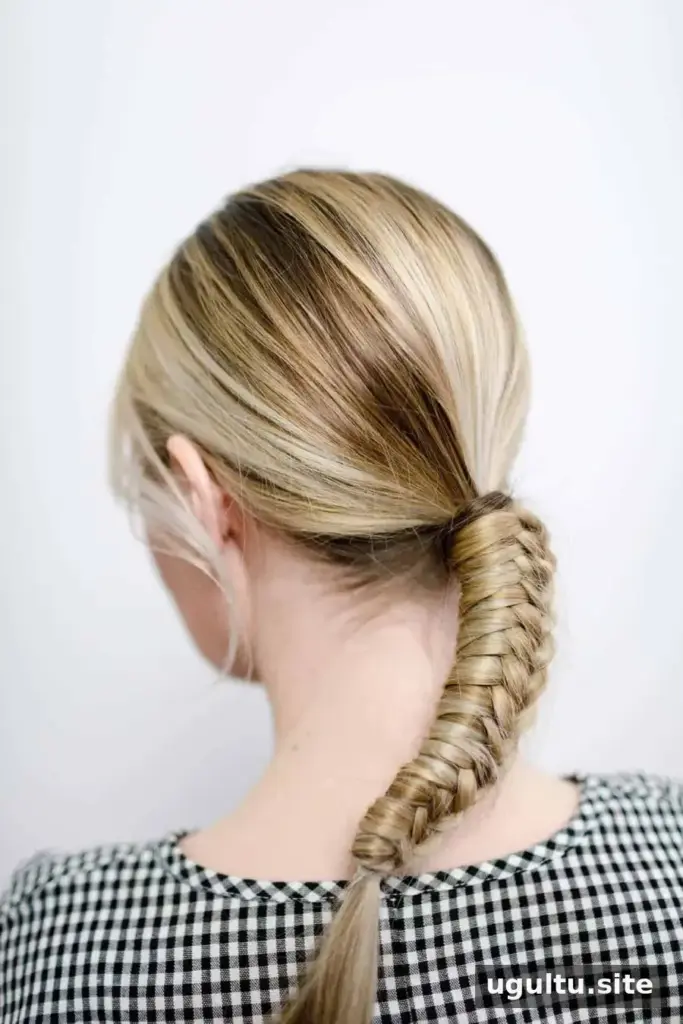
A staircase braid is another technique to try when you want a more detailed look. Follow the tutorial section by section, and use a mirror to check the shape as you work.
More hair accessory DIYs
- Wooden O-Ring Headband DIY
- How to Make Statement Hair Clips
- Make Your Own Spa Headband
Choosing the right easy hair tutorials
When choosing among these easy hair tutorials, consider your hair length, texture, and the time you have available. Start with a simple style for everyday wear, and save more detailed braids or updos for when you can practice. Use accessories that feel secure without pulling, and take down styles gently to help protect your hair.


