
 admin
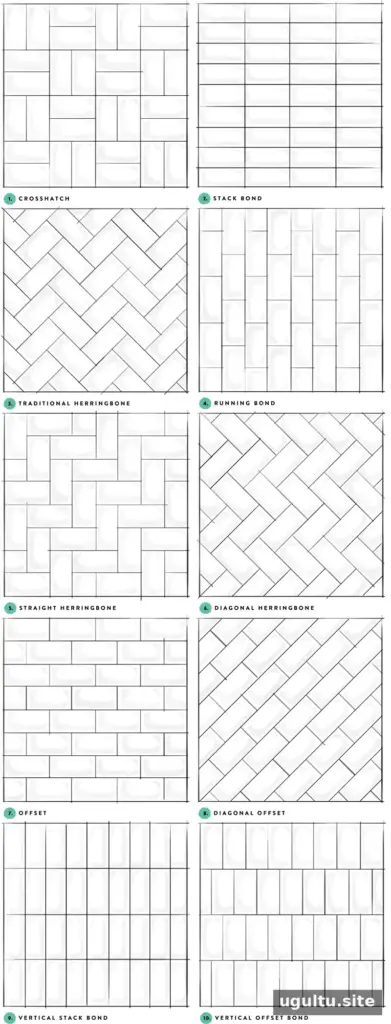
Subway tile patterns can give a room a distinct look without requiring a complicated material palette. Classic, versatile subway tile works in kitchens, bathrooms, showers and floors, and changing the layout can add character to a simple tiled surface. The options below range from familiar arrangements to more geometric designs.

A bold tile floor created for a Habitat for Humanity house shows how a carefully chosen layout can become a memorable feature while still feeling balanced. Use a more decorative pattern where you want visual interest, or choose a quieter arrangement when other finishes will take the spotlight.
This guide covers ten layout ideas, along with practical considerations for buying tile and planning installation.
Subway Tile Patterns to Consider
Crosshatch
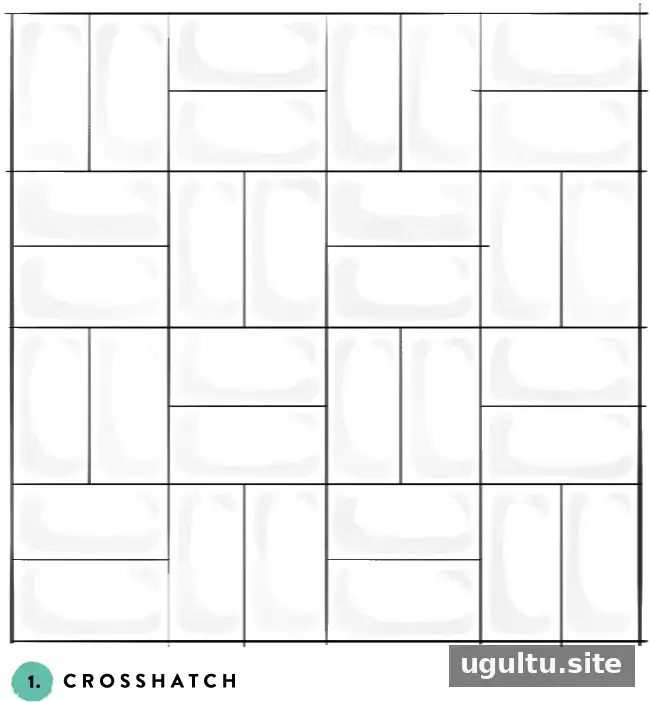
Crosshatch creates a woven, intersecting effect that stands out from conventional rows. It can bring detail to a floor or wall without relying on a different tile color. Before committing, ask your installer to confirm the layout and tile cuts, especially if the pattern will cover a large area.

Stack Bond
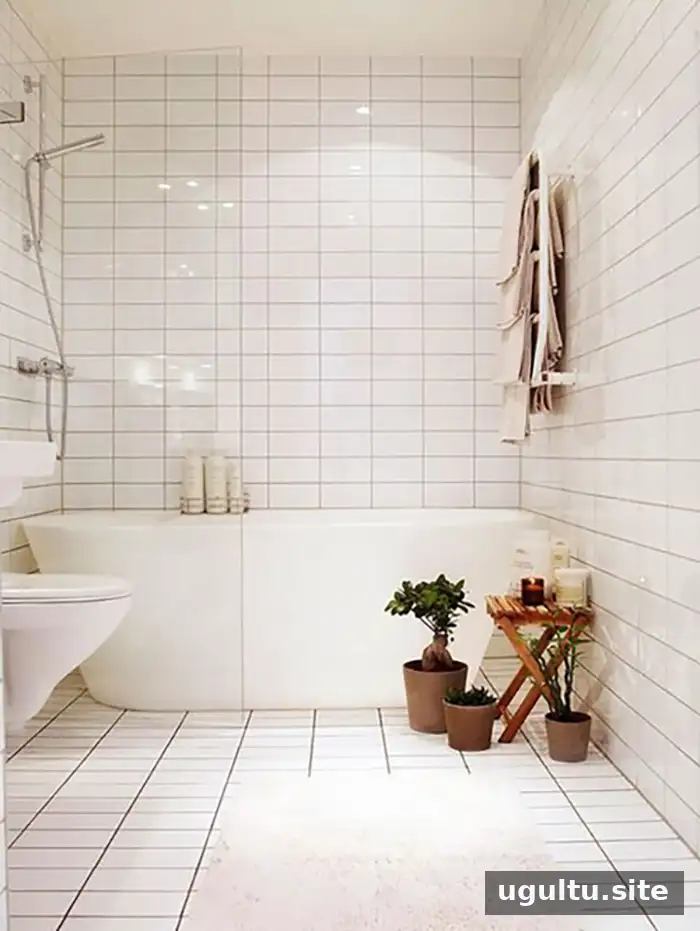
Stack bond lines up the tile edges in a regular grid for a crisp, contemporary finish. It suits spaces where clean lines are part of the design. Pairing it with varied textures, brass details or a few color accents can keep the overall room from feeling too plain.
Image credit: La Maison d’Anna G.
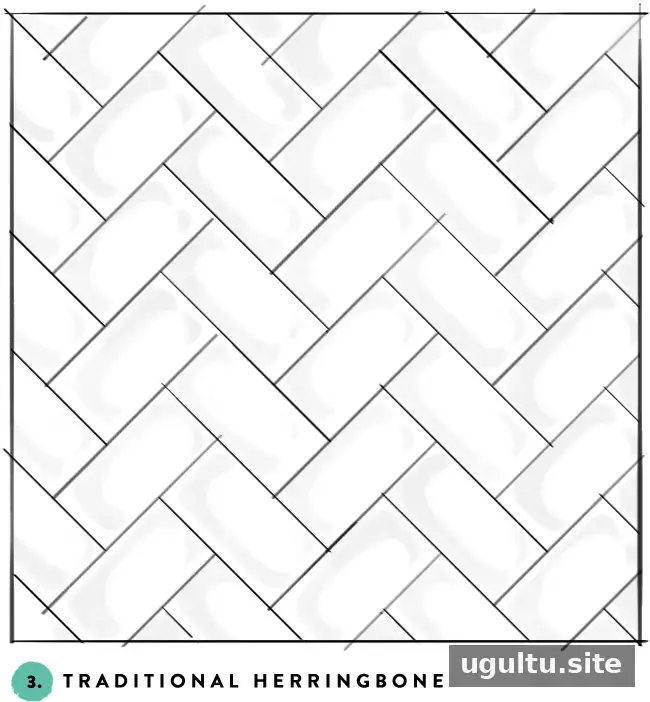
Traditional Herringbone
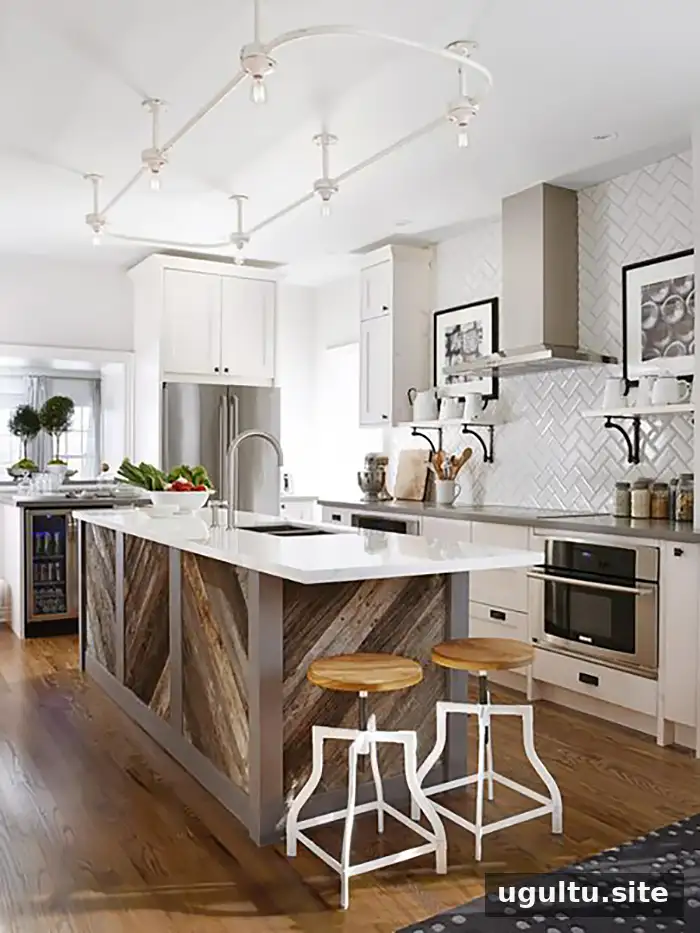
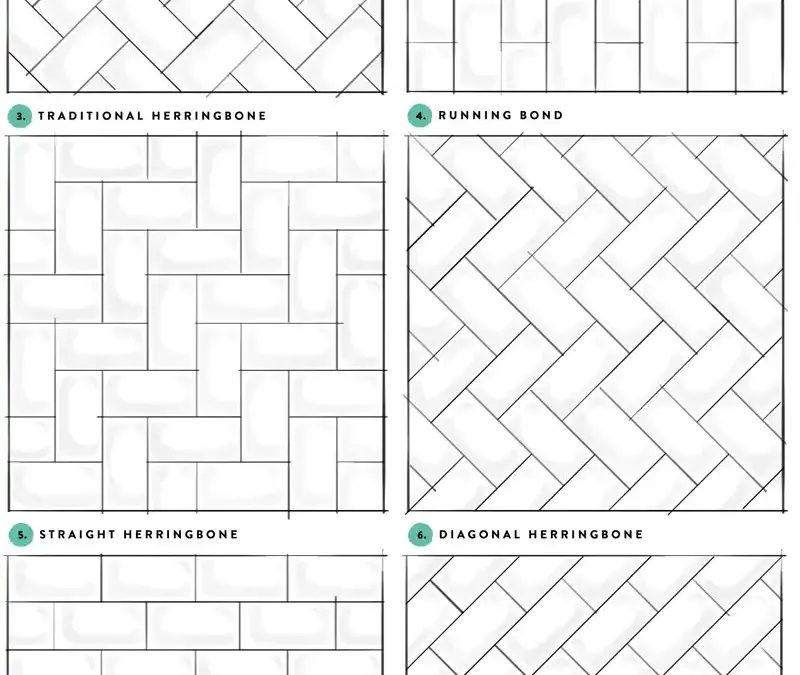
Traditional herringbone arranges rectangular tiles in a repeating angled pattern. It adds movement and decorative detail, making it a strong choice for a floor, backsplash or feature wall. Consider how the pattern meets edges and corners before choosing the area to tile.
Image credit: HGTV.

Running Bond
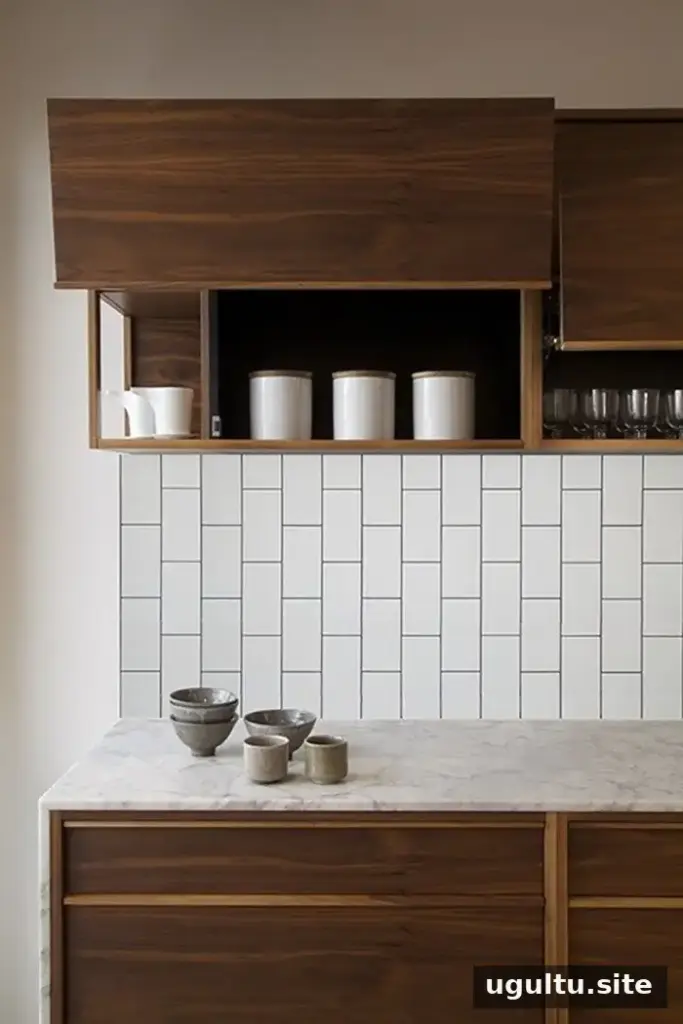
Running bond uses an offset layout similar to the traditional arrangement, turned on its side. The repeated vertical lines can make a space appear taller. It is a useful option for a shower or wall when you want a familiar pattern with a different orientation.
Image credit: WS Workshop.
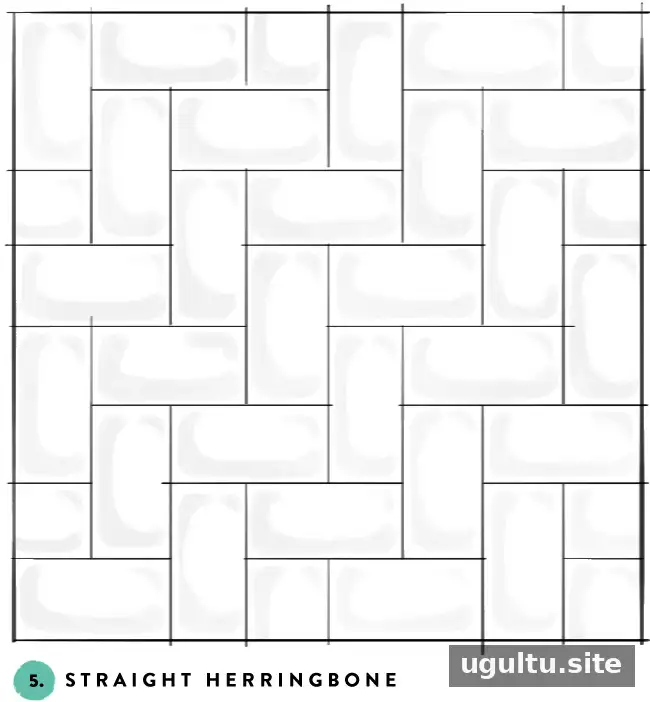
Straight Herringbone
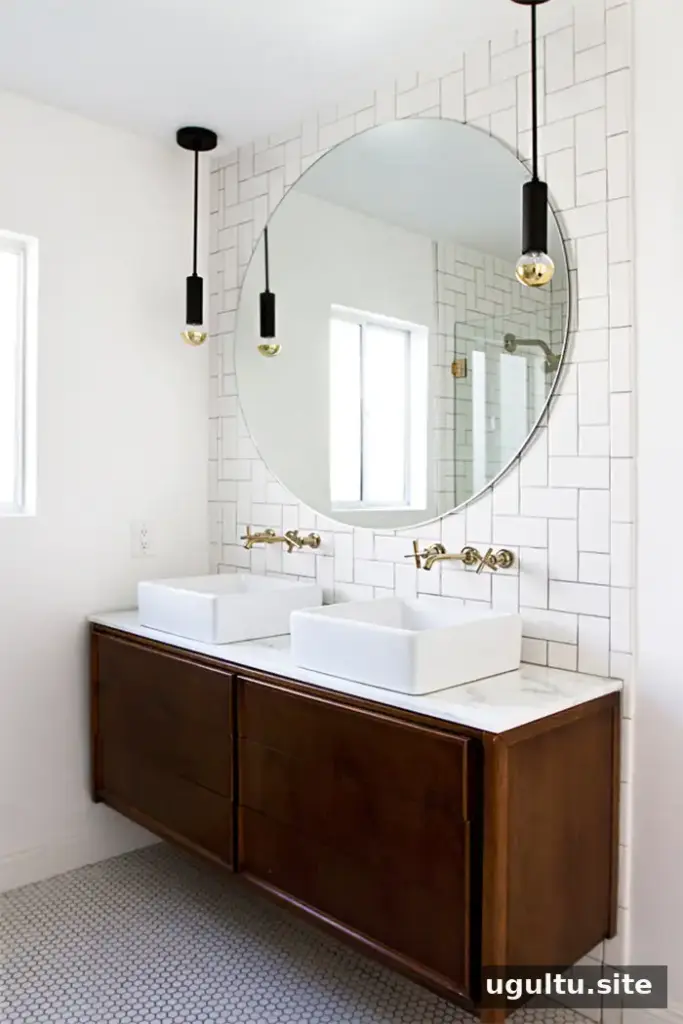
Straight herringbone offers a more geometric take on the herringbone look. It can create a focal point on a kitchen backsplash while keeping the material itself simple. Review a sample or layout drawing in the room before installation to see how the angles work with cabinets and counters.
Image credit: Smitten Studio.
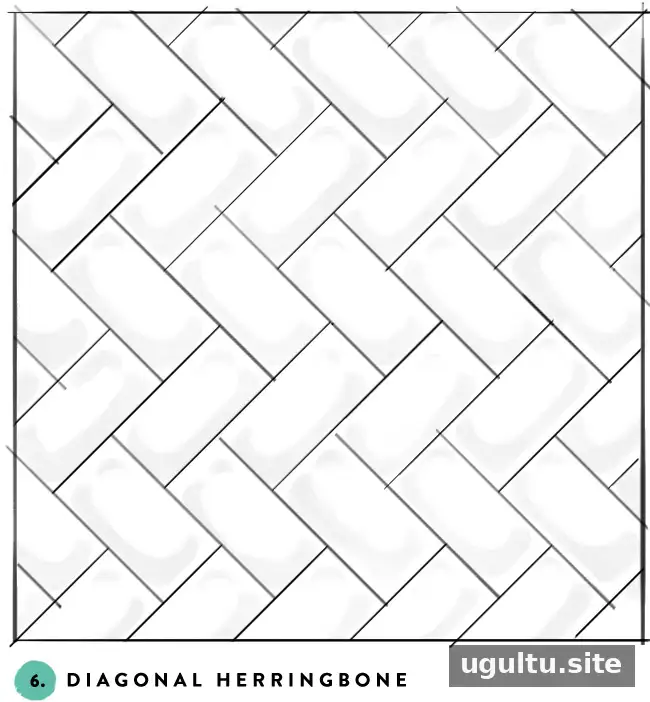
Diagonal Herringbone
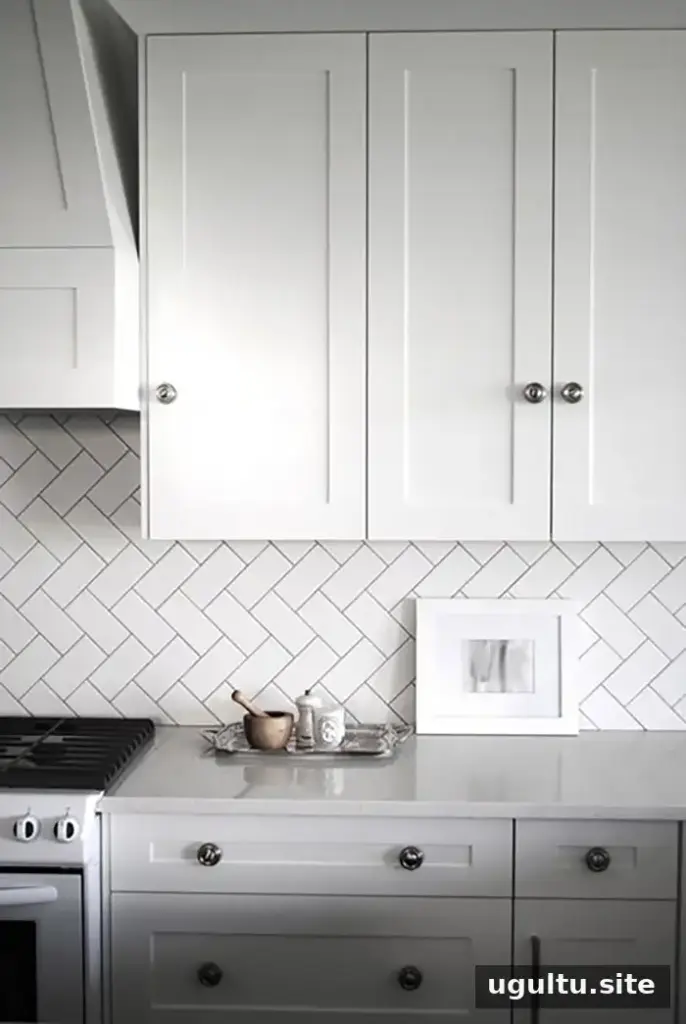
Diagonal herringbone changes the direction of the familiar zigzag for a fresh effect. Small changes in orientation can make a noticeable difference, so compare layout samples if you are deciding between several herringbone variations.
Image credit: Remodelista.
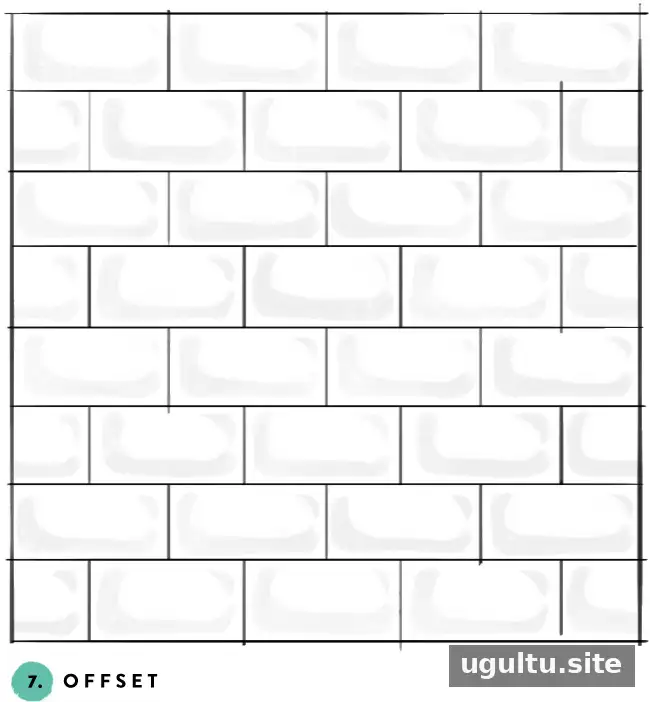
Offset
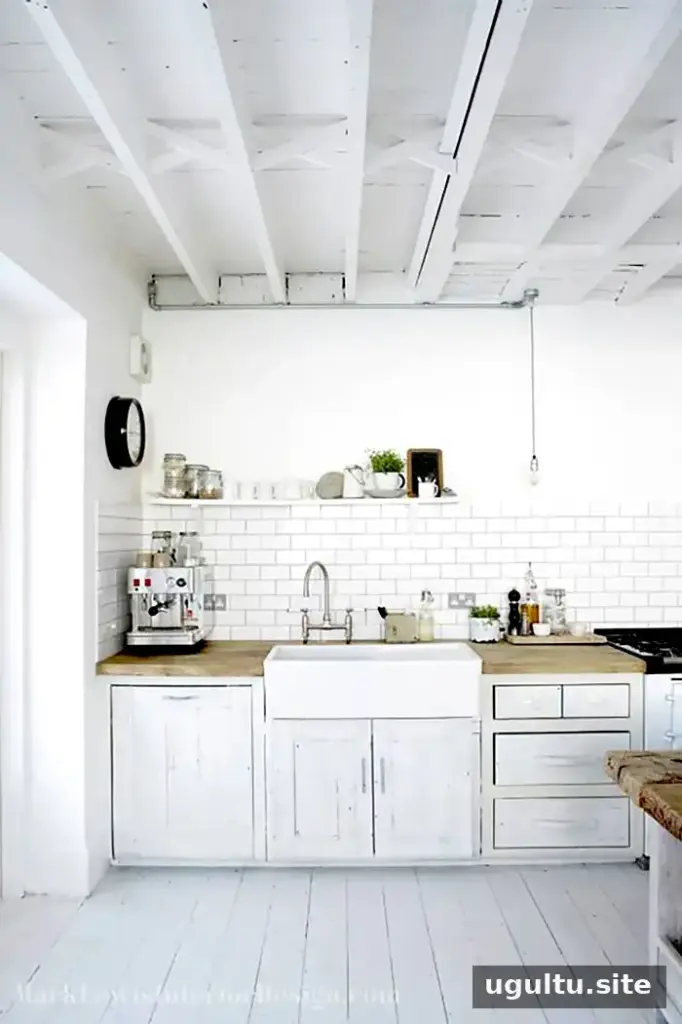
Offset is the classic subway tile layout and a versatile choice for many homes. Its understated appearance can be helpful when renovating with resale in mind or when other details in the room should stand out. It also pairs well with colorful tile, balancing a bold shade with a familiar arrangement.
Image credit: Blood And Champagne.
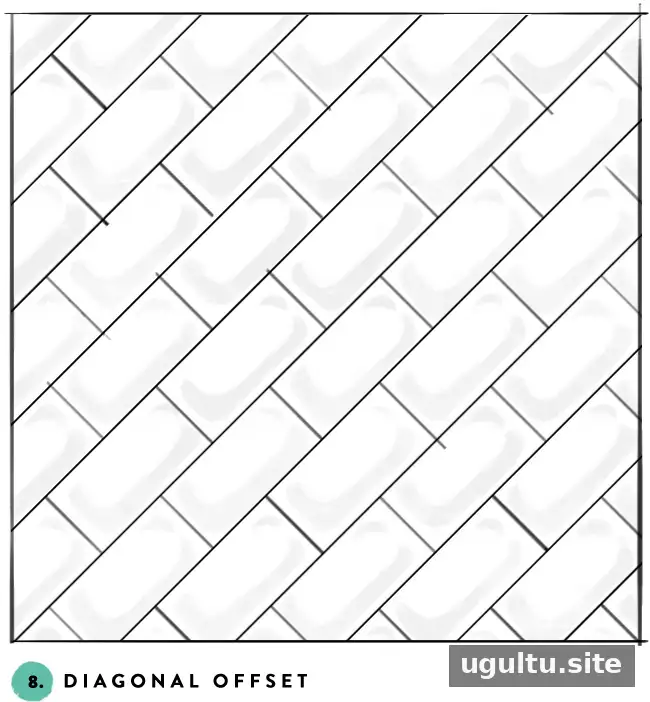
Diagonal Offset
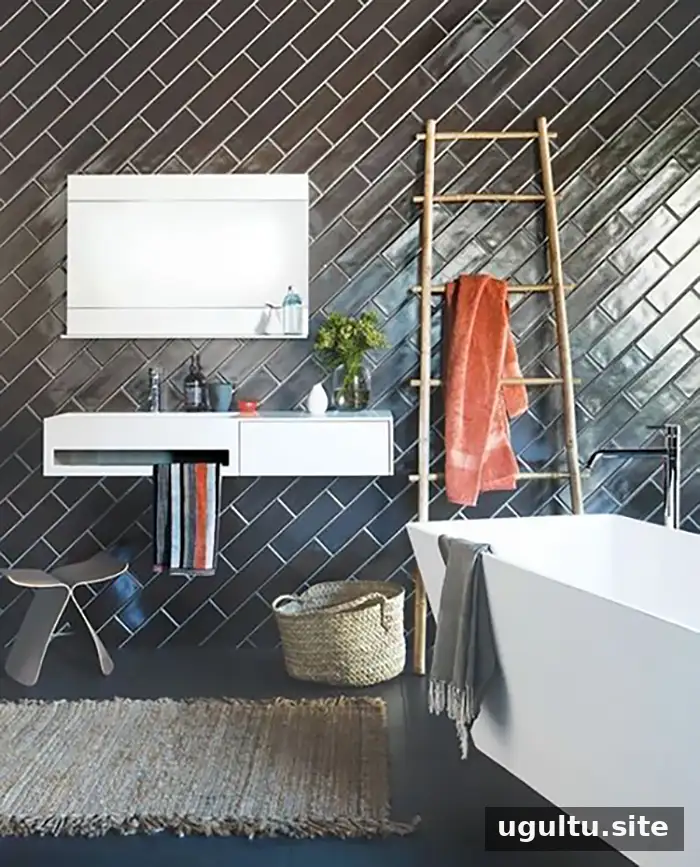
Diagonal offset gives the traditional offset arrangement a less common, more dynamic direction. A high-contrast combination, such as black tile, makes the layout especially noticeable; matching tile and grout creates a more subtle effect. Ask the installer how the diagonal edges will finish along the perimeter.
Image credit: Home Designing.
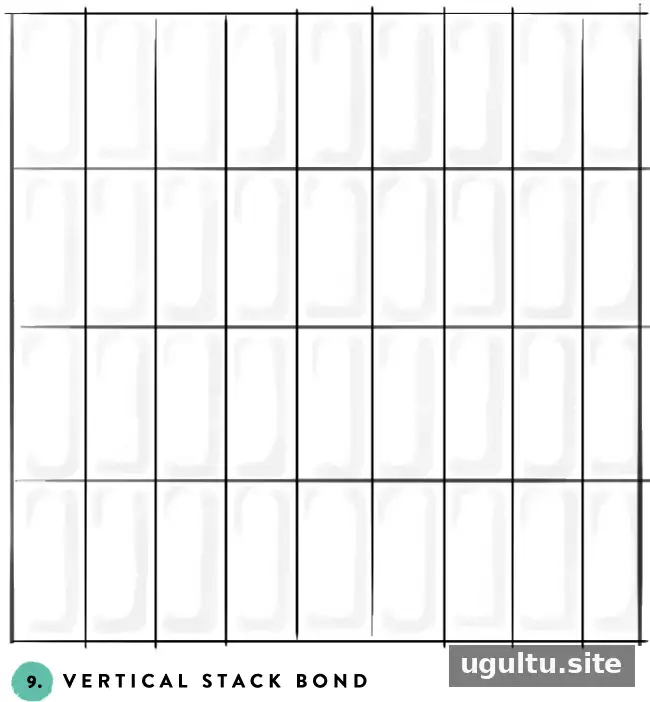
Vertical Stack Bond
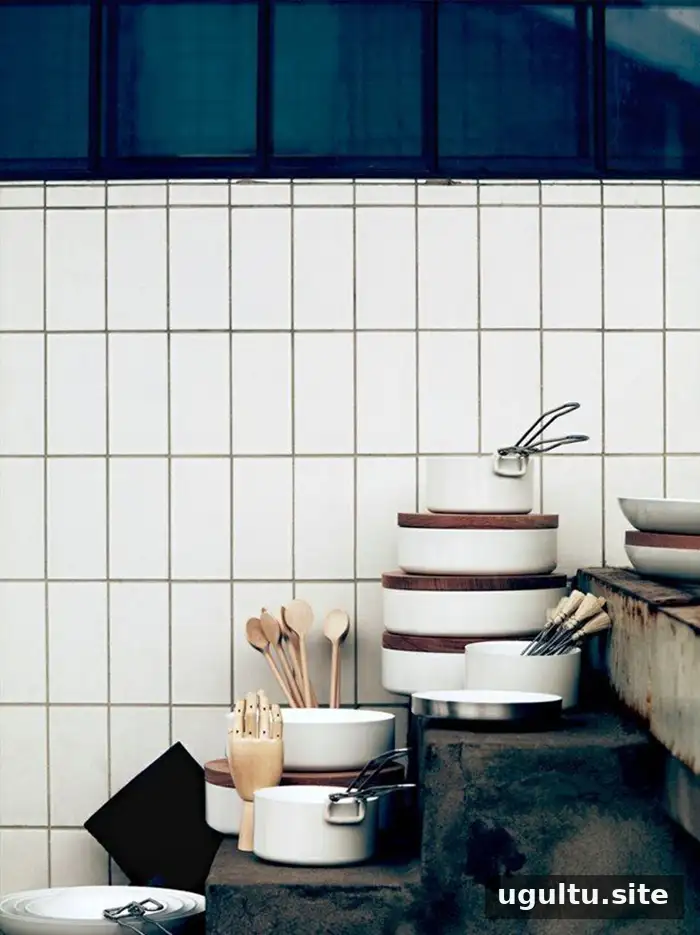
Vertical stack bond keeps the straight alignment of stack bond while turning the tiles upright. The result feels modern and orderly. It can also emphasize vertical lines, so consider how the orientation relates to nearby fixtures and the proportions of the wall.
Image credit: Lotta Agaton.
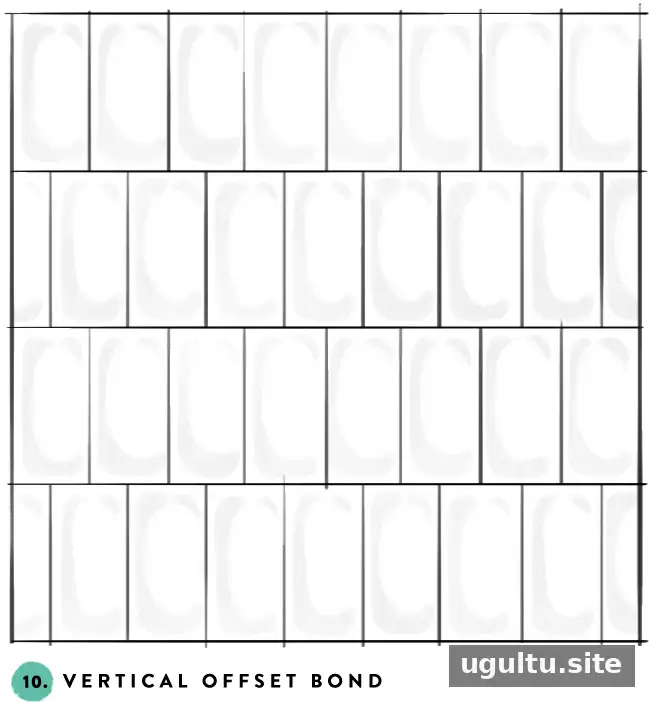
Vertical Offset Bond
Vertical offset bond is another upright variation, with each row shifted rather than aligned in a strict grid. It offers a little more movement than vertical stack bond while keeping the tile orientation vertical. A small sample area can help you judge the pattern before covering an entire wall.
Buying Subway Tile and Managing Costs
Subway tile is available from large retailers and local tile shops, and prices can vary by material, finish and quantity. Compare the total cost of the tile you need rather than looking at the per-piece price alone. For larger orders, ask retailers whether bulk discounts are available and check whether seasonal sales could reduce the cost.
In one home renovation, replacing planned marble and specialty tile with subway tile saved more than eight thousand dollars. Sourcing the required quantity from a mix of local and larger stores saved a further couple of thousand dollars, bringing the reported savings to over ten thousand dollars. This is one project’s result, not a guaranteed saving; costs depend on the tile, quantity, location and project.
Planning Tile Installation
Installation pricing varies between contractors. Some patterns require more cuts than others, but a more intricate layout does not always mean a significantly higher labor charge. Ask for an itemized quote that identifies the pattern, surface preparation, edge finishing and any additional cutting work.
Tile can be costly to remove and replace if installation goes wrong. If you are considering a do-it-yourself project, research the tools and preparation required and assess your experience honestly. Getting several estimates from qualified installers can help you compare costs and decide whether professional installation is the right fit.
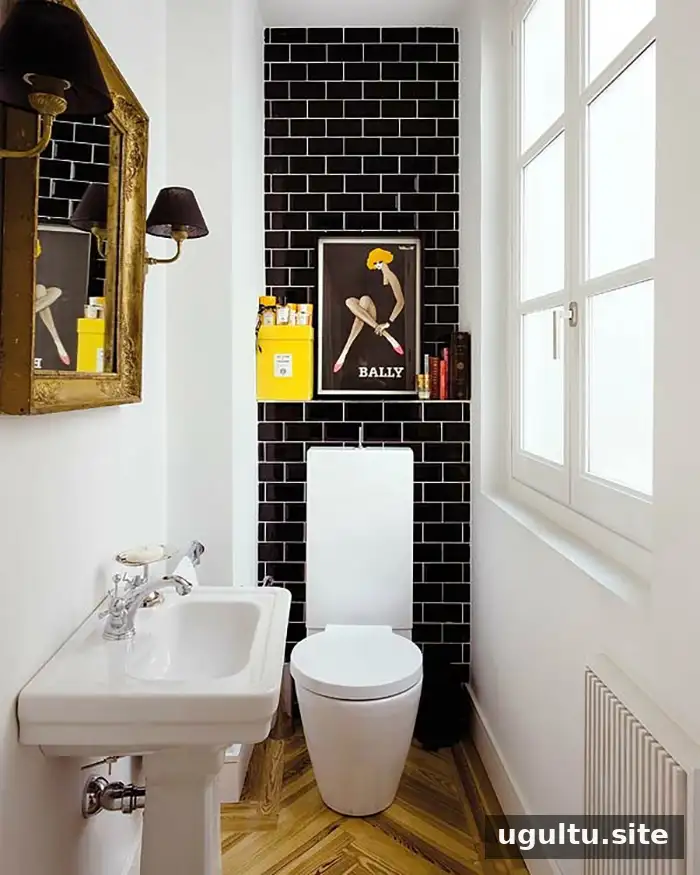
Image credit: StyleCaster.
Choose a Subway Tile Pattern That Fits Your Space
Subway tile does not have to follow a traditional layout. A different direction or arrangement can make a simple tile feel distinctive, while a classic offset pattern can keep the overall design calm and flexible. Compare samples, consider how the layout will meet the edges of the space, and discuss cuts and costs with your installer. With a little planning, subway tile patterns can bring a personal touch to a room without requiring an elaborate design.


