
 admin


Fabric dyeing can refresh a light-colored garment, but the final color may vary depending on the fabric, stitching, and dye used. A deep lavender shade, for example, may not appear exactly the same across every part of a dress. Careful preparation, following the dye package instructions, and allowing for some variation can make a home project safer and more manageable.
Fabric Dyeing: A Simple Method for Garments
Before starting, check that the garment is suitable for the dye you plan to use. Cotton and other natural fabrics are common choices for home dyeing, but results can differ between materials and garment components. Gather the supplies in advance so you can follow each step without leaving a dye bath unattended.
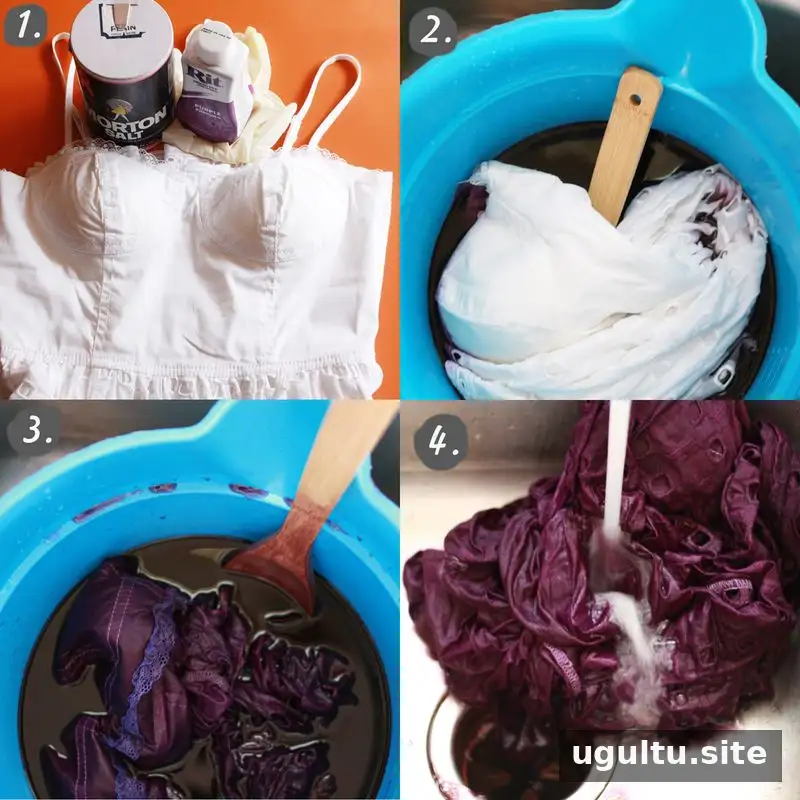
- Prepare a garment made from cotton or another natural fabric, fabric dye, salt if directed, a bucket or suitable container, and gloves.
- Mix the dye according to the package instructions. Some products call for hot water and salt, so use the directions for the specific dye rather than assuming all products are the same.
- Place the garment in the dye bath and follow the recommended dyeing time on the package.
- Rinse the garment thoroughly until the water runs clear. Then wash it by hand or in a washing machine before wearing it.
For the first wash, use dark items or wash the newly dyed garment separately. A rinse may not remove every trace of loose dye, so avoid putting it in with light-colored clothing right away.
What to Expect After Dyeing
Color can transfer during the first wash, even after a thorough rinse. In one test, a white sock washed with a newly dyed dress picked up a pale purple tint.
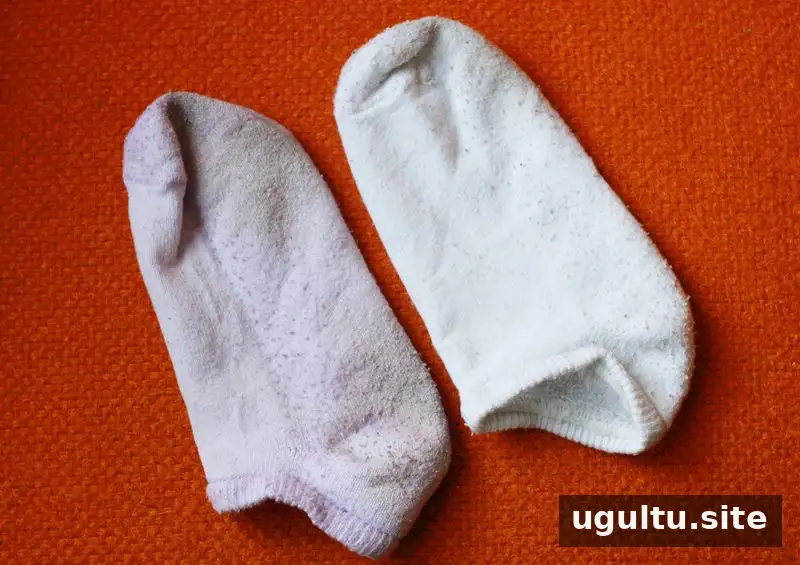
The result is a reminder that rinsing is important, but it does not guarantee that the garment will not release any color in its first wash. Keep newly dyed items separate from whites and other light fabrics until you are confident the color is stable.

Five Practical Tips for Home Dyeing
- Prepare your workspace. Wear gloves and old clothes, and consider using an apron. Dye can stain skin, clothing, and surfaces quickly, so plan where you will mix, dye, and rinse the garment before you begin.
- Allow for uneven results. Thread, lace, and other garment details may take dye differently from the main fabric. These variations are normal in many home dyeing projects, so avoid expecting every section to match perfectly.
- Choose a dye-safe container. Use a bucket or stainless-steel container for dyeing and rinsing. Rinsing outdoors with a hose may also be an option. Avoid a bathtub or porcelain sink, which may stain. If using a kitchen sink, clear away dishes first and clean the sink afterward.
- Rinse and wash with care. Rinse until the water runs clear, then wash the garment separately or with dark clothes the first time. This helps reduce the chance of dye transferring to other laundry.
- Check allergy information. Read the product label for ingredients and allergy guidance before use, especially if you or someone in your household has sensitivities. Follow all safety directions on the package.
Conclusion
Successful fabric dyeing starts with checking the garment and dye instructions, protecting your workspace, and handling the first wash cautiously. Expect some variation in color, rinse thoroughly, and keep the item separate from light laundry at first. With realistic expectations and a little preparation, home dyeing can be a practical way to change the look of a garment.
— Emma


