
 admin
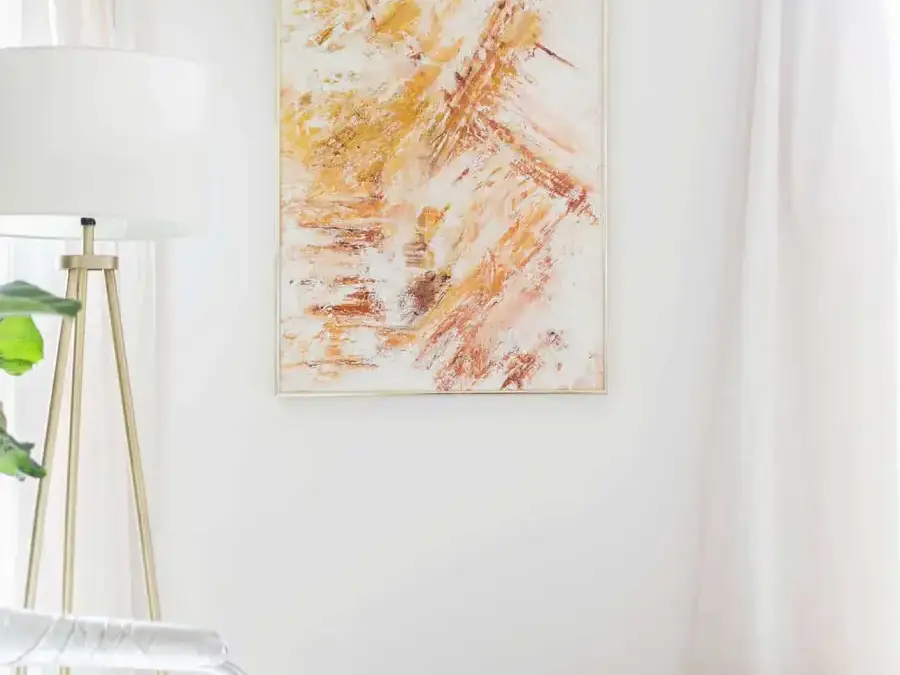
To start an art collection for your home, begin with what you enjoy looking at—not with an empty wall you feel pressured to fill. Art can be a painting, a print, a handmade object, or a small keepsake with a story behind it. Taking time to choose pieces that feel meaningful can make your collection more personal and satisfying over the years.
Start an Art Collection with Personal Keepsakes
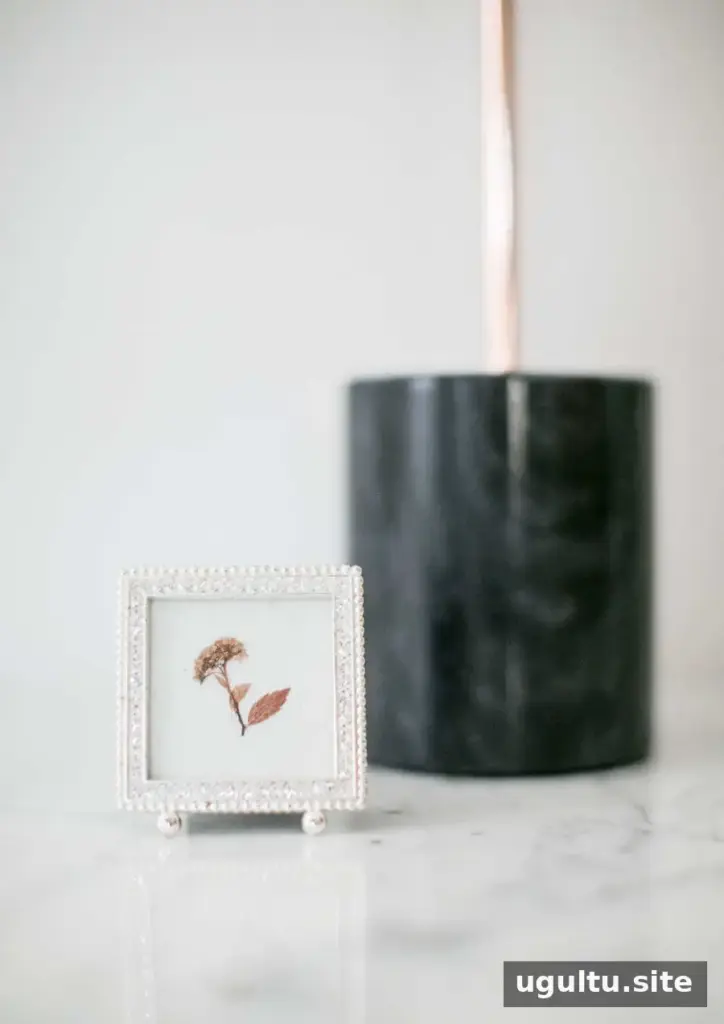
Art does not have to be expensive or made for a gallery. A meaningful object can become a special display piece when it is framed or presented with care. A pressed flower, a concert ticket, or a small natural object from a walk can carry memories that make it worth keeping.
For example, a small flower picked by a toddler on a family trip was preserved after being kept inside a phone case. It was later placed in a tiny frame, where it became a daily reminder of that moment. The value of a piece like this comes from its personal meaning, not its price or rarity.
Before displaying a keepsake, consider how best to protect it. Use a frame or display case that suits the material, and keep delicate items away from direct sunlight and moisture. Choose objects that tell your story and bring you pleasure when you see them.
Buy Art from Artists You Know
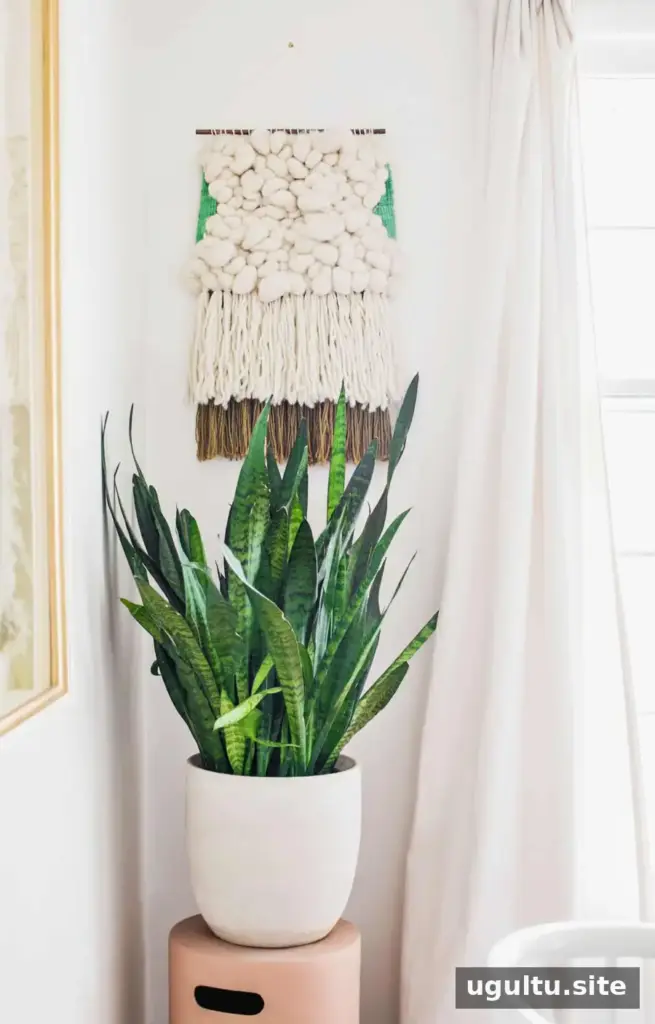
Supporting creative friends and family is one way to find art with a personal connection. A woven piece by artist Rachel Denbow, for instance, can bring texture and a connection to its maker into a room. If you buy directly from an artist, ask about care instructions and the best way to display the work.
Children’s artwork can also become part of a home collection. A niece, nephew, friend’s child, or your own child may create work that captures a distinctive way of seeing the world. A frame designed for changing artwork, such as one made by Laura, makes it easy to display new pieces while keeping older favorites safe.
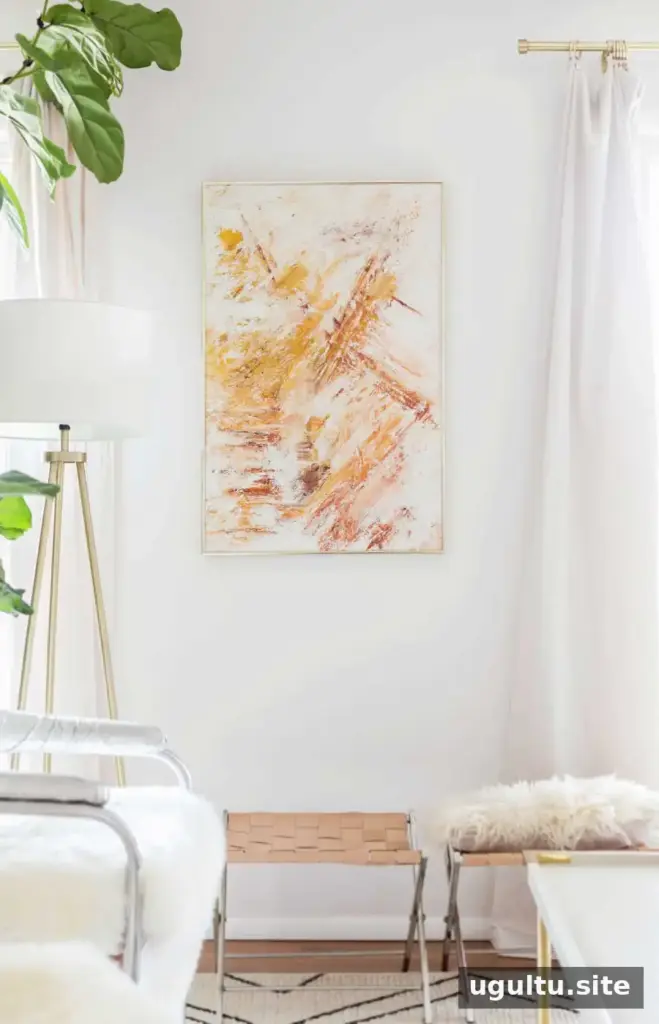
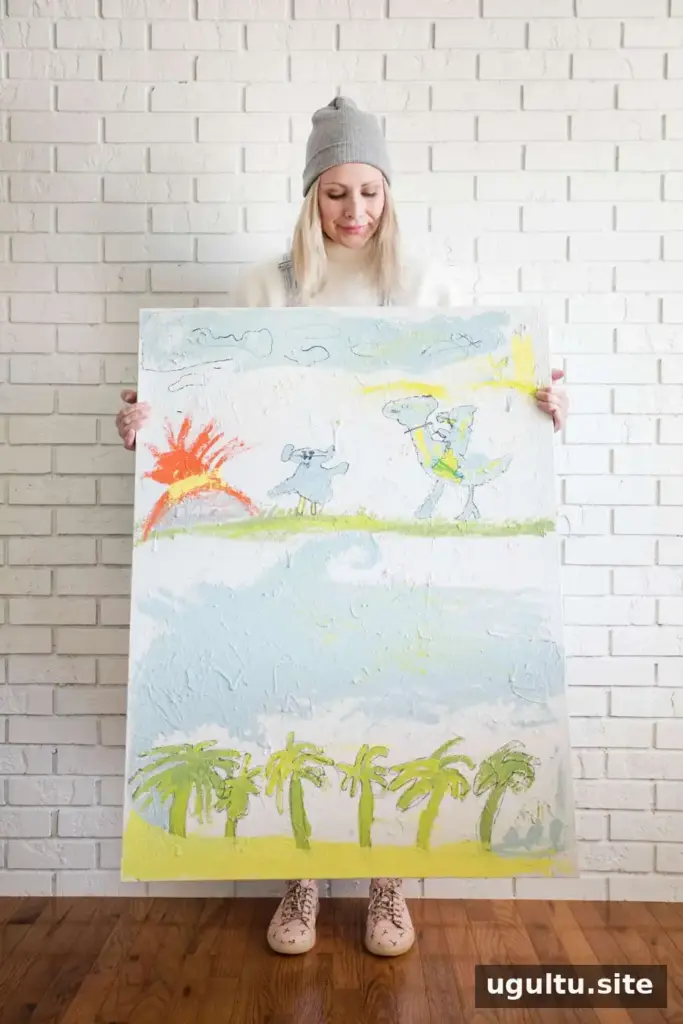
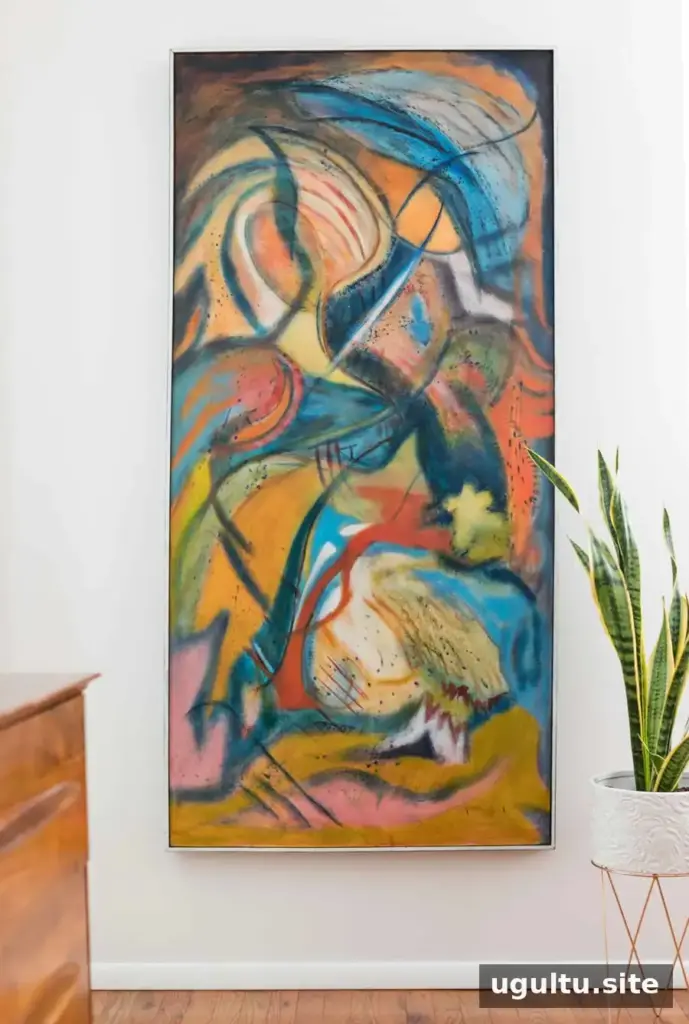
During the early 2020 lockdown, one family spent lunch breaks watching Mo Willems’ Lunch Doodles art lessons. After one lesson, a first grader asked to paint on a blank, textured canvas. Using leftover acrylic paint, the child worked on the painting over several sessions until it felt finished.
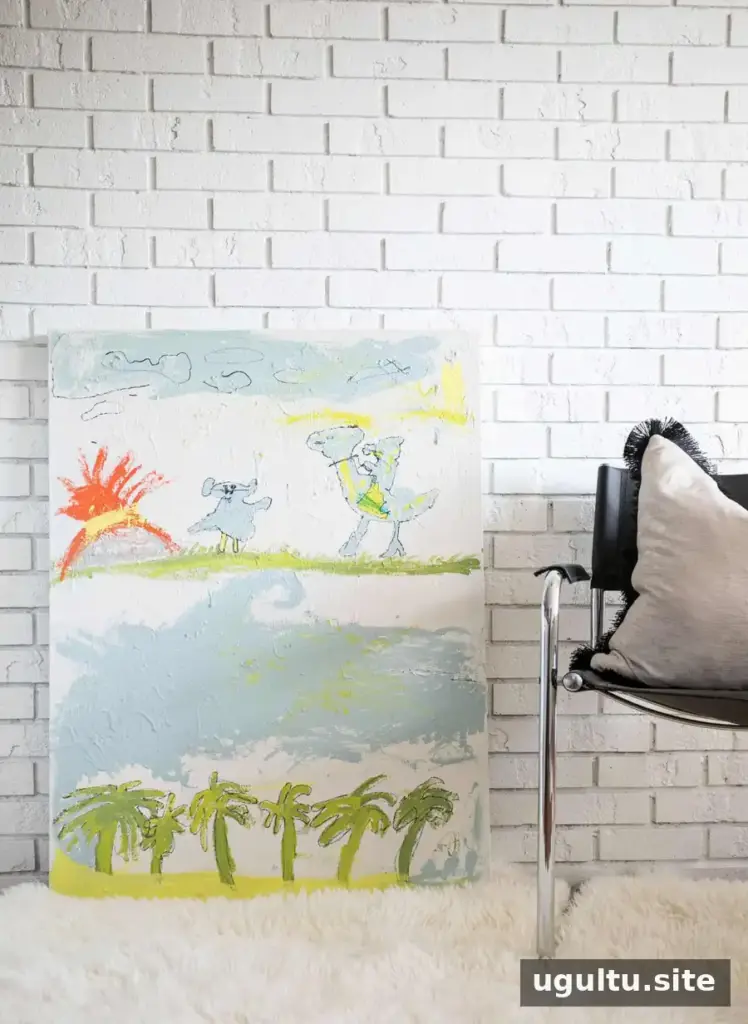
The completed canvas became a reminder of that unusual period and the family’s time together. Simple materials can be enough to make a lasting piece. If children are painting, cover the work surface and let the artwork dry fully before framing or hanging it.
Shop for Secondhand Paintings
Antique malls and thrift stores can be rewarding places to look for original paintings. Local resale listings and online marketplaces may offer more options, too. Since condition and seller information can vary, inspect a piece closely, ask about its history when possible, and check that its size and colors will suit the space.
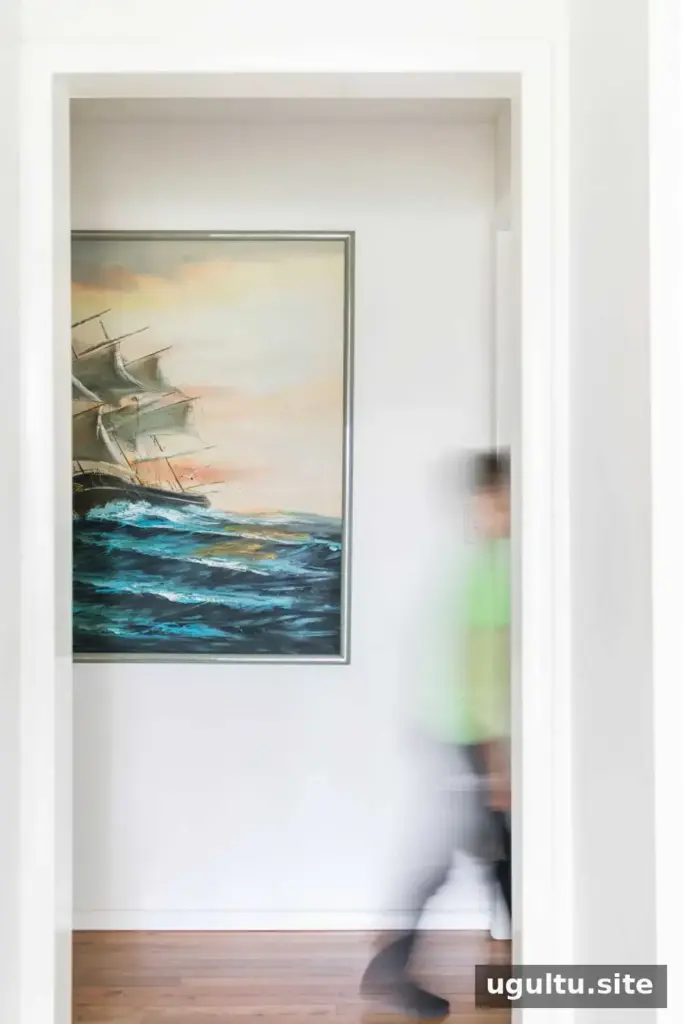
There is no single right way to choose a painting. Notice the colors, composition, and subject, and consider whether you would enjoy seeing it every day. It is reasonable to wait for a piece that feels right rather than buying something simply to cover a blank wall. Original paintings can also add interest to a child’s room, provided they are hung securely and at a suitable height.
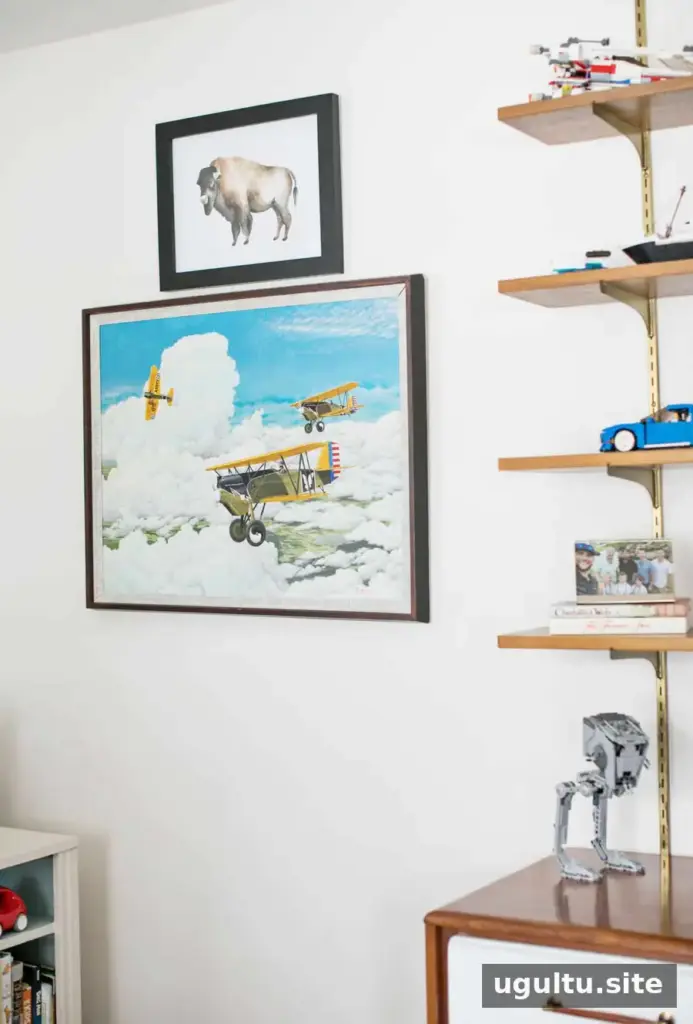
Art can sometimes be acquired through a conversation. During a house search, a couple noticed paintings in a property’s photographs and later learned that the older owners had collected art over many years. The owners were happy to sell some pieces as they downsized, and they shared the stories behind them.
When asking about a piece, be considerate and accept that the owner may not wish to sell. If a sale is agreed, clarify the price, payment, and pickup arrangements before taking the artwork home. Knowing an artwork’s story can make it especially meaningful, but its display and care should still suit your home.

Several paintings from that collection now hang around the home, including a favorite in the bedroom. A personal connection can add another layer of enjoyment to an artwork long after it has been purchased.
Build a Collection Around Individual Objects
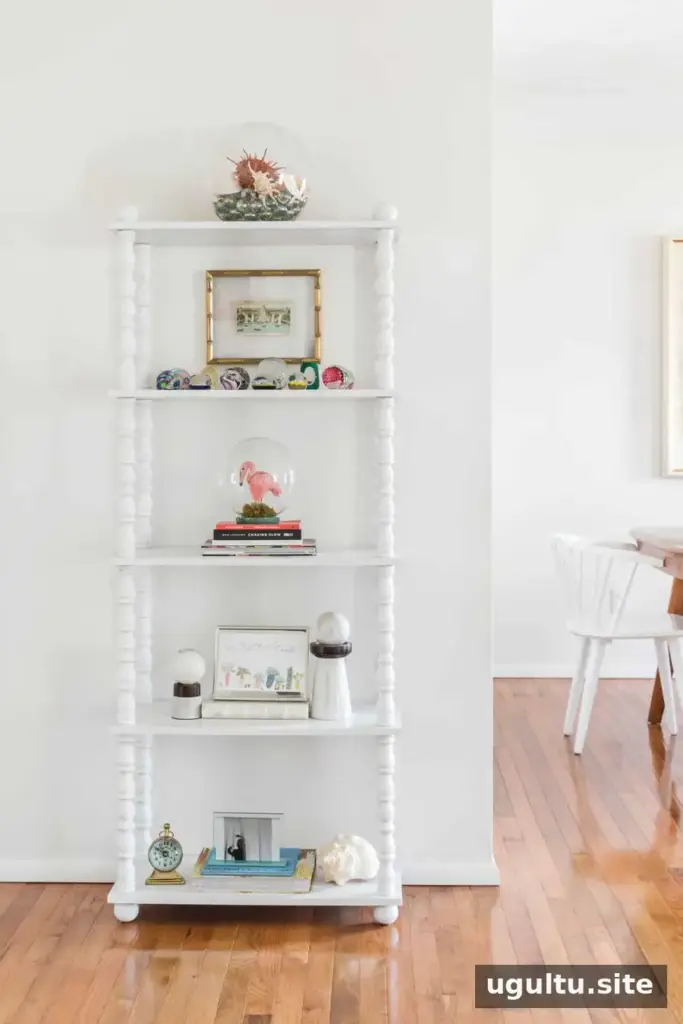
A collection does not need to begin with paintings. Small objects, ceramics, glass, and other handmade pieces can be gathered over time and displayed together. An interior designer’s home, filled with art and collected objects, inspired a new interest in paperweights.
Paperweights can contain detailed glass designs and vary widely in style and price. Learning about their makers and construction can help collectors understand what they are looking at, while also making the search more enjoyable. Rare or elaborate examples may be costly, so it is useful to set a budget before browsing.
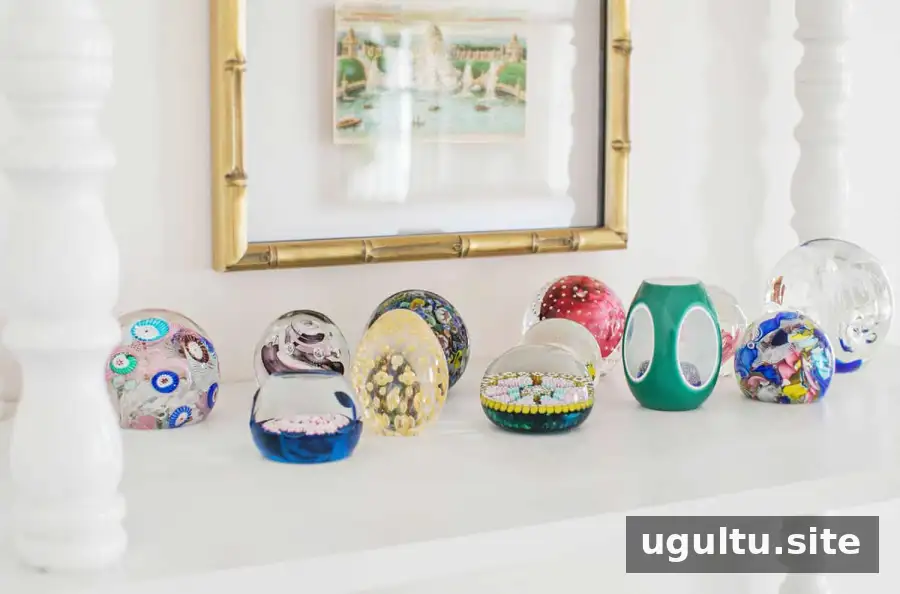
When choosing a paperweight, check for chips or cracks and consider how it will be displayed. A stable shelf away from the edge can help protect delicate glass.
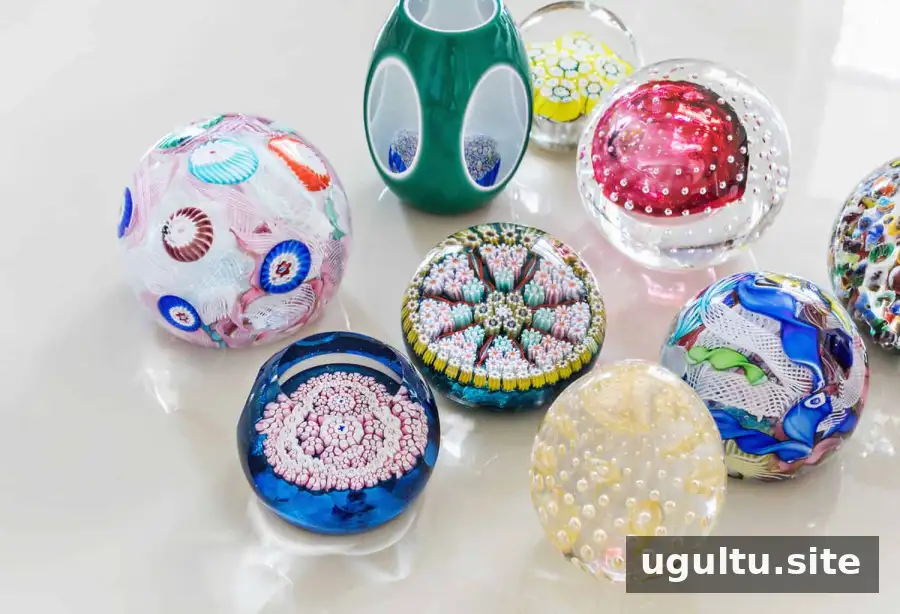
Collecting does not require rare or expensive pieces. Secondhand shops, antique stores, and online listings may offer affordable finds. Compare condition and prices, and buy only pieces that fit your interests and budget.
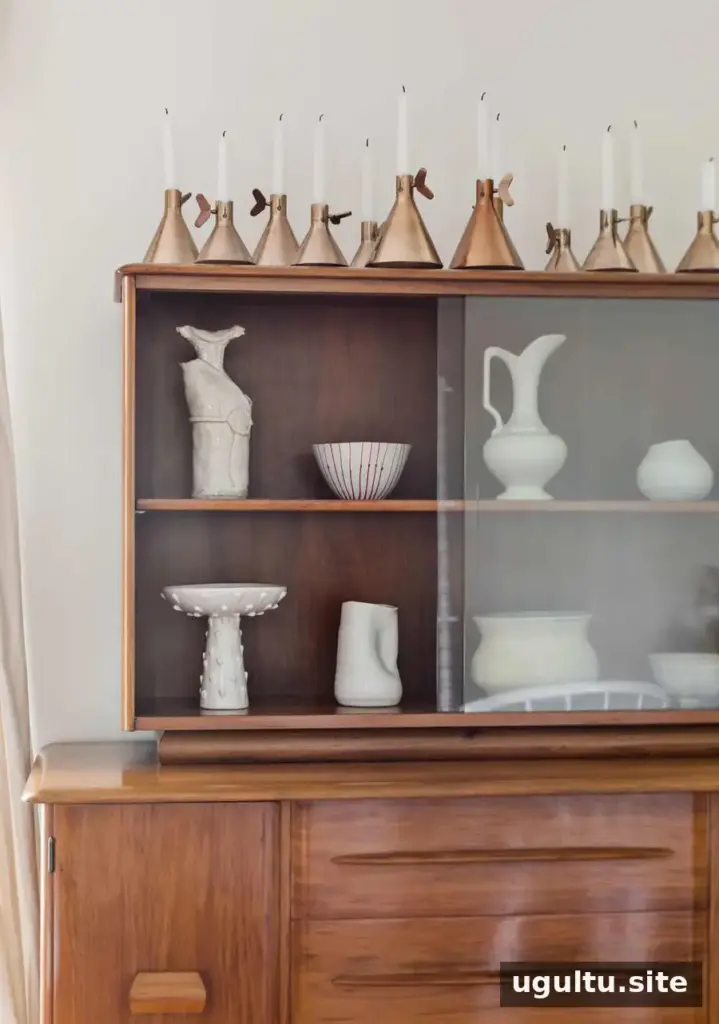
A collection can also be shaped by a simple visual idea. For example, a group of white pottery can create a calm, coordinated display in a cabinet. Thrift stores and garage sales can be good sources for adding pieces gradually.
When arranging a collection, vary the height and shape of objects to make the display easier to view, and leave enough space to handle fragile items safely. You can refine the arrangement as the collection grows rather than trying to find every piece at once.
Conclusion
To start an art collection, focus on personal meaning, genuine interest, and a budget that feels comfortable. Keepsakes, work by artists you know, secondhand paintings, and thoughtfully grouped objects can all make a home feel more individual. Take your time, care for each piece properly, and let your collection grow one enjoyable find at a time.
— Janae


