admin
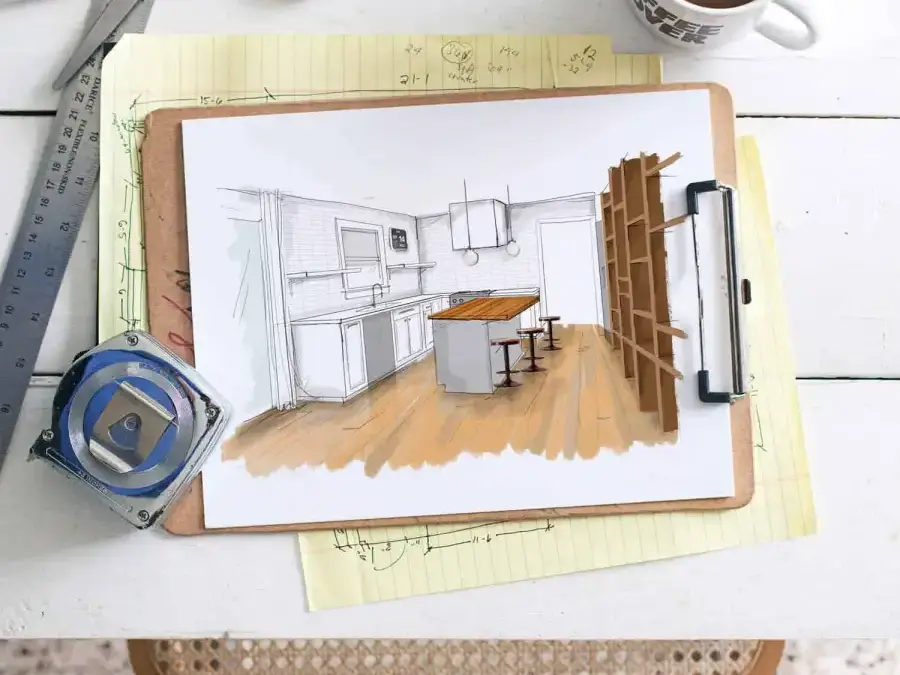
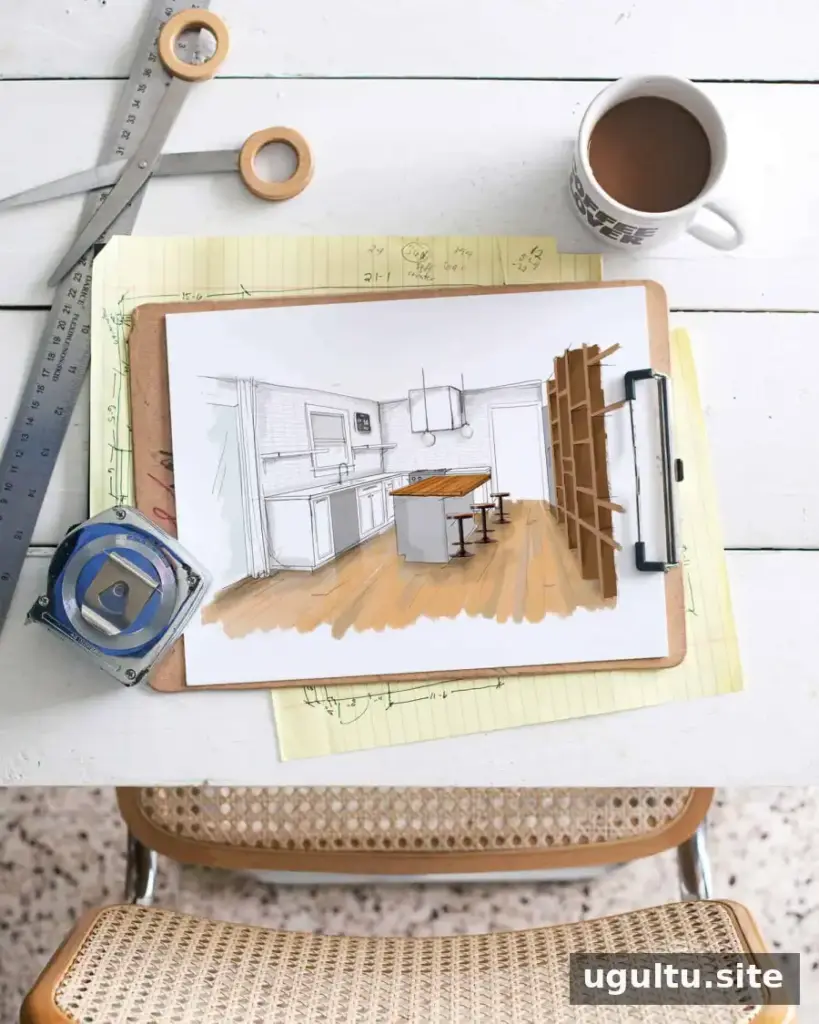
Renovation costs can rise quickly, whether you are updating one room or tackling several areas of your home. To save money on a home renovation, start with a clear spending limit, plan each stage carefully, and decide where professional help is essential. These 15 practical strategies can help you control costs without overlooking safety, quality, or the details that matter most.
15 Ways to Save Money on a Home Renovation
1. Set a budget before choosing finishes
Decide how much you can comfortably spend before selecting materials or fixtures. List anticipated costs in a spreadsheet, including labor, flooring, lighting, faucets, paint, countertops, hardware, appliances, tax, and delivery where applicable. Getting quotes early helps reveal which items are taking up the largest share of the budget.
Leave room for surprises. A 10% contingency is one commonly suggested starting point, though the amount that makes sense depends on the age and condition of the home. If estimates exceed your limit, adjust the scope or choose less expensive options before work begins.
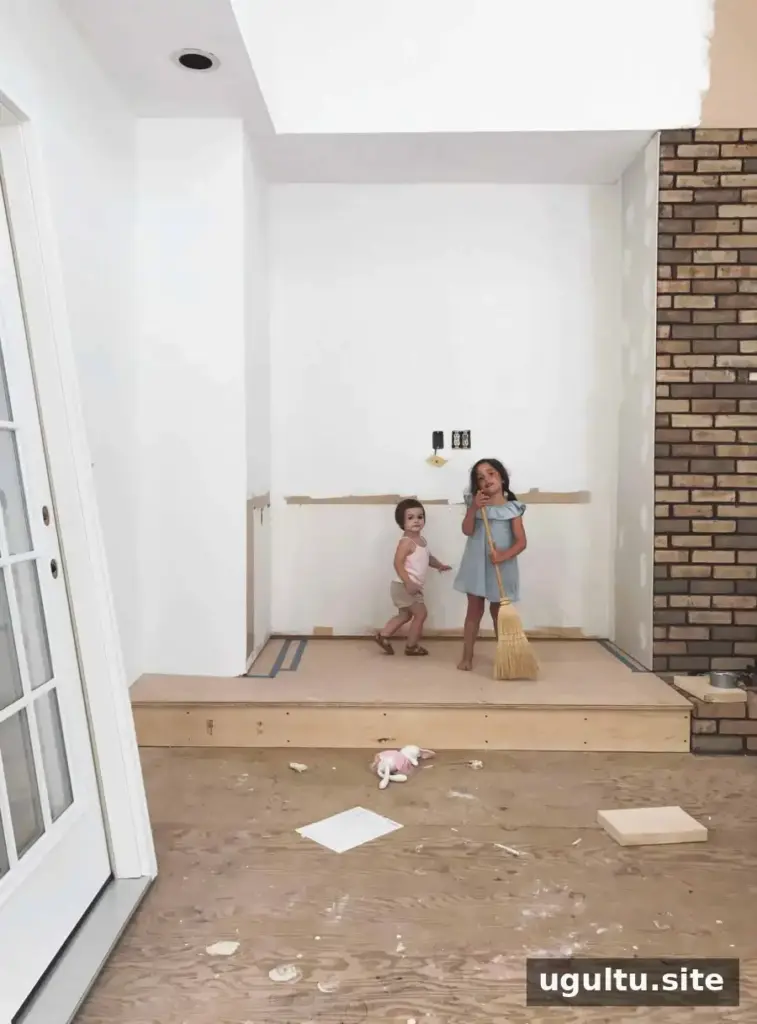
2. Pay with money you have set aside
Using savings for planned purchases can help avoid interest charges from loans or credit card balances. If you use a credit card for rewards or convenience, only charge expenses you can pay off promptly with your renovation funds. For a project that may increase a home’s resale value, compare financing costs with realistic potential returns rather than assuming the investment will pay for itself.
3. Give yourself time to plan
Rushing into construction can lead to expensive changes and decisions you later regret. Work through design choices, measurements, material availability, and contractor schedules before ordering supplies. Consider completing one or two rooms at a time, prioritizing the most disruptive work first. This approach can also make unexpected costs easier to manage without stopping several projects at once.
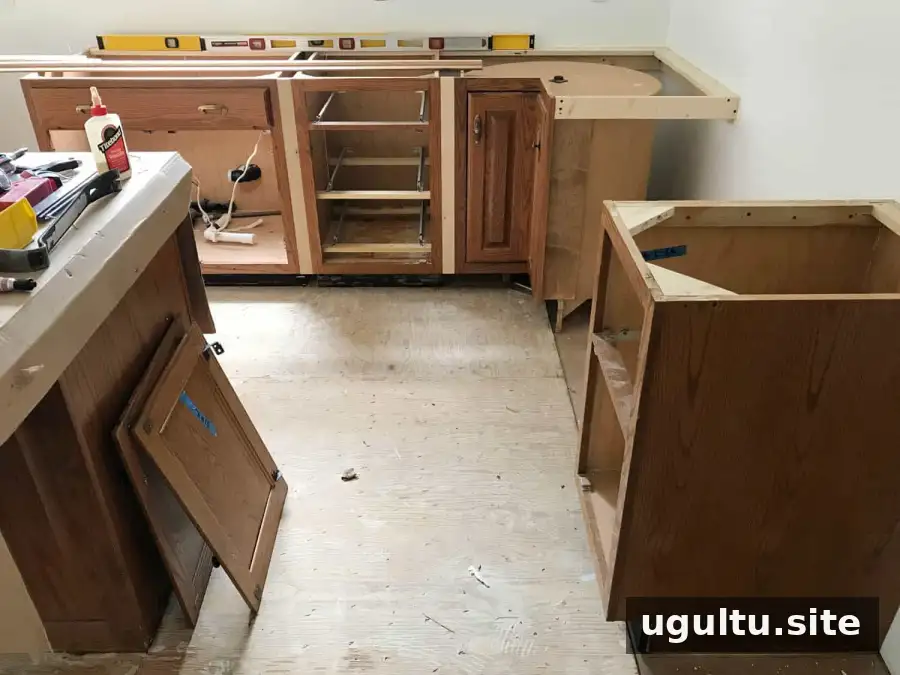
4. Handle suitable tasks yourself
Do-it-yourself work can reduce labor costs when the task matches your abilities. Cleaning, painting, removing non-structural finishes, or preparing surfaces may be manageable, but check what the project requires before starting. Factor in the time, tools, and cleanup involved; an error that needs professional repair can cost more than hiring help from the beginning.
Do not attempt work that requires a licensed professional unless you meet local requirements. Electrical work, utility-line changes, and structural alterations can pose serious safety risks. Check permit rules before removing walls or making other structural changes.
5. Reuse or source materials secondhand
Keeping serviceable cabinets, appliances, doors, or fixtures can reduce replacement costs. Cabinets may sometimes be refreshed with paint, new hardware, refaced surfaces, or replacement doors while retaining the existing cabinet boxes. Inspect used items carefully for damage, missing parts, and compatibility before buying.
Salvage shops, community reuse centers, building-material auctions, and local resale listings can offer additional options. Measure your space and confirm quantities before purchasing, especially for materials that need to match.
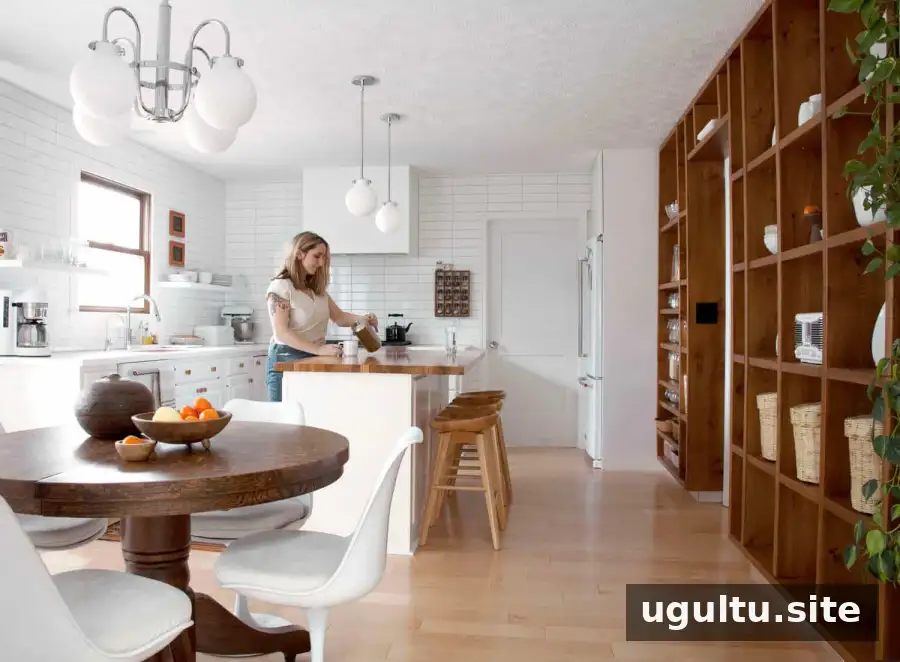
6. Balance higher- and lower-cost finishes
Choose a few features that deserve a larger share of the budget, then save on elements that have less impact on function or appearance. The right balance depends on the room and your priorities. Compare complete combinations of materials rather than selecting one expensive feature in isolation; a cohesive, durable design often matters more than choosing the most costly option in every category.
7. Watch for seasonal sales
Research sale periods for major purchases before placing orders. Appliances may be discounted around major holiday promotions, while electronics and power tools often have sales during late-year shopping events. Outdoor furniture and lawn-care equipment may be less expensive toward the end of summer. Floor models and items with cosmetic damage can also cost less, but check warranties, condition, and return terms.
8. Accept help selectively
Friends or family may be able to help with tasks they know how to do, but unclear expectations can create stress or costly mistakes. Agree in advance on the work, schedule, tools, and whether payment or a service exchange is expected. For specialized or safety-sensitive work, use a qualified professional rather than relying on informal help.
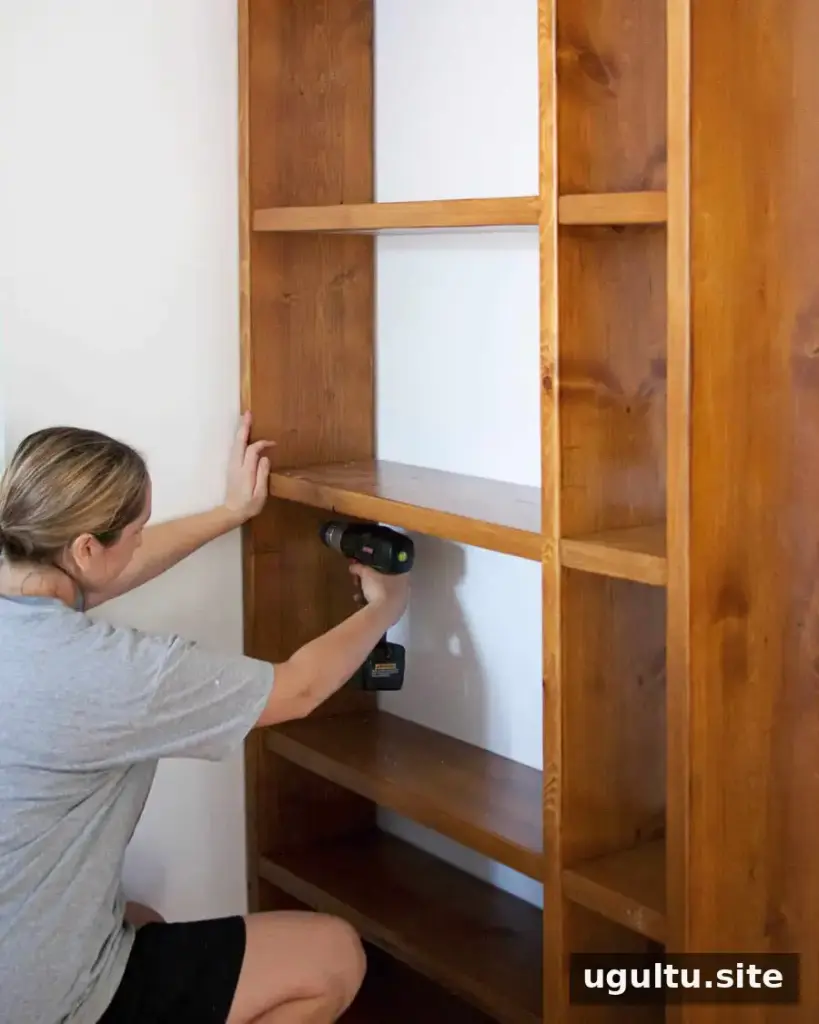
9. Compare professionals carefully
Get multiple written estimates and compare what each includes, not just the total price. Check references, reviews, licensing, and insurance where applicable. A general contractor may charge for coordination, but managing separate trades yourself also takes time and can cause scheduling problems. Consider your availability and the project’s complexity when deciding how to organize the work.
Ask about payment schedules, materials, cleanup, and how changes are priced. Skilled workers may have more availability during the off-season, which often falls after the holidays and before summer, though timing varies by region. Confirm schedules and terms directly rather than assuming a lower seasonal price is guaranteed.
10. Look for lower-cost design alternatives
Consider simpler ways to achieve the look or function you want. Standard shelving, ready-made storage, construction-grade lumber with a suitable finish, or applied trim may be less expensive than custom-built options. Some laminate surfaces can be refinished, but check that the product is appropriate for the surface and follow its preparation and application instructions. Compare the cost and expected durability of a repair with replacement before choosing.
11. Keep plumbing and appliances in place when practical
Moving sinks, tubs, stoves, walls, or windows can add costs for plumbing, wiring, ventilation, structural work, and replacement finishes. Keeping the room’s existing layout may help control the budget if it still functions well. If a move is necessary, get professional advice and an estimate for all related work before committing.
12. Use enduring choices for permanent features
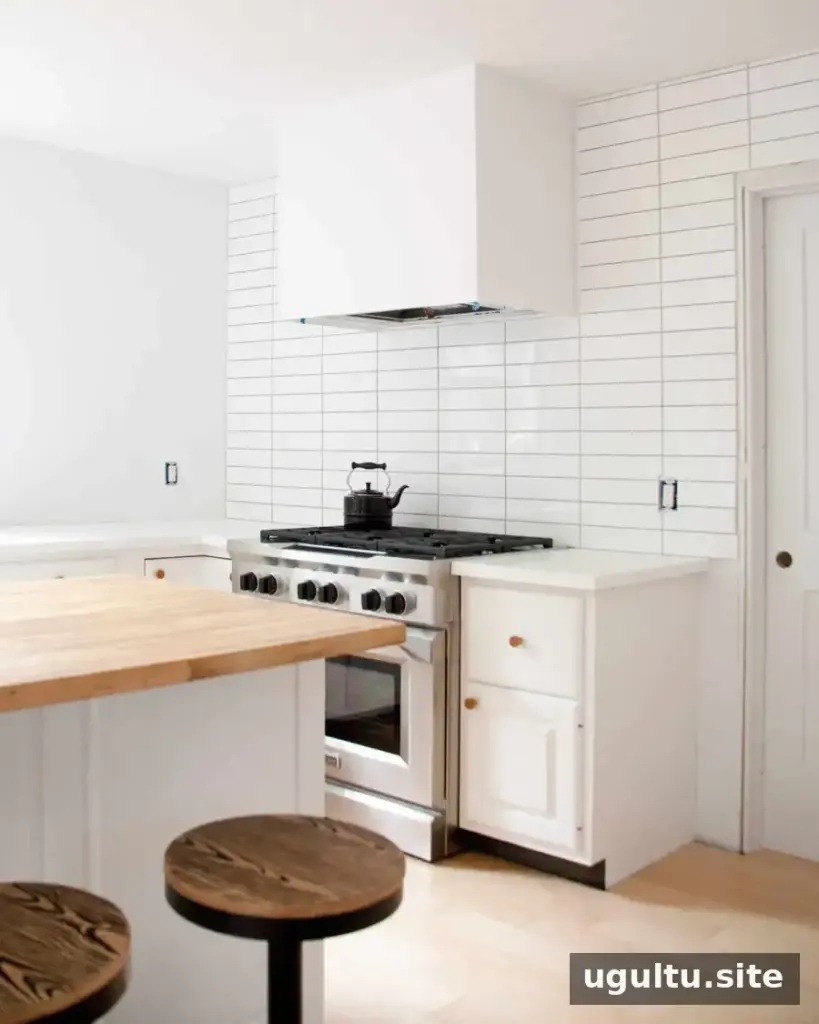
Highly distinctive finishes can be appealing, but replacing tile, flooring, or built-in elements later may be expensive. For permanent surfaces, choose options you expect to live with comfortably for years. Add changing colors or trends through easier-to-update details such as paint, lighting, textiles, and accessories.
13. Do not overlook energy efficiency
Efficient appliances, insulation, windows, and exterior doors can cost more initially but may reduce energy use over time. Compare purchase and installation costs with realistic utility savings. Avoid financing an upgrade without considering interest charges, since they can offset the savings. For insulation or window work, ask about suitability for your climate and the condition of the home.
14. Sell or donate usable items
Old cabinets, appliances, light fixtures, doors, and hardware may still be useful to someone else. Sell items in good condition through local resale channels, or consider donating reusable materials to a community building-material reuse center. Remove fixtures carefully and follow safety precautions; items that are damaged or unusable may need responsible recycling or disposal.
15. Use rewards only when they fit your budget
Rewards programs may offer points, discounts, or other benefits on planned purchases. Compare any rewards with fees and interest, and pay a credit card balance in full by the due date to avoid interest charges. Some grocery stores also offer benefits when purchasing gift cards, but check the terms and make sure the cards are for expenses you already planned.
Additional costs to include in your renovation budget
Older homes may need plumbing, electrical, or wall-material updates that are not obvious before work begins. Homes built before 1950 may warrant extra attention during planning, so consider allowing more contingency funds and asking qualified professionals about potential issues.
If you are buying a home that needs work, ask an inspector to assess moisture, the foundation, and signs of pests. These concerns can be expensive to address. A moisture meter or an additional pest inspection may provide useful information, but inspection methods and available services vary. Check permit requirements and any homeowners association rules before starting work, since restrictions may affect the changes you can make.
Conclusion: Save money on a home renovation with a plan
To save money on a home renovation, match the project to your budget, take time to compare options, and avoid cutting corners on safety or essential work. A clear scope, a contingency fund, and careful hiring decisions can reduce stress as well as unexpected costs. Plan around your skills and priorities, and complete projects at a pace you can afford.
— Mandi