
 admin


In portrait photography, a small reflection of light in the eyes can make a subject appear more present and expressive. These reflections are called catchlights. They add visual depth to a portrait and can help keep the eyes from looking flat. The effect is also noticeable in older portrait processes, including Daguerreotypes, where bright details in the eyes contribute to a vivid appearance.
What Are Catchlights?
A catchlight is a reflection of a light source visible on the surface of the eye. It often appears as a small bright spot, though its size, position, and shape depend on the light and the way it reaches the subject. Catchlights are a subtle detail, so check the eyes while composing rather than waiting until after the shoot to notice them.

You can create catchlights in a studio, outdoors, or at home. The key is to position the subject so that a useful light source is reflected in their eyes, then review the result on your camera or phone screen.
How Light Sources Shape Catchlights
The reflection generally resembles the shape of the light source. A square or rectangular studio light may create a similarly shaped highlight. Sunlight can produce a small, round reflection, while nearby surroundings—such as trees—may also appear in the eyes when they are reflected by the light.

Some photographers prefer catchlights near the 10 o’clock or 2 o’clock position. These are common placements, not strict rules. Choose a position that looks natural with the lighting and composition, and avoid moving the light so far that it creates distracting reflections.
Posing and Focus for Strong Catchlights
Ask the subject to lower their chin slightly and look toward the camera or the light source. This can make the eyes appear more open and help the reflections show clearly. You can also try having the subject sit while you photograph from a slightly higher position. Make small adjustments and check the eyes between shots; a small change in head angle can alter the catchlights.
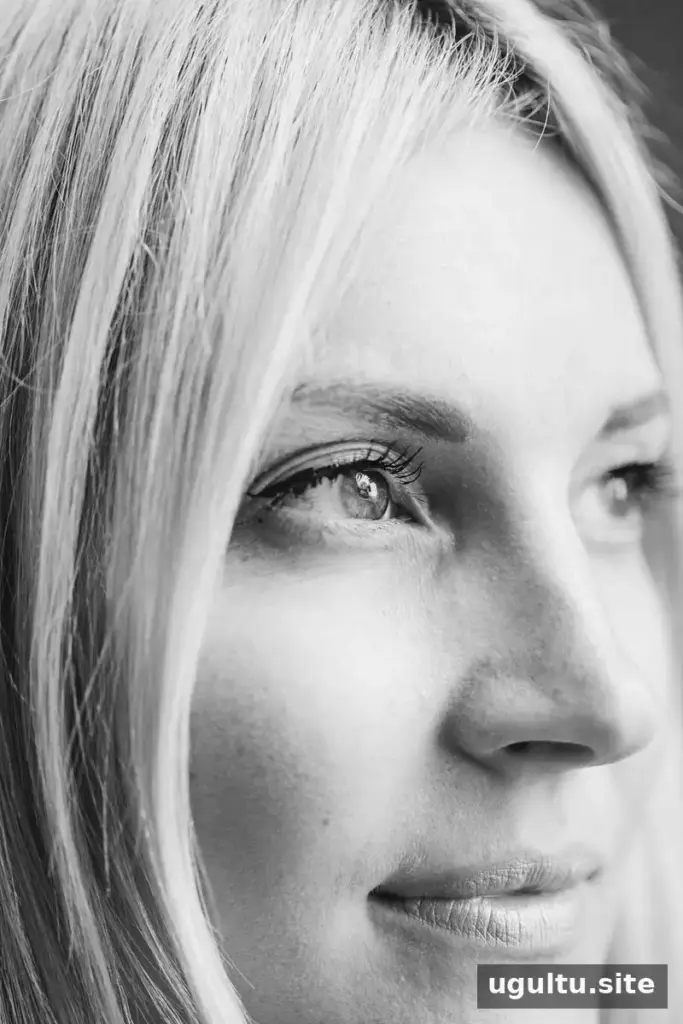
A wide aperture can blur the background and draw attention to the face, but it does not automatically make the eyes sharp. Focus carefully on the nearer eye, especially when using a shallow depth of field, and review the image at full size when possible.
Using Reflectors to Add Light
A reflector can bounce existing light back toward the subject and brighten the face and eyes. Outdoors, position it below or beside the subject and move it until the light looks even and the catchlights are visible. Take a few test frames as you adjust the angle. If the reflection is too strong or the face looks uneven, change the reflector’s position or ask the subject to shift slightly.

A dedicated reflector is not essential. A white foam board or a nearby white wall can also bounce light. Look for a safe, stable surface and check that the reflected light is not uncomfortable for the subject.
Creating Catchlights Outdoors and Indoors
On a sunny day, placing the subject in open shade while they face the brighter sky can provide softer, more even light than asking them to look directly into harsh sun. A reflector can add a little light to the face if needed. Watch for squinting and strong shadows, and adjust the subject’s position rather than relying on one fixed setup.
Indoors, try positioning the subject near a window or glass door. The window can act as a broad light source and create a natural-looking reflection. Turn the subject gently toward the light and check that the background and face remain properly exposed.

Using a smartphone: You do not need a DSLR camera to capture catchlights. Use a window or outdoor light, move close enough for the eyes to be visible, and tap the subject’s eye on the screen to set focus. Avoid digital zoom when possible, as moving closer or cropping later can preserve more detail.
Final Tips for Catchlights
Catchlights can make a portrait feel more lively, but they should support the photograph rather than distract from it. Look for a clear reflection, keep the subject comfortable, and make small changes to their position or the light until the eyes look natural. With practice, catchlights become an easy detail to check in both camera and smartphone portraits.

—Janae


