
 admin
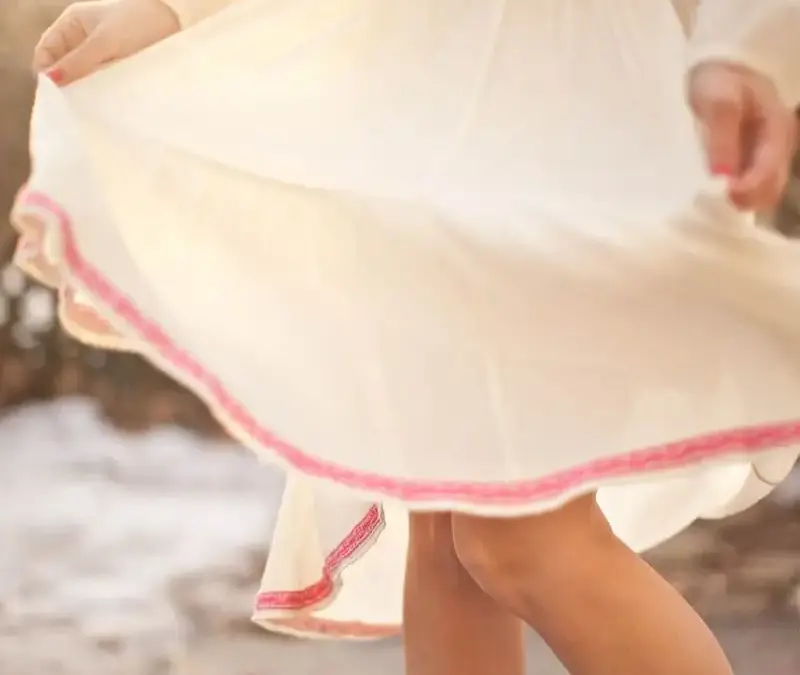
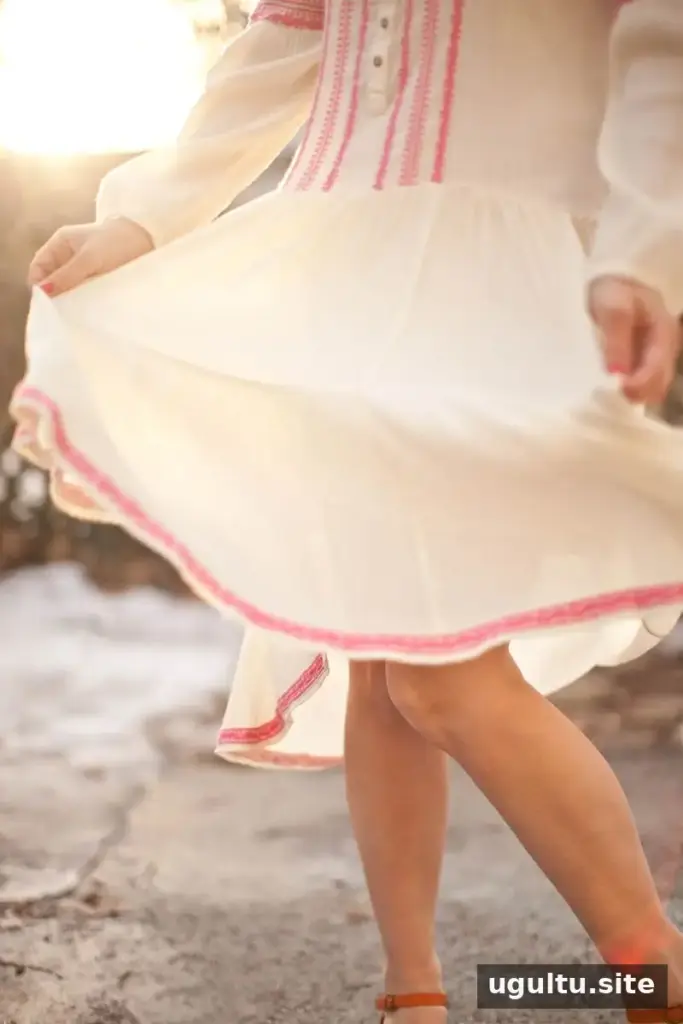
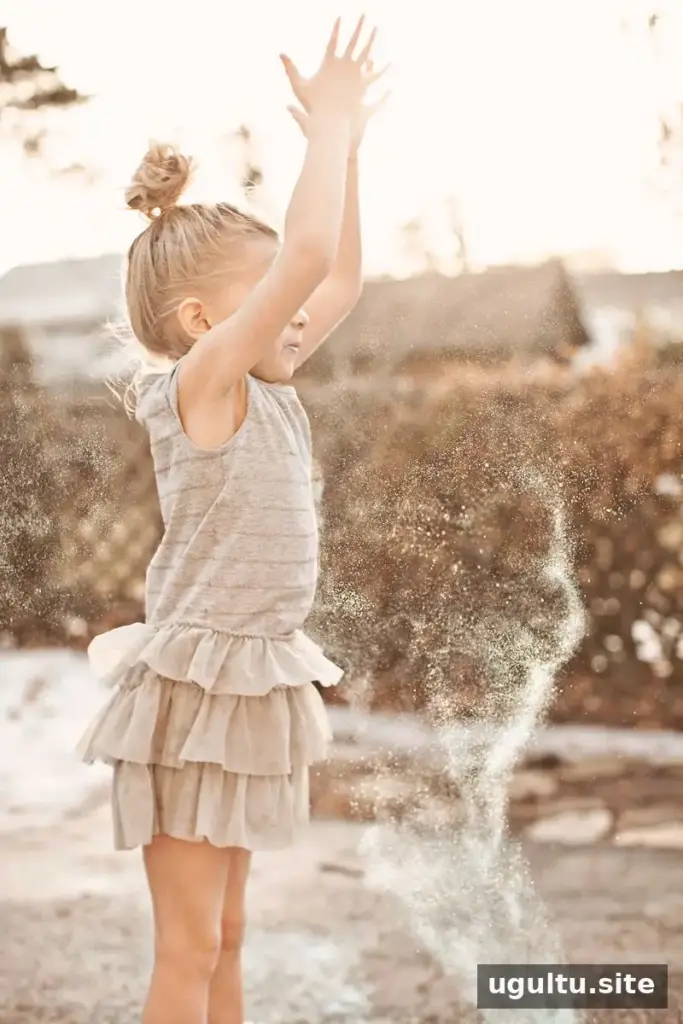
Magic hour is a favorite time for photography because the sun sits low near the horizon and casts soft, warm light across the scene. Also known as golden hour, it occurs around sunrise and sunset. Understanding when it happens and how its light behaves can help you create more flattering portraits and atmospheric landscapes.
What Is Magic Hour?
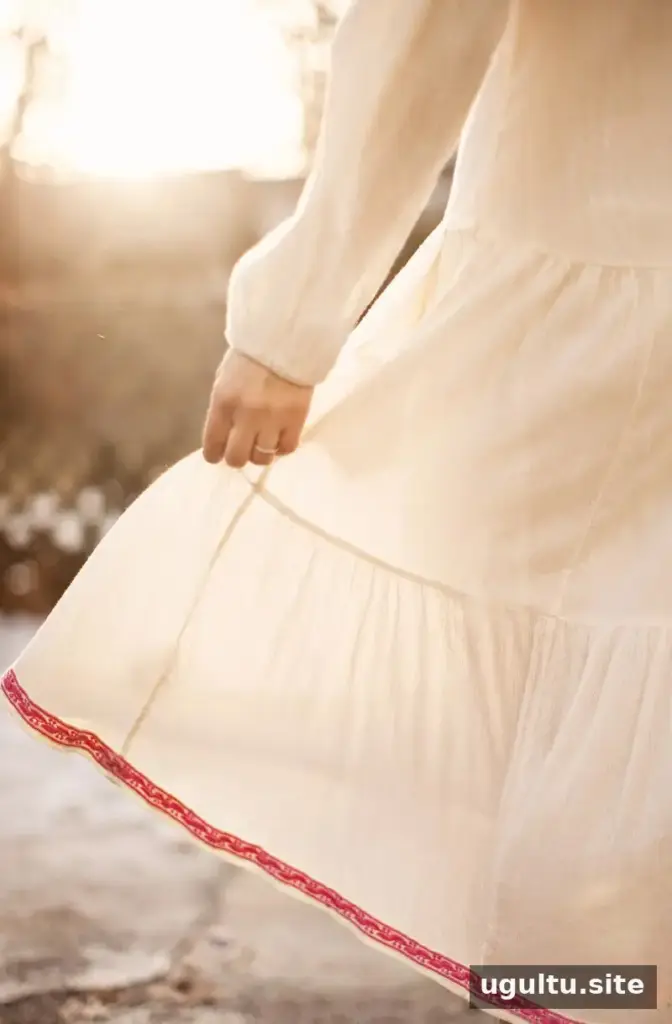
Magic hour describes the period shortly after sunrise or before sunset, when the sun is low and its light travels through more of the atmosphere. The result is often a gentle glow, longer shadows, and warmer colors than you would see in the middle of the day. The exact timing depends on your location, date, and weather, so it may not last precisely one hour.
For the best chance of catching this light, check local sunrise and sunset times ahead of your shoot and arrive early. The color and quality of the light can change quickly, so having your camera or phone ready makes it easier to work efficiently.
Why Magic Hour Light Looks Different
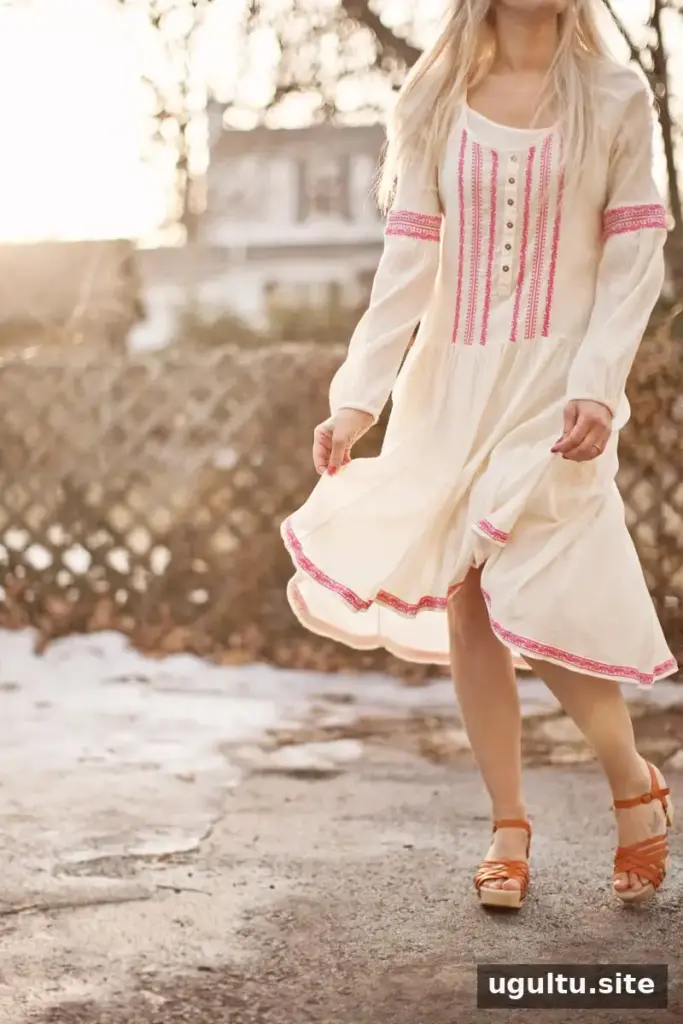
At midday, sunlight comes from high overhead and can create strong highlights and dark shadows on a person’s face. During magic hour, the sun is lower and the light reaches your subject from a more horizontal direction. This often produces softer-looking facial shadows and a warmer, more even appearance.

Light direction still matters. Before taking a series of photos, move your subject or change your own position to see how the light falls. Avoid looking only at the background; check the subject’s face for bright spots or shadows as well.
Is Morning or Evening Better?
Both sunrise and sunset can offer beautiful conditions, but they may look different. Morning light can feel soft and cool, particularly when there is mist or dew. Evening light often appears warmer and may create a stronger golden cast. The result also depends on clouds, the landscape, and the direction you are facing.

There is no single best choice for every photograph. If you want a softer, quieter atmosphere, try an early-morning session. For richer warm tones, plan around sunset. Check a local weather forecast as well as sunrise or sunset times, since cloud cover can change the look of the scene.
How to Take Photos Outside Magic Hour
If you have to photograph when the sun is high, look for open shade: a shaded area that still receives bright, indirect light. Buildings and other structures can create useful shade in urban settings. Position your subject so the light is even across their face, and check the edges of the shade to avoid patches of direct sunlight.

When there is no natural shade, a scrim can help. This lightweight, translucent fabric sits between the sun and your subject, softening the light and reducing harsh highlights and shadows. Use a helper to hold it securely, and keep the fabric stable in breezy conditions.
What to Do When It Is Cloudy
Clouds may hide the direct golden rays, but overcast conditions can still be useful. Cloud cover diffuses sunlight, creating soft, even illumination that can work well for portraits. You may not get a bright sun flare or a glowing background, but you can still make appealing images.
Look for color and detail in the surroundings, and expose for your subject rather than expecting the sky to look bright. If the sky is much lighter than the foreground, changing your framing can help keep the subject as the main focus.
Capturing Magic Hour with an iPhone
A phone can capture attractive images during magic hour, though a bright sun in the frame may cause the camera to darken the rest of the scene. Tap a darker area of the image on the screen to adjust exposure for that part of the view. If the result becomes too bright, tap a lighter area instead. Review the image and make small adjustments before taking the final shot.

Be Ready for Changing Light
Magic hour can be brief, and the light changes as the sun moves. Prepare your camera settings and composition in advance, then watch how the scene develops. A little planning helps you spend more time photographing and less time searching for equipment or deciding where to stand.
Magic hour is a useful opportunity for soft, warm light, but it is not the only time to make strong photographs. Use shade, diffused light, and careful exposure when conditions are less ideal. With a little preparation, you can make the most of magic hour wherever you are.
—Janae


