
 admin


Knowing when to add or remove light fixtures can make a room more comfortable and functional without requiring a major renovation. A fixture may be poorly positioned, unnecessary, or simply not provide enough light for the way a space is used. Reviewing the room’s layout and lighting needs can help you decide whether to keep, move, remove, or add a light.
Small changes can also help distinguish different areas within one room. Before changing wiring or installing a ceiling fixture, consider how the space is used, where people need light, and whether a qualified electrician should handle the work.
When to Add or Remove Light Fixtures
Remove fixtures that are unnecessary or awkwardly placed
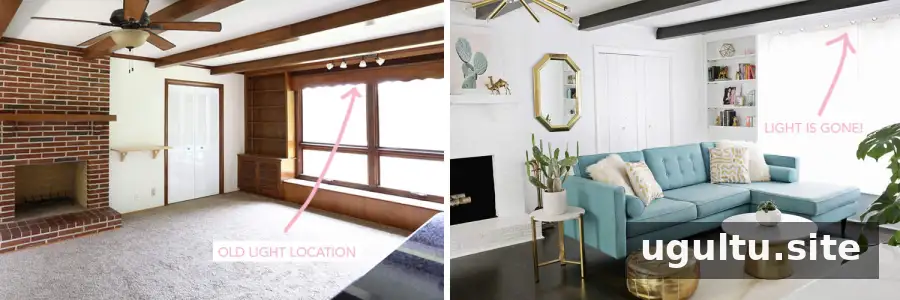
A light can feel out of place if it illuminates no useful area or conflicts with the room’s layout. For example, a branching fixture beside a window may provide little benefit if there is no seating, work surface, or other task below it.
If you would rarely switch on a fixture, removing it may be more practical than replacing it with a different style. In one home, an electrician removed an oddly positioned light and repaired the ceiling so the area looked uninterrupted.
Consider removal when a fixture does not serve a clear purpose. Have an electrician disconnect and remove hardwired lights, and ask about safely closing the electrical box and finishing the ceiling.
Add a light to define a separate area

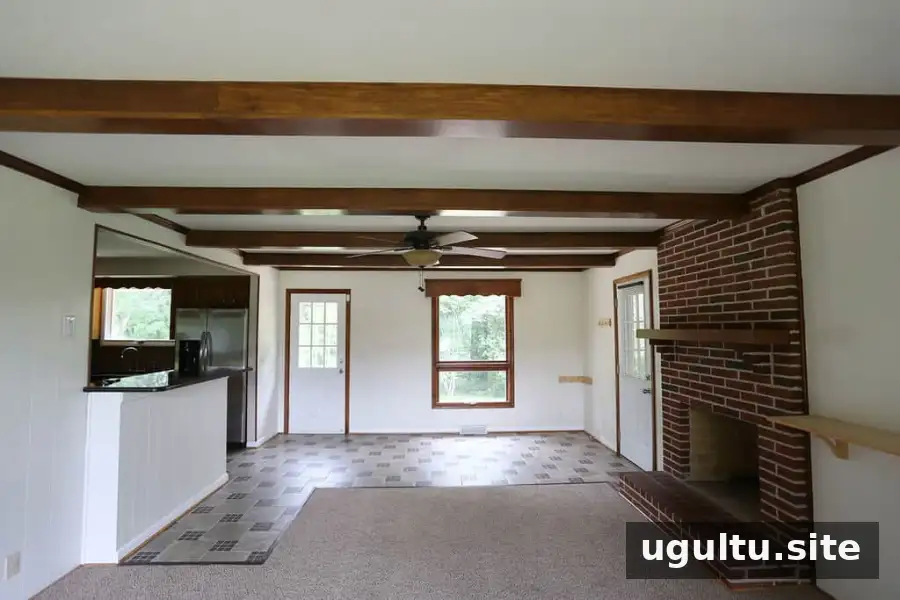
A dedicated light can make a small area feel intentional, especially when a larger room serves more than one purpose. A pendant above a breakfast table, for example, provides focused light and visually distinguishes the table from nearby seating.
This can be useful when the table is far from the room’s main ceiling light. Overhead lighting on a dimmer can provide general illumination, while a pendant creates a more focused pool of light when the table is in use.
Adding a hardwired fixture where there is no existing connection usually requires electrical work. An electrician can install the connection and connect it to a switch. Reusing an existing switch or wiring route may be possible, but the setup should be assessed on site.
Move lights that create unflattering illumination
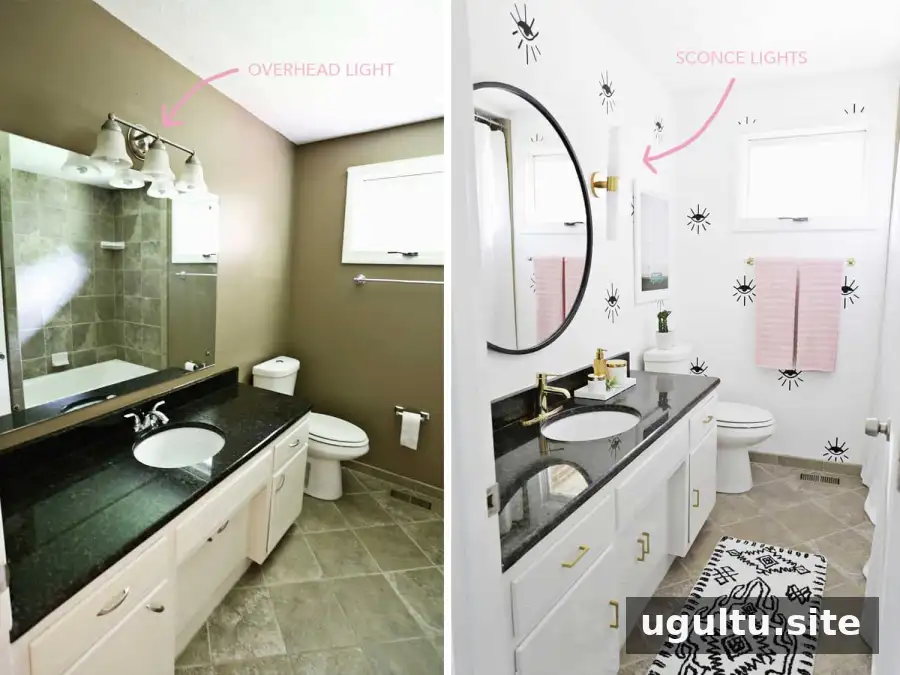
The position of a light can affect how comfortable a room feels and how faces appear in a mirror. In bathrooms, a single fixture above the mirror may cast shadows, while lights placed on both sides near face height can provide more even illumination.
Lighting preferences vary, so consider how the space is used before relocating a fixture. If light feels too harsh or bright, try a dimmer, a different bulb color temperature, or additional lamps that spread light from other directions. If the problem is the fixture’s position, ask an electrician whether it can be moved.
Add lighting when the room still feels dim

One ceiling light may not provide enough illumination for a large room or for several activities. Floor and table lamps can help fill dark areas, but they may be awkward if there is no suitable place for them or if their cords cross a walkway.
Wall-mounted lights can be a useful alternative. Plug-in sconces, for example, can add light near a television or seating area without requiring a new hardwired connection. Position cords safely and follow the product’s installation instructions.
Planning a New Fixture in a Multi-Use Room
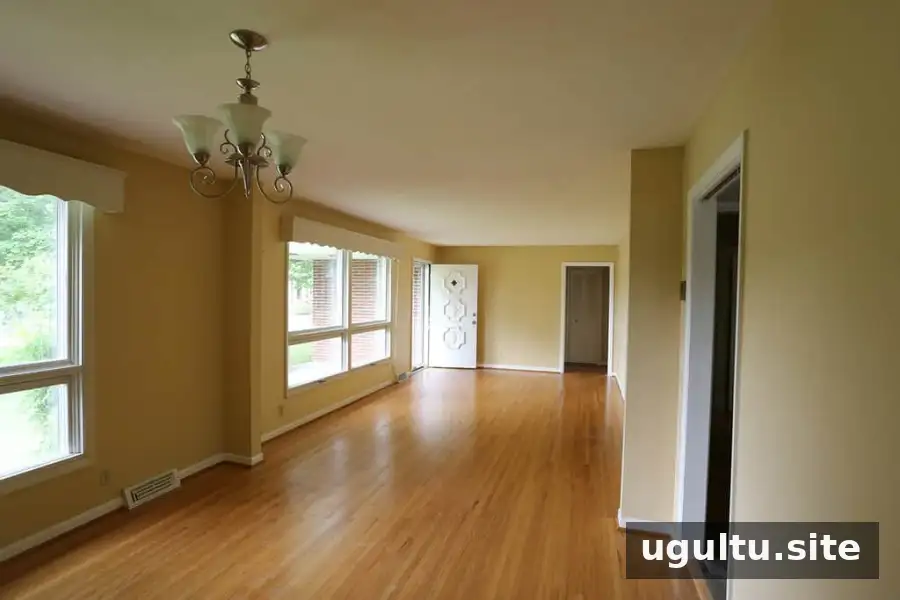
In one front room, the dining table had a ceiling light on one side, while the seating area across the room felt dark. A lamp did not provide the desired coverage, and a second fixture could also help make the seating area feel distinct from the dining space.
When two parts of a room serve different purposes, fixtures can complement one another without being identical. If both lights serve the same central activity, matching fixtures spaced evenly may create a more unified look. For separate zones, choose designs that coordinate in scale or style and suit each area.

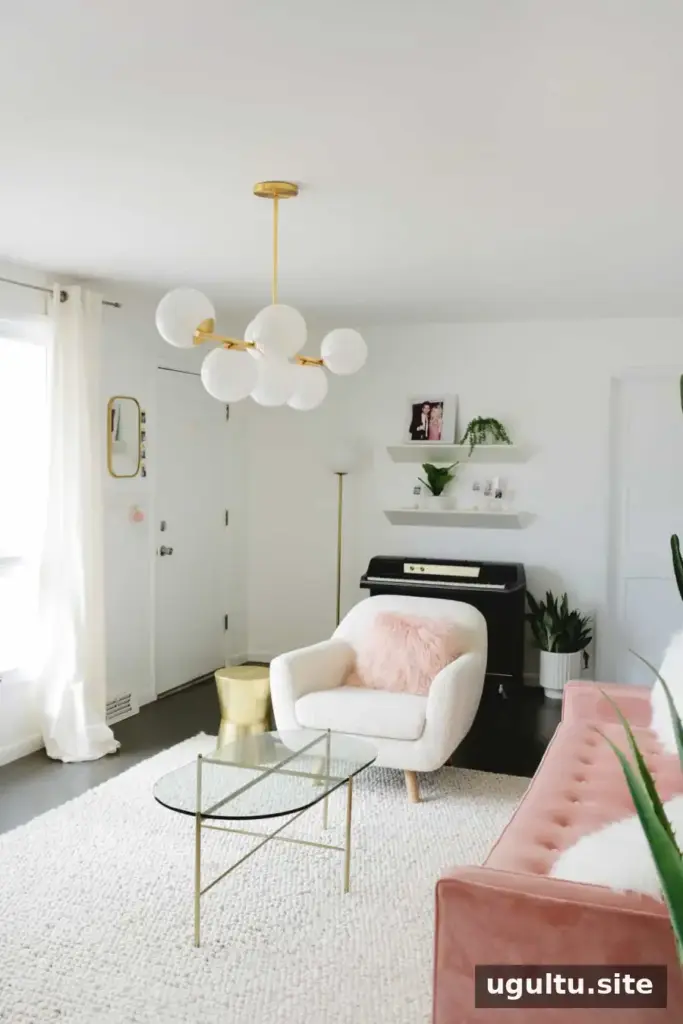
An electrician installed a new ceiling connection for the seating area. Both fixtures were placed at the same switch location, with separate dimmers so each light could be adjusted independently. This setup makes it possible to illuminate the whole room or set a different brightness for each zone.
Before installation, decide how you want to control the lights and discuss switch and dimmer options with your electrician. Electrical requirements can vary by home, so have wiring work assessed by a qualified professional.

Choose Bulbs That Work Well Together

Fixtures in the same room tend to look more cohesive when their bulbs have a similar color temperature. Mixing noticeably cool-toned and warm-toned bulbs can make the difference between fixtures stand out, particularly when both are on at once.
Check bulb specifications before buying replacements and compare the light in the room at the time of day you typically use it. Dimmers can also help adjust brightness, but make sure the bulbs are compatible with the dimmer.
Conclusion: When to Add or Remove Light Fixtures
Think about when to add or remove light fixtures by assessing whether each light serves a purpose, provides enough illumination, and suits the way the room is used. Removing an unhelpful fixture, adding light to a dim area, or creating a separate zone can improve a room’s function and feel. For hardwired changes, consult a qualified electrician before work begins.
— Laura


