
 admin
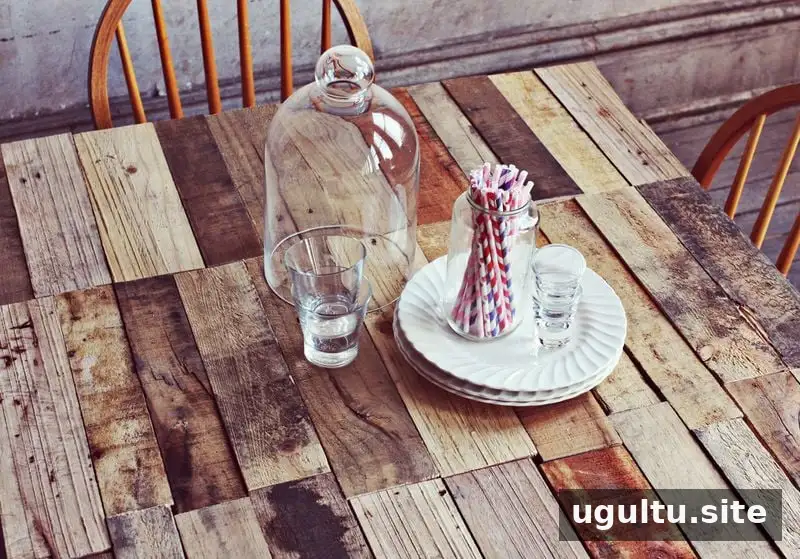
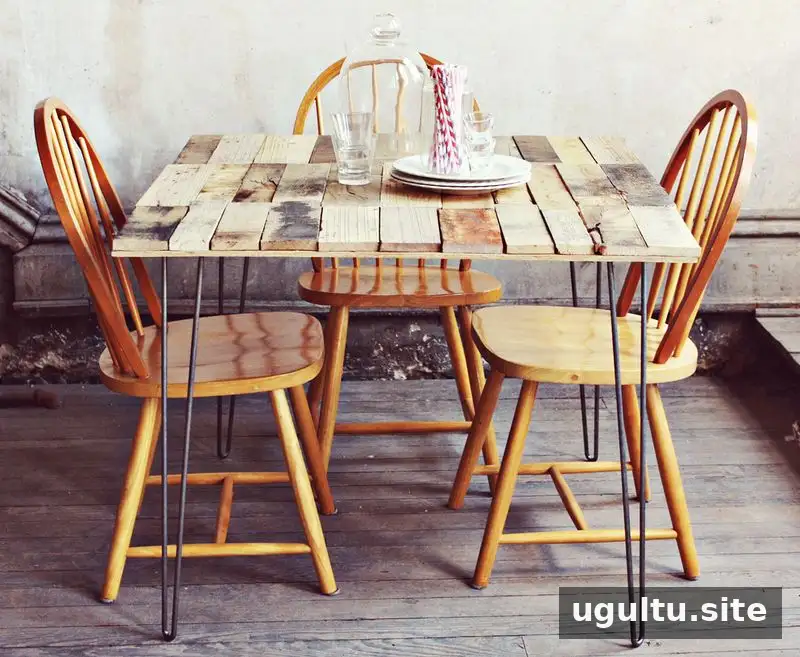
A wood pallet table DIY project can turn reclaimed wood into a compact, rustic table tailored to your space. This guide explains how to prepare the pallet slats, attach them to a plywood base, and install the legs. The project uses basic power tools, so review each tool’s instructions and safety features before starting, and work attentively throughout.
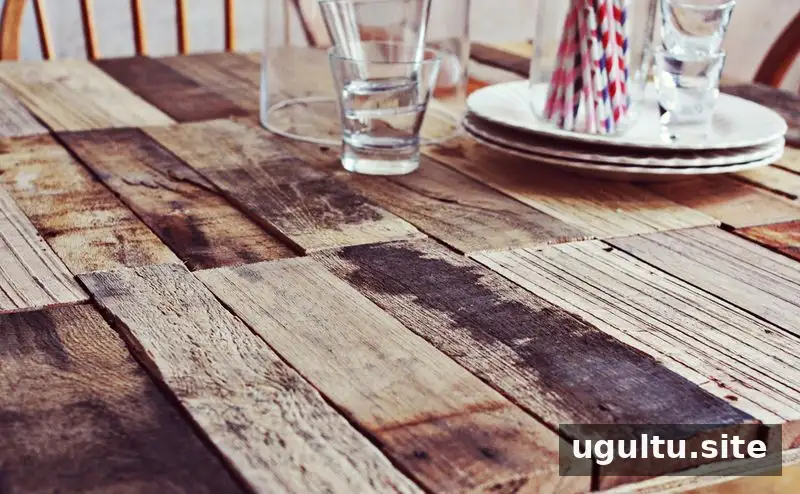
Planning a wood pallet table DIY project
A small table made from pallet wood can bring together varied wood colors and textures. Using a plywood base makes it possible to arrange the slats into a tabletop that suits the dimensions you need. Before cutting, check that the pallet is suitable for reuse and set aside enough space to lay out the pieces.
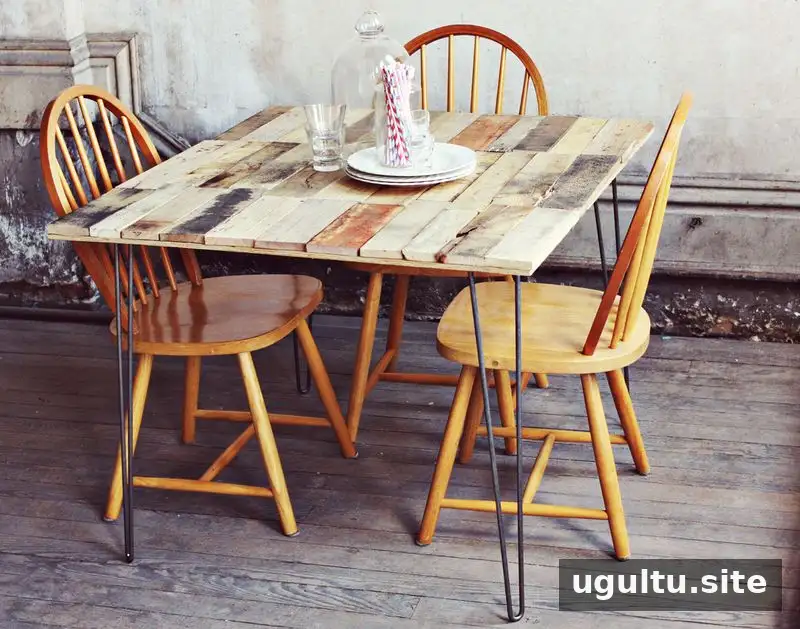
The original project used a partially broken pallet and hairpin legs to create a table for a small dining area. The legs were positioned about 1 1/2 inches in from the tabletop edge.
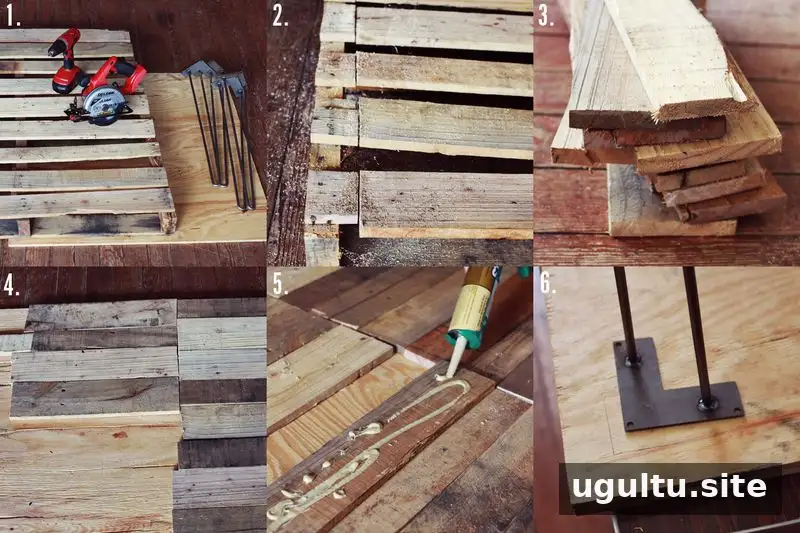
Materials and tools
- Plywood cut to the desired table size
- One or two old pallets, depending on the table size
- Table legs, such as hairpin legs
- Drill and saw
- 12 screws
- Construction adhesive
- Sanding block
How to make the table
- Remove the wooden slats from the pallet. Take care when using the saw, and follow its safety instructions.
- Collect enough slats to cover the plywood tabletop. Arrange them on the base in your preferred pattern, treating the layout like a puzzle.
- Mark the edges of the plywood on any slats that extend beyond it, then saw off the excess so the pieces fit the base.
- Apply construction adhesive to the slats and position them on the plywood. Allow the adhesive to dry overnight, following the product instructions.
- Turn the tabletop over and mark where the legs will attach. In this project, the marks were about 1 1/2 inches from the edge. Secure the legs with screws. Adhesive may also be applied before the screws for additional support.
- Lightly sand the tabletop and edges to smooth rough areas.
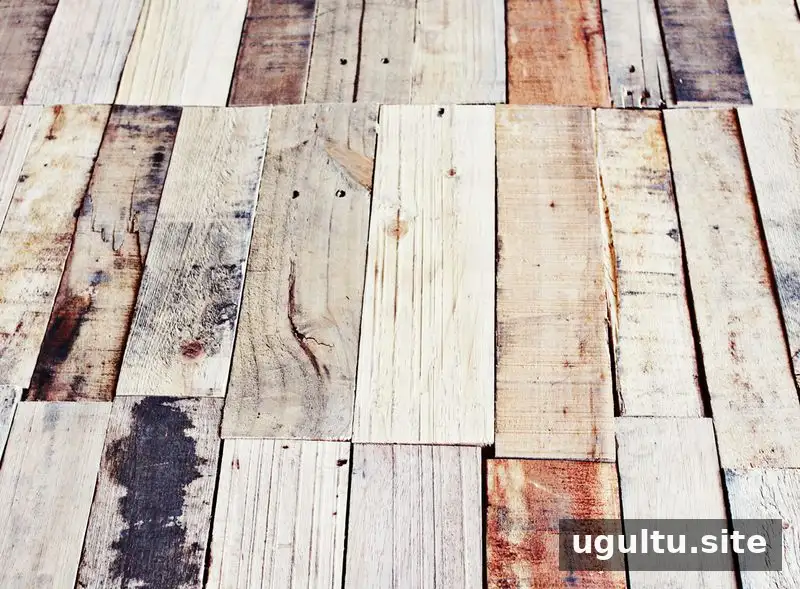
Finishing and using your pallet table
A reclaimed-wood tabletop will often have a rustic finish, including small crevices or uneven spots. These features add character but can make the surface harder to clean than a smooth tabletop. If you plan to use the table for meals, consider how its texture will work for your needs before deciding whether to seal it.
A heavy-duty matte polyurethane was recommended for the original project to help protect the wood while changing its appearance as little as possible. Sealers vary, so ask a hardware professional about suitable options and follow the product’s application and curing directions. Do not assume a finish is suitable for food contact unless its labeling specifically says so.
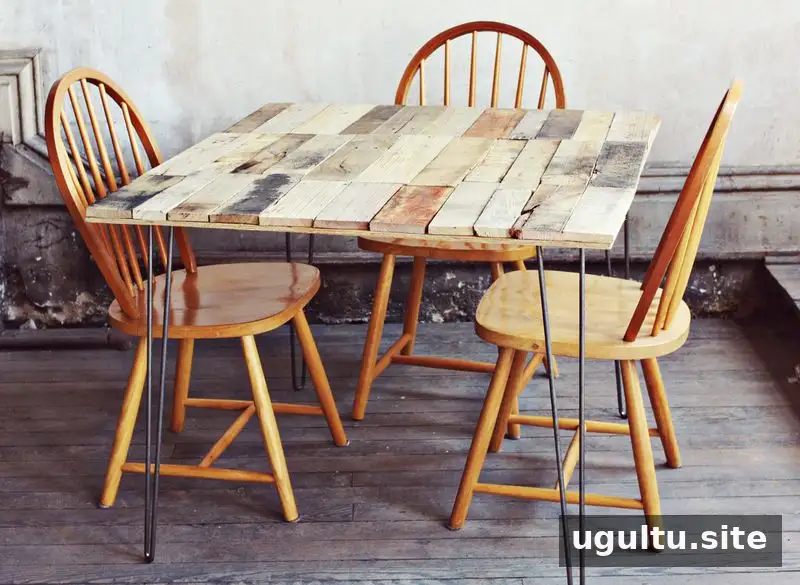
The finished table offers a way to reuse pallet wood and customize a piece for a particular room. Its legs can also be removed and reused in another project if the table is no longer needed. For a practical wood pallet table DIY result, plan the slat layout carefully, check that the base and legs are secure, and account for the surface’s rustic texture. Project by Emma.


