
 admin
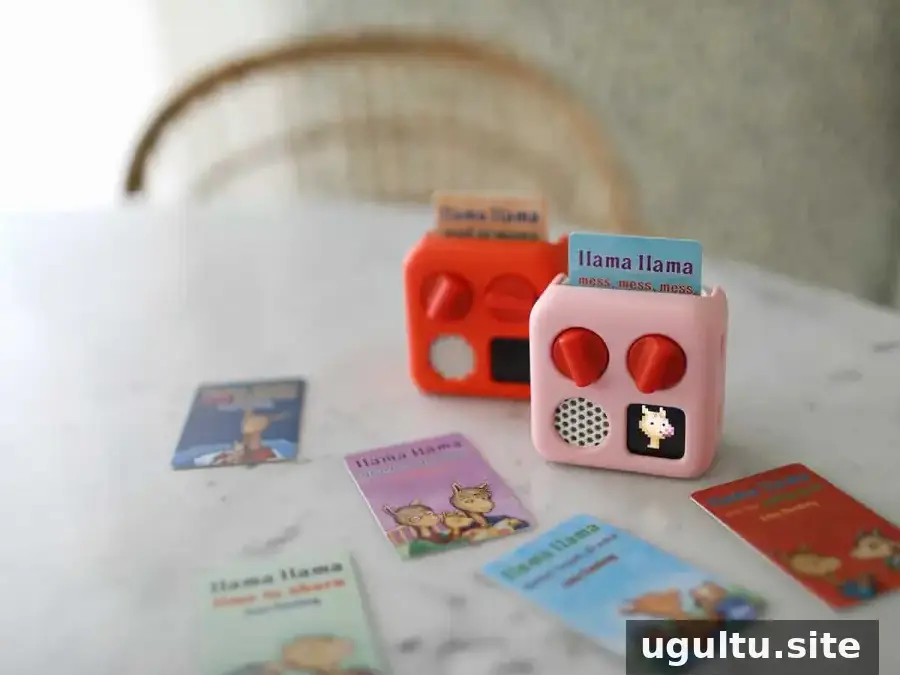
This Yoto Mini review looks at how the compact audio player worked for a family with children ages 4 and 6. It offers an audio-based way to enjoy stories, music, and other listening content without handing children a phone or tablet. Here’s what to know about its cards, everyday use, and a few practical considerations.
Yoto Mini review: how the player works
Yoto players are available in full-size and Mini versions. Children use content cards to play stories, music, meditations, and other audio. The card-based format gives them a straightforward way to choose what they want to hear, while keeping the experience focused on listening rather than a tablet screen.
For children who are still learning to read, audiobooks can make stories accessible before they can read independently. They can also be a useful addition to shared reading time, rather than a replacement for books and an adult reading aloud. A helpful starting point is to choose a small selection of cards that suit your child’s interests and daily routine.
Story cards and bedtime listening
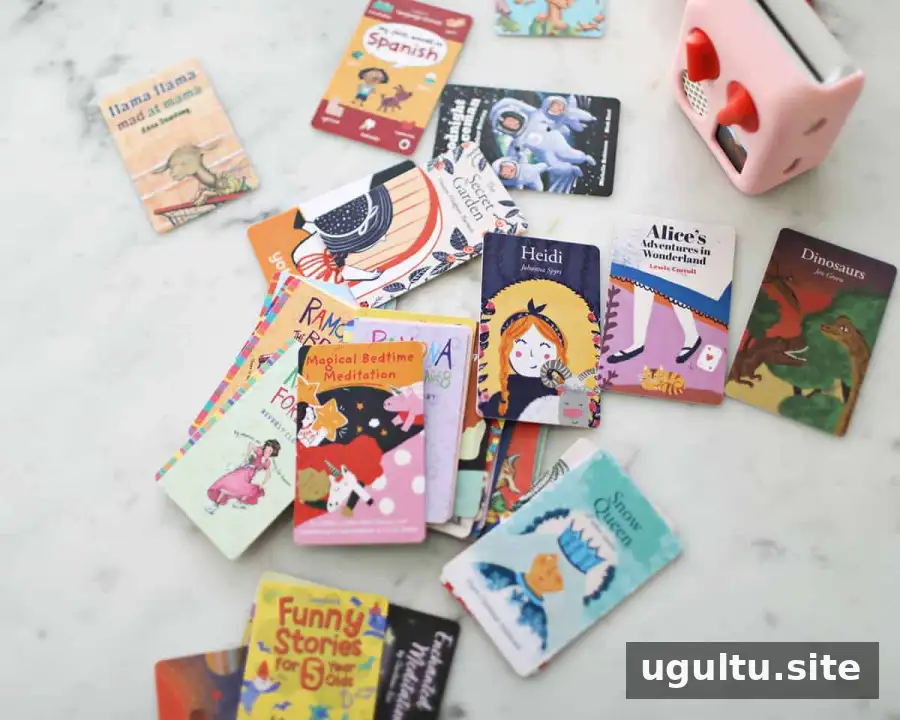
The family began with bedtime content, using audio as one part of the evening routine. The cards in their collection included Magical Bedtime Meditation, Bedtime Meditations, and Mermaids and Fairy Dust Meditations. For a calmer bedtime, try choosing a card in advance and keeping the volume at a comfortable level.
Classic stories are another option. The collection included titles such as The Jungle Book and Classic Fairy Stories. Favorite character collections included Llama Llama Collection, Winnie the Pooh Collection, and the Beatrix Potter Collection. In this household, the Llama Llama set was played most often. Children’s preferences can vary, so starting with a familiar character may help identify which types of content they enjoy.
Disney/Pixar cards had not yet been added to the collection at the time of the review. They may be another option for families whose children already enjoy those stories.

Radio, podcasts, and everyday use
Alongside the cards, the children listened to Yoto Radio, which plays a varied mix of music, and the Yoto Daily Podcast, which includes birthday shoutouts, activities, and games. These options add variety when children want something different from a story card. It’s useful to check the available content and choose options that fit your family’s preferences.
The children enjoyed operating the small players themselves and felt grown-up using them. The audio-focused format kept them engaged without the experience of using a tablet or phone. Listening can encourage children to spend time with stories, but it does not replace learning to read or the benefits of reading together.
Practical tips for using a Yoto Mini
- Organize cards simply: A small basket can keep cards easy to find and return. Choose a storage method that children can manage independently.
- Plan for shared spaces: If two children play different audio at the same time, the combined sound may become distracting. Children’s headphones can be useful for travel or separate listening.
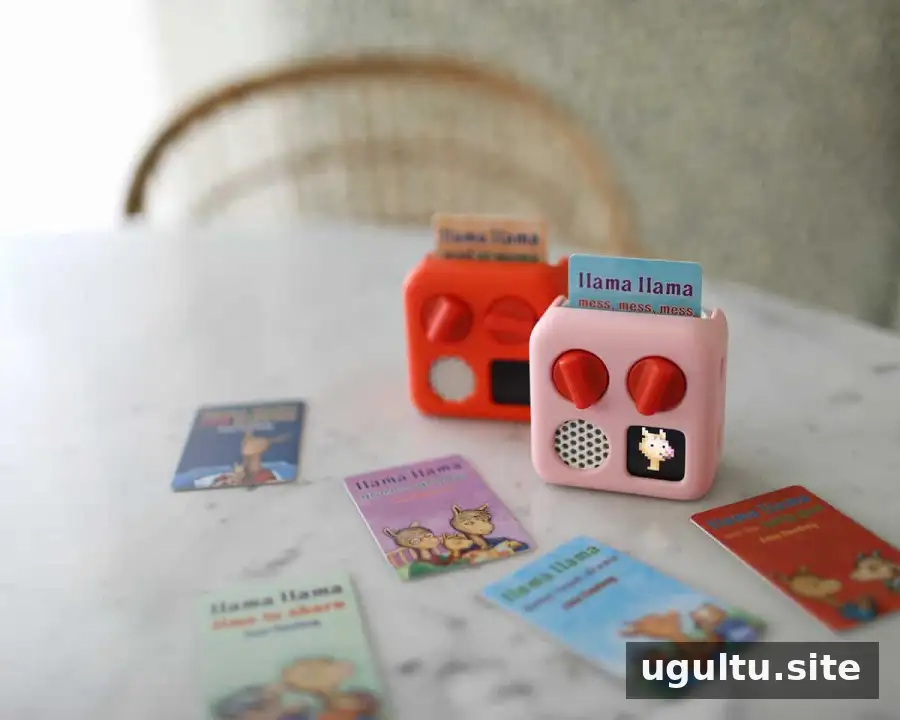
- Check accessories separately: The pink and orange rubber sleeves mentioned in this review are sold separately.
- Build a focused collection: A few bedtime, classic-story, or favorite-character cards can make it easier for children to choose without overwhelming them.
Frequently asked questions
How do you get the pink and orange colors?
The colored rubber sleeves are sold separately, so check which accessories are included before choosing a color.
Which stories were played most often?
In this family’s experience, the Llama Llama collection was played the most. A familiar character can be a good first choice when building a card collection.
Is the volume loud?
The review describes the maximum volume as appropriate for children, though it can feel loud when two players are playing different content nearby. Headphones are an option for travel or situations where separate listening is preferable.
Final thoughts on the Yoto Mini
This Yoto Mini review highlights a simple, card-based way for young children to access stories, music, and other audio without relying on a phone or tablet. Its usefulness will depend on the child’s interests, the content selected, and how it fits into the family’s routines. For families considering an audio player, a small starter collection and a practical card-storage plan are sensible ways to begin.
— Elsie


