
 admin
Choosing the best house plants for your home starts with matching a plant to your available light, routine, and household. Some varieties tolerate occasional missed watering, while others need more consistent care. This guide compares options for beginners, different light levels, pet-friendly spaces, and anyone looking for a larger or flowering plant.
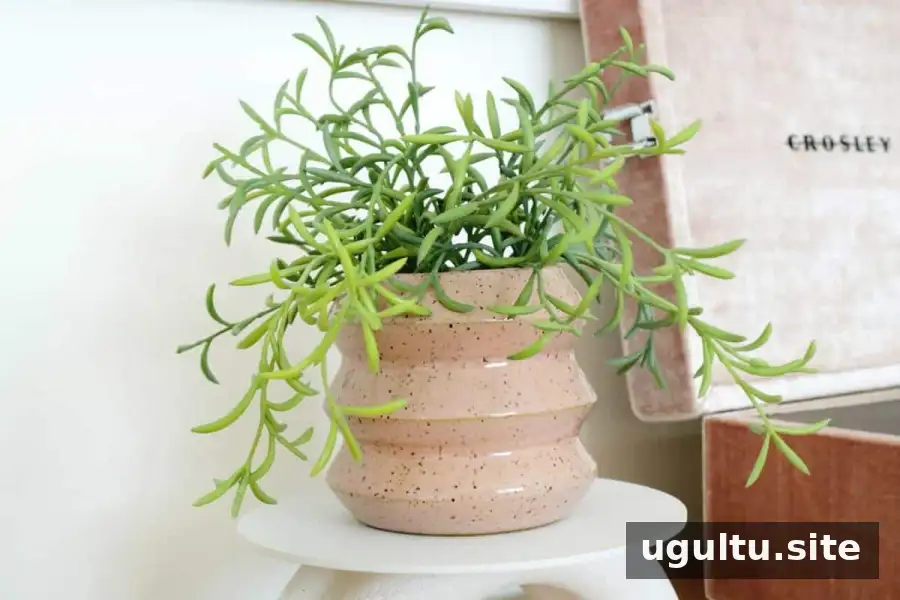
Before bringing a plant home, check its mature size and care needs, then choose a spot that suits them. A plant that is easy to care for in one room may struggle in another if the light or humidity is different.
Best House Plants at a Glance
- For beginners: Pothos and Monstera
- For low light: Snake Plant and ZZ Plant
- For bright, indirect light: Money Tree
- For medium light: Areca Palm
- For pet-friendly homes: Boston Fern
- For flowers: Orchid
- For a large statement plant: Fiddle Leaf Fig
- For a succulent: Aloe Vera
- For a no-care option: Faux Hoya
- For an advanced plant hobby: Juniper Bonsai
Reviews of the Best House Plants
1. Pothos: Best for Beginners
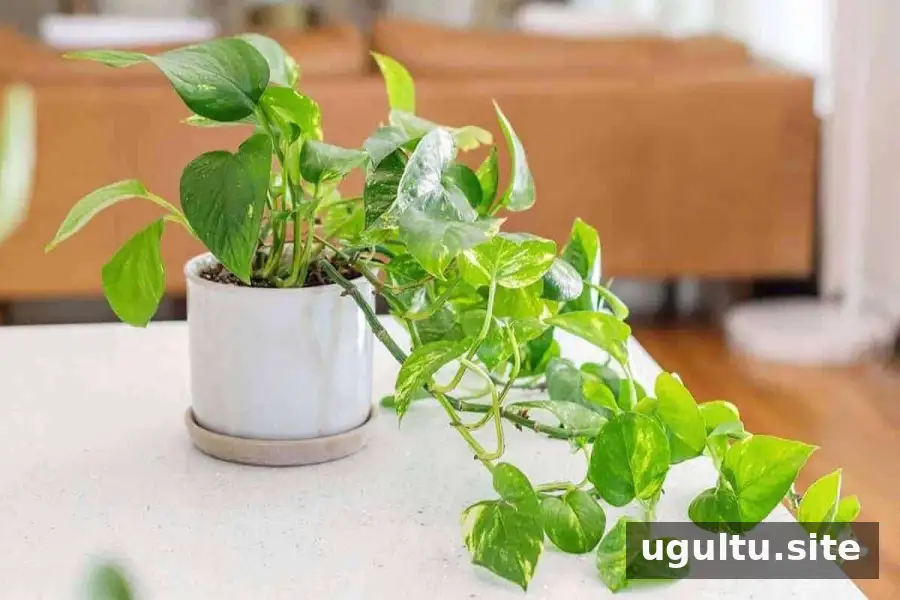
Pothos is a forgiving climbing vine that can adapt to a range of indoor conditions. Its trailing stems look attractive on a shelf, and cuttings can be propagated to grow additional plants. Allow the potting mix to dry somewhat between waterings, and avoid leaving the roots sitting in water.
Pet note: Pothos is toxic to cats and dogs if chewed, so place it where pets cannot reach it.
2. Monstera: An Easy-Care Plant with Dramatic Leaves
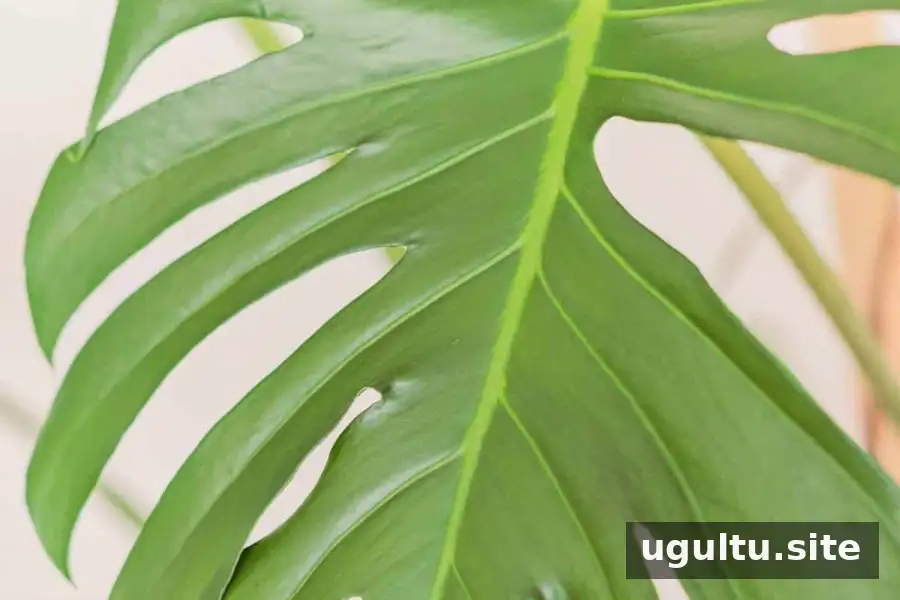
Monstera is known for its distinctive, spreading leaves and makes a striking choice for a room with enough space. It is larger than many beginner plants and can grow considerably in suitable conditions; the source describes a potential height of up to 66 feet. Give it bright, indirect light and room to mature, and use a support if its growth needs guidance.
Pet note: Monstera is toxic to cats and dogs if ingested.
3. Snake Plant: Best for Low Light
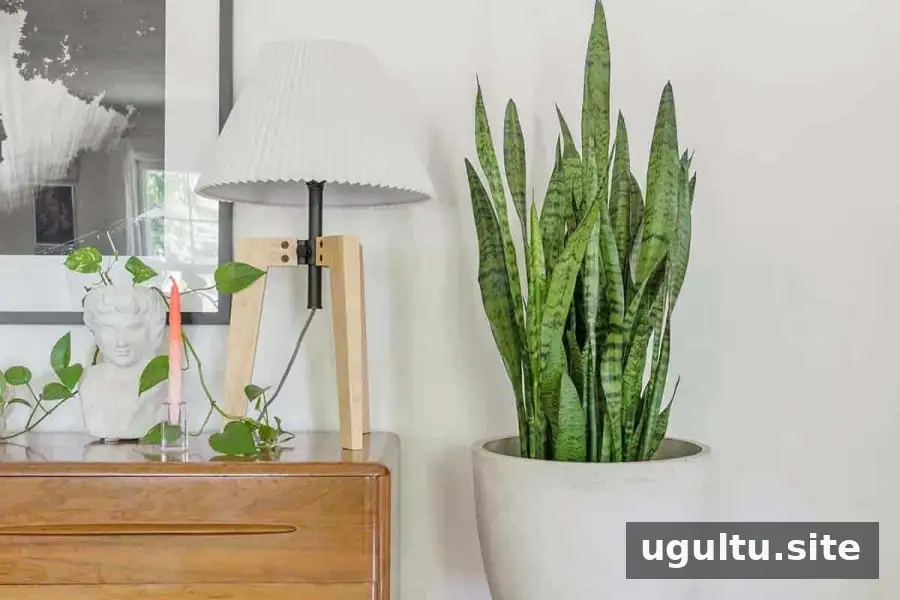
Snake Plants have upright leaves and tolerate lower-light locations better than many houseplants. They need little attention, but low light does not mean no light. Water sparingly and let the soil dry before watering again, since soggy soil can damage the roots. A compact variety can suit a desk, while a larger one can fill a floor pot.
Pet note: Snake Plants are toxic to cats and dogs if chewed.
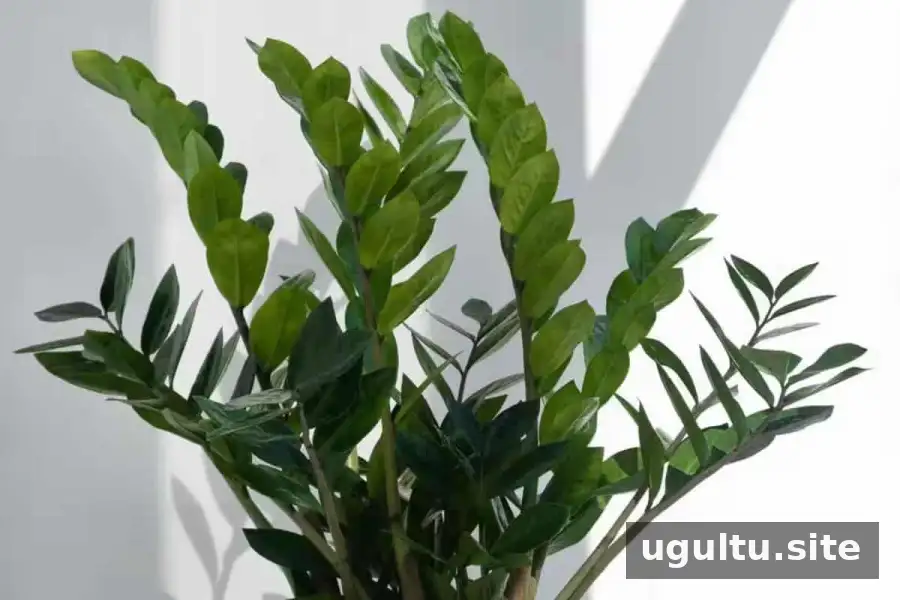
4. ZZ Plant: Another Low-Maintenance Option
Credit: Home Depot
ZZ Plants suit lower-light rooms and are often chosen for their easy-care routine. The original guide suggests watering about twice a month, but the right timing depends on the plant, pot, and conditions. Check that the soil has dried before watering rather than following a fixed schedule.
Pet note: ZZ Plants are toxic to cats and dogs if ingested.
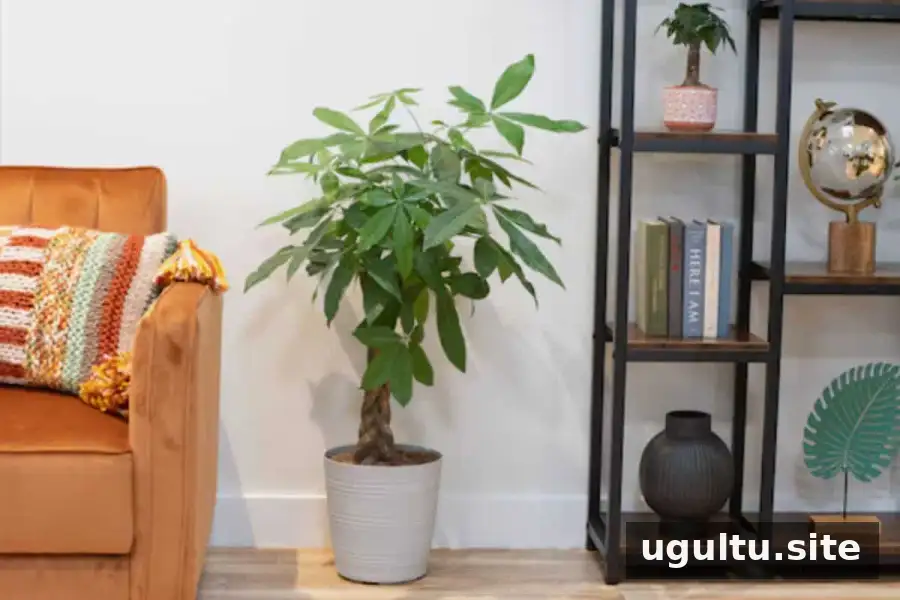
5. Money Tree: Best for Bright, Indirect Light
Credit: Lowe’s
A Money Tree can add height and shape to a bright room. Place it near a window where it receives bright, indirect light, and let the soil dry somewhat between waterings. The plant is associated with good fortune in some traditions, but that symbolism is separate from its care needs.
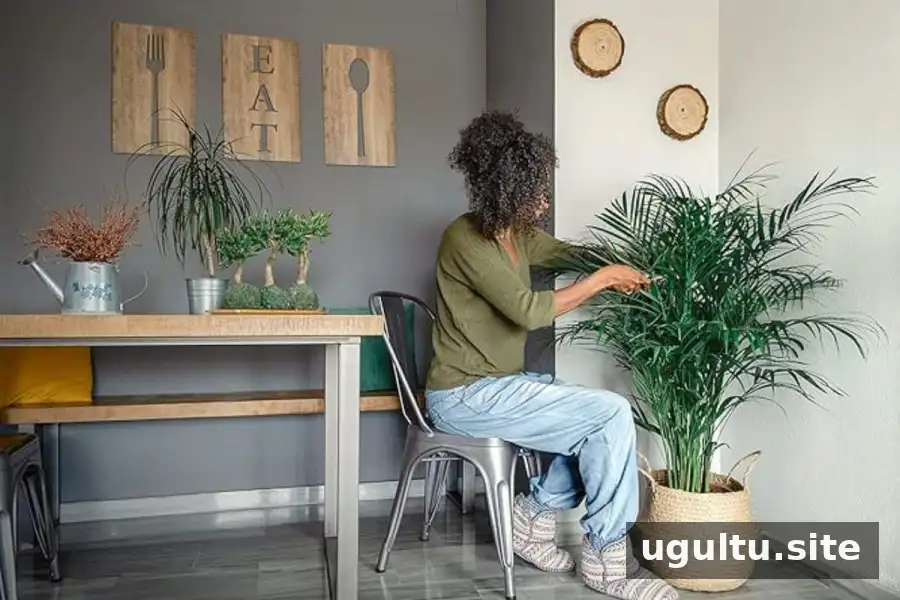
6. Areca Palm: Best for Medium Light
Credit: Amazon
With arching, feathery fronds, an Areca Palm brings a tropical look to an indoor space. It prefers medium light and needs enough room for its leaves to spread. It can also grow outdoors in suitable conditions. Check the plant’s light and temperature requirements before placing it on a porch or near a window.
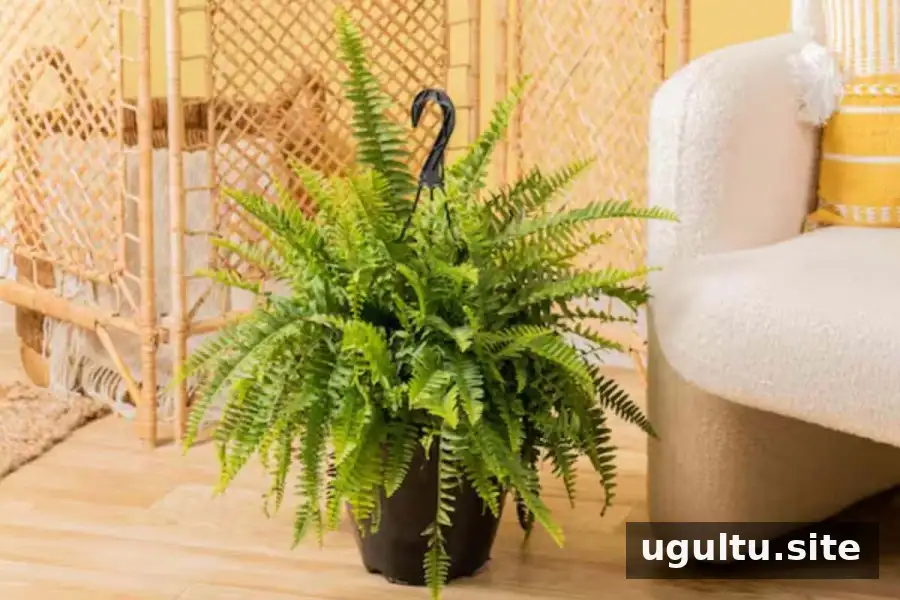
7. Boston Fern: Best for Pet-Friendly Homes
Credit: Home Depot
Boston Ferns are non-toxic to cats and dogs, making them a suitable choice for many pet-owning households. Their broad, arching growth works in a hanging planter or on a stand. They prefer humidity, so a bathroom with appropriate light can be a good location. Keep the soil evenly moist without allowing the pot to remain waterlogged.
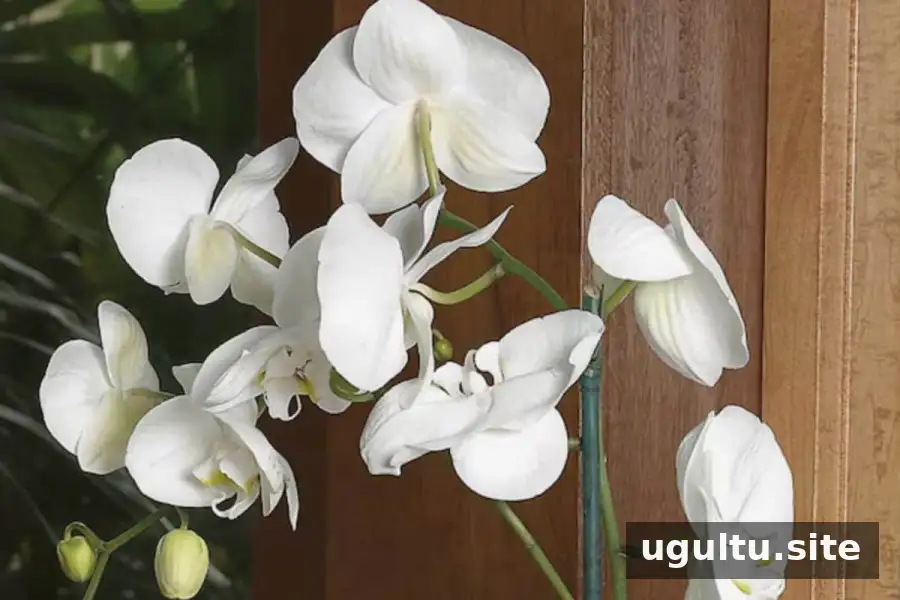
8. Orchid: Best Flowering House Plant
Credit: Lowe’s
Orchids can be rewarding flowering plants, though their care differs from that of typical foliage plants. Follow the instructions for the specific variety, provide suitable light, and make sure the pot drains well. Because flowering and watering needs can vary, check the plant label instead of relying on a one-size-fits-all schedule.
9. Fiddle Leaf Fig: Best Large House Plant
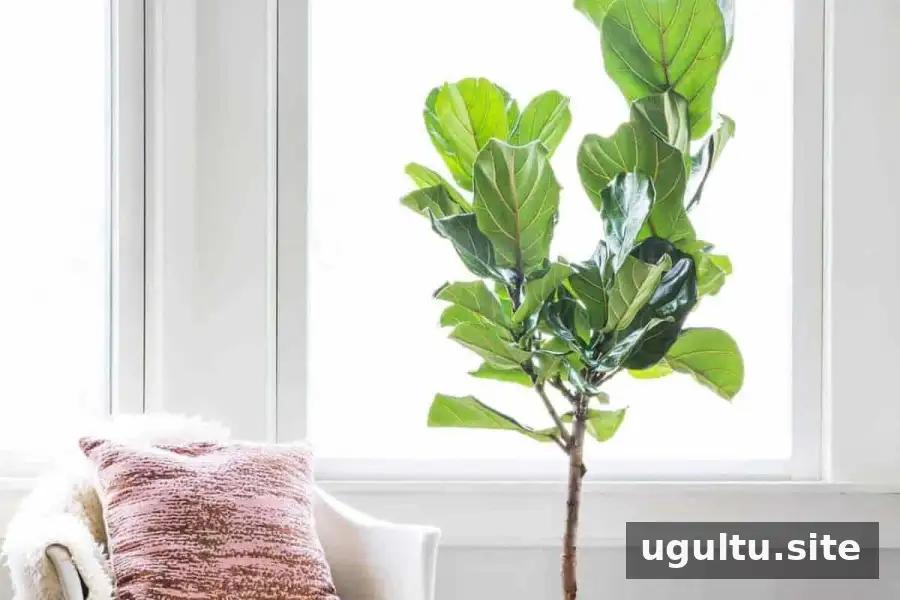
A Fiddle Leaf Fig can become a substantial indoor focal point and works well where there is room for its broad leaves. It can be more demanding than some plants in this guide, so choose a location with suitable light and avoid moving it frequently. Check its care requirements and mature size before buying.
10. Aloe Vera: Best Succulent
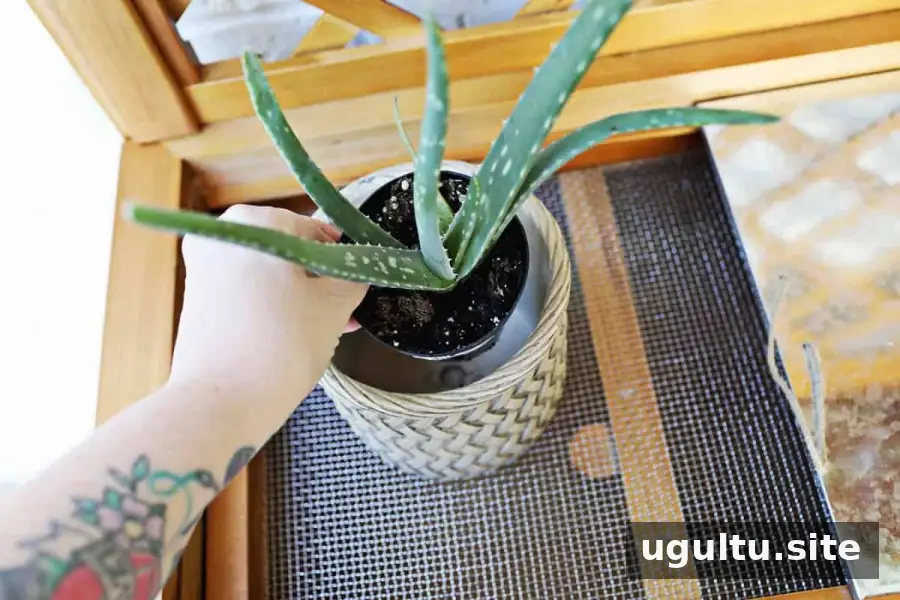
Aloe Vera is a succulent that stores water in its leaves and generally needs less frequent watering than moisture-loving plants. Use a well-draining mix and allow the soil to dry between waterings. Aloe is also used in some topical products, but do not assume every plant or preparation is suitable for skin or ingestion; follow reliable safety guidance.
Pet note: Aloe Vera is toxic to cats and dogs if eaten.
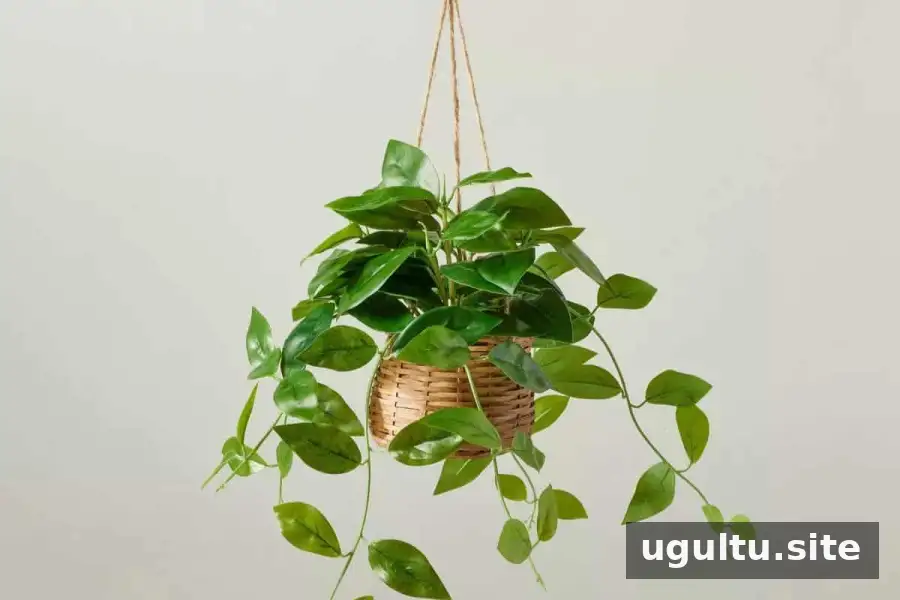
11. Faux Hoya: Best No-Maintenance Choice
Credit: Target
A faux Hoya provides greenery without watering, pruning, or light requirements. It can work well for frequent travelers, dim spaces, or anyone who prefers decor over plant care. Dust it occasionally to keep it looking fresh.
12. Juniper Bonsai: Best for a Plant-Care Challenge
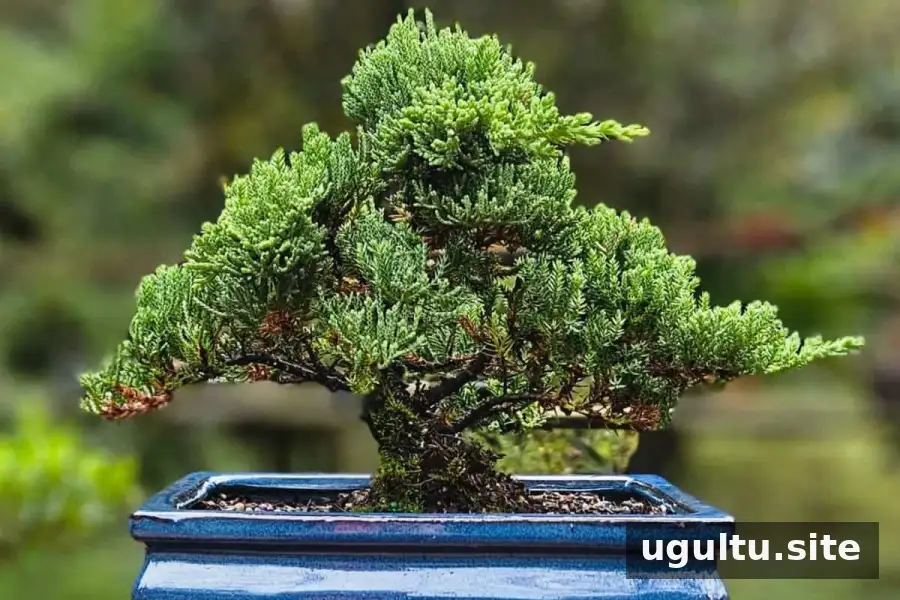
Credit: Etsy
A Juniper Bonsai offers a detailed, hands-on growing project for experienced plant keepers. It requires attentive care, and junipers are generally outdoor trees rather than typical indoor houseplants. Research the specific tree’s needs before purchase and confirm that you can provide the appropriate conditions.
Why You Can Trust This Guide
Betsey is a freelance writer with experience caring for houseplants. She worked with Elsie and Emma, whose home decor and DIY experience informed the original selection. The recommendations cover a range of care levels and home conditions; individual results will depend on the plant’s environment and routine.
How to Choose the Best House Plants for Your Home
Consider the Care Routine
Light and water are essential, but plants also vary in their need for pruning, fertilizer, humidity, and repotting. Check care instructions for the particular plant and inspect the soil before watering. If roots begin growing through drainage holes or the plant becomes crowded, it may need a larger pot.
Match the Plant to Your Light
Observe the light in the intended spot throughout the day. Bright, indirect light is different from direct sun, and a low-light-tolerant plant still needs some usable light to grow. Pale, scorched, or brittle leaves can signal stress, but check for other causes before changing the plant’s location. A grow light may help when natural light is limited.
Water According to the Plant and Soil
Too little water can dry a plant out, while persistently wet soil can contribute to root rot. Watering frequency depends on the plant, pot size, drainage, light, and season. A practical habit is to check the soil before watering rather than assuming every plant needs water on the same day.
Account for Pets, Travel, and Available Space
Consider whether pets can reach the leaves, how often you travel, and how large the plant may become. Check a reliable toxicity reference for the exact species before bringing it into a home with animals. If regular care is not practical, a faux plant may be a better fit.
What Is the Best Indoor Plant for a Home?
There is no single best indoor plant for every home. Pothos, ZZ Plants, Snake Plants, and Monsteras are popular choices, but their light needs, mature size, and pet safety differ. Choose according to your space and routine, not appearance alone.
Do Houseplants Purify Indoor Air?
Plants use photosynthesis, but ordinary numbers of houseplants are not a substitute for ventilation or an air purifier. Research does not support relying on typical indoor plants to remove household pollutants quickly or meaningfully. Choose plants for their appearance and enjoyment, and address indoor air concerns with appropriate ventilation and other proven measures.
What Is the Easiest House Plant to Keep Alive?
Pothos and Snake Plants are often considered forgiving choices because they tolerate some variation in care. Neither should be left indefinitely without water, and both need conditions that suit their needs. If you want greenery without a living plant’s care requirements, consider a convincing faux option.
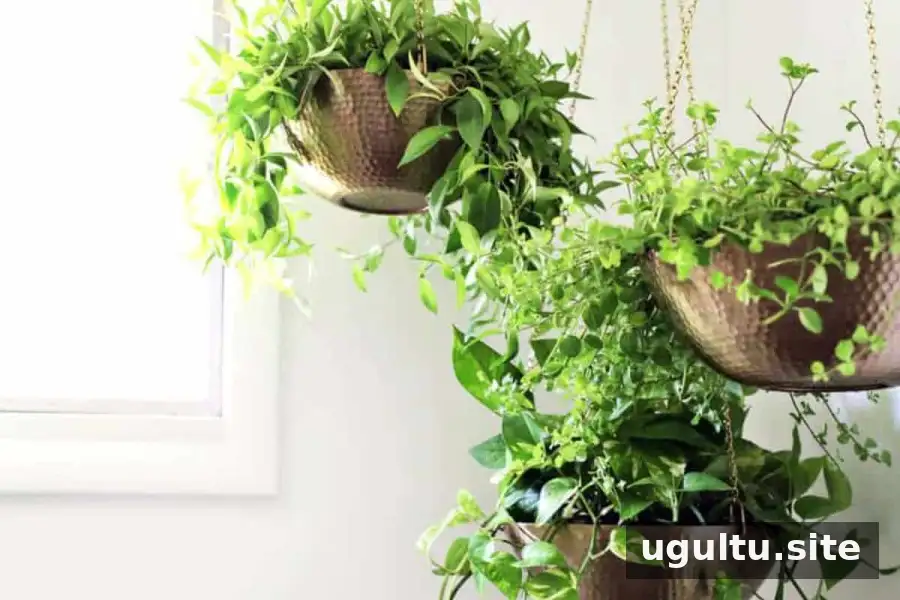
Once you have chosen plants that suit your home, you can display them in pots that complement your decor. For a successful start, prioritize the right light, careful watering, and enough room for each plant to grow.
Prices and retailer listings have been omitted because they can change over time.


