
 admin
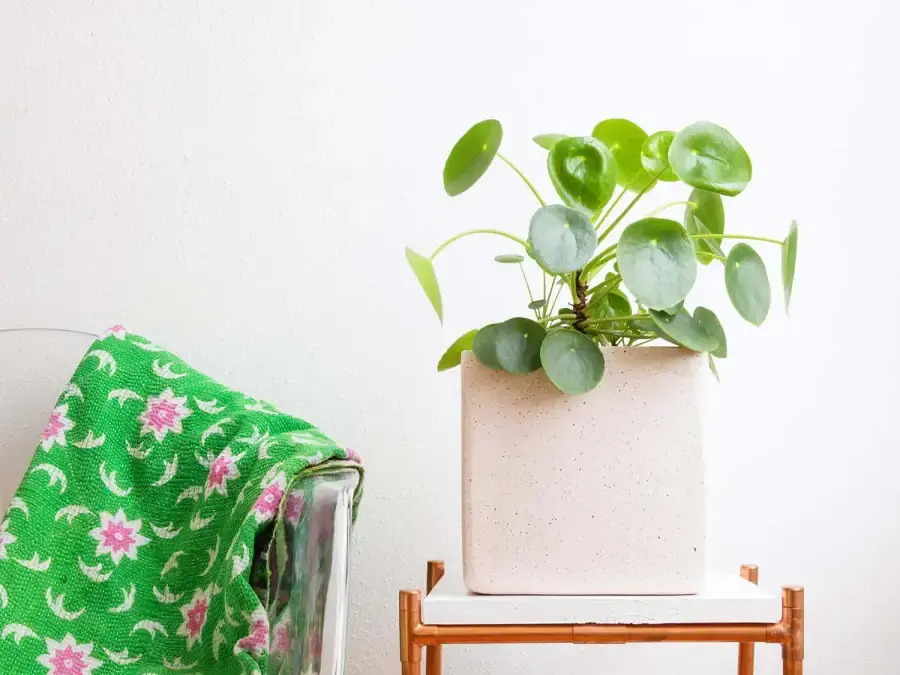
The Chinese money plant (Pilea peperomioides) is known for its round leaves, distinctive upright shape, and ability to produce small offshoots called pups. With bright, indirect light, careful watering, and a pot that drains well, it can be a manageable houseplant for beginners and experienced growers alike. This guide covers the essentials of Chinese money plant care, including repotting, propagation, and feeding.
Chinese Money Plant Care at a Glance
- Light: Bright, indirect light; protect it from strong direct sun.
- Water: Water when the top layer of soil feels dry, then empty any excess from the saucer.
- Pot: Choose a container with a drainage hole.
- Propagation: Separate pups from the parent plant once they are established.
- Fertilizer: Feed during spring and summer according to the product label.
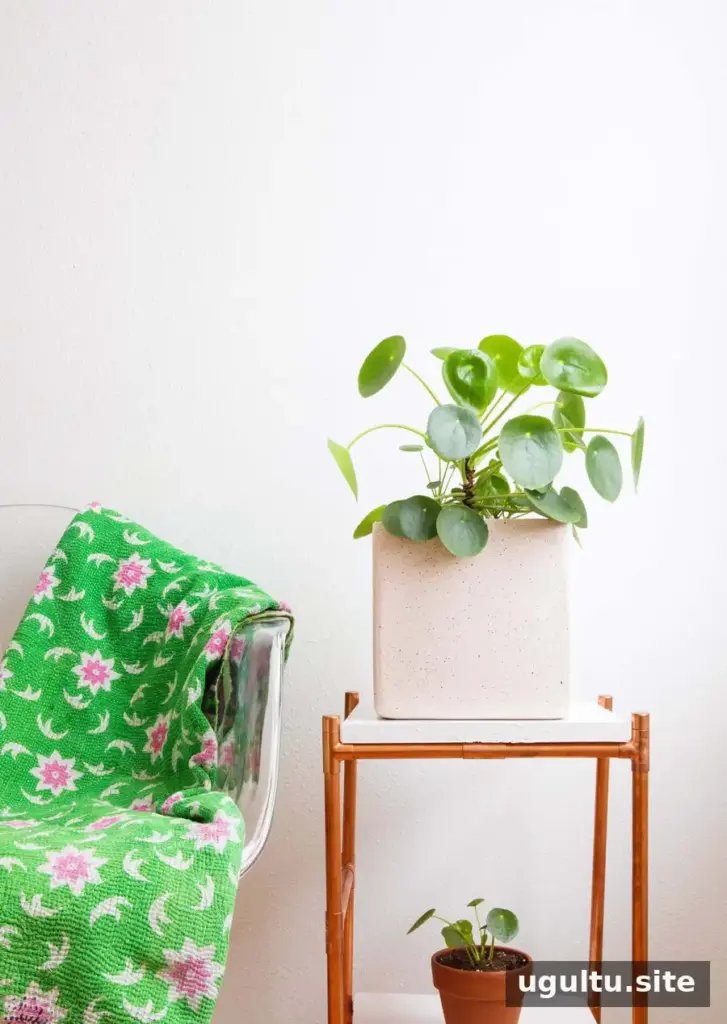
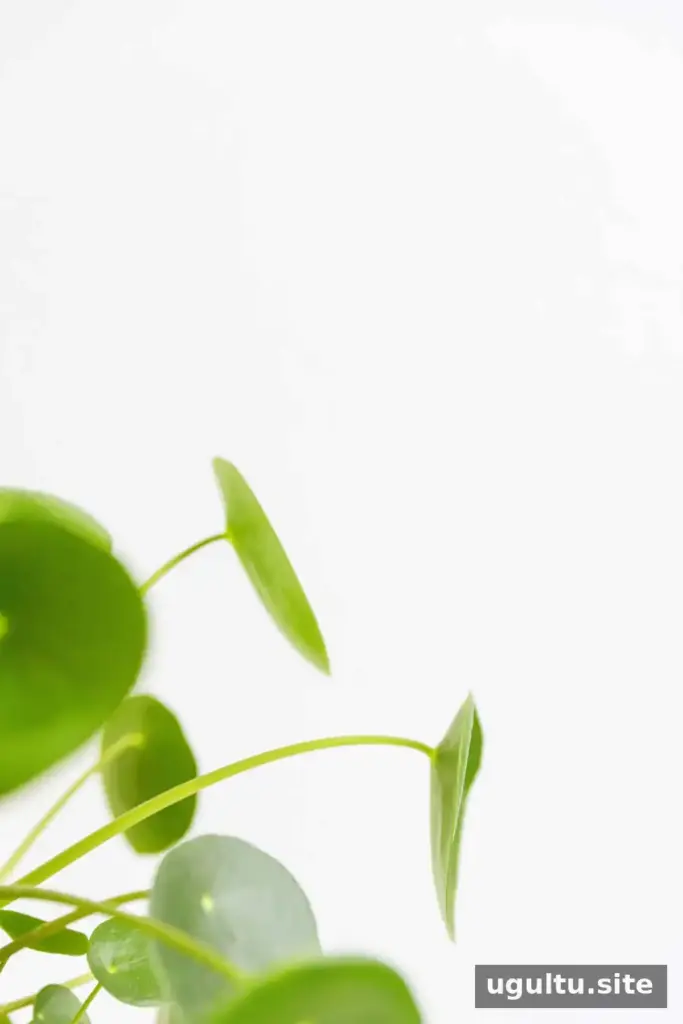
Pilea peperomioides is often shared between plant owners because mature plants can produce pups around the base. Its rounded foliage and branching growth make it a distinctive indoor plant, while its care needs are straightforward when its soil and light conditions are monitored.
Potting and Repotting a Pilea
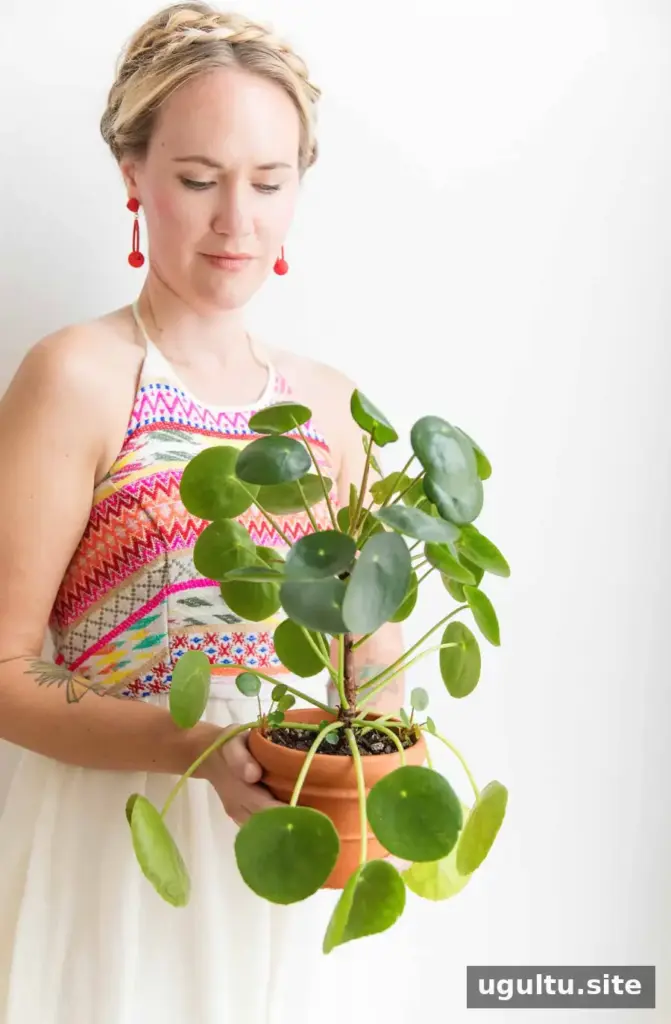
Use a pot with a drainage hole to help excess water escape. A terracotta pot can be useful because its porous sides allow the soil to dry more quickly than it might in some plastic or glazed containers. A plastic or glazed pot can also work if it drains freely.
If you prefer to display the plant in a decorative, non-draining pot, keep it in a separate nursery pot with drainage inside the outer container. Remove the inner pot for watering, let it drain completely, and then return it to the decorative pot. This helps prevent water from collecting around the roots.
Choose a quality potting mix that drains well. A drainage hole and suitable soil are more important than putting a layer of stones at the bottom of the pot. Repot when the plant has outgrown its container or needs fresh potting mix, rather than moving it into a much larger pot without a reason.
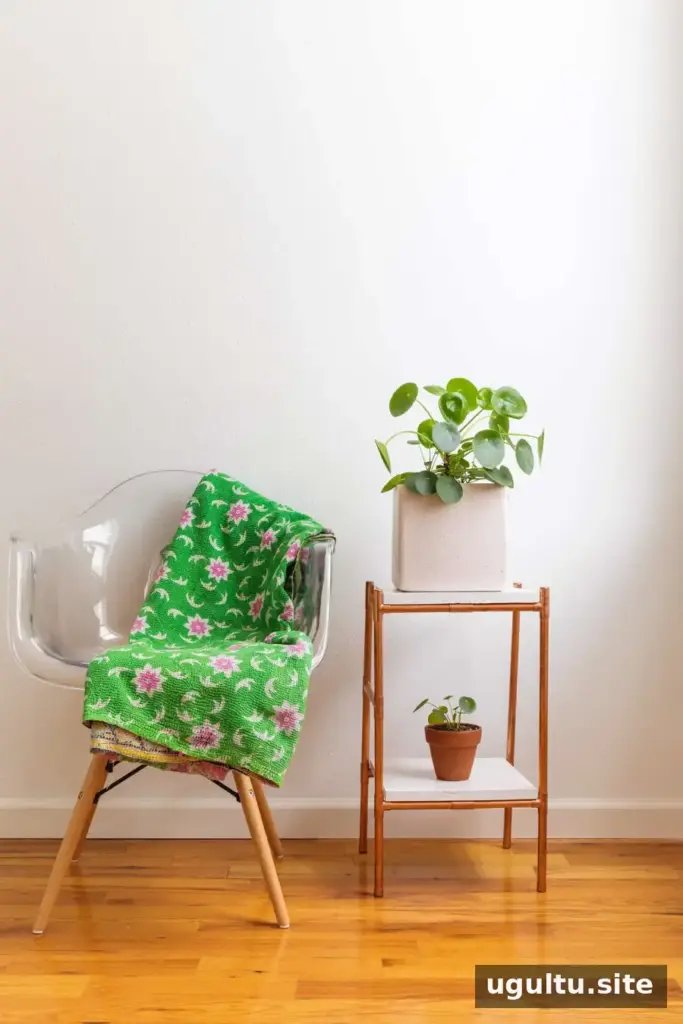
After repotting, water the soil and allow the excess to drain away. Check the plant periodically as it settles into its new container, since the soil may dry at a different rate than it did in the previous pot.
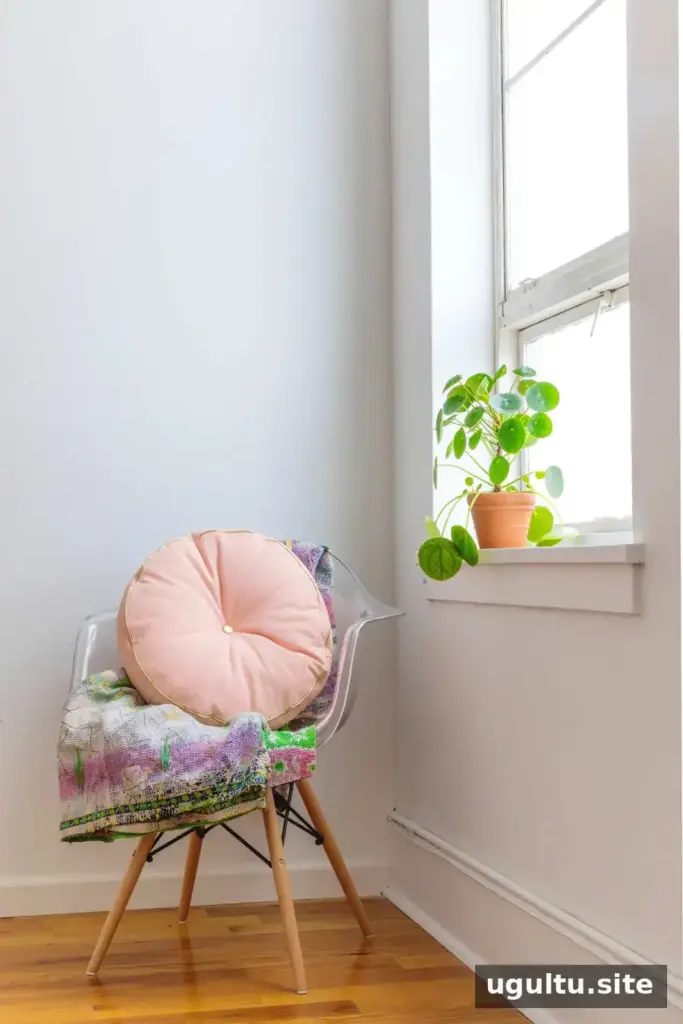
How Much Water Does a Chinese Money Plant Need?
Pileas prefer to dry somewhat between waterings and should not be left in soggy soil. Check the soil with a finger before watering; lifting the pot can also help, since a pot that still feels heavy may retain moisture. Water when the soil feels dry near the surface, then empty the saucer or cachepot so the roots are not sitting in water.
Once-a-week watering may suit some homes and seasons, but it is not a fixed schedule. Temperature, light, pot type, and indoor humidity all affect how quickly the soil dries. If the soil remains moist, wait a few days and check again. Drooping can be a sign that the plant needs attention, but check the soil before watering because both overly dry and overly wet conditions can cause problems.
How Much Light Does a Chinese Money Plant Need?
Place the plant near a bright window where it receives plenty of indirect light. Strong direct sun can scorch the leaves, while insufficient light may lead to stretched, leggy growth as the plant reaches toward a brighter spot. If growth becomes unusually elongated, try moving it closer to a suitable light source.
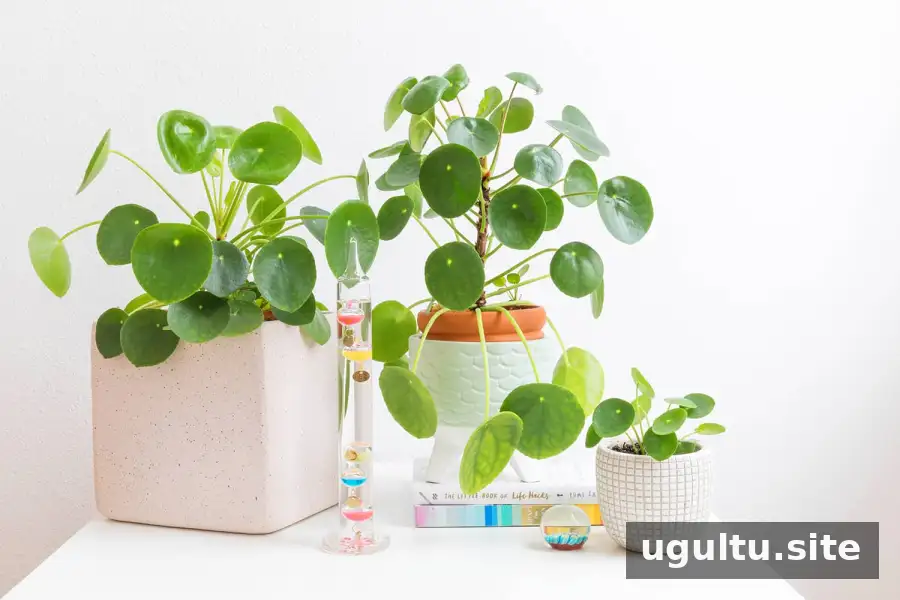
Pileas tend to lean toward the light. Rotate the pot occasionally—such as when you check the soil—to encourage more even growth. Wipe dust from the leaves gently with a damp cloth so the foliage stays clean. A covered outdoor area can be suitable in warm weather if the plant is protected from direct sun; bring it indoors when temperatures begin to drop.
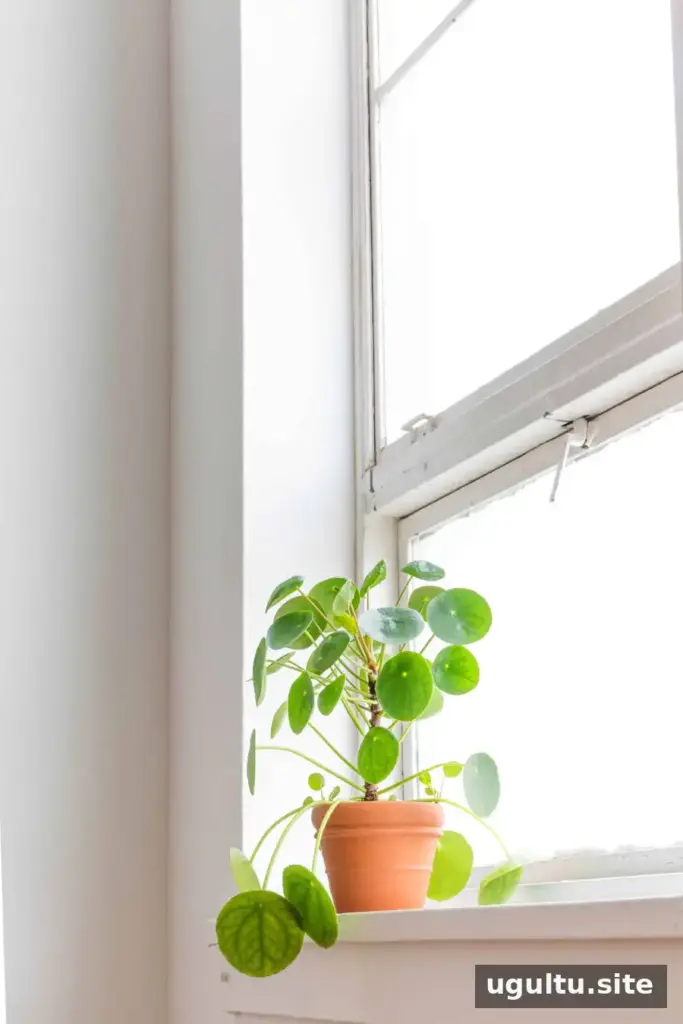
Propagating Pilea Pups
Mature plants may produce pups from the soil around the base. You can leave them in place for a fuller-looking plant or separate them to grow new plants. Wait until a pup is at least three inches tall before removing it, and handle its delicate roots carefully.
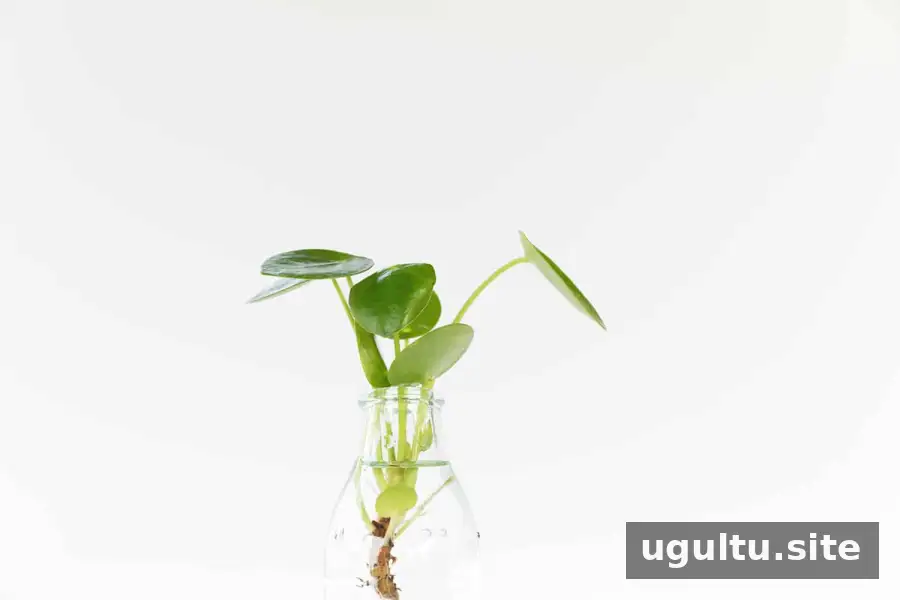
Use a clean, sharp cutting tool and gently cut the pup where it joins the parent plant or soil. Avoid pulling or tugging, which can damage the roots. The cutting can be placed in water or planted in potting mix. If starting it in water, keep the container in bright, indirect light and pot the pup once roots have developed.
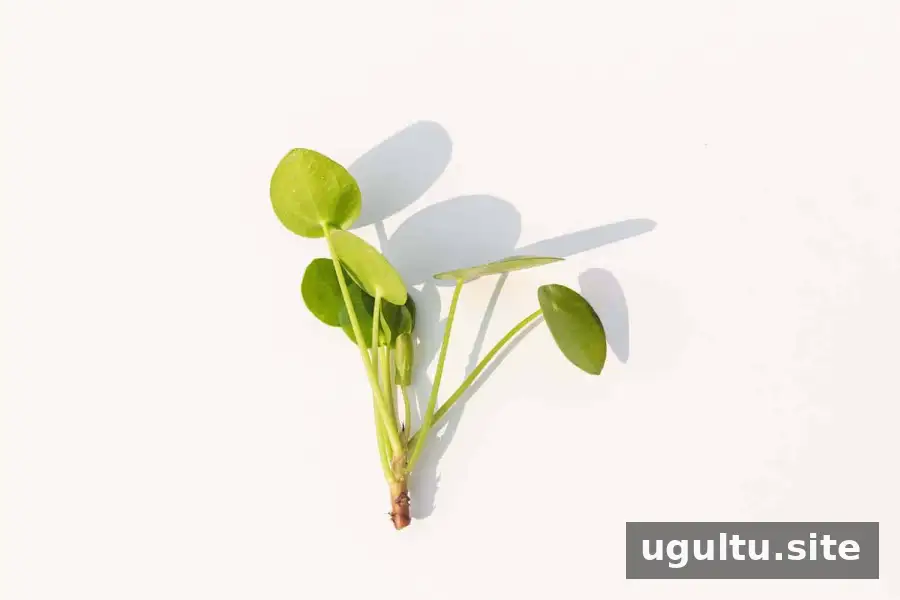
Clean tools before and after propagation to reduce the chance of spreading pests or disease between plants. When potting a rooted pup, use a small container with drainage and keep the soil lightly moist while it establishes, without leaving it waterlogged.
Fertilizing a Chinese Money Plant
Fertilizer can support active growth during spring and summer. A balanced 10-10-10 formula is one option; liquid fertilizer can be mixed with water for application. Follow the label directions carefully, since the correct amount depends on the specific product. Avoid applying more than directed, and reduce or stop feeding during periods when growth slows.
Conclusion
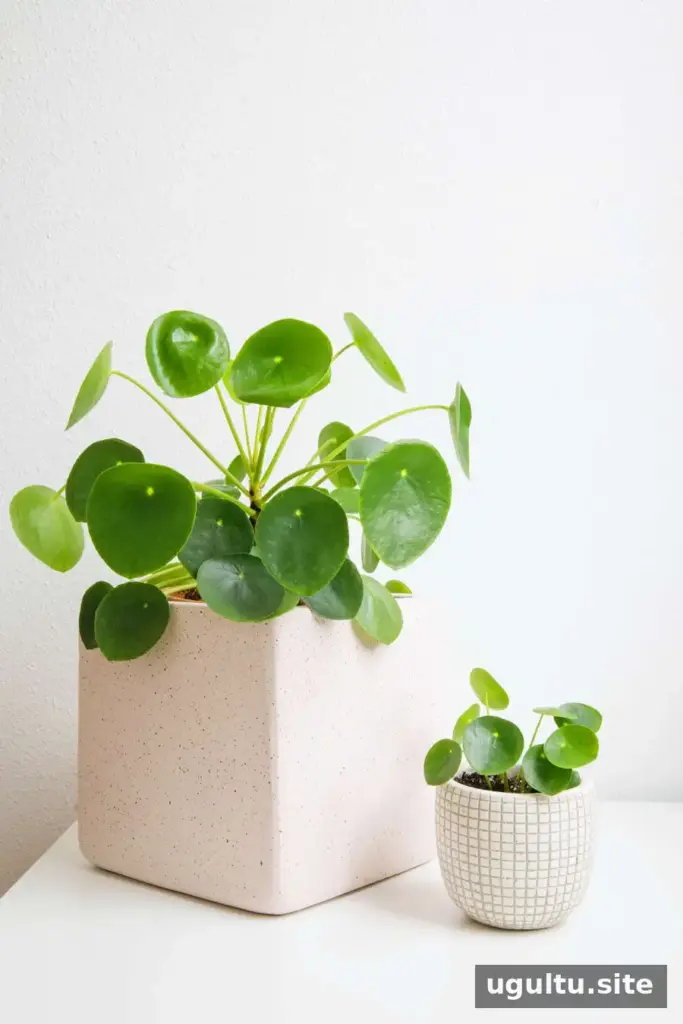
Successful Chinese money plant care comes down to bright, indirect light, soil that drains well, and watering only when the plant needs it. Use a pot with a drainage hole, check moisture rather than relying on a strict schedule, and propagate established pups with clean tools. These simple habits help keep a pilea healthy and make it easier to share new plants.
Written by Janae.


