
 admin
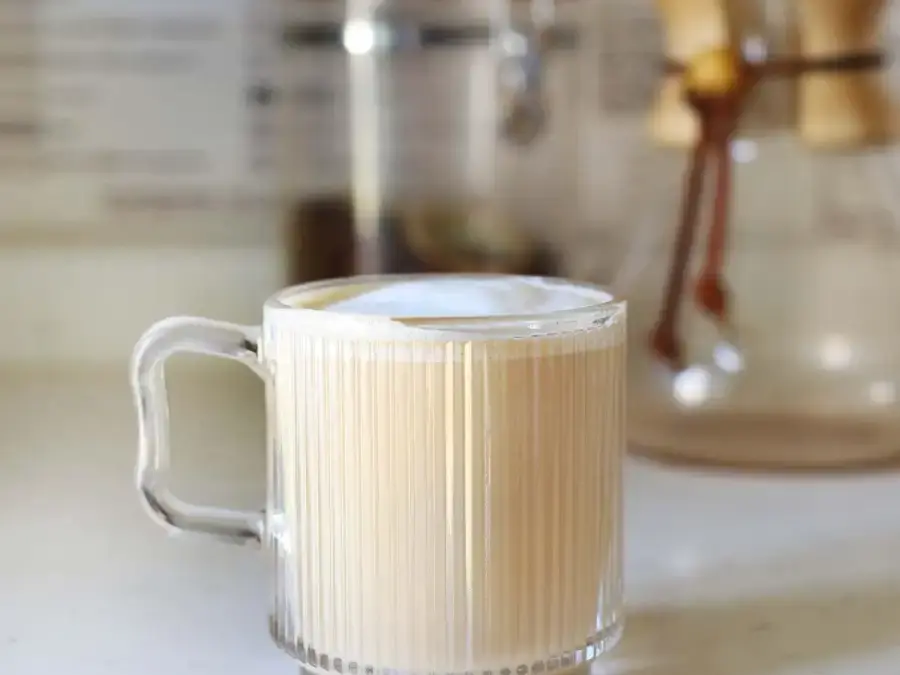
A flat white is a smooth espresso drink topped with steamed milk and a fine, velvety layer of microfoam. This simple recipe uses two shots of espresso and milk, making one cup in about three minutes. Its smaller size and lower milk-to-coffee ratio give it a more pronounced coffee flavor than a latte.
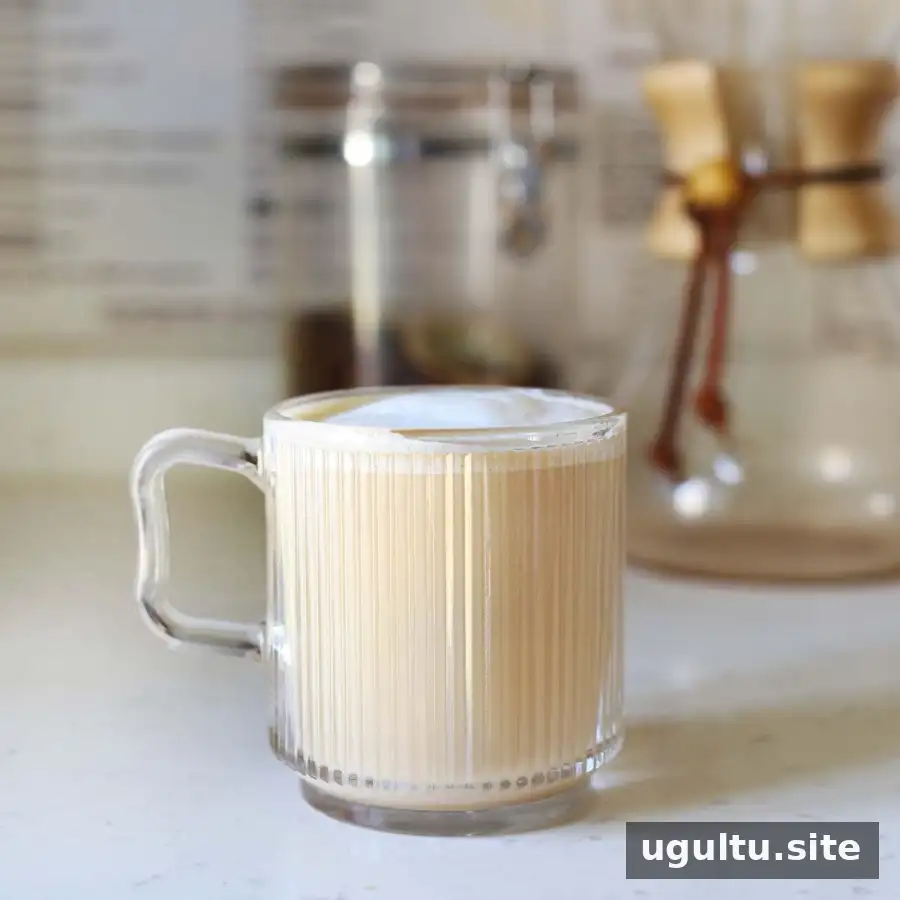
What Is a Flat White?
A flat white is generally served in a small cup or glass. It is often described as smaller than a latte and larger than a cappuccino, though serving sizes can vary. The defining feature is microfoam: steamed milk with very fine bubbles that create a smooth, creamy texture rather than a thick layer of airy foam.
Because the drink contains less milk than a traditional latte, the espresso remains noticeable without overpowering the creamy texture. For a balanced result, use a cup that is just large enough for the espresso and steamed milk.
Flat White Ingredients
- Espresso: Use two shots. Ristretto can also work; it is a more concentrated shot made with less water and often has a sweeter taste.
- Milk: Whole milk is a reliable option for smooth, stable foam. Plant-based alternatives can be used, but their foaming results vary by type and formulation.
With only two ingredients, freshness and quality make a noticeable difference. Use freshly brewed espresso, and choose milk that steams well. If using a milk alternative, select one labeled for barista use when available.

How to Make a Flat White
- Brew two shots of espresso and pour them into a small mug.
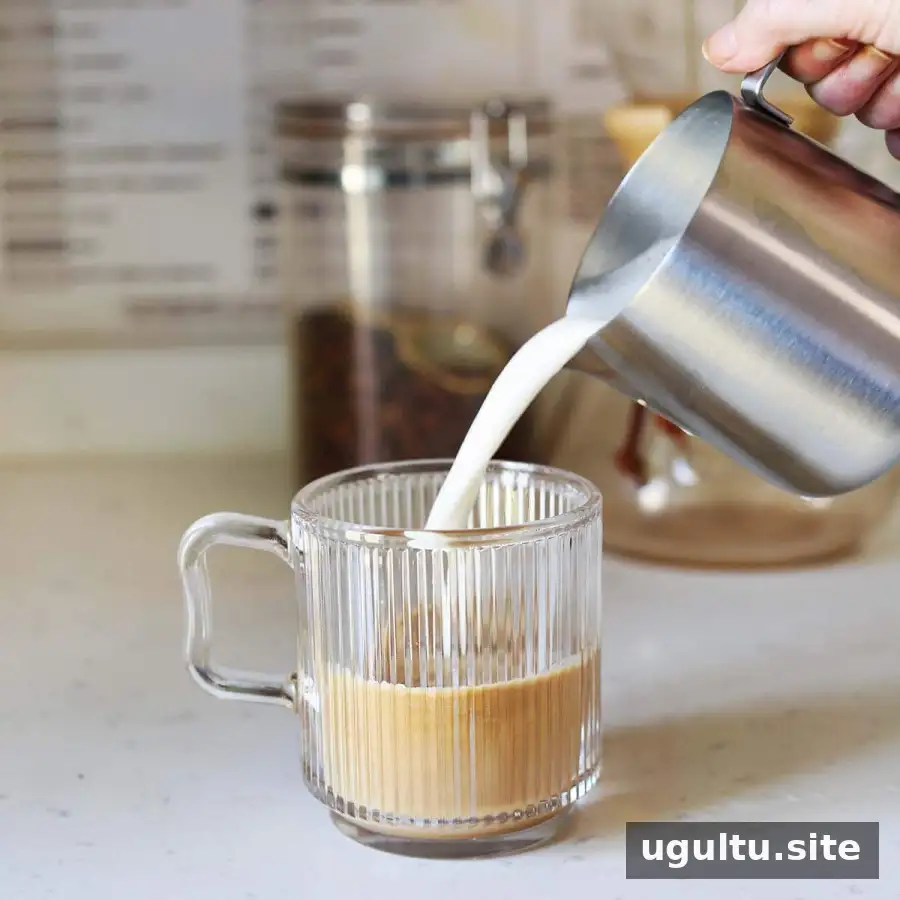
- Steam 1¼ cups of milk with a steam wand or milk frother. If you do not have one, warm the milk on the stovetop and whisk it until it becomes smooth and lightly foamy.
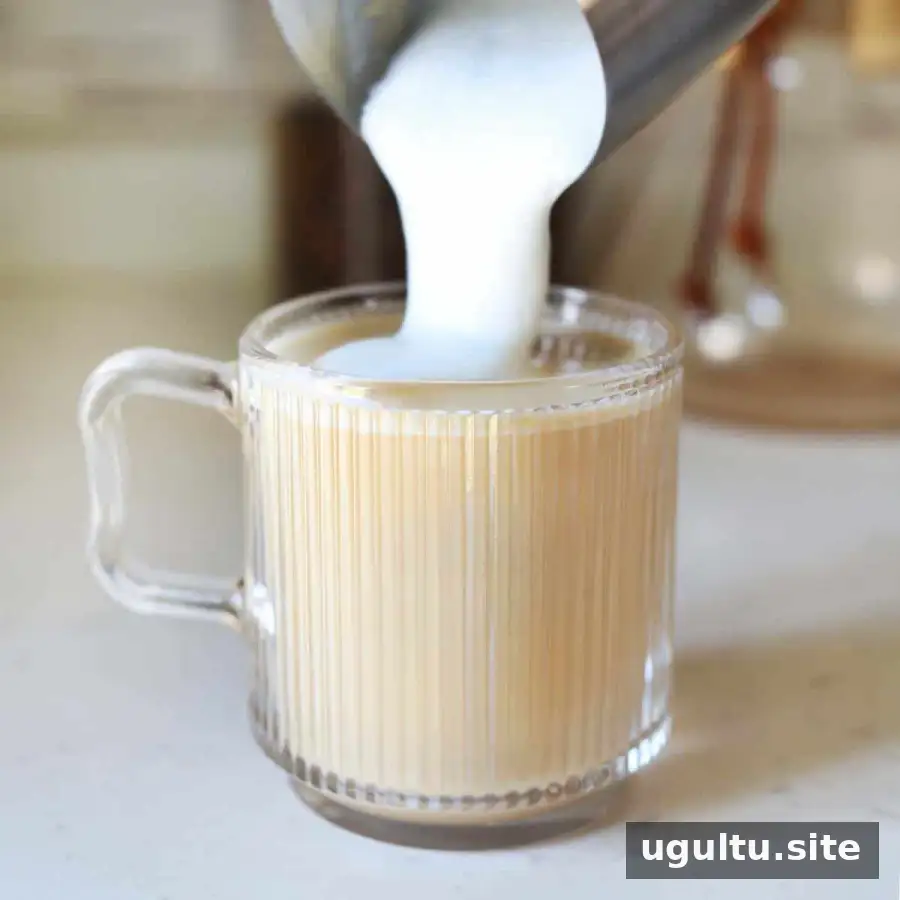
- Aim for a thick, glossy texture with very small bubbles, not large, airy foam. Tap the milk pitcher gently on the counter to release excess air.
- Pour the steamed milk into the espresso and serve immediately.
Practical tip: Avoid overheating the milk, which can affect its texture and taste. When whisking by hand, focus on creating fine foam rather than building a tall, dry layer.
Flat White Origins and Coffee Culture
Australia and New Zealand are both associated with the origins of the flat white, and its exact birthplace remains disputed. The drink became popular during the 1980s and 1990s before spreading to coffee shops around the world. Today, it is a familiar espresso option in many countries.
Recipes and serving sizes differ between cafés, so the name does not always guarantee the same coffee-to-milk ratio. For a more coffee-forward cup at home, keep the serving small and use the two espresso shots specified here.
Choosing Equipment for Home Espresso
You can make this drink with an espresso machine that brews shots and steams milk, or use a separate milk frother. A stovetop espresso maker is another option, although it produces coffee differently from a pump espresso machine. Follow the equipment instructions and use a grind suited to your brewing method.
If you are choosing a machine, consider how often you will make espresso, whether you want an integrated milk wand, and how much preparation and cleaning you are comfortable doing. A separate frother can be a practical choice if your coffee maker does not steam milk.
Related Espresso Drinks
- Short black: A serving of espresso without added hot water.
- Long black: Espresso served with hot water, creating a larger drink while retaining a distinct espresso character.
What to Serve with a Flat White
A flat white pairs well with lightly sweet baked goods that complement the coffee without masking it. Try it alongside butter cookies, shortbread, oatmeal raisin cookies, ricotta cookies, English muffins, or pumpkin muffins. For a simple pairing, choose a small portion so the espresso remains the focus.
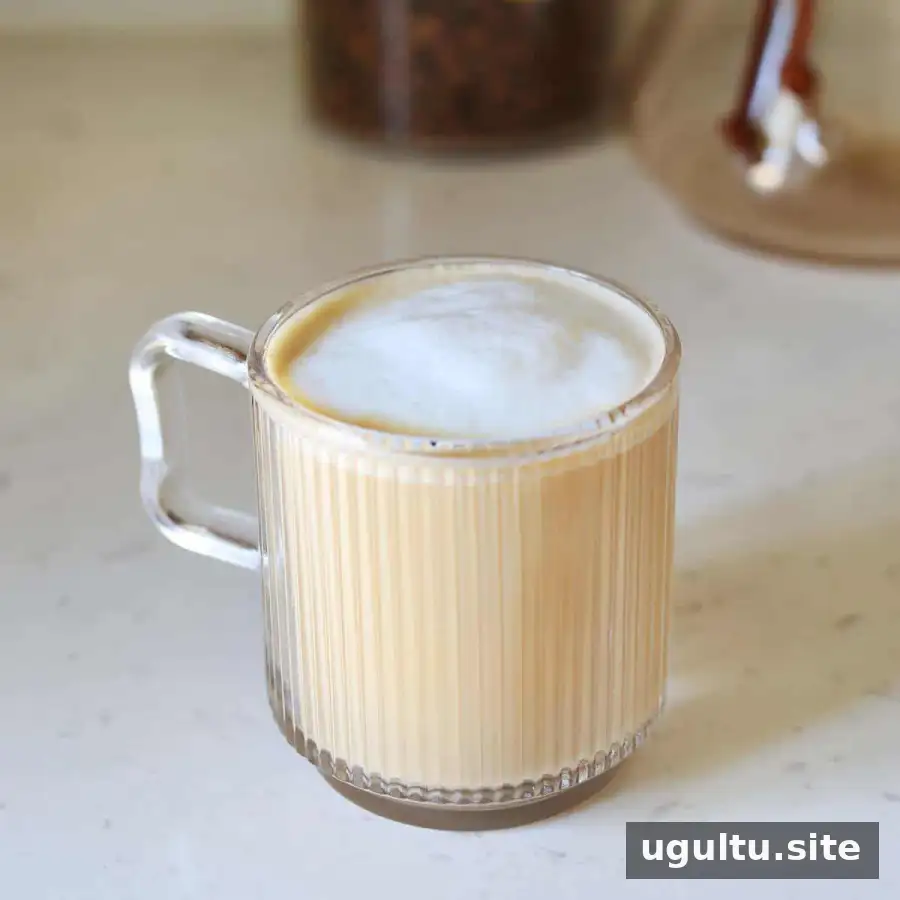

Flat White Recipe
Yield: 1 serving
Prep time: 3 minutes
Total time: 3 minutes
Ingredients
- 2 shots espresso
- 1¼ cups milk
Equipment
- Espresso maker
- Milk frother, steam wand, or saucepan and whisk
Instructions
- Brew two shots of espresso into a small mug.
- Steam or warm the milk, then whisk or froth until smooth and finely foamed.
- Tap the milk container gently to remove larger bubbles.
- Pour the milk over the espresso and serve right away.
Nutrition Information
The provided estimate for one serving is 188 calories, with 10 g fat, 6 g saturated fat, 15 g carbohydrates, 15 g sugar, and 10 g protein. It also lists 37 mg cholesterol, 124 mg sodium, 527 mg potassium, 376 mg calcium, 494 IU vitamin A, 0.1 mg vitamin C, and 0.1 mg iron. Nutrition values can vary with the milk used and the final serving size.
Percent Daily Values are based on a 2,000-calorie diet.


