
 admin

Knowing how to clean a dishwasher helps prevent unpleasant odors, mineral deposits, and food residue from affecting its performance. Although the appliance handles dirty dishes every day, it still needs occasional care to keep water flowing freely and dishes coming out clean. With a few basic supplies and a simple routine, you can clean the main parts of your dishwasher at home.
Before you begin, check your owner’s manual for any cleaning restrictions. Some manufacturers advise against using vinegar or other household products on particular components.

Why clean your dishwasher?
Grease, food particles, soap residue, and minerals from hard water can build up inside the appliance. Over time, that buildup may contribute to odors, cloudy dishes, or reduced cleaning performance. Regular maintenance can help you spot blockages early and keep the dishwasher working as intended.
How often should you clean a dishwasher?
A monthly cleaning is a practical schedule for households that use the dishwasher regularly. If you run it several times a day, have hard water, or notice residue and smells, you may need to clean it more often. For occasional use, cleaning every three to six months may be sufficient. Follow your appliance manual if it recommends a different schedule.
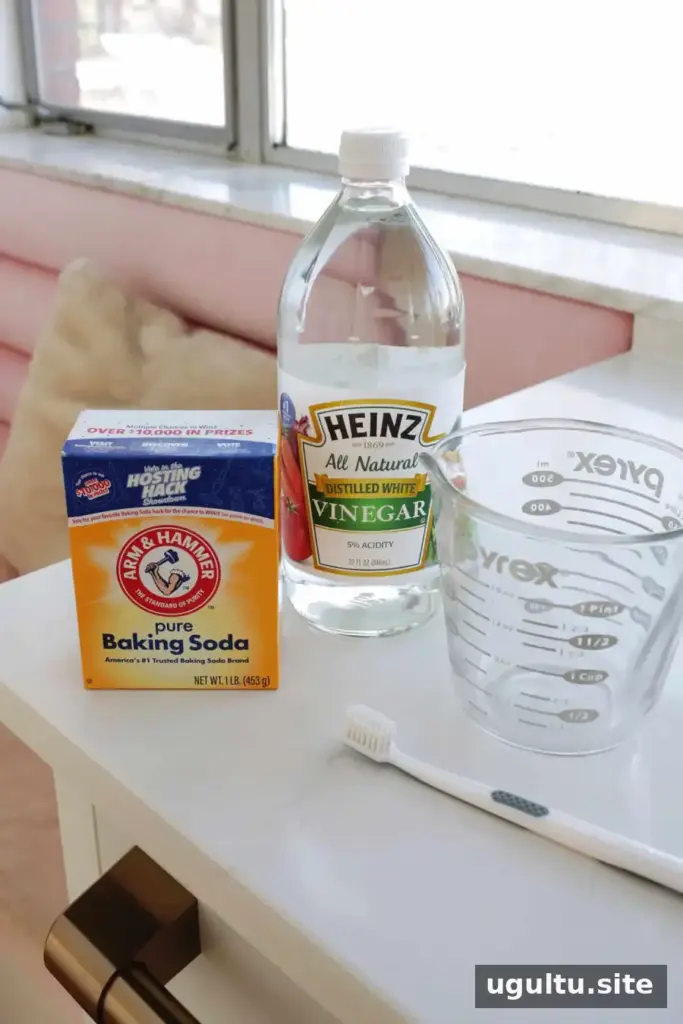
Supplies for cleaning a dishwasher
- White vinegar, if permitted by the manufacturer
- Baking soda
- Dish soap
- A small soft-bristle brush or toothbrush
- A dishwasher-safe bowl or glass measuring cup
- A soft cloth or sponge
Use soft tools to avoid scratching surfaces, and never mix cleaning products. In particular, do not combine bleach with vinegar or ammonia, as this can release dangerous fumes.
How to clean a dishwasher step by step
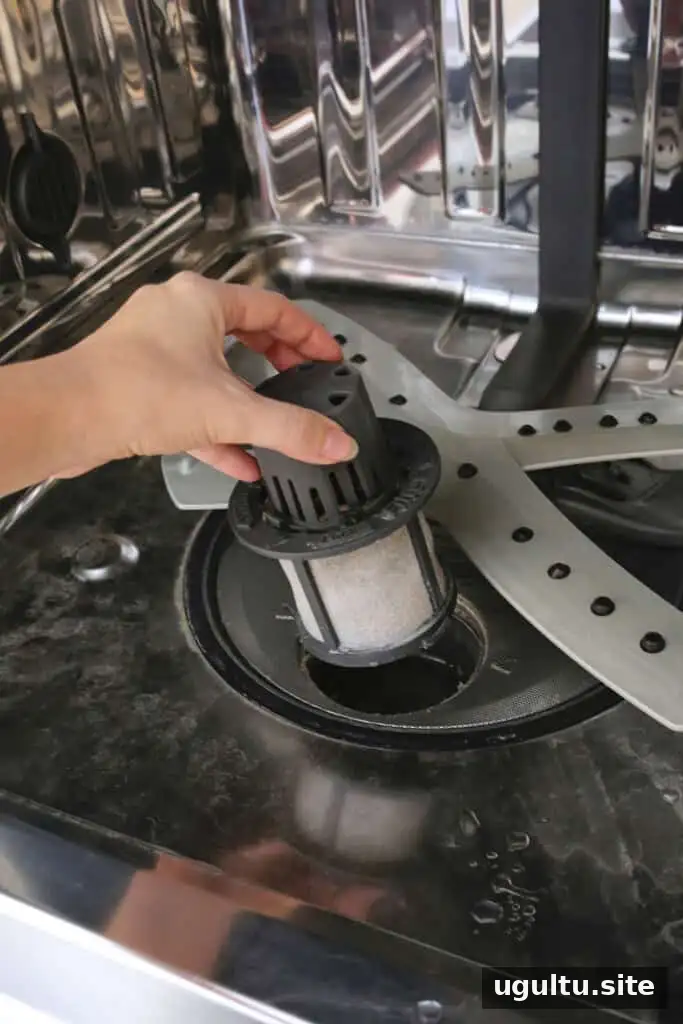
1. Remove and wash the filter
Check the manual to find out whether your model has a removable filter and how to release it. Take it out, remove food debris from the filter compartment with a cloth, then wash the filter in warm, soapy water using a soft brush. Rinse it thoroughly and reinstall it securely. A monthly filter check is a useful way to catch buildup before it affects drainage.
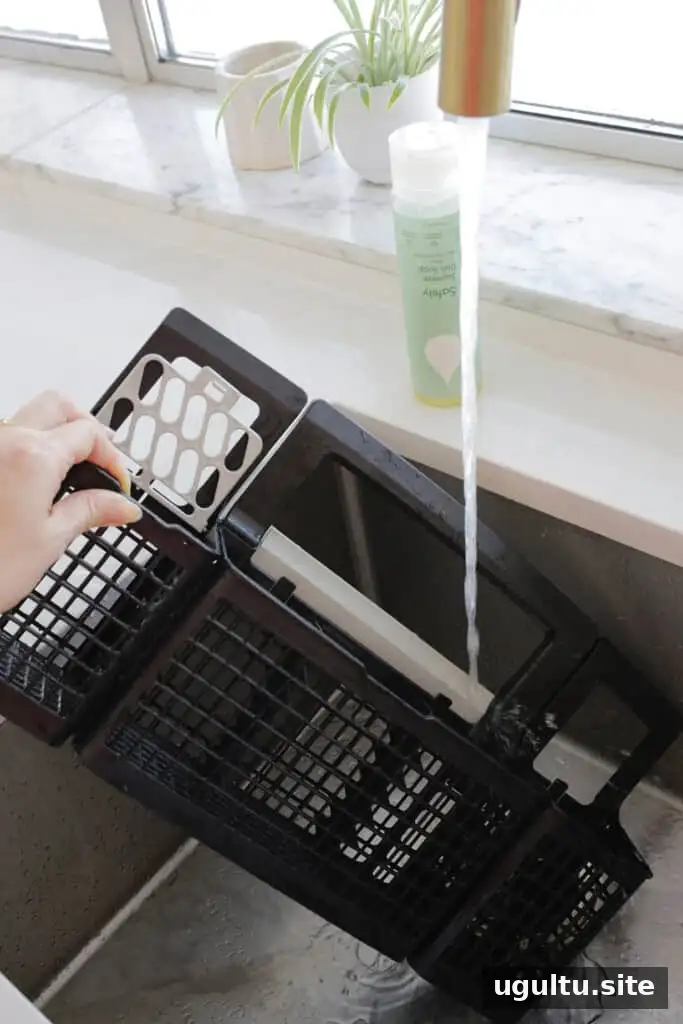
2. Clean the racks and utensil holder
Take out removable racks and the utensil holder. Scrub away stuck-on food with warm, soapy water and a soft brush, then rinse. If the racks do not fit comfortably in your sink, wash them in a bathtub. For stubborn residue, soak the parts in hot water with one cup of vinegar for 15 minutes, but only if the manufacturer permits vinegar use.
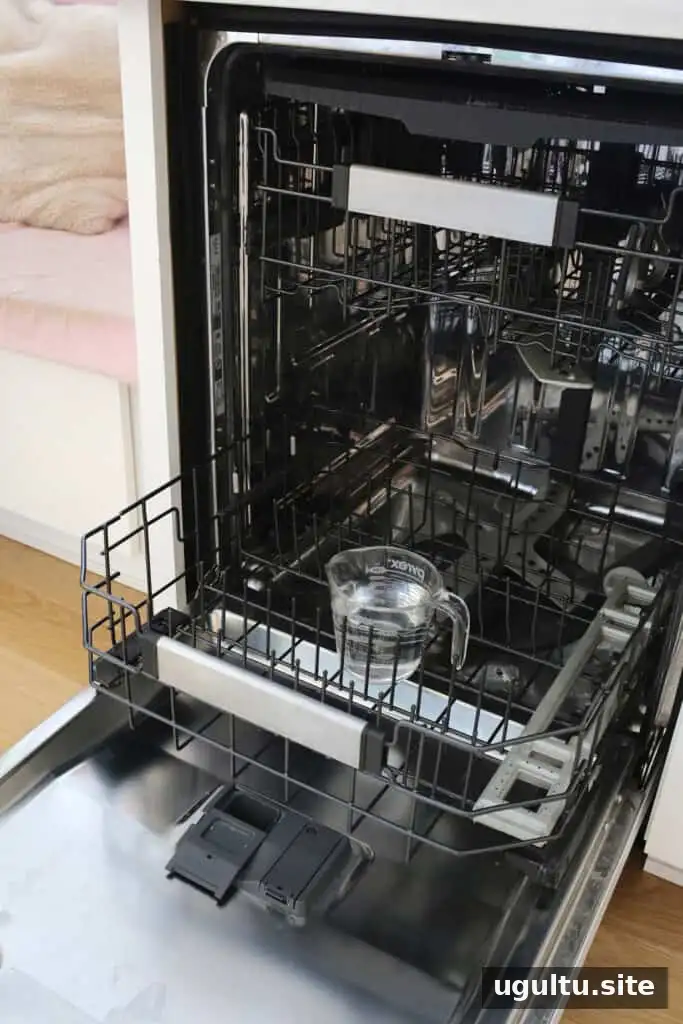
3. Run a vinegar cycle
To help loosen residue and reduce odors, place two cups of white vinegar in a dishwasher-safe bowl or glass measuring cup on the bottom rack. Run an empty cycle using the hottest water setting, without detergent and with heated drying turned off. Check your owner’s manual first; vinegar may not be suitable for every model or component.
4. Run a baking soda cycle
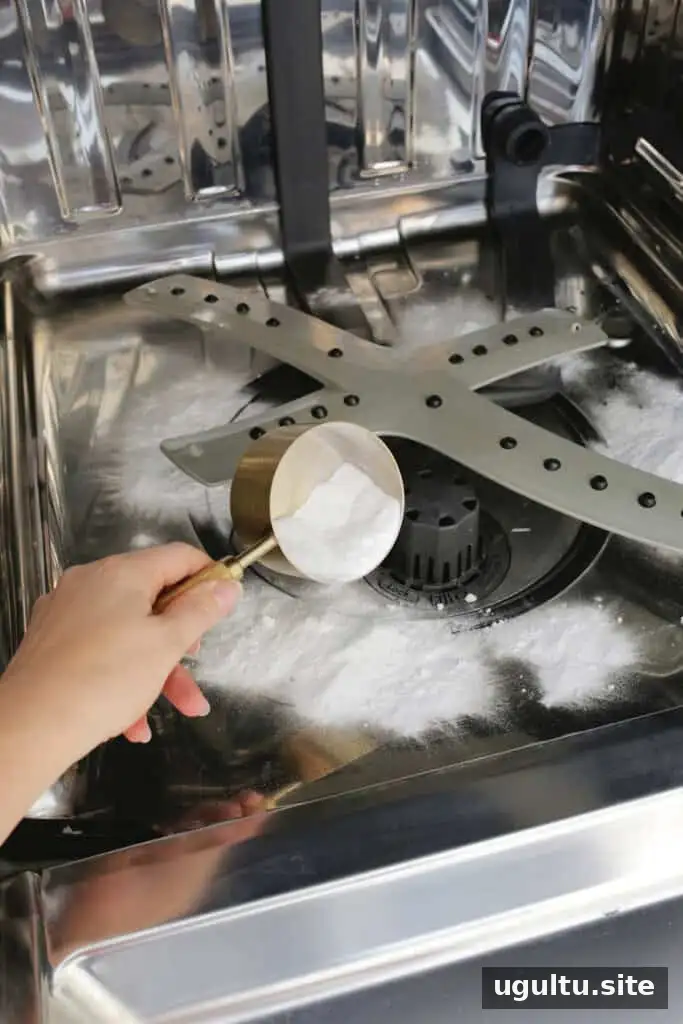
After the vinegar cycle has finished, sprinkle one cup of baking soda across the bottom of the empty dishwasher. Run a separate cycle on the hottest water setting without detergent. Do not put vinegar and baking soda together in the same cycle; they react with each other and can create excess foam without improving the cleaning process.

Deep-clean other dishwasher parts
Wipe the door and gasket
The gasket is the rubber seal around the opening. Wipe it and the inside of the door with a soft cloth. If needed, use a solution of one-half cup vinegar mixed with three cups of warm water, provided your manual allows vinegar on these surfaces. Otherwise, use warm water only. A soft toothbrush can help clean creases in the seal. If you see mold or mildew, consult the manual for an approved cleaner.
Inspect the drain
Remove visible debris around the drain and filter area, taking care not to reach into sharp or obstructed parts. If water remains in the bottom of the appliance or drainage is poor, consult the manual for safe troubleshooting steps. Avoid pouring boiling water into the dishwasher drain, as it may damage components or create a burn risk.
Check the spray arms
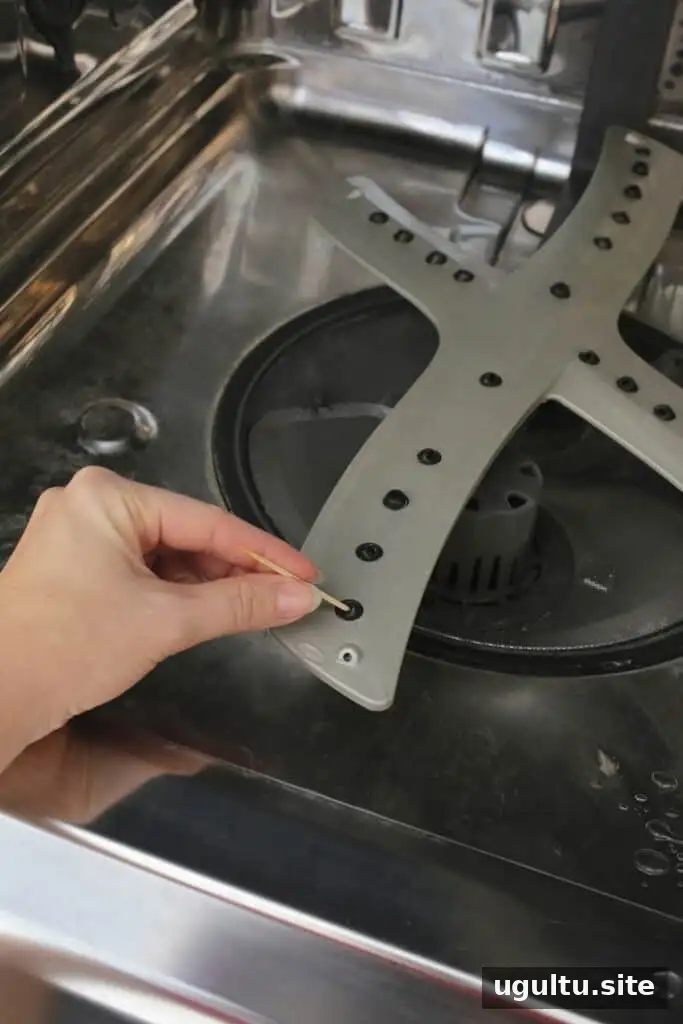
With the racks removed, inspect the spray arms for blocked openings or mineral deposits. Clear visible debris carefully with a toothpick or flexible wire, without forcing it into the holes. Keeping the openings clear helps water reach dishes throughout the cycle.
Wipe the exterior
Clean the outside of the door with a damp microfiber cloth and a little dish soap, then dry it to prevent streaks. For stainless-steel surfaces, use a cleaner approved for that finish and wipe in the direction recommended by the appliance manufacturer.
Using dishwasher-cleaning tablets
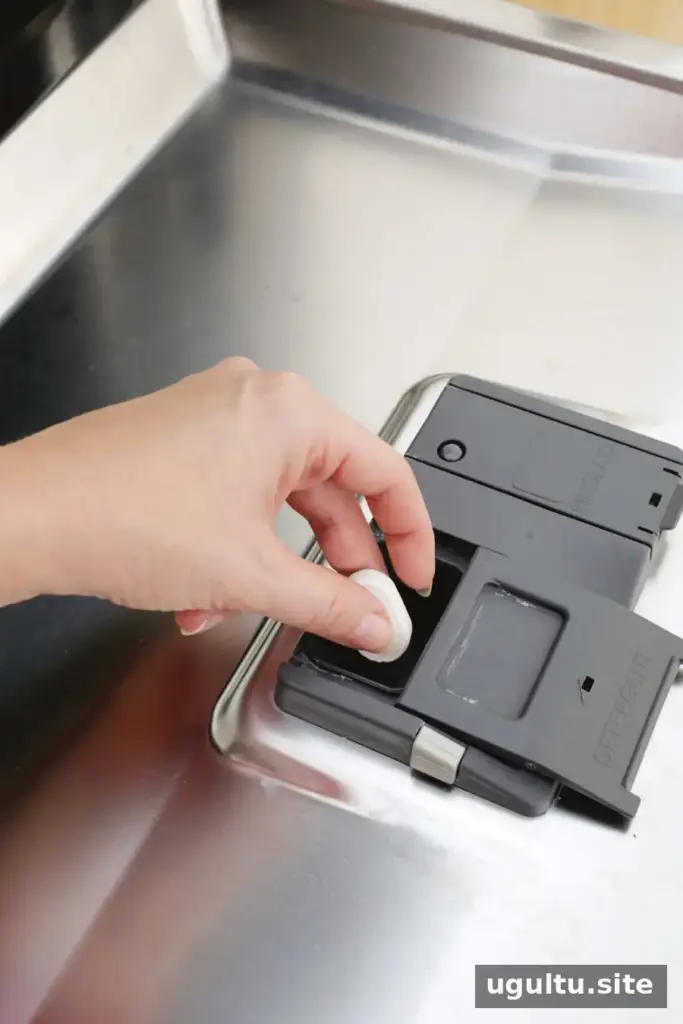
Dishwasher-cleaning tablets are another option. Remove the dishes, clean the removable filter, and clear visible food from the filter area. Place the tablet as directed on its packaging, then run a full wash cycle. Use only the quantity stated in the instructions; adding extra product is not necessary unless the label specifically recommends it.
How to keep a dishwasher clean
- Remove visible food from the bottom of the dishwasher after a load.
- Avoid overloading the racks so water can circulate around the dishes.
- Check and clean the filter regularly, especially if you use the appliance frequently.
- Set a monthly reminder for routine maintenance and clean sooner if you notice odors or visible grime.
Frequently asked questions
Can you use bleach to clean a dishwasher?
Bleach can damage stainless-steel parts and should not be mixed with vinegar or ammonia because hazardous fumes may form. Check the owner’s manual before using any bleach-based product, and choose a cleaner specifically approved for your dishwasher.
Can vinegar and baking soda be used in the same cycle?
It is better to use them in separate cycles. Combining them causes a foaming reaction and reduces the effectiveness of both ingredients.
How do you clean a smelly dishwasher?
Start by removing food debris and cleaning the filter, then wipe the gasket and interior. If the manual allows it, run a separate vinegar cycle followed by a baking soda cycle. Persistent odors may indicate a drainage issue that needs further attention.
What causes white powdery residue inside a dishwasher?
Hard-water minerals can leave a pale, powdery film. Try wiping a small area with a vinegar-dampened sponge if vinegar is permitted for your appliance. More frequent maintenance or a suitable dishwasher water-softening solution may help reduce recurring deposits.
Conclusion
Learning how to clean a dishwasher is mostly a matter of checking the filter, washing removable parts, and wiping areas where residue collects. Use household cleaning ingredients only when your appliance manual permits them, and keep vinegar, bleach, and other products separate. A regular cleaning routine can help reduce odors and support consistent dishwasher performance.


