
 admin
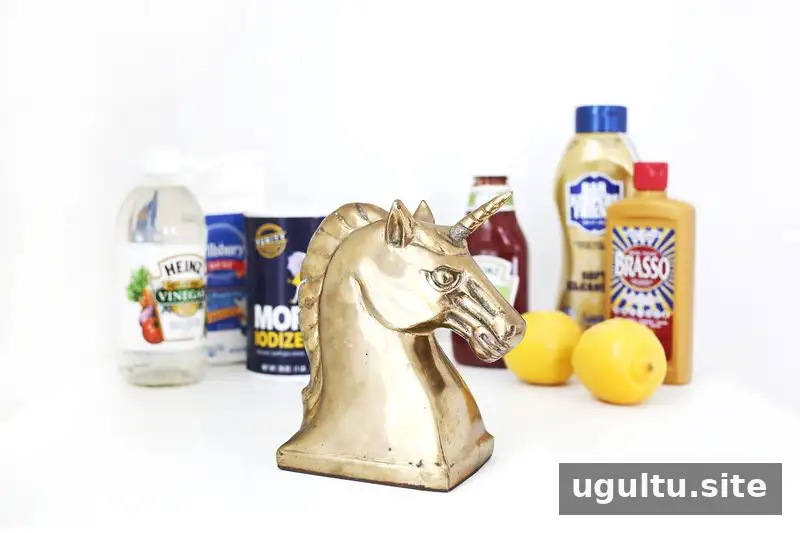
Knowing how to clean brass can help restore shine to decorative items, bookends, and other household pieces without damaging their finish. Before choosing a cleaning method, check whether the item is solid brass, brass-plated, or coated with a protective lacquer.

A magnet can offer a quick first check: it generally will not stick to brass, while it may stick to the metal beneath brass plating. However, a magnet test is not definitive, so avoid aggressive polishing if you are unsure about the material or finish.
How to Clean Brass: Start with a Gentle Wash
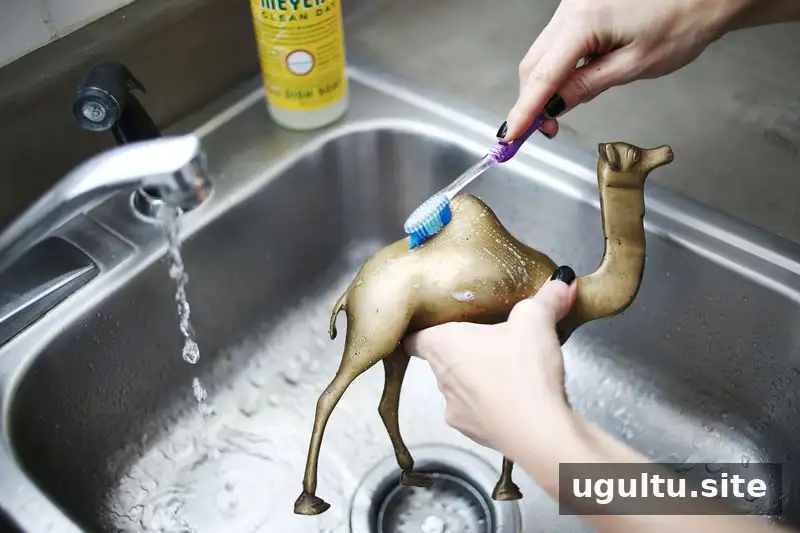
Wash the item with warm water, a little mild soap, and a soft-bristle toothbrush or cloth. Rinse away any soap residue, then dry it completely with a soft towel. This removes surface dirt and makes it easier to see whether tarnish remains.
For brass-plated or lacquered items, stick to gentle soap and water. Abrasive cleaners and vigorous polishing can wear through plating or damage a lacquer coating. If the finish is uncertain, test any method on a small, inconspicuous area first.
Once the piece is clean and dry, try one suitable method at a time. Use a soft cloth and avoid hard scrubbing, especially around raised details and crevices.
Lemon and salt
Cut a lemon in half and sprinkle salt on the cut surface. Rub it lightly over the brass, adding more salt if needed, then buff with a soft cloth. This method may brighten the surface, but it may not remove dark buildup in crevices and can leave streaks. Rinse the item afterward and dry it thoroughly.
Commercial brass polish
Apply a brass polish to a clean, soft cloth and follow the product label. Buff gently, then use a fresh cloth to remove any remaining polish and shine the surface. In a comparison of these methods, commercial polish lightened the brass, removed more buildup from detailed areas, and left a more even sheen. Check the label for surface compatibility and use the product as directed.
Ketchup
Although ketchup is sometimes suggested as a household cleaner, it performed poorly in this comparison. It did not clean the dirtiest crevices and caused some areas to turn pink. For this reason, it is not a recommended choice for cleaning brass.
Flour and vinegar paste
Mix one teaspoon of salt into 1/2 cup of vinegar. Add flour gradually until the mixture forms a paste, then spread it over the brass. Leave it for up to an hour, rinse thoroughly, and buff dry with a soft cloth. This method lightened the surface and cleaned more evenly than lemon, though results can vary by item and finish.
Which Method Should You Choose?
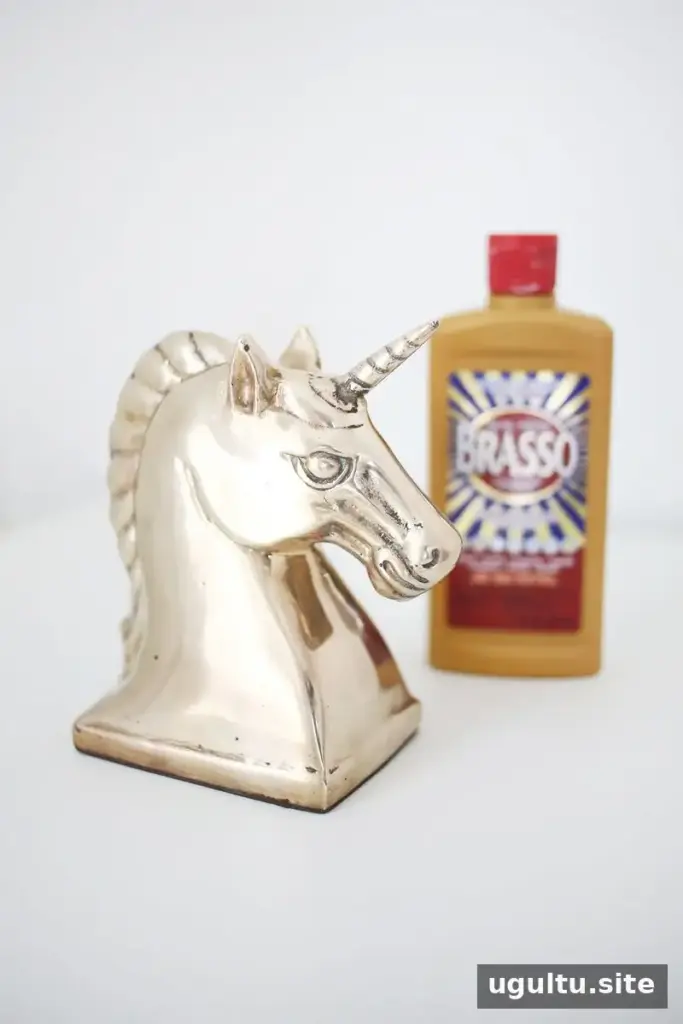
Among the methods compared, commercial brass polish gave the most consistent shine and removed the most visible buildup. For a non-commercial option, the flour-and-vinegar paste performed better than lemon or ketchup. Always match the method to the item’s finish, and avoid polishing away dark areas if they are part of the desired aged appearance.

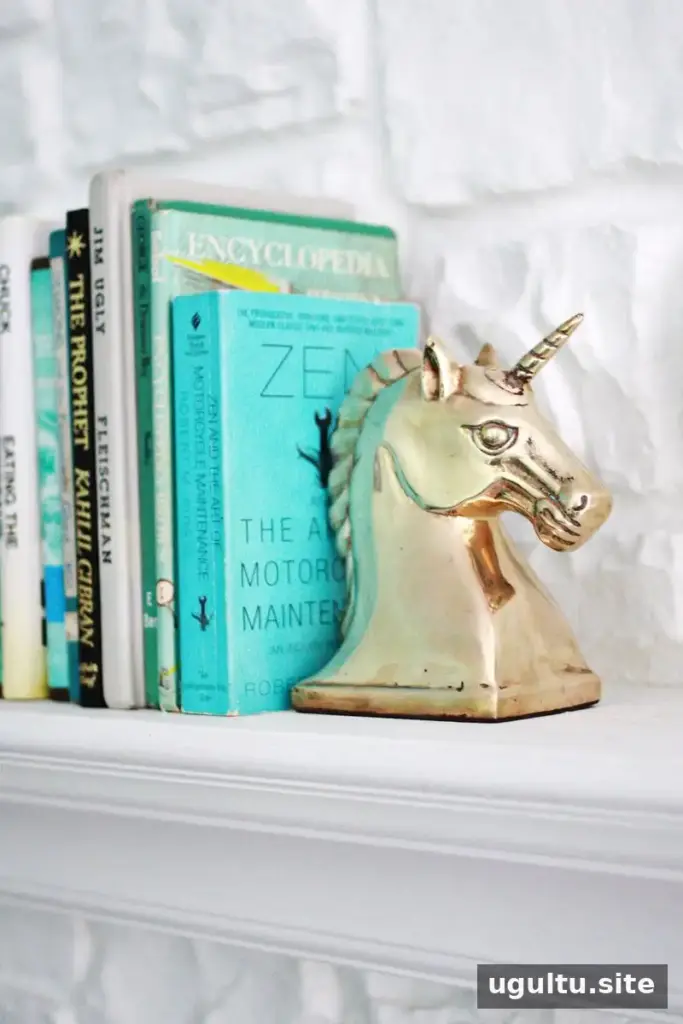
To clean brass successfully, begin with a gentle wash, identify the finish as carefully as possible, and test a small area before treating the whole piece. Use a soft cloth, rinse off homemade mixtures completely, and dry the item to reduce the risk of water marks. The right approach can brighten brass while preserving the details and patina that give an object its character.
— Laura


