
 admin
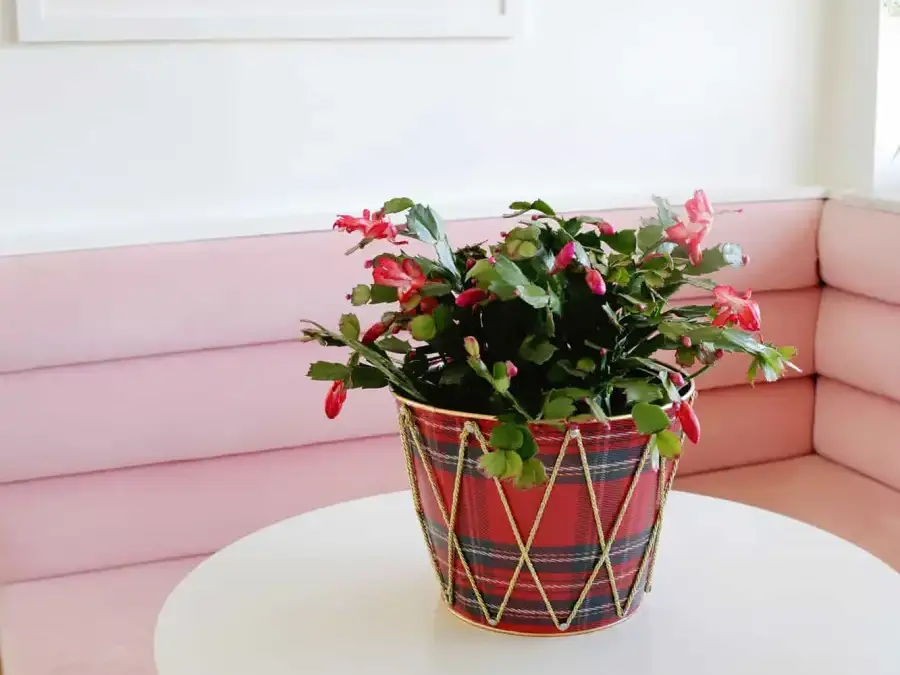
Christmas cactus care is straightforward once you understand the plant’s tropical origins and seasonal flowering needs. The Christmas cactus (Schlumbergera x buckleyi) is a rainforest plant with segmented stems and tubular flowers that typically bloom in late fall or early winter. It grows best indoors in most climates; it can remain outdoors year-round only in USDA hardiness zones 10–12.
Its blooms respond to both temperature and day length, so a consistent routine can help the plant flower again in future seasons. Use the care tips below to choose a suitable spot, avoid common watering problems, and encourage flowering.

Christmas Cactus Care: Plant Types and Identification
Holiday cacti are often confused because their flowering seasons overlap. Checking the stem edges and typical bloom time can help you identify which type you have.
- Easter cactus: S. gaertneri usually flowers from late winter to mid-spring, around February through May. Its leaf segments are rounded, with small bristles along the edges.
- Thanksgiving cactus: Schlumbergera truncata flowers from late fall to mid-winter. It may have red, pink, peach, purple, orange, or white flowers, and claw-shaped projections on its leaf segments.
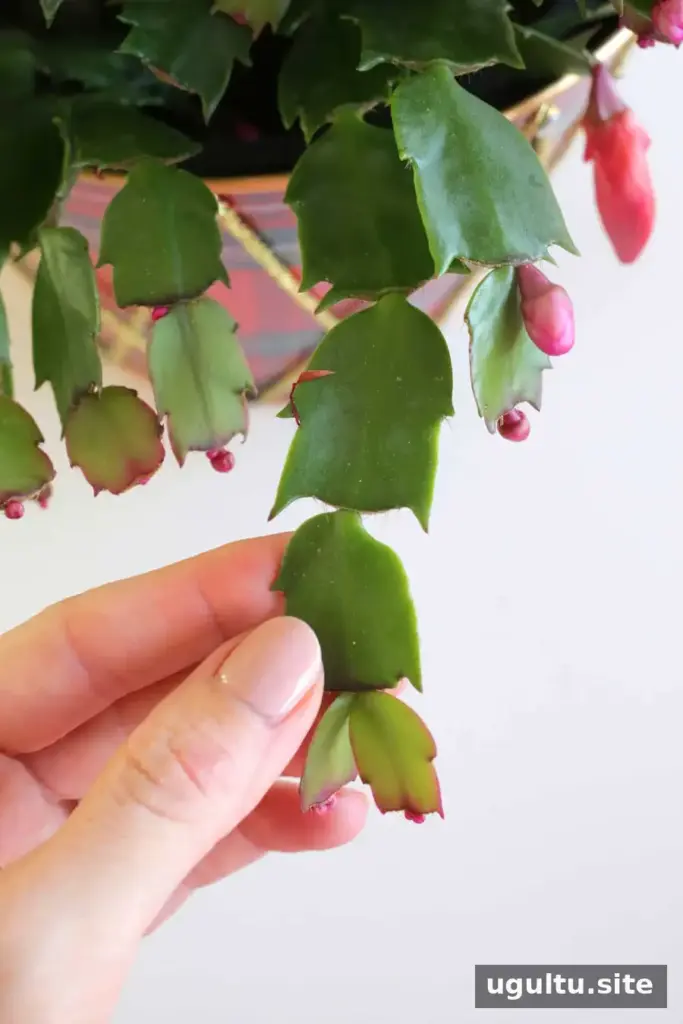
- Christmas cactus: Schlumbergera bridgesii typically flowers from early to mid-winter, with white or magenta flowers and rounded, flat segments with notched edges.
Practical tip: Use the plant’s segment shape and flowering period together to distinguish holiday cactus types; flower color alone may not be enough.
How Much Light Does a Christmas Cactus Need?
Provide bright, indirect light. The plant can tolerate some direct sun and generally benefits from brighter exposure during winter, while diffused light or partial shade is preferable during the rest of the year.
To encourage buds, give the plant at least 13 hours of uninterrupted darkness each night starting in mid-October. Keep artificial light from interrupting this dark period.
How Often Should You Water a Christmas Cactus?
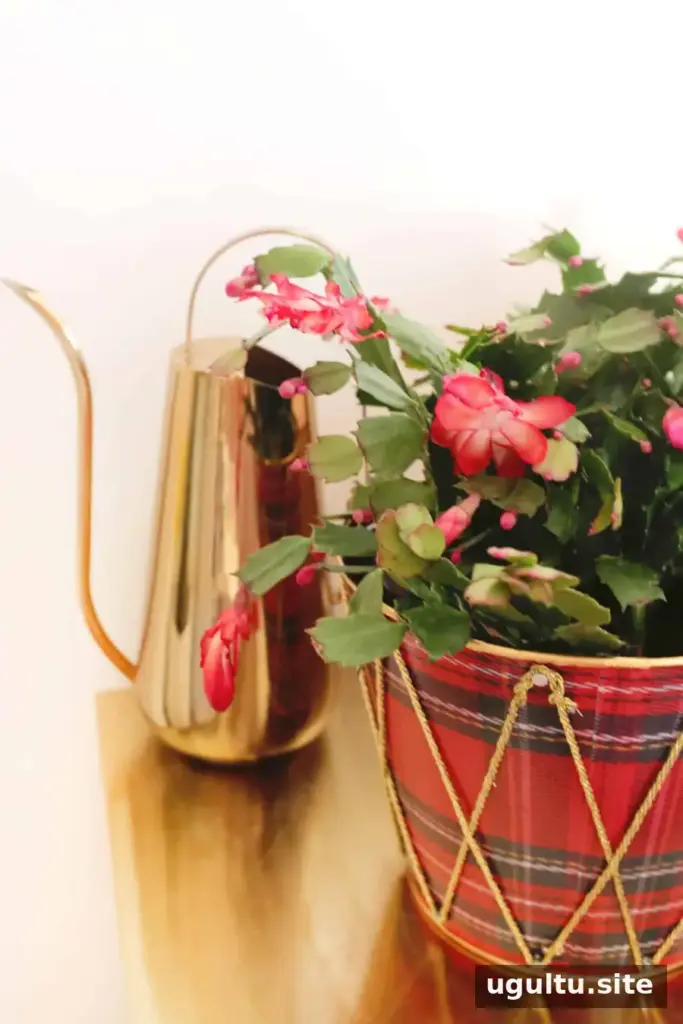
Although it is a cactus, this rainforest plant needs more frequent watering than many desert cactus varieties. Let the soil dry between waterings, since persistently wet soil can cause root rot and contribute to pest problems.
Check the top 2 inches of soil with a finger. When that layer feels dry, water thoroughly until excess water drains from the pot. Always use a container with drainage holes, and empty any standing water from its saucer.
Should You Fertilize a Christmas Cactus?
Apply a general-purpose fertilizer once a month while the plant is blooming. If you are keeping it after the holidays, continue monthly feeding until early fall. Stop fertilizing in mid-October and resume a monthly schedule when flowering begins again.
Tip: Keep the seasonal schedule consistent from year to year, and avoid feeding during the period when the plant is preparing to form buds.
Temperature and Humidity for Christmas Cactus
Christmas cacti come from humid rainforest environments and prefer temperatures between 70°F and 80°F during regular growth. Once buds have formed, cooler nighttime temperatures of 55°F to 65°F are suitable.
Keep the plant away from heating vents, exterior doors, and drafty windows. Sudden temperature changes can cause buds or flowers to drop. To increase humidity, use a humidifier or set the pot above a tray of pebbles and water, making sure the water remains below the top of the pebbles. Occasional light misting is another option. A bright bathroom or kitchen may also provide a more humid location.
Pruning Christmas Cactus
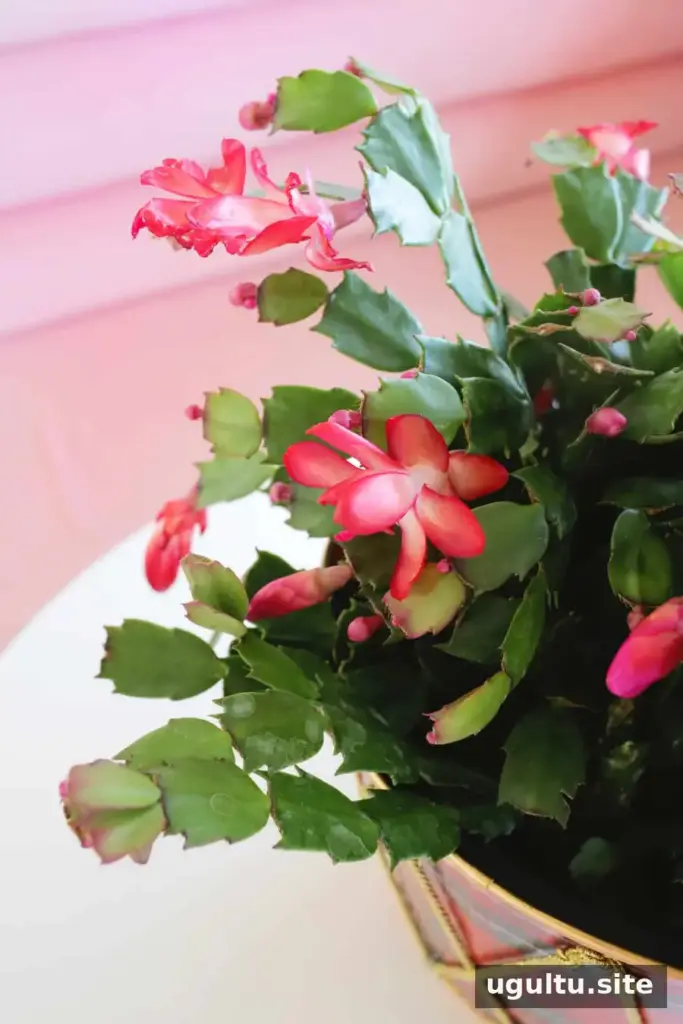
Pruning is optional. Remove faded flowers if desired, or trim the stems after flowering to keep an overgrown plant compact. Use clean scissors or shears, and avoid cutting while the plant is forming buds.
Repotting Christmas Cactus
Christmas cacti often flower well when slightly root-bound, so they do not need frequent repotting. About every three years, in spring, move the plant to a slightly larger pot with drainage holes.
Use a well-draining succulent mix containing sand. You can also improve drainage by mixing 1 part potting soil with 2 parts peat moss and 1 part perlite.
How to Propagate Christmas Cactus
Take stem cuttings after flowering has finished; early spring is a suitable time. Avoid taking cuttings while the plant is forming autumn buds.
- Fill a small pot with potting soil or cactus mix.
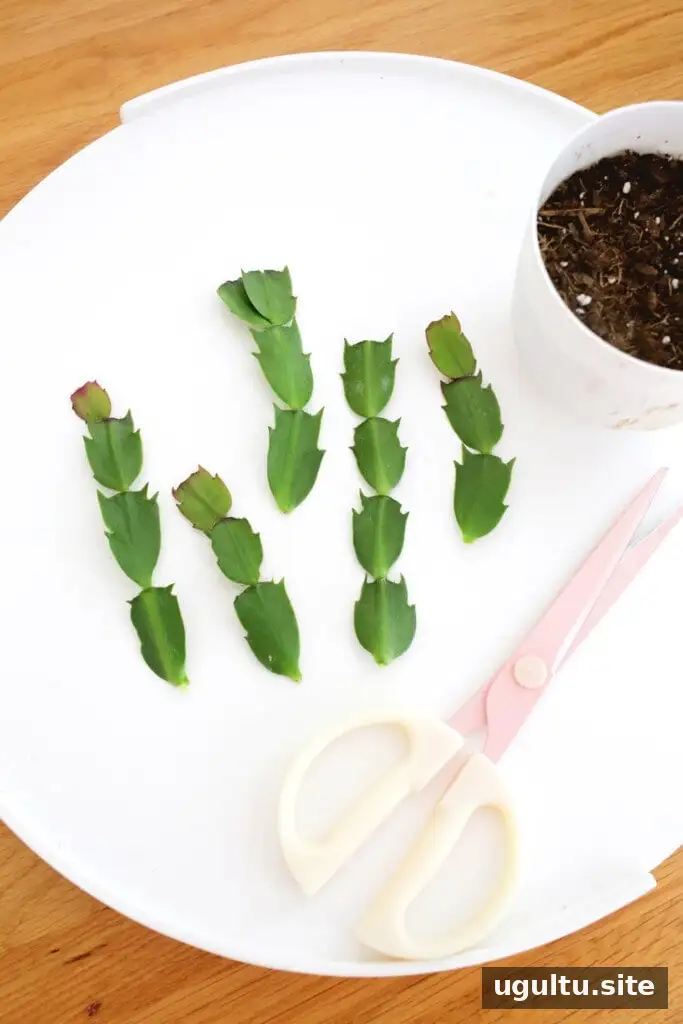
- With sterile scissors or shears, cut stems containing 3–5 segments. Up to 5 stems can be planted in one container.
- Leave the cut ends to dry for 4–5 days, until a callus forms.
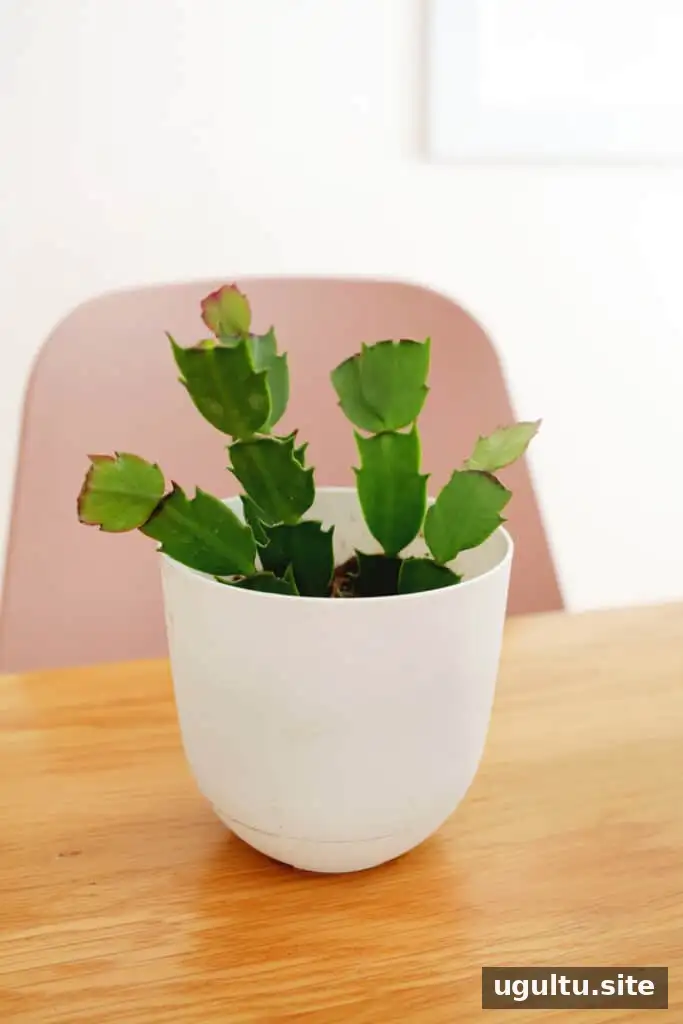
- Insert the dried ends about 1 inch into the soil.
- Keep the soil well watered while the cuttings root. A plastic bag placed loosely over the pot can increase humidity until roots take hold.
- Wait for new leaf or stem growth before moving the cuttings to a larger pot.
Roots may develop in about two weeks. Check that the cuttings remain stable and avoid leaving the pot in standing water.
How to Encourage Christmas Cactus to Bloom
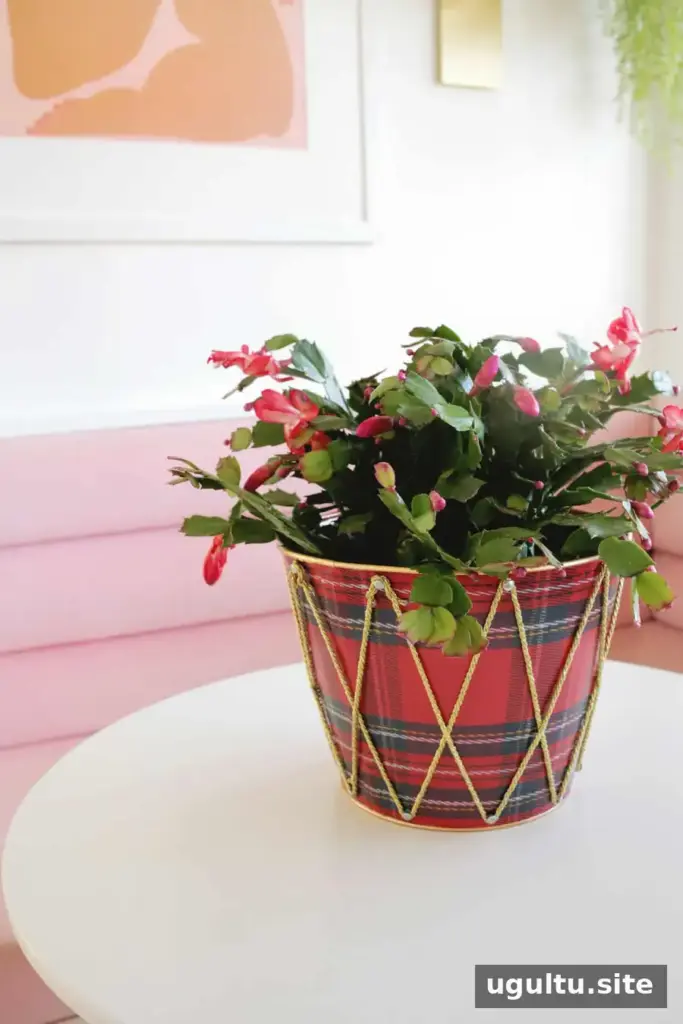
Flowering depends on a suitable combination of darkness and cooler temperatures. Begin preparing the plant in mid-October:
- Stop fertilizing. Hold back on watering until buds appear, while avoiding letting the plant become severely dry.
- Keep it in a spot that stays between 50°F and 60°F during this preparation period.
- For 6–8 weeks, provide about 13 hours of uninterrupted darkness each night. A closet or a covering that blocks light can help. If the room is warmer than 60°F, provide a few extra hours of darkness each day.
- Once buds have fully formed, move the plant to bright, indirect light. The long nightly dark period is no longer necessary after buds form.
- Water regularly once flowering begins. If the plant becomes too dry, it may drop its buds.
If buds fall during the first attempt, review the plant’s light, watering, and temperature conditions and try again next season.
Common Christmas Cactus Problems
- Blossom drop: Drafts and sudden temperature changes can cause buds or flowers to fall. Move the plant away from vents and drafty areas.
- Puckered or shriveled segments: Underwatering may be the cause. Check the soil and water thoroughly if the top 2 inches are dry.
- Mealybugs: Look for small, cotton-like masses. Remove them with a toothpick or clean the plant gently with a soft toothbrush.
- Spider mites: Fine webbing or tiny spots may indicate mites. Use insecticidal soap as directed and keep the plant free of dust.
- Fungus gnats, thrips, or aphids: These pests can occur around plants, particularly when watering is excessive. Correct overly wet soil and gently remove visible insects with an alcohol-dipped cotton ball.
- Root rot: Soggy soil and poor drainage raise the risk. Let the soil dry between waterings and use a pot with drainage holes.
- No flowers: The plant may be too warm or receive too much light during the flowering preparation period. Check that it receives the recommended darkness and cooler temperatures.
Frequently Asked Questions
Are Christmas cacti toxic to pets or children?
Christmas cacti are not poisonous to pets or children, but eating a large amount may cause stomach upset. Keep the plant out of reach of pets and young children who may chew on it.
Conclusion
Successful Christmas cactus care comes down to bright, indirect light, careful watering, good drainage, and a seasonal period of darkness and cooler temperatures to support flowering. With a steady routine and attention to changing buds and soil moisture, this holiday plant can continue to grow and bloom in the seasons ahead.


