
 admin
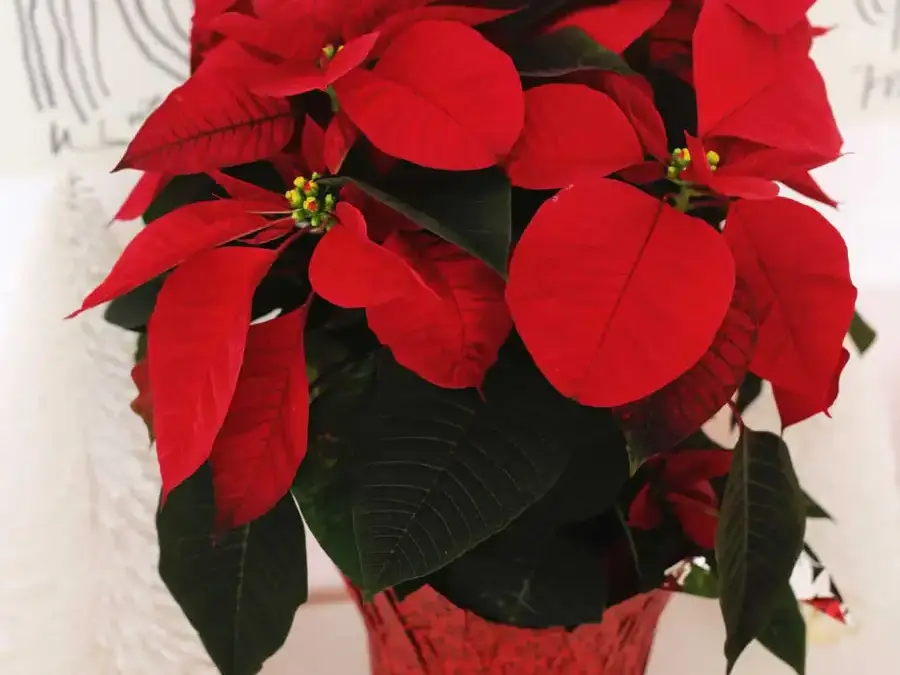
Poinsettia care is straightforward during the holiday season when the plant receives bright indirect light, careful watering, and protection from cold drafts. Poinsettias (Euphorbia pulcherrima) are tropical plants native to Mexico, even though they are widely sold as indoor decorations in winter. In their native habitat, they can grow into shrubs up to 10 feet tall.
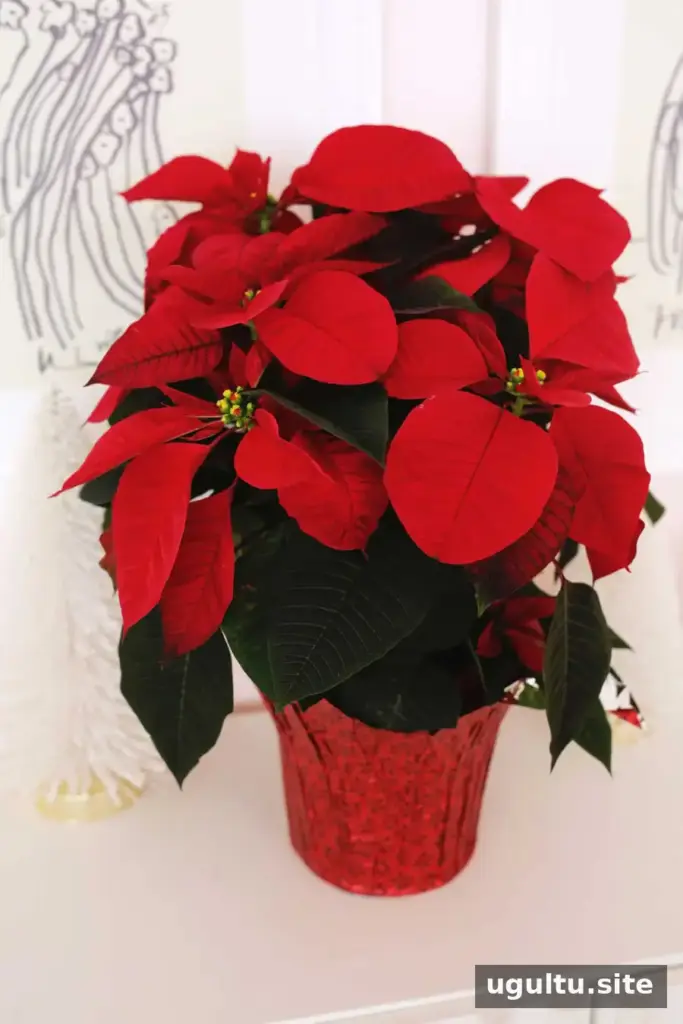
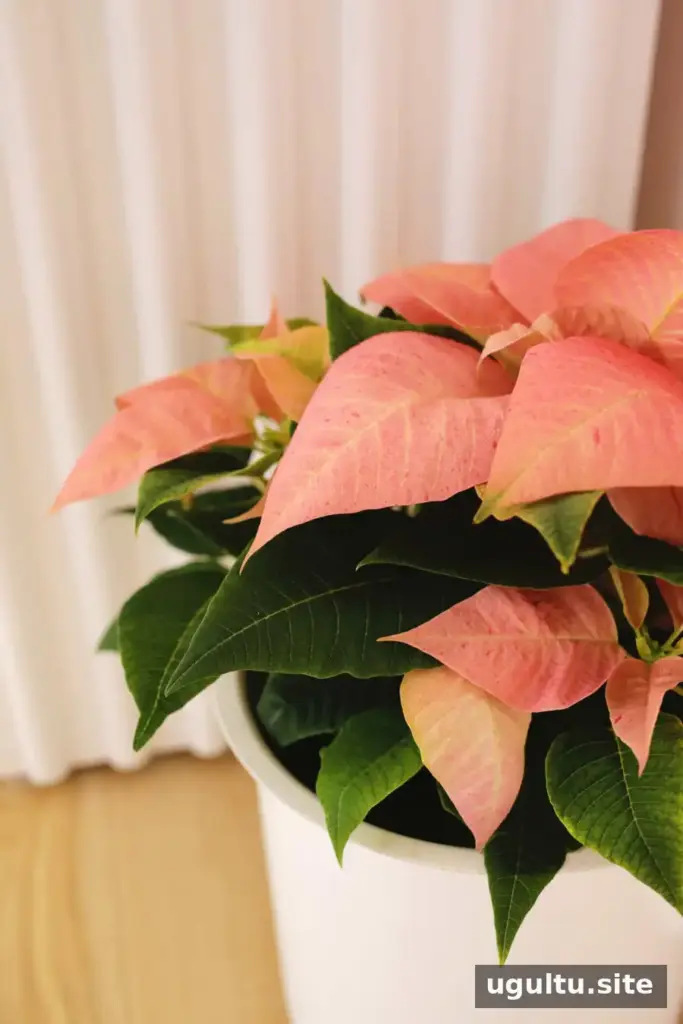
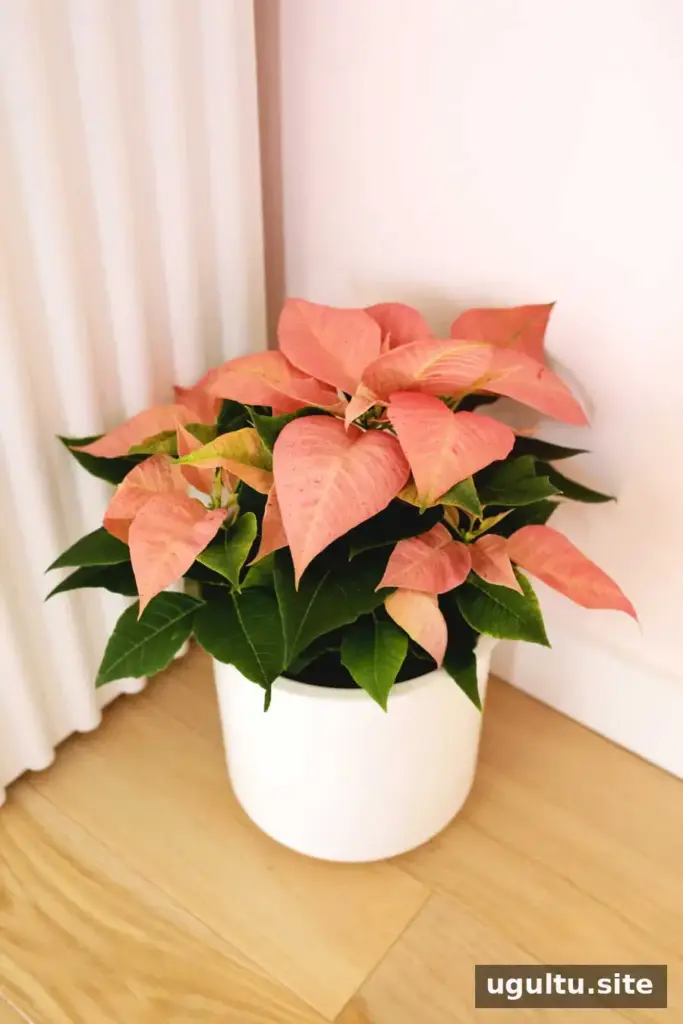
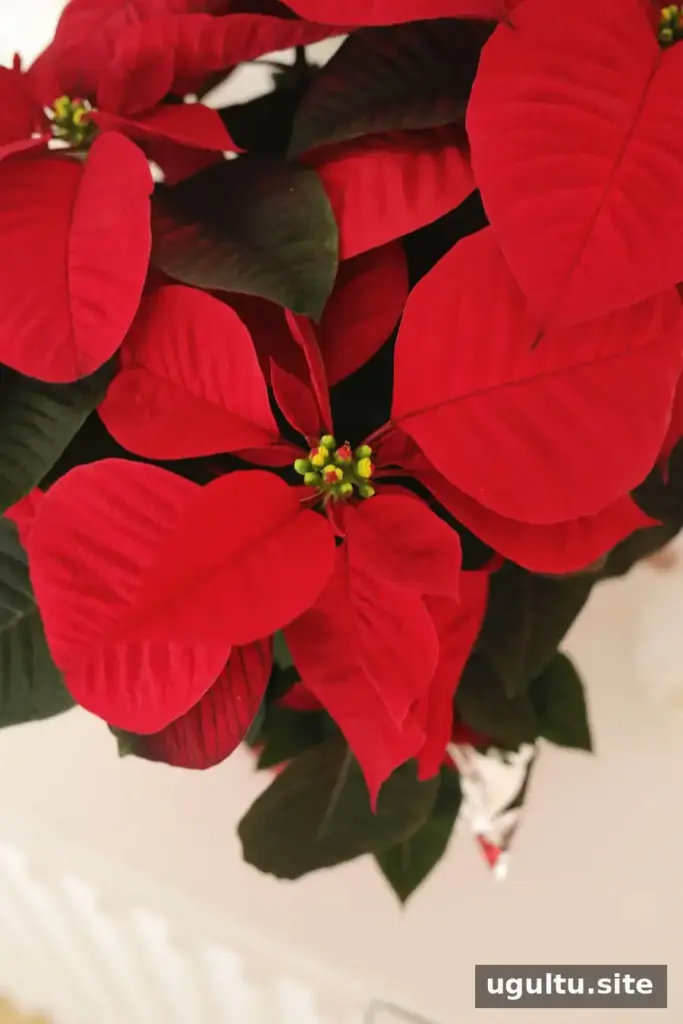
More than 100 poinsettia cultivars are available. The familiar red parts are colorful leaves called bracts, not flower petals. The small yellow flowers, known as cyathia, sit in the center of the bracts. Shorter winter days trigger the plant’s colorful display; the bracts can range from white and pale pink to bright red. With consistent care, a poinsettia can remain healthy after the holidays, though encouraging it to color again takes extra attention.
Poinsettia care: watering and light
How often should you water a poinsettia?
Keep the potting mix lightly moist, but never waterlogged. Check the soil surface with a finger and water when the top begins to feel nearly dry. A pot that feels noticeably lighter than it did just after watering may also be ready for water.
Good drainage is essential because standing water can cause root problems. Use a pot with drainage holes. If the plant is wrapped in decorative foil, take it out before watering, let excess water drain fully, and only then return it to the foil. Do not leave the pot sitting in a tray or cover that holds water.
How much sunlight does a poinsettia need?
Choose a bright indoor spot with indirect light, such as near a sunny window where direct rays do not fall on the leaves. Strong direct sun can scorch or damage foliage. If the plant begins to lose lower leaves, check whether it needs a brighter location while keeping it out of harsh sunlight.
Fertilizer, temperature, and humidity
Should you fertilize a poinsettia?
A poinsettia kept only through the holiday season does not need fertilizer. If you plan to keep it growing, wait until new growth appears, then feed it monthly with an all-purpose fertilizer diluted to half strength. Follow the fertilizer label, and avoid feeding a plant that is stressed or not actively growing.
What temperature and humidity does it prefer?
Indoor poinsettias do best at 65–70°F. Keep them above 50°F, as colder conditions can damage the plant. Avoid placing it near exterior doors, cold drafts, heating vents, or other spots with sudden temperature changes. For outdoor porch displays, nighttime temperatures should not fall below 50°F.
When bringing a poinsettia home in cold weather, cover it for the trip and do not leave it in a cold car. Because it is a tropical plant, it appreciates a more humid room; a humidifier can help if indoor air is dry.
Repotting and pruning poinsettias
When should you repot?
If you are keeping the plant only for the holidays, repotting is usually unnecessary. For a plant you plan to grow year-round, repot in late spring or early summer. Choose a container with drainage holes that is about 2 to 4 inches larger than the original pot, and use a well-draining mix with plenty of organic matter, such as peat moss.
How and when should you prune?
Prune leggy growth in late winter using clean, sterilized scissors or pruning shears. Cutting the stems back to about 5 inches above the soil can encourage a more compact shape. A second trim in late May, removing 2–3 inches from branch tips, can encourage additional growth. Remove faded or dried plant material as needed.
Practical tip: Clean tools before pruning and avoid cutting more than needed to shape the plant. This helps keep maintenance tidy and reduces the chance of spreading problems between plants.
How to propagate a poinsettia
Poinsettias can be propagated from cuttings taken from actively growing branches. Use a small pot or cup filled with potting mix and follow these steps:
- Take a 3–4-inch cutting from a healthy, actively growing branch with clean pruning shears.
- Remove the lower leaves, leaving the top leaves in place. Rooting hormone on the cut end is optional.
- Place the cut end in the potting mix and keep the cutting in a humid location away from direct sunlight. A loose plastic bag over the container can help maintain humidity; make sure the cutting is not exposed to harsh sun.
- Check the mix periodically so it does not become waterlogged or dry out completely. In about four weeks, roots may develop. Once rooted, move the cutting to a pot with drainage holes and begin normal watering.
How to get a poinsettia to rebloom
Getting a poinsettia to develop colorful bracts again requires a seasonal routine, especially a long, uninterrupted period of darkness. The plant can be sensitive to changes in its schedule, so consistency matters.
- April: Reduce watering so the plant can dry somewhat, but do not let the stems shrivel. Keep it in a spot around 60°F.
- Mid-May: Prune the plant to stems about 4 inches long and repot it in a slightly larger container. Place it in bright indirect light and resume regular watering. Start monthly half-strength fertilizer once new growth appears.
- July and August: Pinch back the stems once in each month to encourage branching.
- From October: For 10 weeks, provide 12 hours or less of daylight each day. Keep the plant in uninterrupted darkness from 5 p.m. to 8 a.m., then give it 6–8 hours of bright light during the day. A closet or box can provide darkness, but the plant should remain warm. Night temperatures around 60°F are considered suitable for flowering.
The bracts should begin to show strong color in early December. Even a brief interruption of the nightly dark period can affect the process, so choose a location where the plant will not be exposed to room lights.
Common poinsettia problems
- Wilted or curled leaves: The plant may need water. Check the soil first, water if it is nearly dry, and watch for improvement over the next day or two.
- Leaves dropping: Underwatering, overwatering, cold temperatures, or dry air can all contribute. Check soil moisture and the plant’s location before changing your watering routine.
- Whiteflies: Look beneath leaves when choosing a plant, since whiteflies can be difficult to manage. If you find a small number at home, inspect the plant regularly and keep it apart from other houseplants while assessing the issue.
- Yellowing lower leaves: Insufficient light may be a factor. Try a brighter position with indirect light, while avoiding intense direct sun.
Are poinsettias toxic to people or pets?
Poinsettia sap can irritate skin and may cause a rash. The plant is generally considered less toxic than older warnings suggested, but eating plant parts can still cause mouth irritation or stomach upset, particularly in children or pets. Keep the plant out of reach and contact a medical or veterinary professional if someone has a concerning reaction.
Conclusion: Keep poinsettia care consistent
Successful poinsettia care comes down to bright indirect light, soil that is moist but not soggy, good drainage, and steady warmth above 50°F. If you want the plant to return with colorful bracts, follow the seasonal pruning and darkness schedule closely. Check the leaves and soil regularly, and adjust conditions gradually when problems appear.


