admin
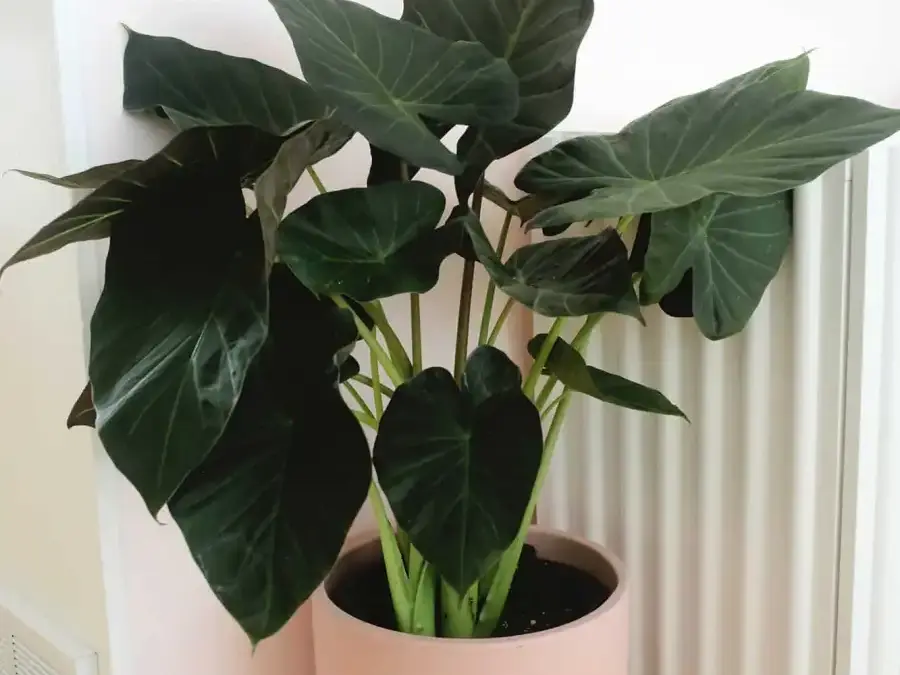
Learning how to grow elephant ears starts with providing warmth, moisture, and enough room for their dramatic foliage. These tropical plants, which include species in the Colocasia, Alocasia, and Xanthosoma genera, are known for their large, heart-shaped leaves and rapid growth. They can become a striking focal point in a garden, and in colder regions they can be grown as seasonal plants or brought indoors for winter.
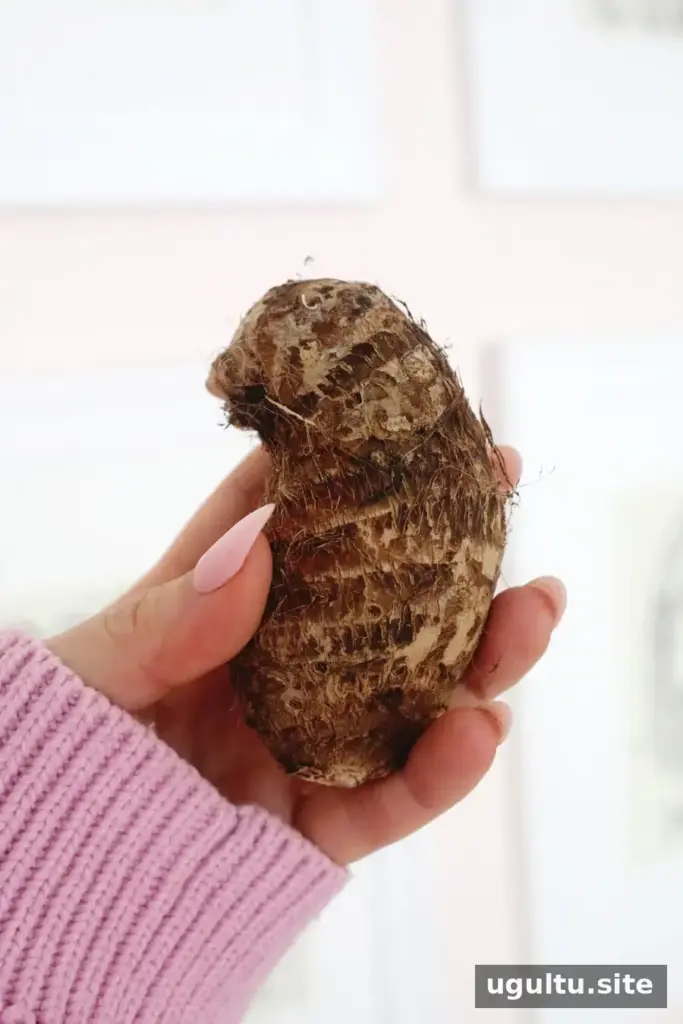
Elephant ears grow from corms, sometimes called tubers, rather than conventional bulbs. With suitable care, the corms can produce substantial foliage during a single growing season. Before planting, check the needs and mature size of your specific variety, as plants can spread 2–6 feet wide.
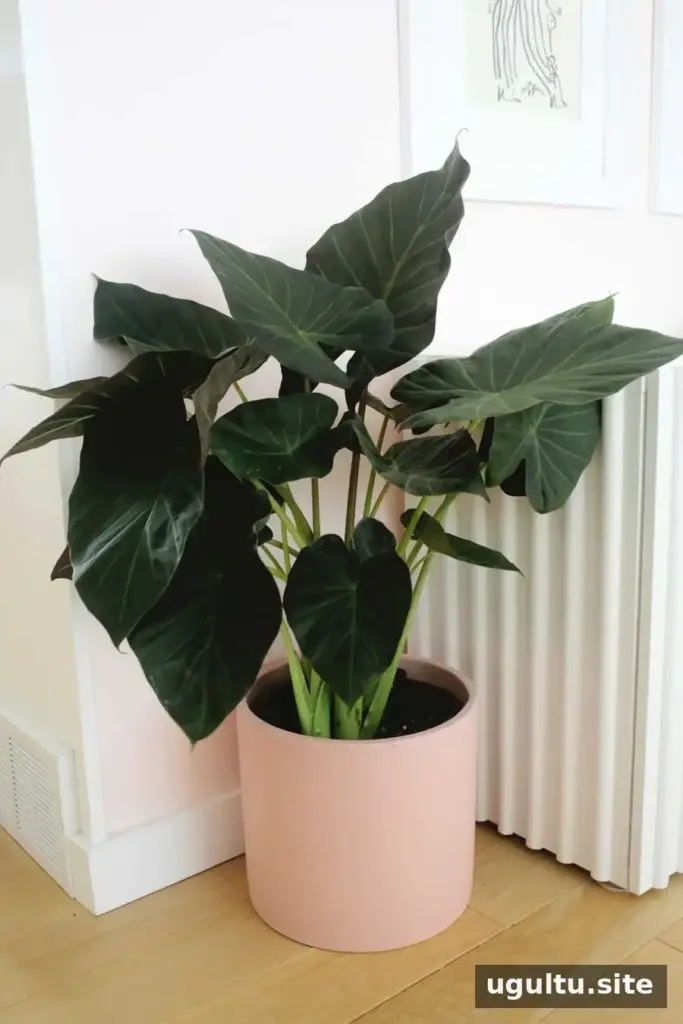
How to Grow Elephant Ears: Light, Water, and Temperature
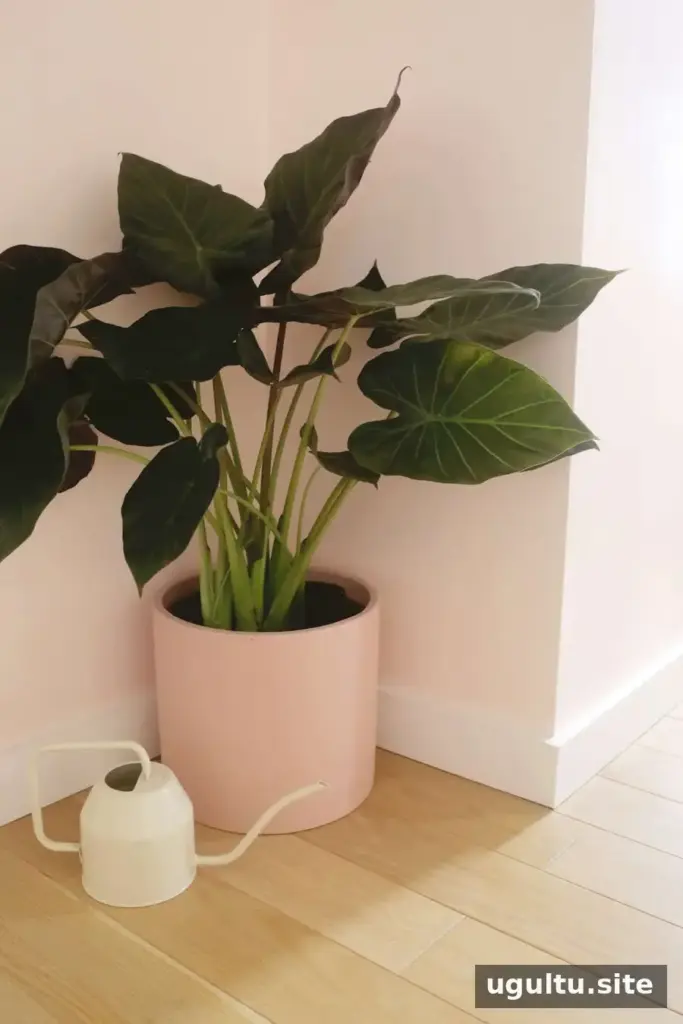
Most elephant ears grow in full sun to partial shade. In very hot climates, afternoon shade can help protect the leaves. Some varieties, including ‘Black Magic,’ prefer shadier conditions. Dark-leaved types generally need more light to maintain their color. Indoors, choose a bright spot with indirect light; strong direct sun through a window may scorch the leaves.
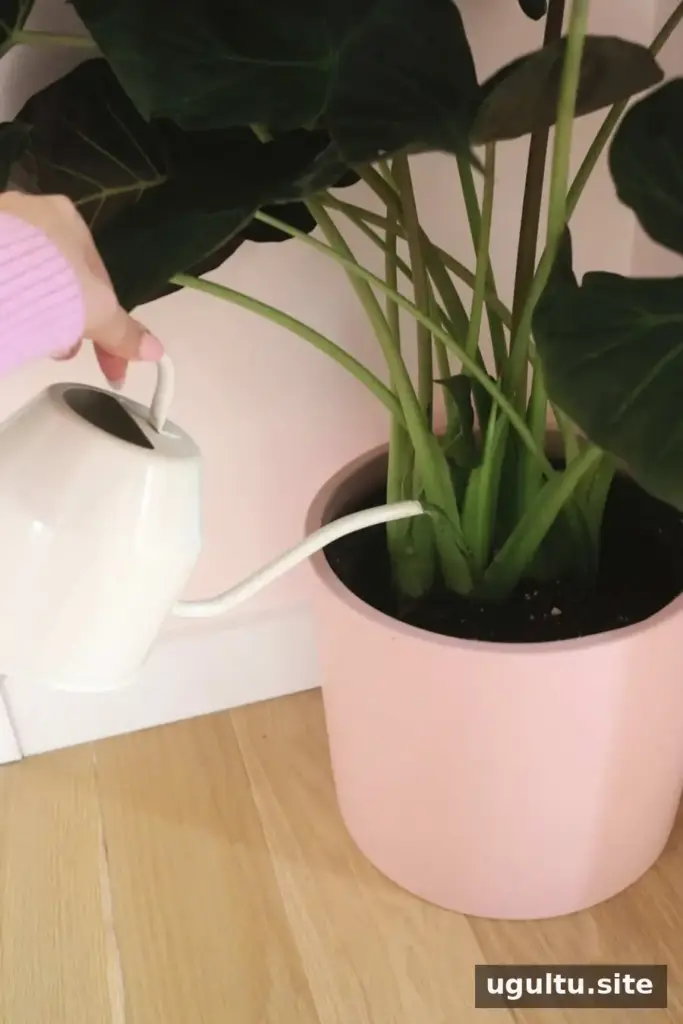
These plants need consistently moist soil. Water when the soil begins to dry, and check container plants frequently during hot summer weather—some may need water daily or even more often. Keep the soil moist, not waterlogged, unless you are growing a variety suited to wet or pond-like conditions. More sun can increase the plant’s water needs, so monitor the soil rather than relying on a fixed schedule.
Elephant ears favor warm conditions, with daytime temperatures around 70°F and nighttime temperatures above 60°F. They also do best with high humidity. Indoors, a humidifier can help if the air is dry. Cold tolerance varies by variety: many types are not suited to winters colder than USDA zones 8 or 9, while some, such as Colocasia esculenta ‘Pink China,’ can tolerate zone 6.
Planting Elephant Ear Corms
Wait to plant outdoors until nighttime temperatures remain consistently between 50–60°F. Plant corms 4–6 inches deep in well-draining soil, setting larger corms toward the deeper end of that range. Allow enough space for the variety’s mature width so that foliage has room to develop.
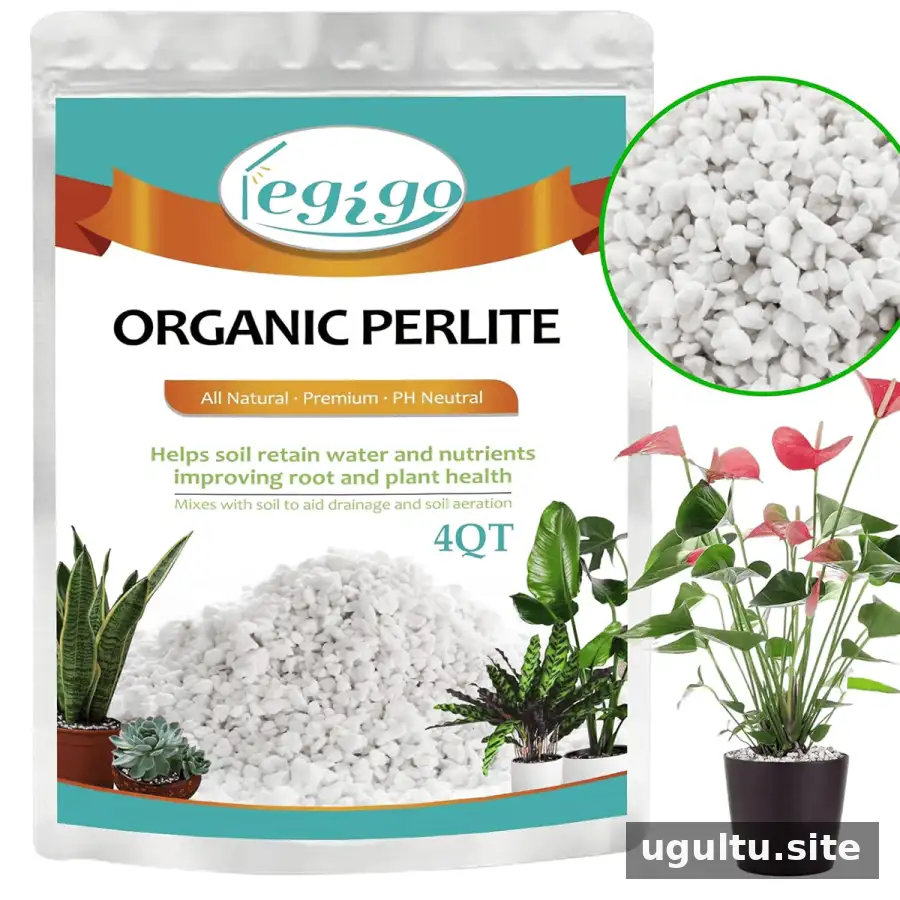
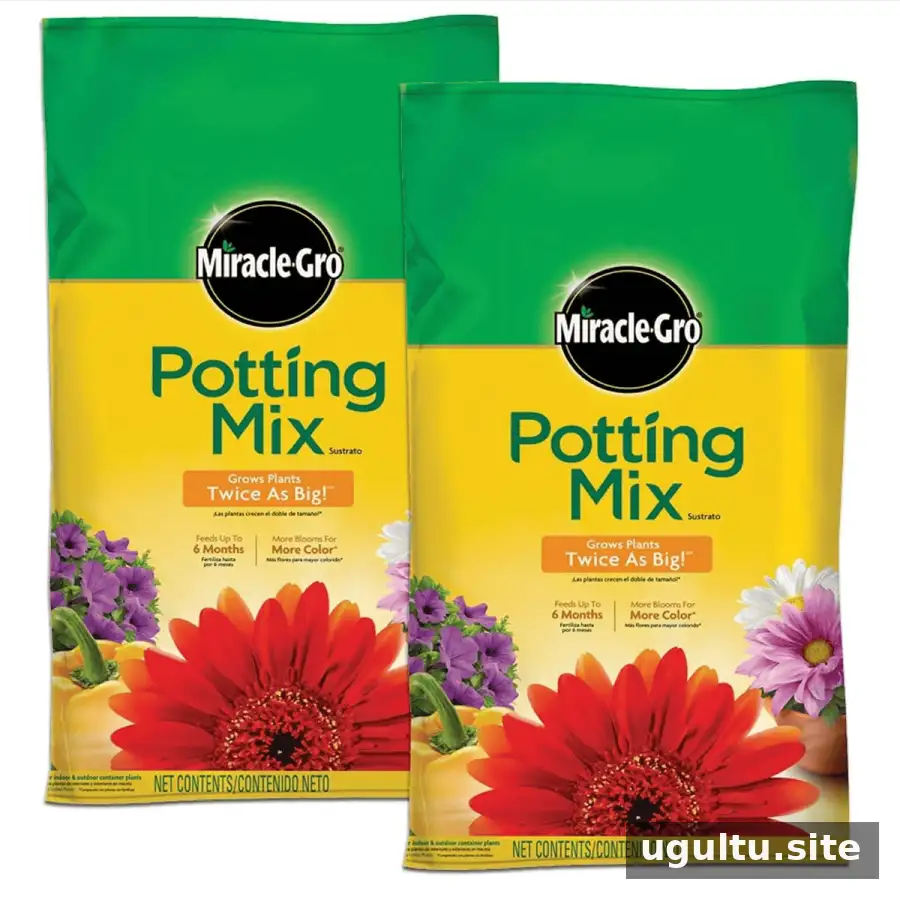
For containers, select a large pot with drainage holes. Use a quality potting mix that drains well; perlite or vermiculite can improve drainage if the mix needs it. Adding organic matter can provide nutrients, but avoid leaving the corm in persistently soggy soil, which can contribute to rot.
Fertilizing, Pruning, and Repotting
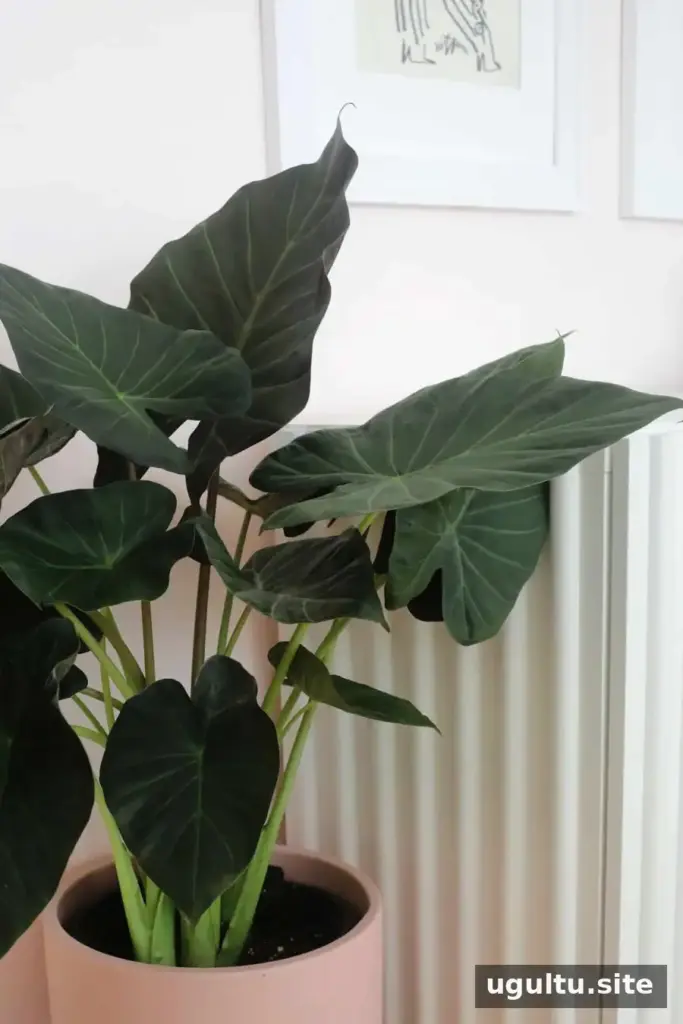
Elephant ears are vigorous growers and benefit from regular feeding during the growing season. Apply a general-purpose fertilizer about once a month, following the product label. Too much fertilizer can harm a plant, so do not exceed the recommended amount.
Remove brown or damaged leaves by cutting their stems near the base. Wear gloves and long sleeves when pruning: the plant contains compounds that can irritate skin. If a potted plant outgrows its container, repot it in fresh soil. You can also separate new corms from the main plant when dividing it.
Overwintering Elephant Ears
In USDA zones 3–7, corms generally need to be lifted before the first frost. Cut back the stems, dig up the corms, and let them air-dry for about a week. Once dry, wrap them in paper and store them in a cardboard box in a cool, dry place that does not freeze, such as a suitable basement or garage.
Another option is to grow the plant in a container indoors through winter, leaving a few leaves intact. When spring returns, gradually acclimate it to outdoor conditions by placing it in a covered area for a few days before planting it outside.
Propagating Elephant Ears
At the end of the growing season, smaller corms may have formed beside the main corm. Wearing gloves, gently separate them or use a sterile knife. Let cut surfaces dry and heal, then store the small corms with the larger ones over winter. Plant them in spring to grow additional plants.
Popular Types of Elephant Ears
Alocasia
- Polly: A compact cultivar with ruffled leaves and prominent white veins.
- Zebrina: Recognized for its zebra-striped stems.
Colocasia
- Coffee Cups: Its leaves fold upward into a cup-like shape.
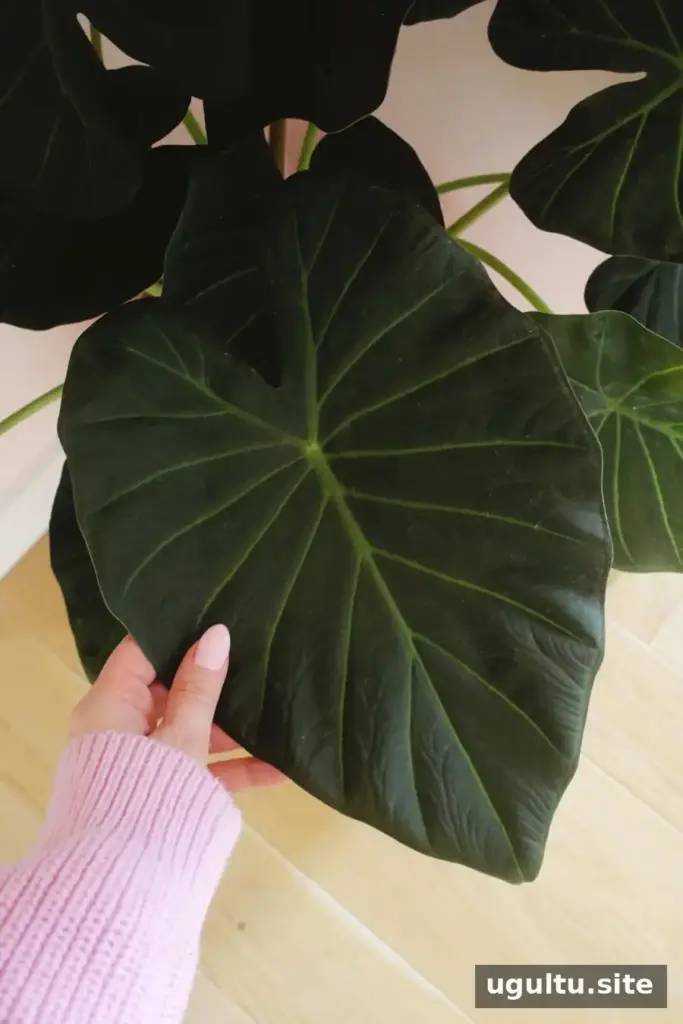
- Black Magic: A popular cultivar with purple-black leaves.
- Thailand Giant: A large variety with leaves that can reach 4 feet wide and 5 feet long.
- Illustris: Has dark green leaves with bright green veins and spreads by underground runners.
Xanthosoma
- Lime Zinger: Features arrow-shaped, chartreuse to lime-green leaves and grows 2–4 feet tall and up to 3 feet wide.
- X. lindenii: Known for silvery-white markings on its leaves.
Common Elephant Ear Problems
- Pests: Aphids, mealybugs, and spider mites may affect the foliage. Horticultural soap can be used according to its label directions.
- Leaf blight: Remove affected leaves and stalks if you see lesions with purple or yellow fluid, and avoid spreading plant material to healthy growth.
- Yellow leaves: Check watering, light, and fertilizer. Yellowing may also happen as the plant enters seasonal dormancy.
- Drooping or wilted leaves: Review moisture, light, feeding, and temperature. Heavy leaves may need support, while cold conditions can also cause drooping.
- Small or misshapen leaves: Inadequate light, water, or nutrients may be factors. Check growing conditions before making changes.
Frequently Asked Questions About Growing Elephant Ears
Are elephant ears toxic to pets or people?
Yes. Elephant ears are toxic to both pets and humans if eaten, and their sap can irritate skin. Keep plants away from children and animals, and wear gloves and protective clothing when handling or pruning them.
Can elephant ears stay outdoors in winter?
That depends on the variety and your local climate. Check the plant’s cold-hardiness information before leaving it outside. In colder areas, lift and store the corms before frost or bring the plant indoors.
Is elephant ear the same as taro?
Colocasia esculenta is the elephant ear species associated with taro. Its corms are used as food after appropriate preparation, including peeling and cooking. Do not eat ornamental plants unless their identity and safe preparation are certain.
Final Tips for Growing Elephant Ears
For successful elephant ear growth, choose a variety suited to your climate, plant its corm after nights warm up, and keep the soil consistently moist without waterlogging it. Provide appropriate light and regular feeding during active growth, and plan winter protection before frost arrives. With these steps, how to grow elephant ears becomes a manageable routine for both garden beds and containers.