
 admin
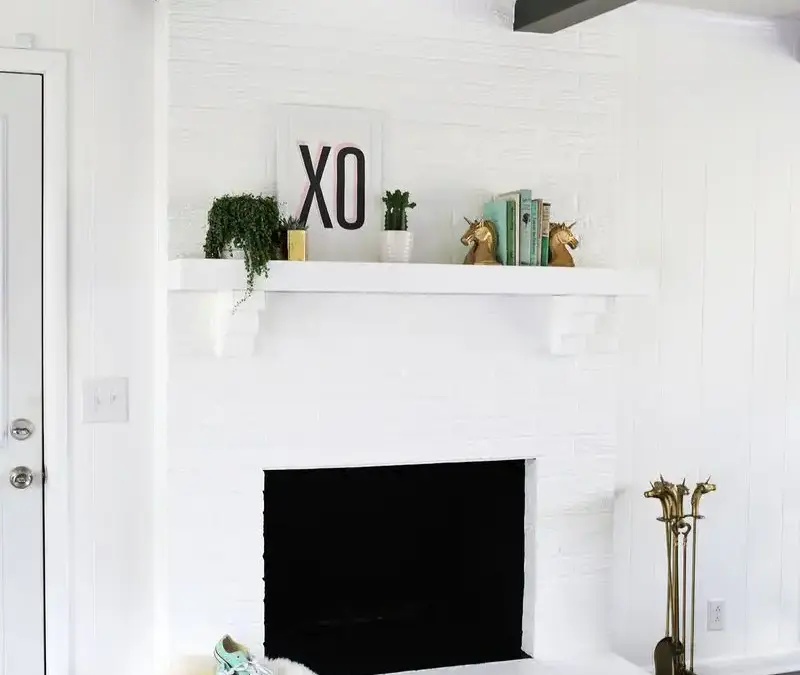
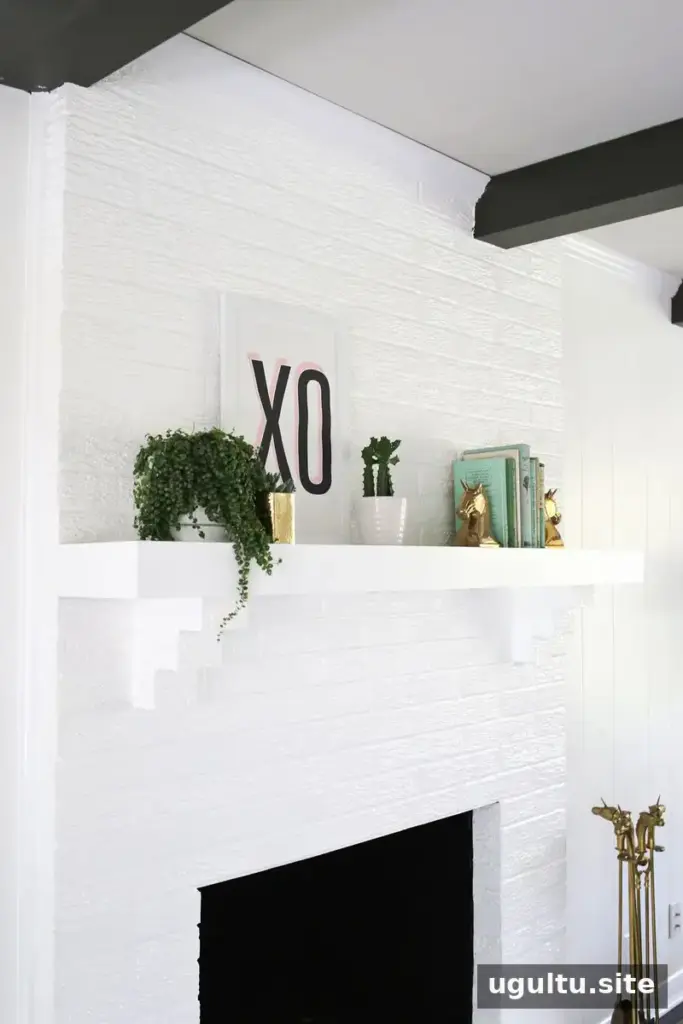
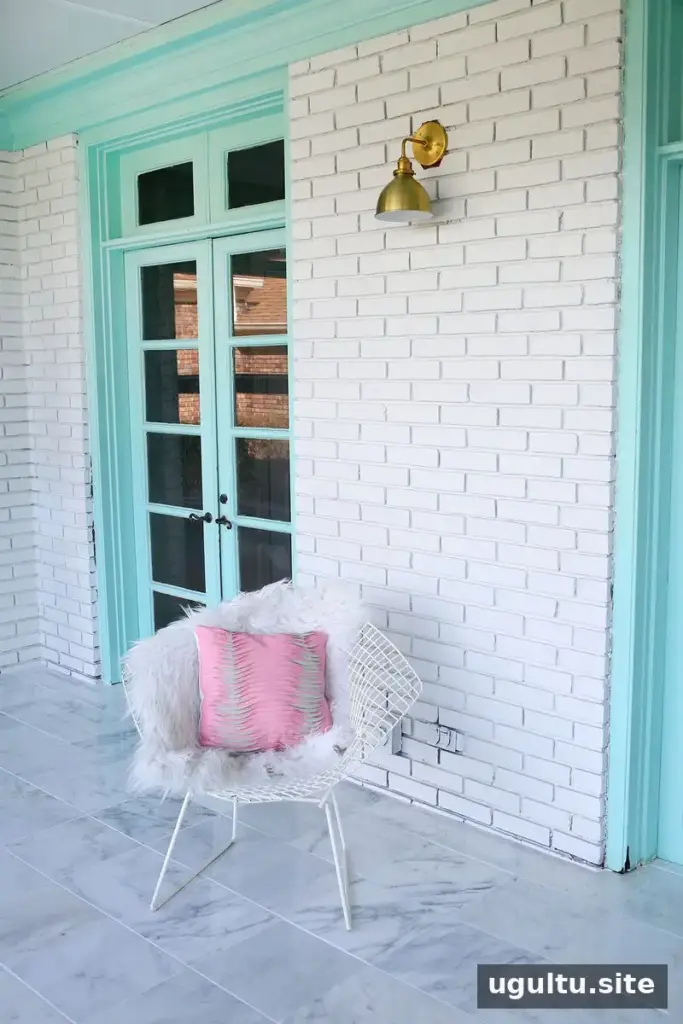
Painting brick and stone can refresh a dated wall or fireplace while keeping the masonry’s original texture visible. Because paint changes the surface permanently and can peel if applied over dirt or loose material, careful preparation and products suited to masonry are essential. If you prefer the natural look, leaving the surface unpainted is also a valid choice.
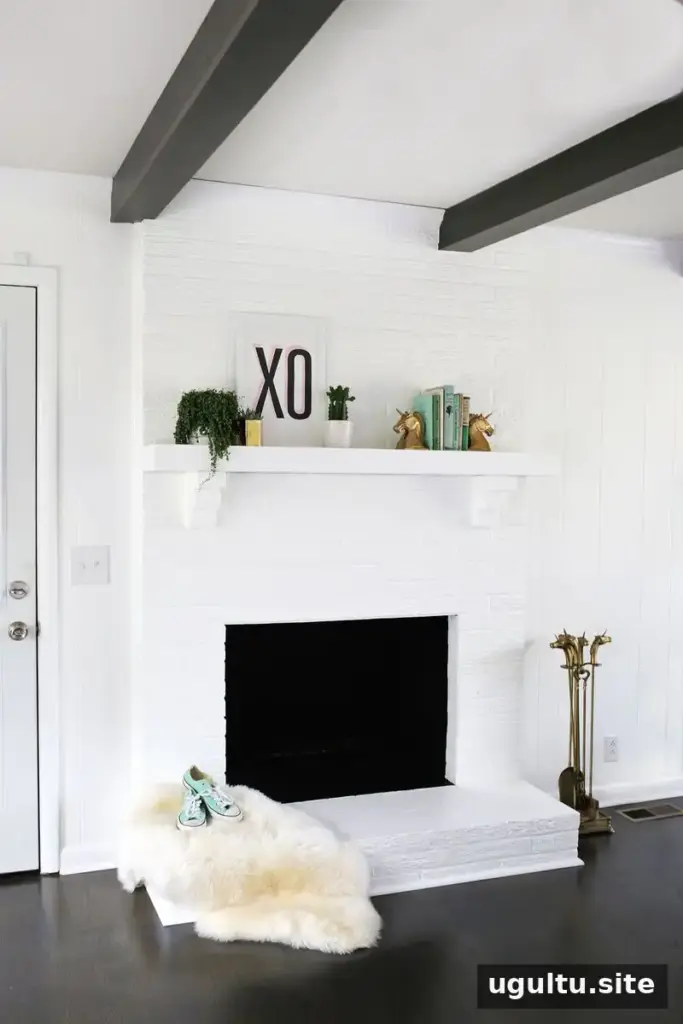
Is painting brick and stone right for your space?
Painted masonry can suit many interior styles and is an alternative to replacing brick or covering it with another material. Before starting, consider that paint is difficult to remove completely, so take time to decide on the color and finish. Test your chosen paint in a small, less visible area first to check how it looks against the texture and lighting in the room.
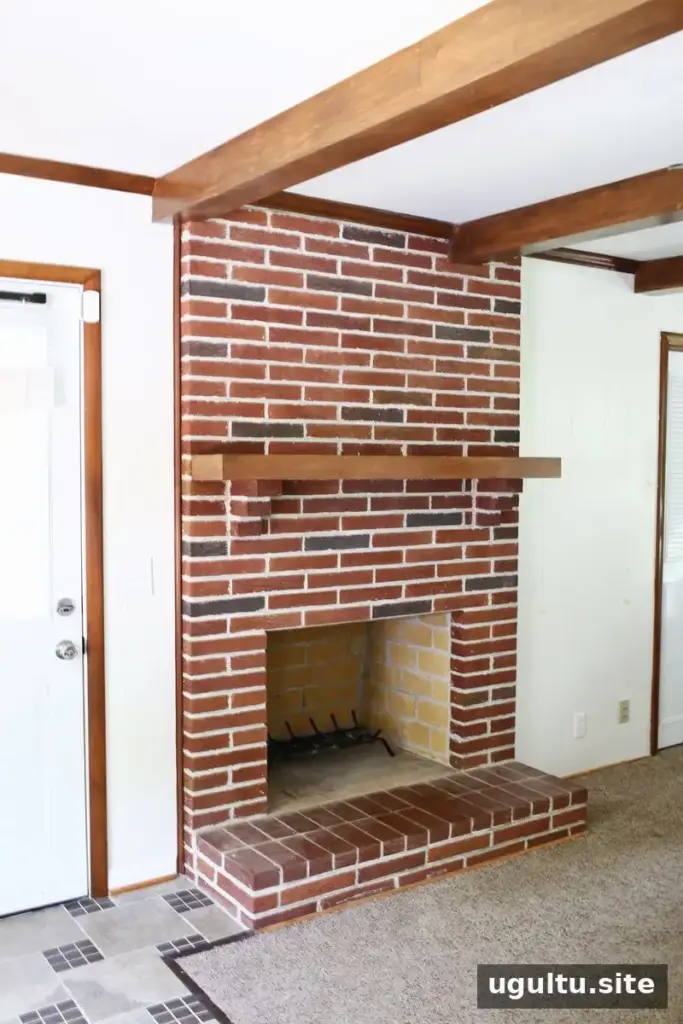
How to prepare brick and stone for paint
Inspect and prep the surface: Use a coarse wire brush gently to remove loose dirt and small, loose chips. Avoid aggressive scrubbing that could damage the masonry. If needed, smooth rough spots with 100-grit sandpaper, then remove any dust before cleaning.
Clean the masonry: Use a nylon-bristled brush or sponge with water and vinegar, or a grease-cutting cleaner such as TSP. Rinse the surface with clean water afterward and allow it to dry overnight before applying primer. Follow cleaner label directions, and protect nearby surfaces while washing.

Prime before painting
A masonry primer helps the paint adhere to brick or stone. Choose a product specifically intended for masonry and suitable for the surface you are painting. Apply it according to the label and let it dry fully before painting. Skipping this step may lead to uneven coverage or poor adhesion, particularly on porous surfaces.
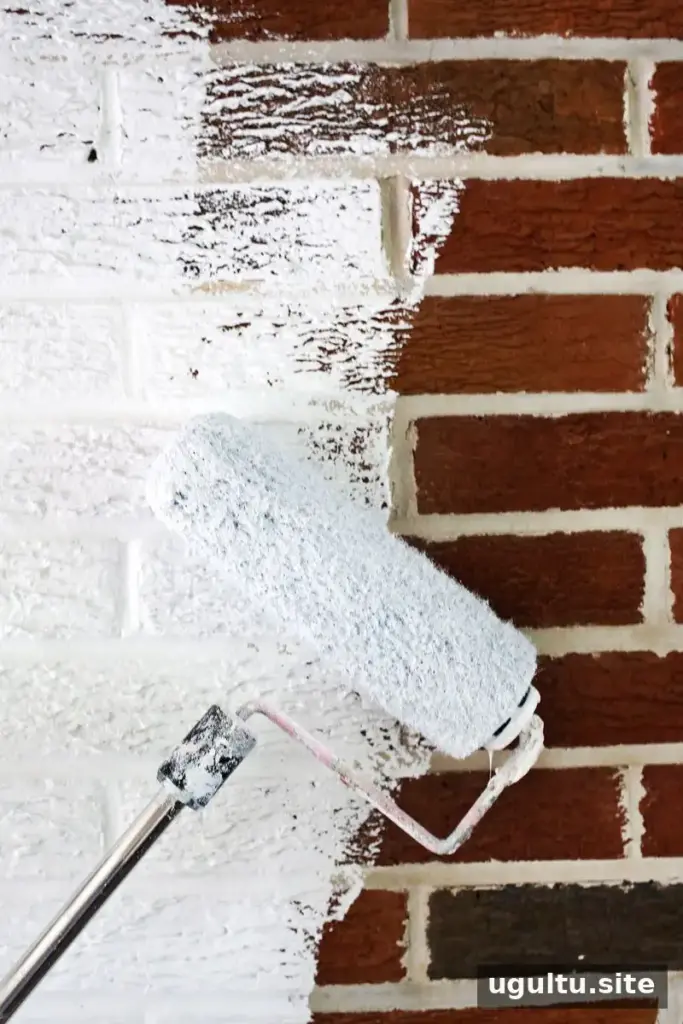
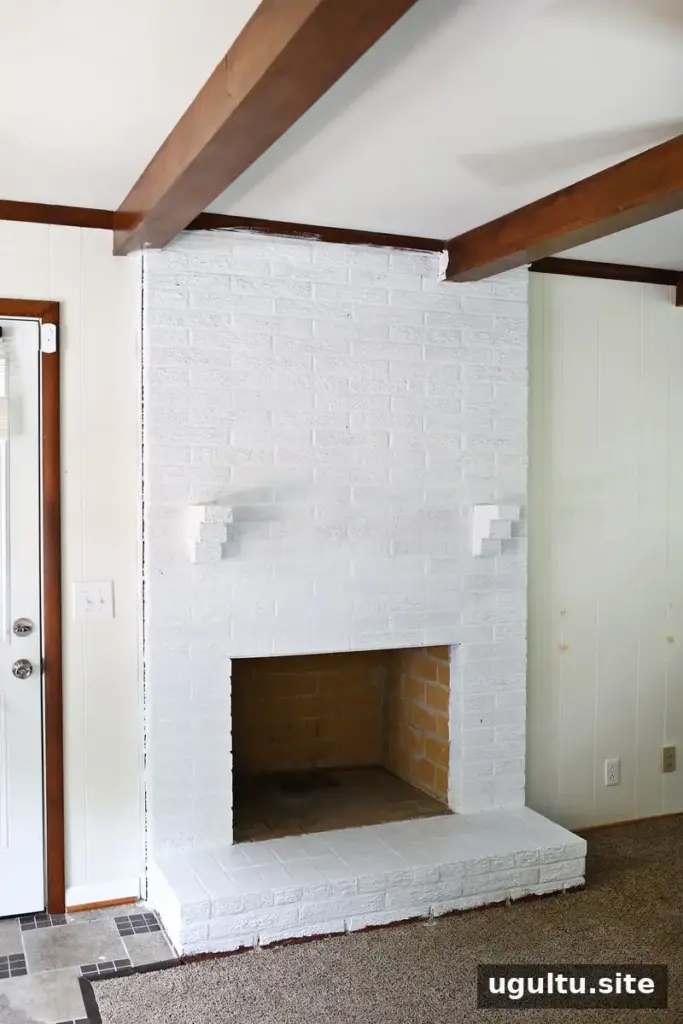
Choose the right applicator and paint finish
The best tool depends on the depth and shape of the masonry. For flat or moderately textured brick and stone, use a masonry roller with a thick nap. It holds more paint and can reach into many surface crevices. Work in manageable sections and check that the mortar lines and recesses are covered.
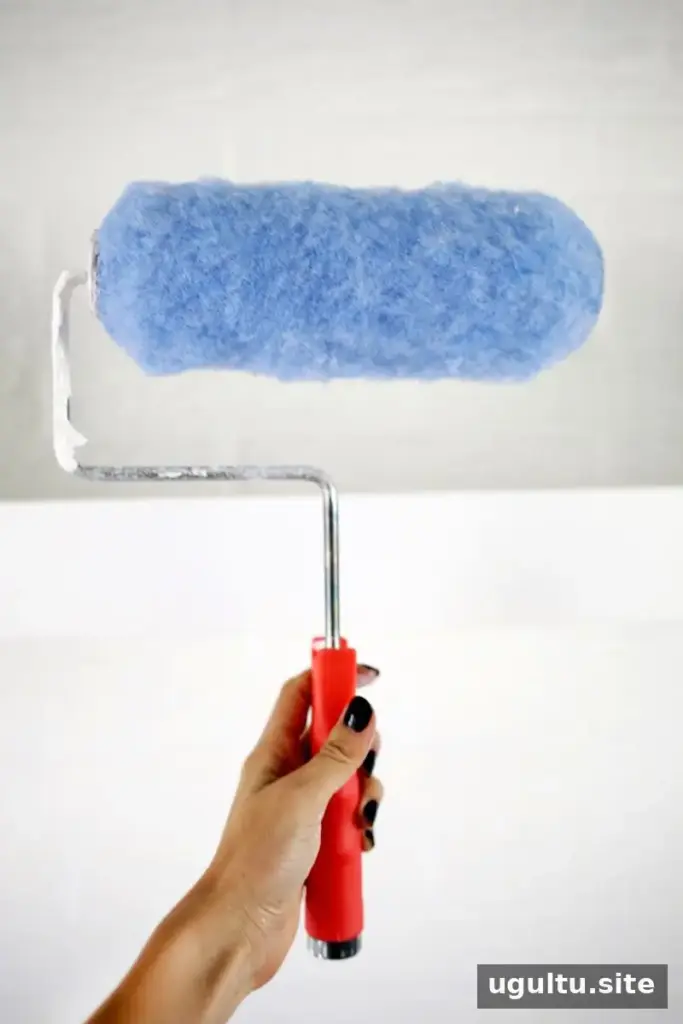
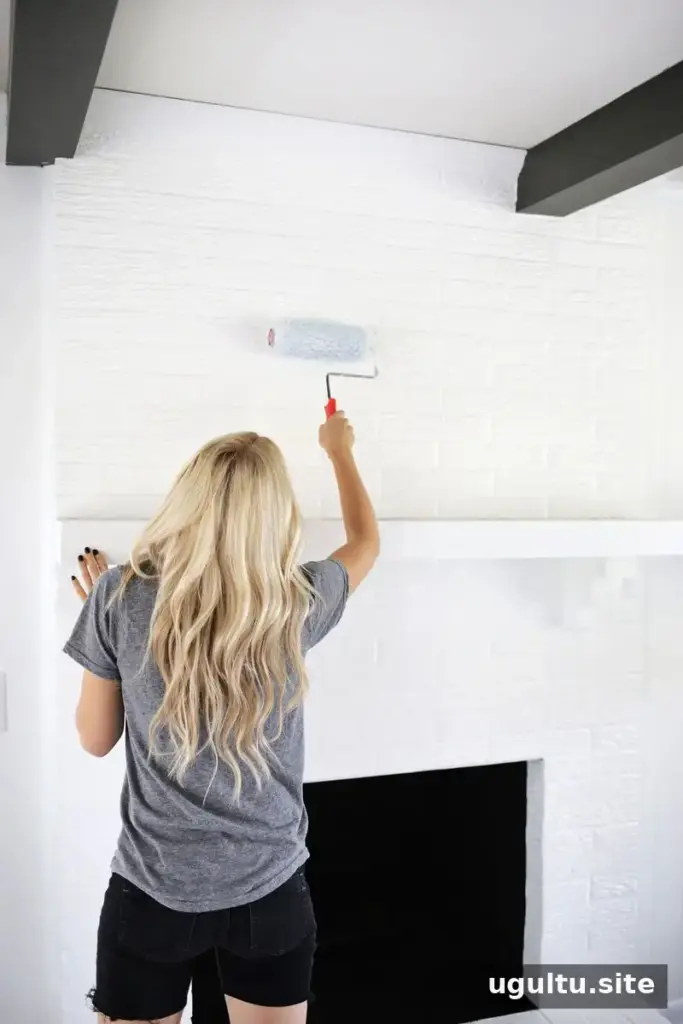
For highly textured stone with deep gaps, use a paint-soaked sponge to dab paint into recessed areas, then use a brush to reach corners and crevices. Protect floors and nearby walls before starting, as textured surfaces can cause paint to drip or splatter. Keep a brush and cloth nearby for touch-ups.
There is no single finish that works for every masonry project. A lighter color may suit a slightly shinier finish, while a darker color may look better in a flatter finish, but personal preference and the room’s style matter most. Test a small area before committing to the entire surface.
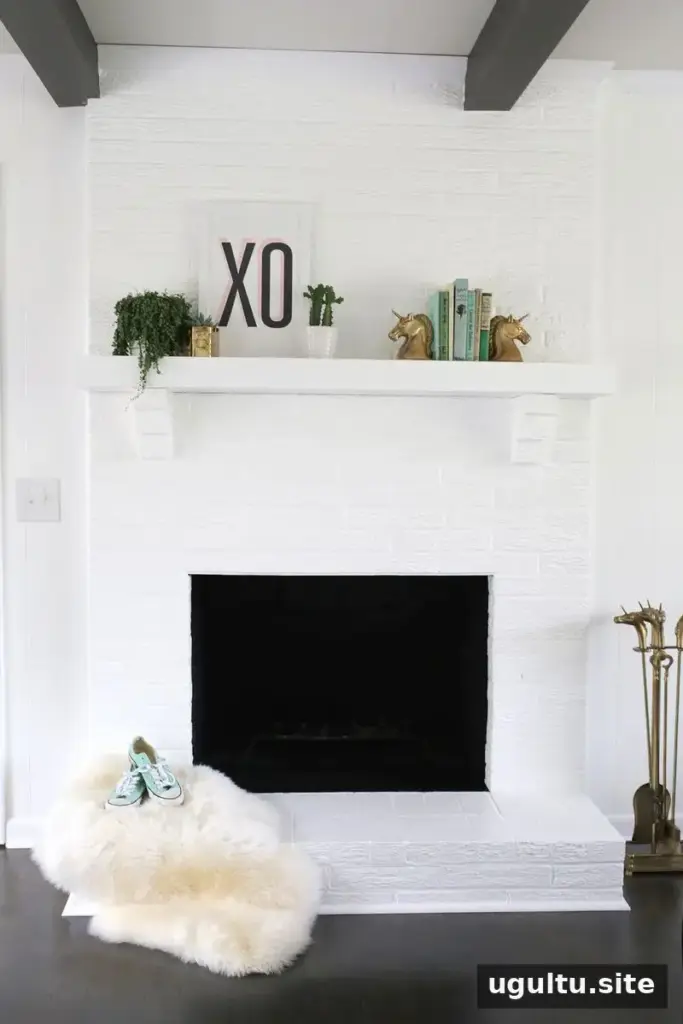
Important note about painting a firebox
Only consider painting the inside of a firebox with a product specifically rated for that application and heat exposure. Product recommendations can vary, and a paint commonly suggested for high heat may not be approved by its manufacturer for use inside a firebox. Read the label and manufacturer guidance carefully before proceeding; do not assume that a general high-heat paint is suitable.
Final thoughts on painting brick and stone
Painted masonry can give a fireplace or brick wall a fresh appearance while preserving its distinctive texture. Clean the surface thoroughly, allow it to dry, use a masonry primer, and select an applicator suited to the texture. Since painting brick and stone is a lasting change, a test patch and careful product checks can help you make a confident decision.
— Laura


