
 admin
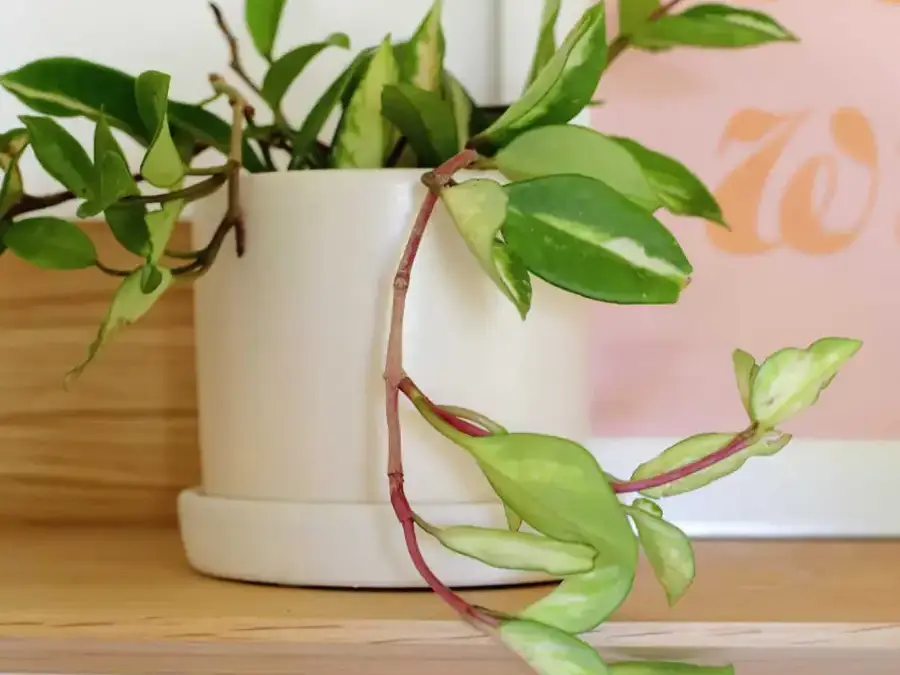
Hoya plant care is straightforward when you provide the right balance of light, water, and drainage. Also known as wax plants, Hoyas are tropical vines native to Asia, Australia, and the Pacific Islands. They can climb a support or trail from a hanging basket or shelf, and mature plants may produce clusters of star-shaped flowers.
Hoyas are named after 18th-century botanist Thomas Hoy. Their thick, often deep-green leaves and varied growth habits make them adaptable houseplants. Use the care guidelines below to help your plant grow well and understand what to check if it looks unhealthy.

Hoya Plant Care: Watering and Light
How often should I water Hoya plants?
Allow the soil to dry through most of the pot between waterings. Check the top few inches with a finger; when that layer feels dry, water thoroughly. Hoyas do not do well in persistently soggy soil, which can lead to root rot.
Choose a pot with drainage holes and empty any water collected in the saucer. If the soil remains wet for a long time, check that the pot drains freely before watering again.
How much sunlight do Hoyas need?
Bright, indirect light is usually best. A spot near a bright window can support healthy growth, but strong direct sun may scorch or discolor the leaves. Hoyas can tolerate lower light, though growth may become stretched and sparse. Browning leaves or stalled growth can indicate that the plant needs a brighter location.
Fertilizer, Temperature, and Humidity
Should I fertilize my Hoya?
During spring and summer, feed a growing Hoya with an all-purpose fertilizer according to its label directions. Reduce feeding in winter when growth slows. Avoid applying fertilizer to dry soil; watering first can help reduce the chance of root stress.
What temperature and humidity do Hoyas prefer?
Hoyas generally prefer temperatures between 68° and 75°. Keep them away from cold drafts and heating or cooling vents, where sudden temperature changes can stress the plant. Outdoor hardiness varies by species; some varieties can grow in USDA zones 8–11. Bring outdoor plants inside when temperatures fall below 50°.
As tropical plants, Hoyas appreciate humidity around 60%. A humidifier can help in dry rooms. Alternatively, set the pot on a pebble tray with water below the top of the stones, making sure the pot itself does not sit in water. A bright bathroom may also suit a Hoya.
Pruning and Repotting Hoya Plants
Pruning Hoya plants
Regular pruning is not usually necessary. Remove damaged leaves with clean, sharp scissors to keep the plant tidy. Avoid cutting off the long tendrils, which may develop leaves as they grow.
Repotting and choosing soil
Use a well-draining potting mix to reduce the risk of root rot. Cactus or succulent mix is one option; a general potting mix amended with perlite or orchid bark at a 1:1 ratio can also improve drainage. Hoyas are epiphytes, so they benefit from a mix that does not stay waterlogged.
Repot about every three years in spring, using a pot only slightly larger than the current one. Roots growing through the drainage holes are a useful sign that it may be time to move the plant. After repotting, water as needed and check that excess water can drain away.
How to Propagate Hoya Plants
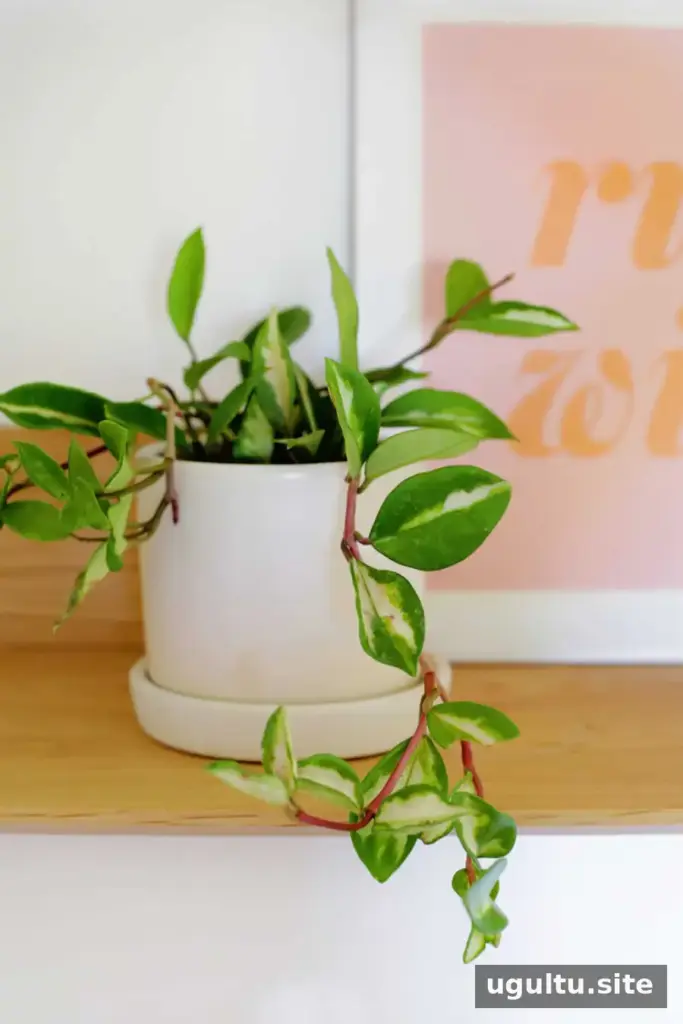
Propagate a Hoya with a stem cutting that has at least one leaf node. Place the cutting in water or moist soil and give it time to form roots over the following weeks. Once rooted, transfer it to a pot with well-draining soil and keep the mix appropriately moist while it establishes.
How to Encourage a Hoya to Bloom
Bright, indirect light is important for flowering. Hoyas need to reach maturity before they bloom, which can take about 3–5 years. During spring and summer, use a fertilizer containing phosphorus and nitrogen according to its directions, and maintain suitable humidity. Water deeply enough to moisten the root area, but let the soil dry between waterings.
Pinching stems just before early spring may encourage flowering. Once flower buds appear, avoid moving the planter, as a change in location can cause buds to drop.
Popular Hoya Varieties
Hoyas come in many forms, from compact foliage to long trailing vines. Consider the available light and space when choosing a variety.
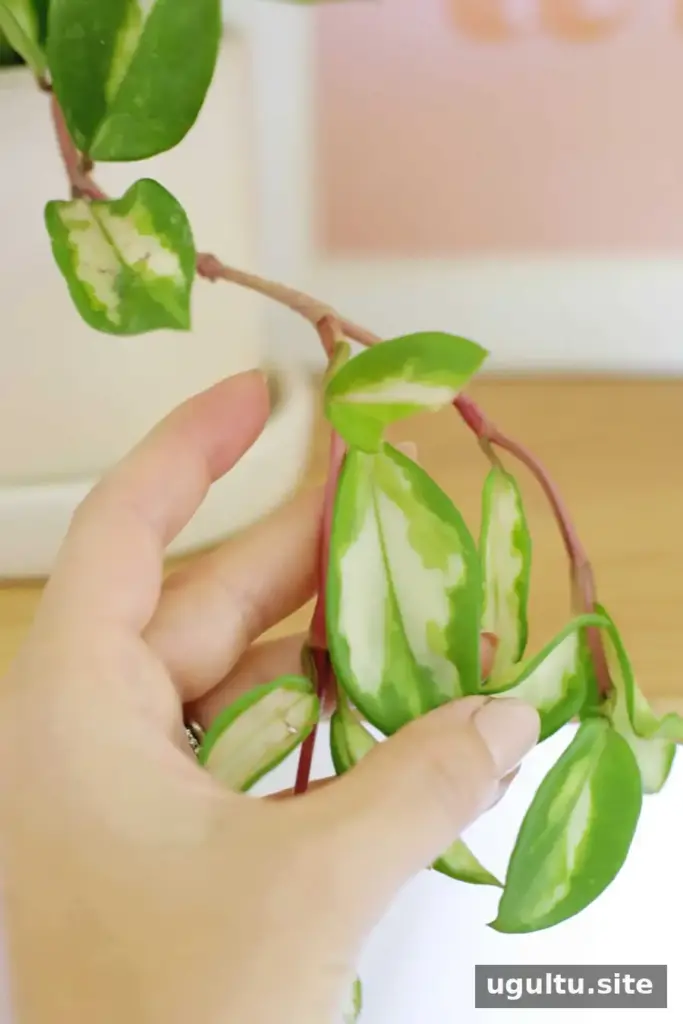
- Krimson Queen: Known for pale pink leaves that fade to cream.
- Hoya Obovata: Has rounded, dark-green leaves with silvery speckles.
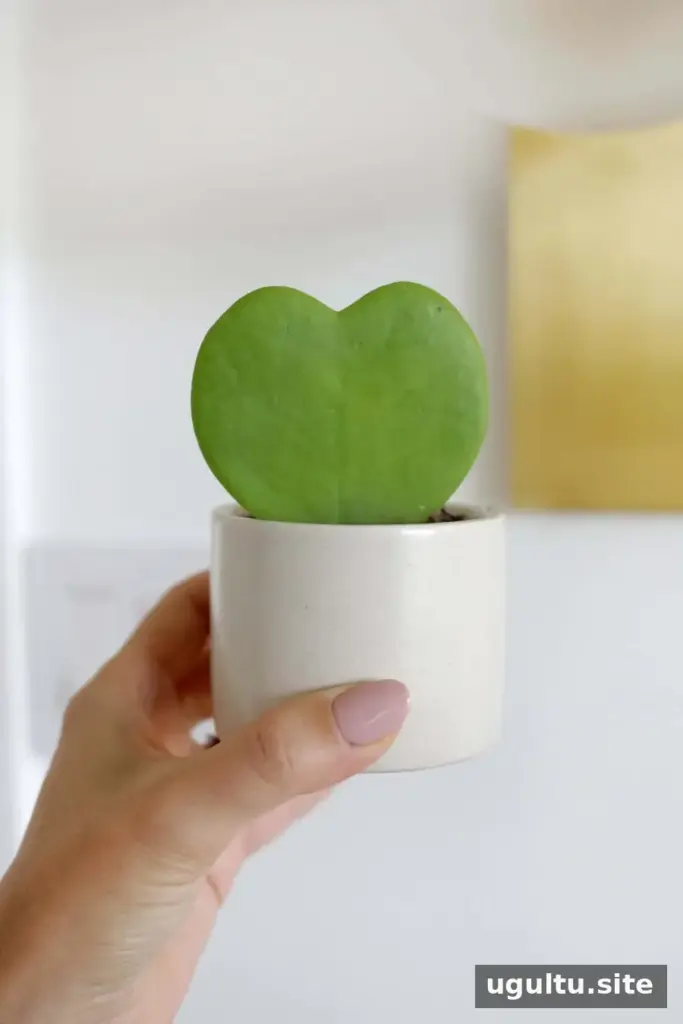
- Hoya Kerrii: Recognized for its heart-shaped leaves and fragrant flowers.
- Hoya Australis: Produces soft, spade-shaped leaves that grow in an upward direction.
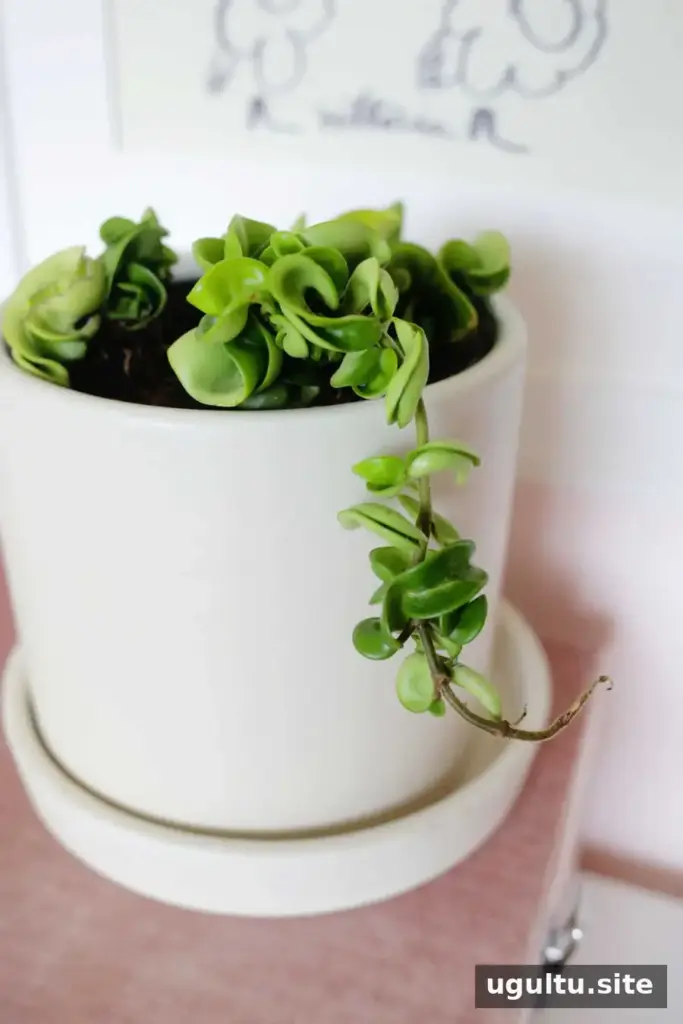
- Hoya Compacta: Also called the Hindu Rope Plant, with curled, twisted leaves.
- Hoya Carnosa: Also referred to as a Krinkle 8 cultivar, with eight dimples on each leaf.
- Hoya Lacunosa: Has small, bright-green lance-shaped leaves and clusters of fuzzy white flowers.
Common Hoya Problems and Solutions
- Leaf drop or black leaves: Overwatering or cool winter conditions may be responsible. Let the soil dry through most of the pot before watering again, check drainage, and move the plant to a warmer spot if needed.
- Pests: Mealybugs, spider mites, and aphids can affect Hoyas. Inspect the leaves and stems, and use neem oil or insecticidal soap according to product directions.
- No flowers: Insufficient light is a common reason a mature Hoya does not bloom. Provide bright, indirect light and review its watering, humidity, and seasonal feeding routine.
- Wrinkled leaves: This can indicate that the plant needs water. Check the soil before watering and adjust your routine so the plant is not left dry for an extended period.
Frequently Asked Questions
Are Hoya plants toxic to pets or humans?
Hoyas are considered nontoxic to dogs, cats, and humans. Some varieties, including Hoya carnosa, have milky sap that contains latex. People with a latex allergy should avoid contact with the sap when leaves are cut.
Conclusion: Simple Hoya Plant Care
Consistent Hoya plant care means providing bright, indirect light, allowing the soil to dry between waterings, and using a pot and mix with good drainage. With suitable temperatures and patience, a mature Hoya can grow into a trailing or climbing houseplant and may eventually flower.


