
 admin
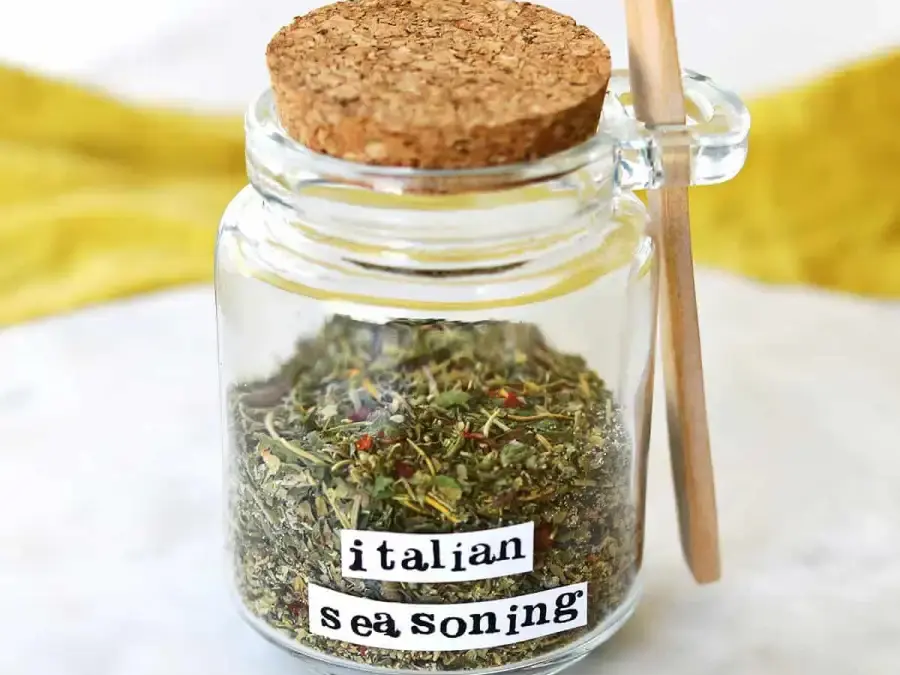
Homemade Italian seasoning is a quick, flexible blend of dried herbs and spices for pasta, sauces, soups, vegetables, potatoes, and more. It takes about five minutes to prepare and uses pantry staples, so you can mix a batch whenever you need it. Adjust the herbs or red pepper flakes to suit your taste.
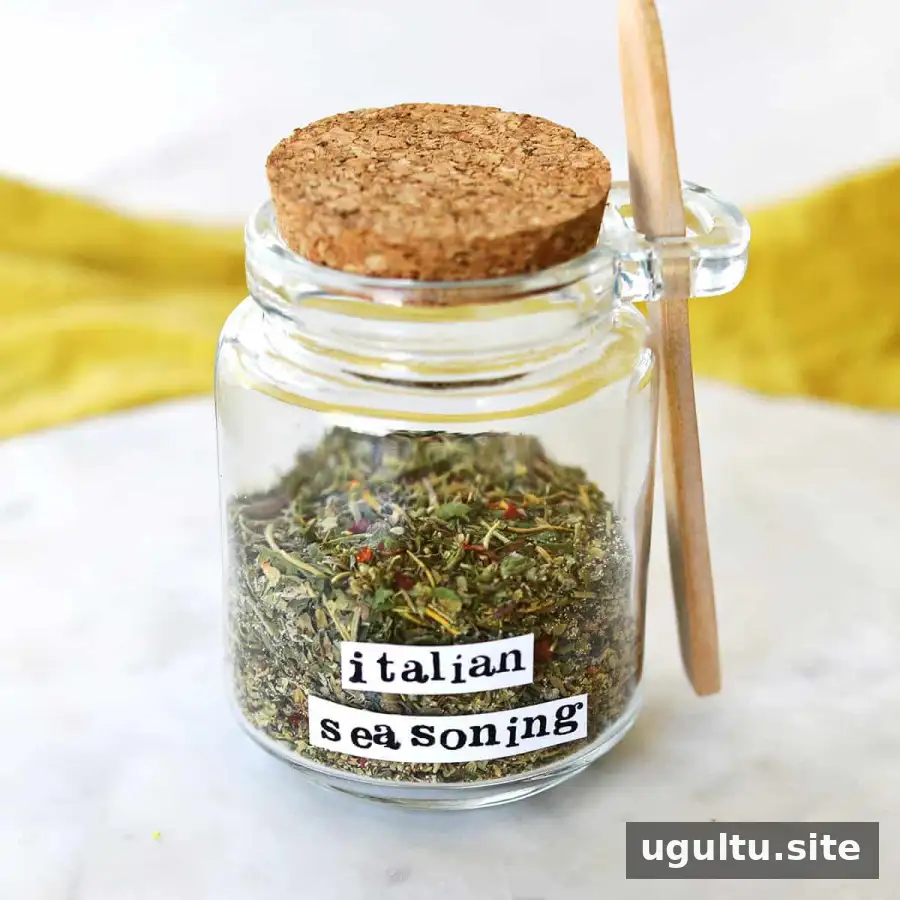
Italian Seasoning Ingredients
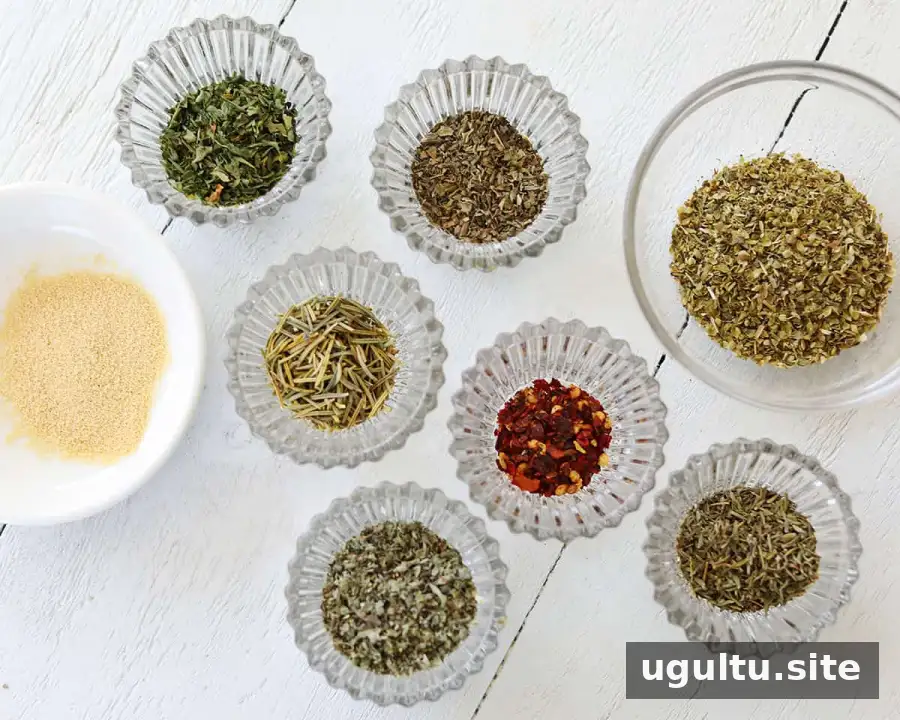
This blend combines six dried herbs with garlic powder and red pepper flakes. Measure each ingredient before mixing to help distribute the smaller amounts evenly throughout the blend.
- 2 tablespoons dried oregano
- 1 tablespoon dried basil
- 1 tablespoon dried thyme
- 1 tablespoon dried rosemary
- 1 tablespoon dried marjoram
- 1 tablespoon dried parsley
- 1 teaspoon red pepper flakes
- 1 teaspoon garlic powder
How to Make Italian Seasoning
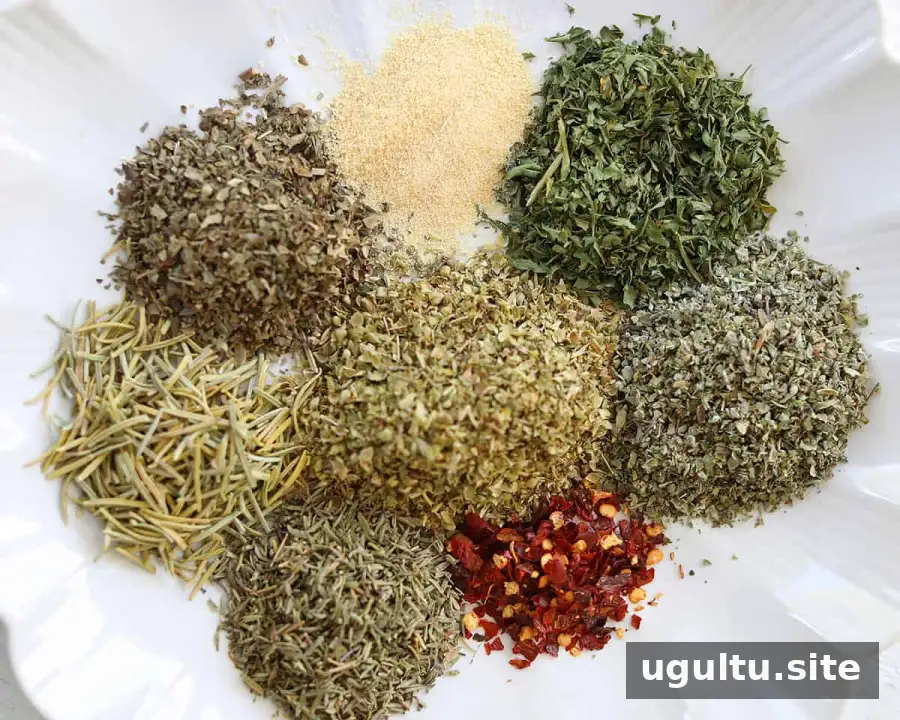
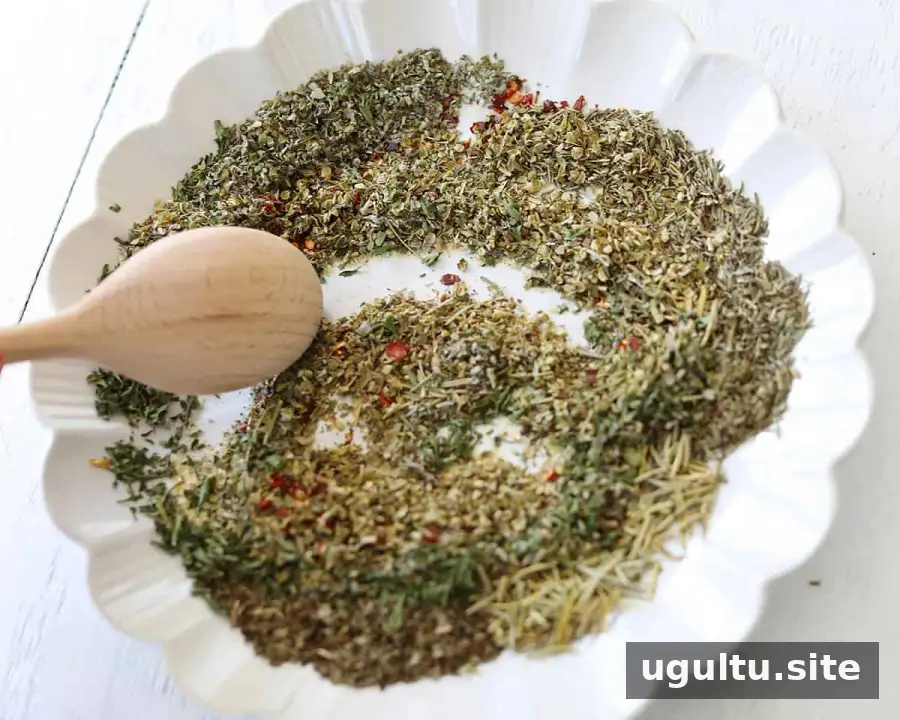
- Measure the oregano, basil, thyme, rosemary, marjoram, parsley, red pepper flakes, and garlic powder into a small mixing bowl.
- Stir gently until the ingredients are well combined. Alternatively, place them in a clean container, close the lid securely, and shake.
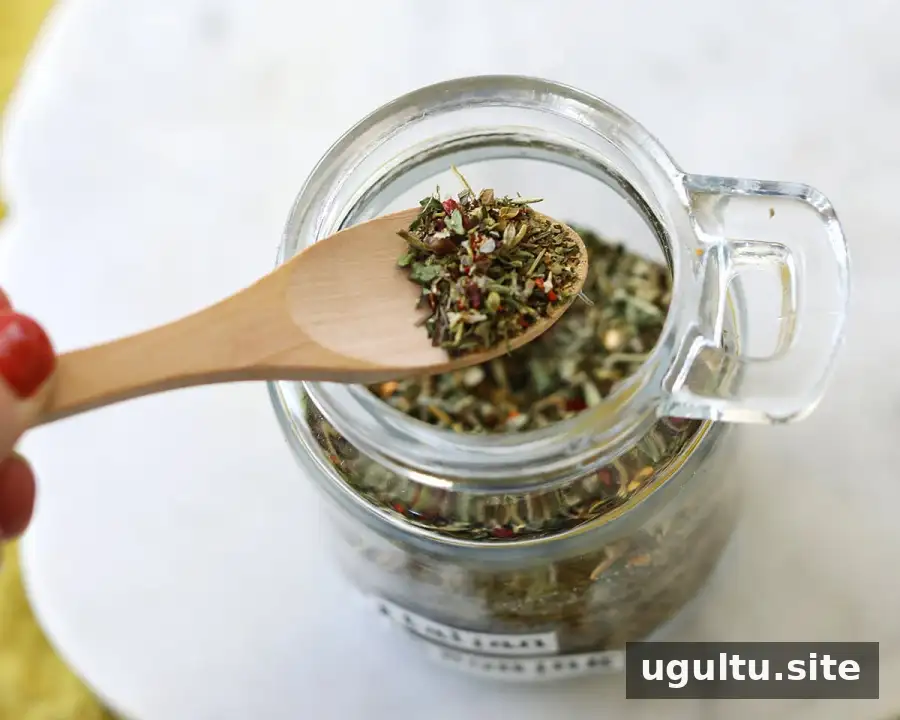
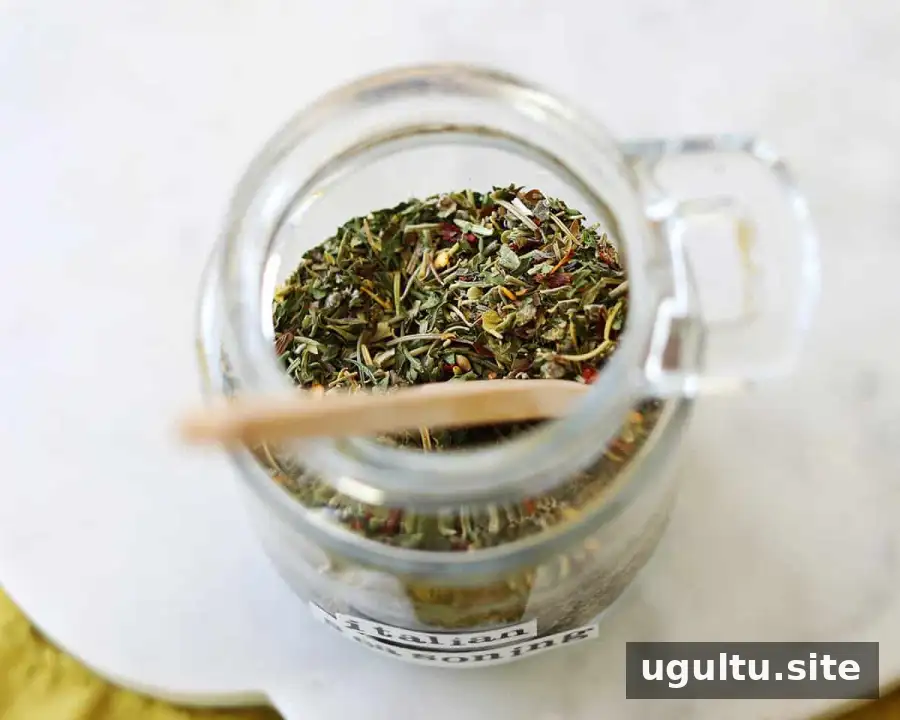
- Transfer the blend to an airtight spice jar and store it in a cool, dry pantry.
If you prefer a finer texture, or the rosemary pieces seem too coarse, grind the mixture briefly with a mortar and pestle before storing. Avoid grinding more than you need if you prefer the herbs to retain some texture.
Ways to Use the Blend
Add Italian seasoning to pasta sauce, soups, lasagna, pizza sauce, potatoes, or cooked proteins. Start with a small amount, taste the dish, and add more if needed; dried herbs can become more noticeable as they cook.
- Bread-dipping oil: Combine 1/2 cup olive oil, 1–2 minced garlic cloves, and 1 tablespoon of the seasoning. Serve in a shallow dish for dipping.
- Quick tomato sauce: Stir 2 teaspoons of the blend into 1 cup of tomato sauce for a simple seasoned sauce.
- Adjust the flavor: Omit the red pepper flakes for a milder blend, or add more to increase the heat. You can also change the herb ratios or use dried minced garlic instead of garlic powder for extra texture.
The mixture can also season dishes such as chicken Alfredo, baked ziti, manicotti, lasagna, pizza sauce, Marry Me Chicken, and Italian beef sandwiches.
How Much Is One Packet of Italian Seasoning?
A packet of store-bought seasoning is typically equivalent to 1 ounce, or about 3 tablespoons. Packet sizes can vary, so check the package or recipe if an exact amount is important. For most dishes, add the homemade blend gradually and adjust to taste.
Storage and Shelf Life
Keep the seasoning in an airtight container in a cool, dry place. A batch may last one to two years in the pantry, but it is best used within six months for stronger flavor. Older herbs can lose their aroma, so begin with spices that still smell fresh and keep the jar away from heat and moisture.
Why Make a Homemade Seasoning Blend?
Mixing your own blend lets you see exactly which ingredients go into it and change the recipe to match your preferences. This version contains no added salt or sugar, and you can leave out ingredients you dislike or need to avoid. If allergies or dietary restrictions are a concern, check the labels on individual spices for ingredient and cross-contact information.
Preparing the blend takes less than five minutes, and the recipe can be scaled up or down. If you make a larger batch, label the jar with the date so you can keep track of freshness.
Frequently Asked Questions
What is in Italian seasoning?
This recipe uses dried oregano, basil, thyme, rosemary, marjoram, and parsley, along with garlic powder and red pepper flakes. The proportions can be adjusted to suit the dish or your preferred flavor balance.
Do Italian cooks use oregano?
Oregano is commonly associated with Italian-American dishes and is used in some Italian cooking, though herb choices vary by recipe and region. Parsley and basil are also frequently used. For a more delicate flavor, add dried herbs sparingly and taste as you cook.
Recipe Summary
Prep time: 5 minutes
Equipment: Mixing bowl and spice jar
Storage: Airtight container in a cool, dry pantry

Nutrition Information
The supplied nutrition estimate lists 80 calories per serving. It also reports 2 g fat, 1 g saturated fat, 1 g polyunsaturated fat, 0.3 g monounsaturated fat, 54 mg sodium, 442 mg potassium, 18 g carbohydrates, 10 g fiber, 1 g sugar, and 4 g protein.
The estimate additionally lists 1,208 IU vitamin A, 7 mg vitamin C, 422 mg calcium, and 15 mg iron. These figures are automatically calculated and may vary depending on the ingredients and serving size; use a calculation based on your specific products if precise nutrition information is needed.
Percent Daily Values are based on a 2,000-calorie diet.
Keep this Italian seasoning recipe on hand for an easy way to add a balanced herb flavor to everyday meals. Mix a small batch first, then adjust the proportions and heat level to find the blend that works best for your cooking.


