admin
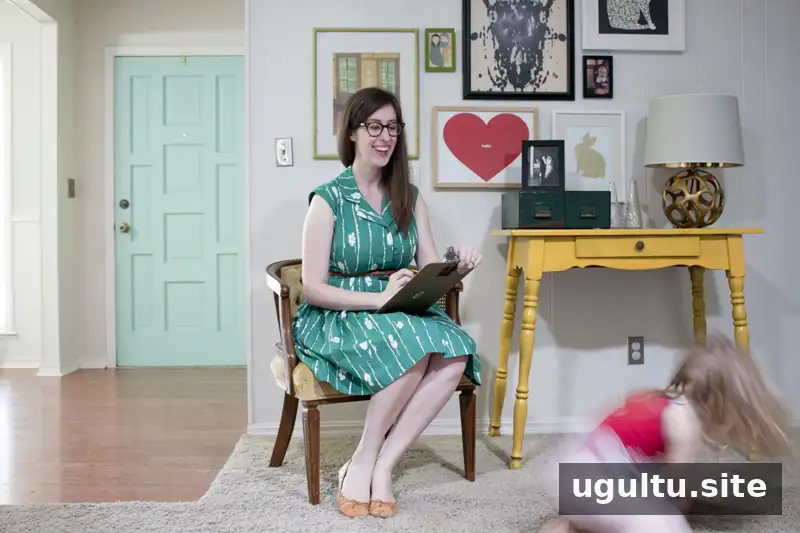
Stacie Bloomfield’s home shows how thoughtful, affordable changes can make a house feel personal and welcoming. The 1970s ranch in Northwest Arkansas had low ceilings and limited natural light, but Stacie and her husband adapted the rooms to suit their family and creative tastes. Their approach combined practical updates with colorful art, handmade details, and spaces designed for everyday life.
How Stacie Bloomfield’s Home Became Brighter
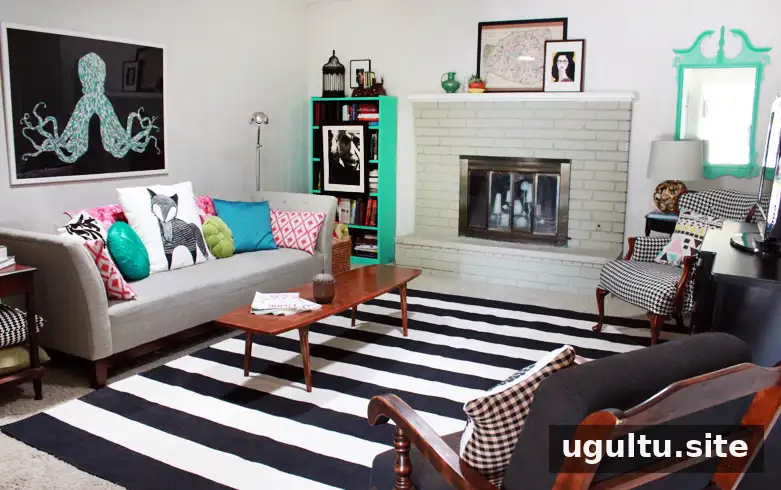
Stacie and her husband moved into the house in 2009 after relocating from Springfield, Missouri, so he could begin a PhD in mathematics. They bought the home from a relative and made gradual improvements rather than undertaking a complete transformation. To address the dim interior, they added skylights and painted the living room walls white, helping the available light spread through the space.
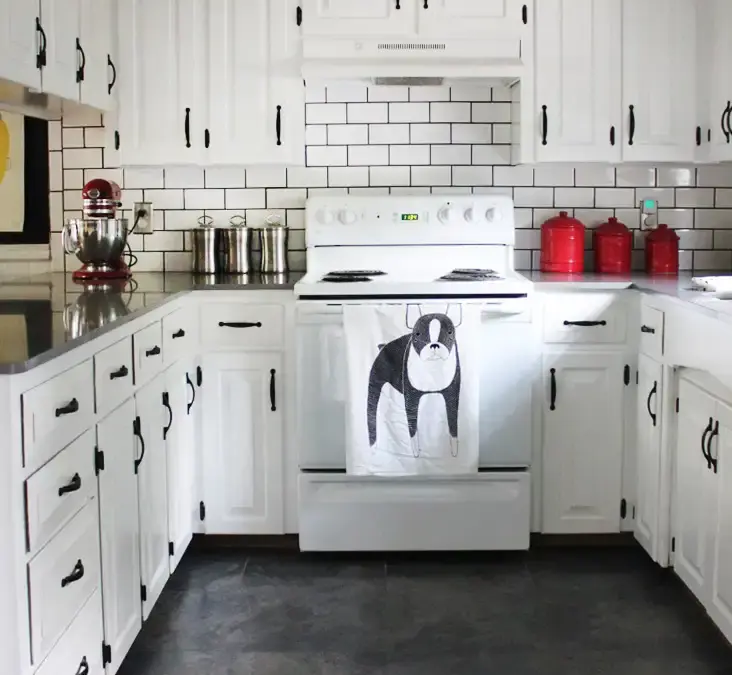
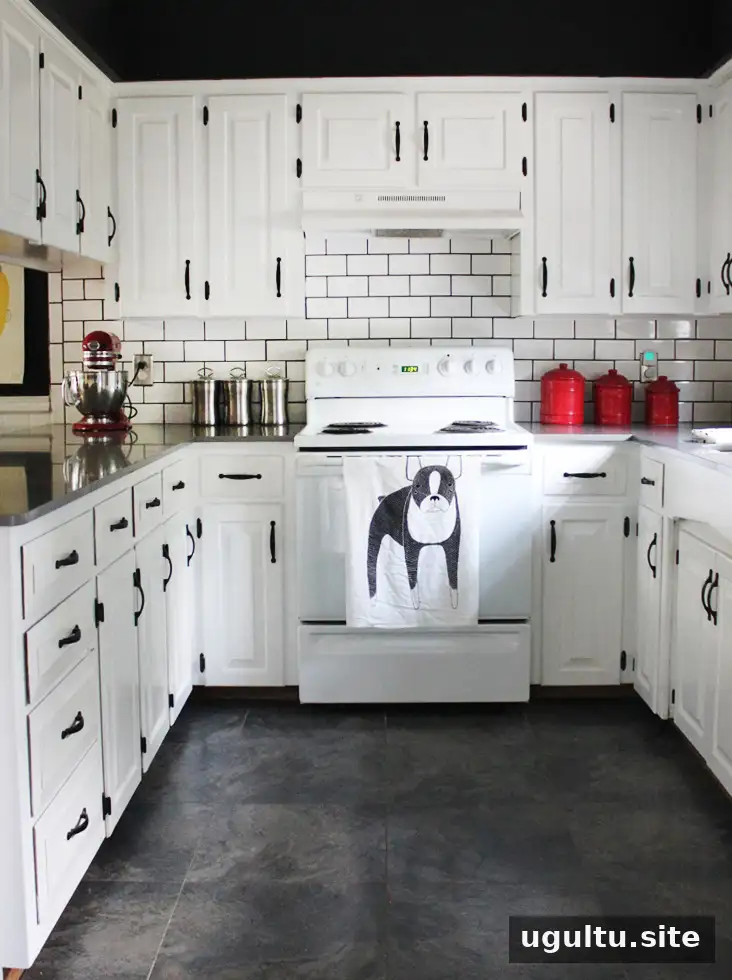
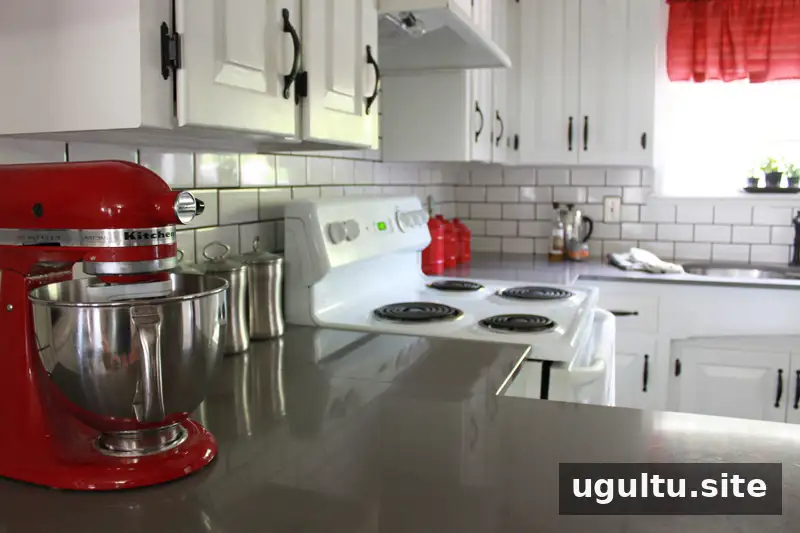
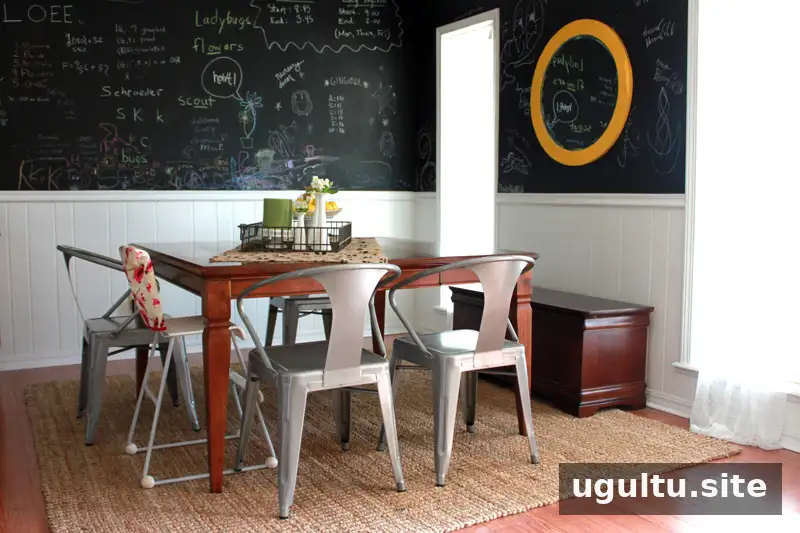
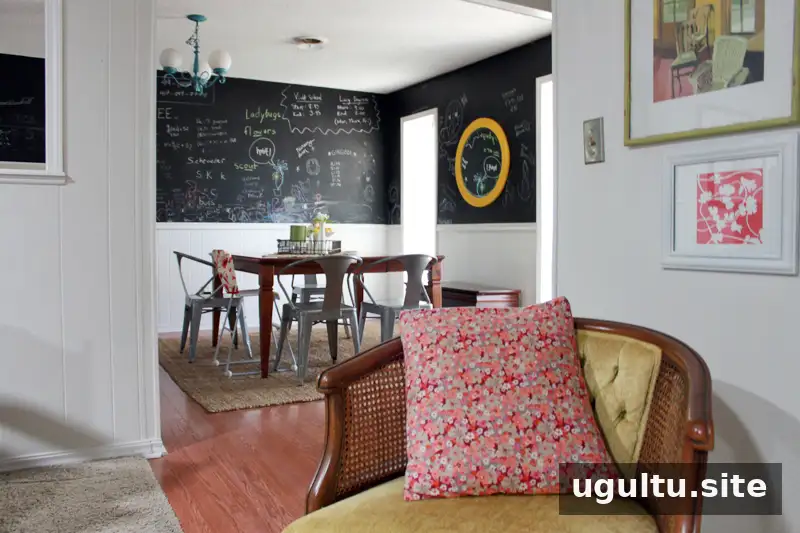
Three years before the feature, the couple renovated the kitchen themselves. The dining room sits between the kitchen and living room, so they used white wainscoting alongside chalkboard-painted walls to give it a distinctive look. As an illustrator, Stacie especially enjoyed inviting guests to leave drawings and messages on the walls.
Practical idea: If a room feels dark, consider how lighter wall colors and carefully placed skylights could improve its brightness. Before making changes, account for the room’s layout and the amount of daylight it receives.
Personal Decor and Creative Details
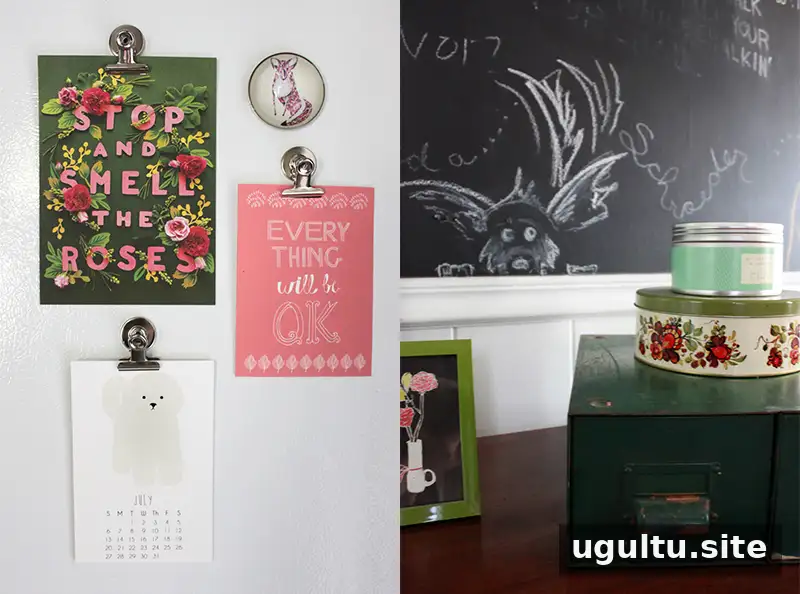
The chalkboard dining room became a record of visits and gatherings. Guests added their own marks over the years, turning the walls into a kind of shared scrapbook. Another memorable feature was a large octopus illustration displayed above the sofa. Stacie drew ideas from quilt patterns, favorite animals, and carefully chosen color palettes, giving the home a look that felt expressive rather than formal.
She and her husband also relied on secondhand finds, gifts, and do-it-yourself projects to furnish and decorate the house affordably. A useful way to make a home feel cohesive on a budget is to repeat a few colors or materials across different rooms, while leaving space for meaningful one-of-a-kind pieces.
A Family Home Designed for Everyday Life
When the couple moved in, Stacie was five months pregnant with their daughter Violet, and her husband was starting graduate school. Over the following years, their family grew to include two daughters. They worked to keep the house comfortable for children, making it child-friendly and adding safety measures as needed. Paint and personal artwork helped create a home that felt cheerful and peaceful, with a playful edge. An etching of Albert Einstein on a bookshelf was one detail that made Stacie smile.
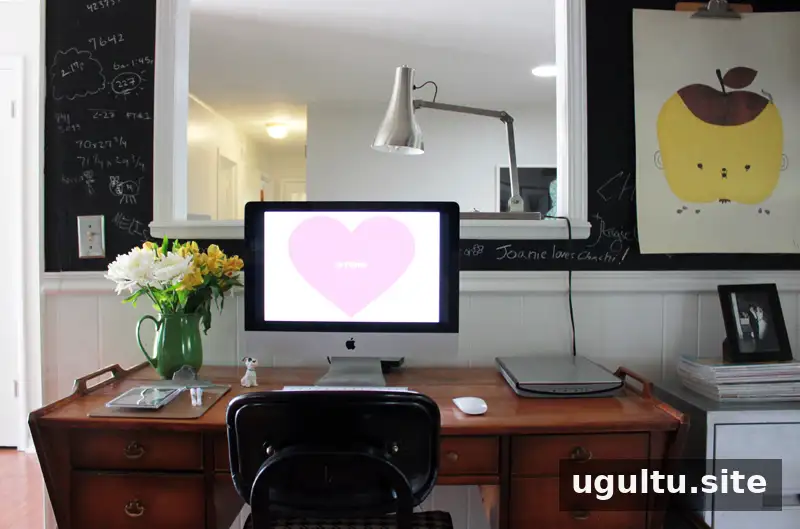
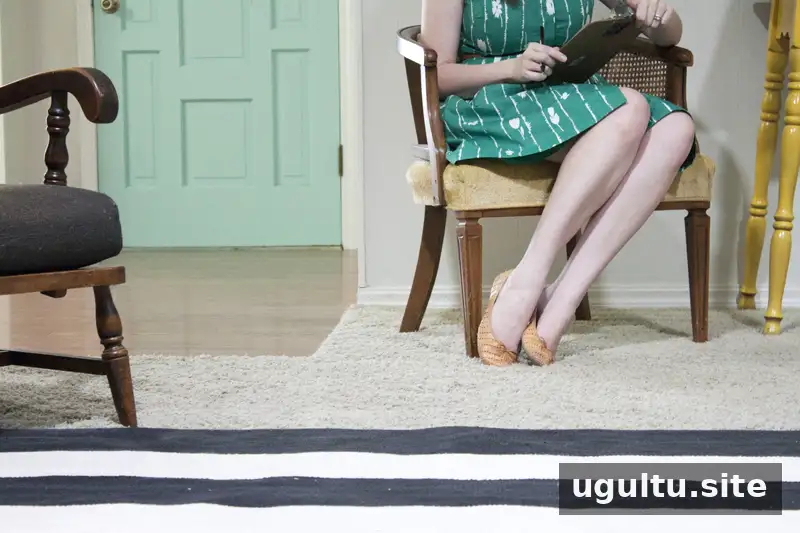
The open floor plan helped the family spend time together without being in the same room. The living room was a favorite gathering place: Stacie’s husband used an upholstered houndstooth armchair to grade papers, while the children danced on the rug or colored. Stacie also used a desk in the dining room for photo editing, product listings, and email, alongside a separate studio for her illustration work.
For a family-friendly room, flexible seating and clear floor space can make it easier to shift between work, play, and time together. Keep frequently used supplies within reach, and consider childproofing based on the ages and needs of the children in the household.
Memories and a New Chapter
Breakfast was a daily family ritual, with Stacie and her husband cooking together each morning. The house had been part of major changes in their lives: a new city, graduate school, the arrival of their children, and Stacie’s move from managing a coffee shop toward pursuing illustration. After five years in the home, the family was preparing to relocate to Edmond, Oklahoma, and took the opportunity to photograph the rooms and preserve their memories there.
Stacie Bloomfield’s home is a reminder that a comfortable space does not depend on expensive decor or a full renovation. Light-enhancing updates, creative shared spaces, and personal artwork helped this ranch house reflect the people who lived in it. For readers planning their own home improvements, starting with one practical change and adding details that support daily routines can be a simple way to make a space feel more like home.