
 admin
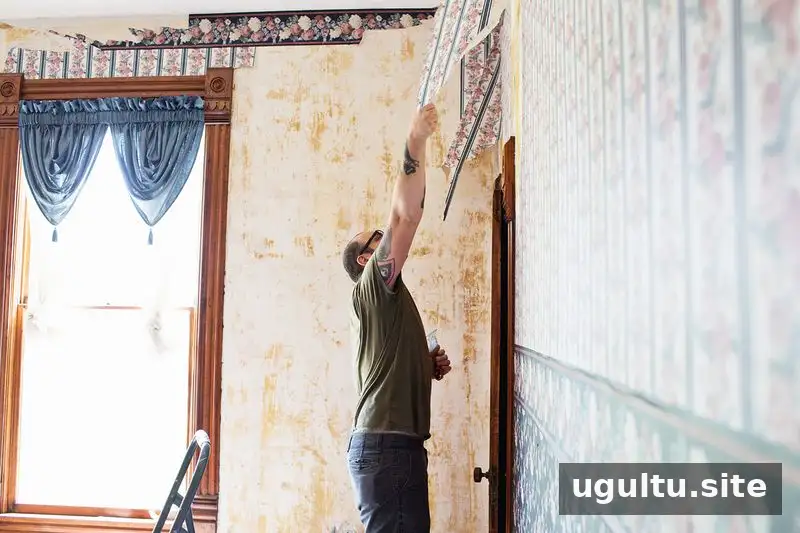
Wallpaper removal can feel like a major project, especially when several rooms are covered. With a few basic tools and a patient approach, you may be able to remove wallpaper without using a steamer. The key is to let water soak through the paper and soften the adhesive before you scrape.
Wallpaper can work well as a decorative feature, but if its pattern or color makes a room feel darker than you’d like, removing it can prepare the walls for a fresh finish. Before starting, move furniture away from the walls, protect the floor, and cover electrical outlets. Test the method in a small, inconspicuous area first.
Wallpaper Removal: A Simple Water-Based Method
Work in manageable sections so the wallpaper stays damp while you remove it. A wallpaper scorer, scraper, and pump garden sprayer can make the process easier. Take care when scoring: use enough pressure to perforate the paper, but not so much that you damage the wall beneath it.
1. Score the wallpaper
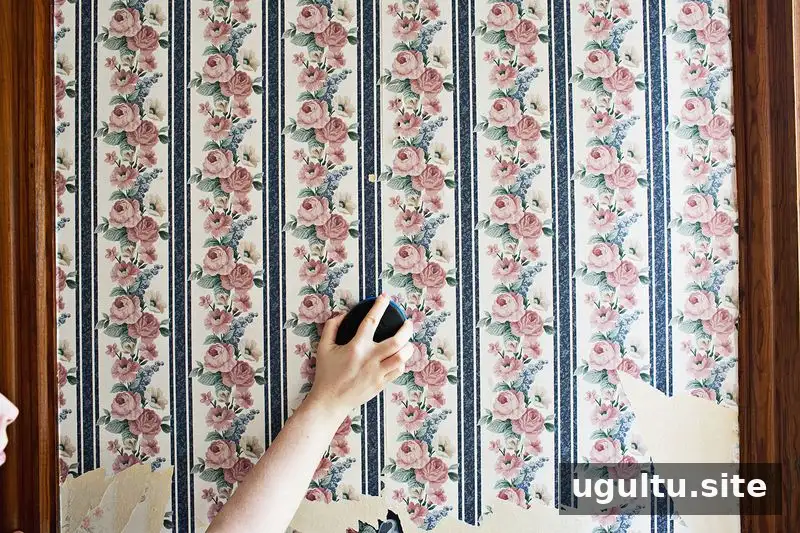
Run a wallpaper-scoring tool over the surface to create small perforations. These openings help water pass through the outer layer and reach the adhesive. Avoid pressing too hard, particularly if the wall is drywall, because deep marks may require repair before painting.
2. Apply water and allow it to soak
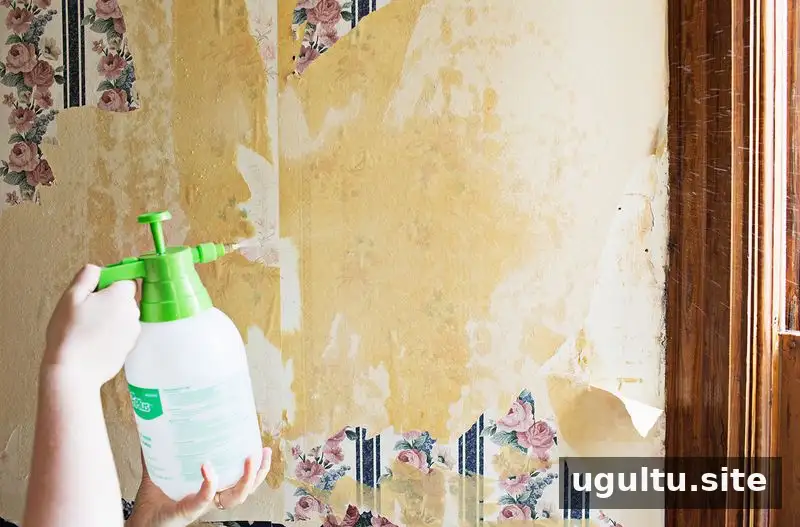
Spray the wallpaper evenly with water. You can try lifting an edge straight away, but if the paper resists, leave the water to soak in for about ten minutes. Spraying several sections in sequence can give the first area time to soften while you work across the wall.
3. Remove the outer layer
Once the paper has softened, peel the outer layer away. If it remains difficult to lift, apply more water and wait another ten minutes before trying again. Removing the top layer first exposes the adhesive-backed layer underneath, which may need additional soaking.
4. Soak and remove the adhesive layer
Spray the exposed adhesive layer thoroughly, making sure the surface is evenly damp. Give it time to absorb the water, then peel or gently scrape the softened material away. A scraper can help with stubborn patches, but use it carefully to avoid gouging the wall. Repeat the process on any areas that have not loosened.
Tools and useful precautions
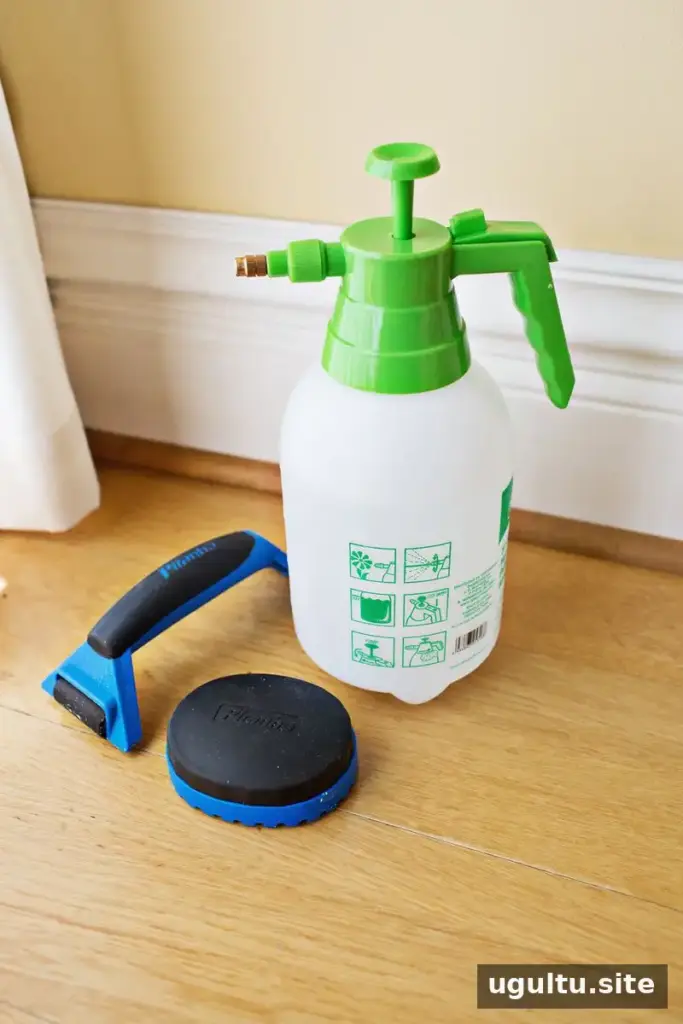
A wallpaper scorer, wallpaper scraper, and garden sprayer are useful options for this approach. A pump sprayer can apply water over a broad area more evenly than a small hand sprayer. Use clean equipment, and follow its instructions when filling and operating it.
- Protect floors and nearby furnishings from drips and scraps.
- Keep water away from electrical outlets and switches; turn off power to the work area if needed.
- Work in sections and reapply water if the paper dries before you can remove it.
- Use a scraper gently, especially on drywall or other easily marked surfaces.
Some people add fabric softener to the water, but it may not make a noticeable difference. Plain water is a reasonable place to start; if the wallpaper is particularly stubborn, test any alternative in a small area and check that it is suitable for your wall surface.
Conclusion: Make wallpaper removal more manageable
Wallpaper removal is often easier when you score the surface, give water time to soak in, and remove the outer paper and adhesive layer separately. Start with a small test patch, work patiently, and protect the wall as you scrape. These steps can help prepare the room for its next finish. — Sarah


