
 admin
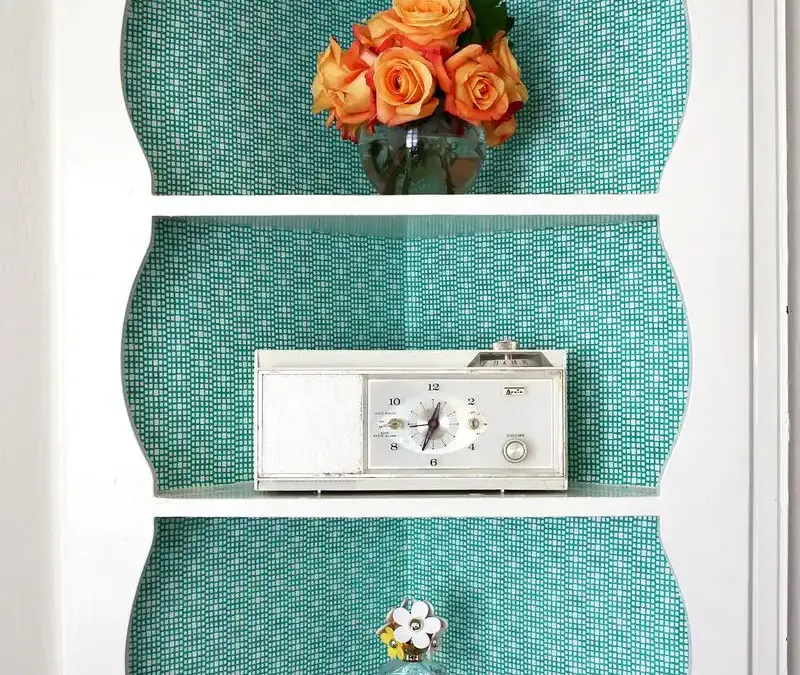
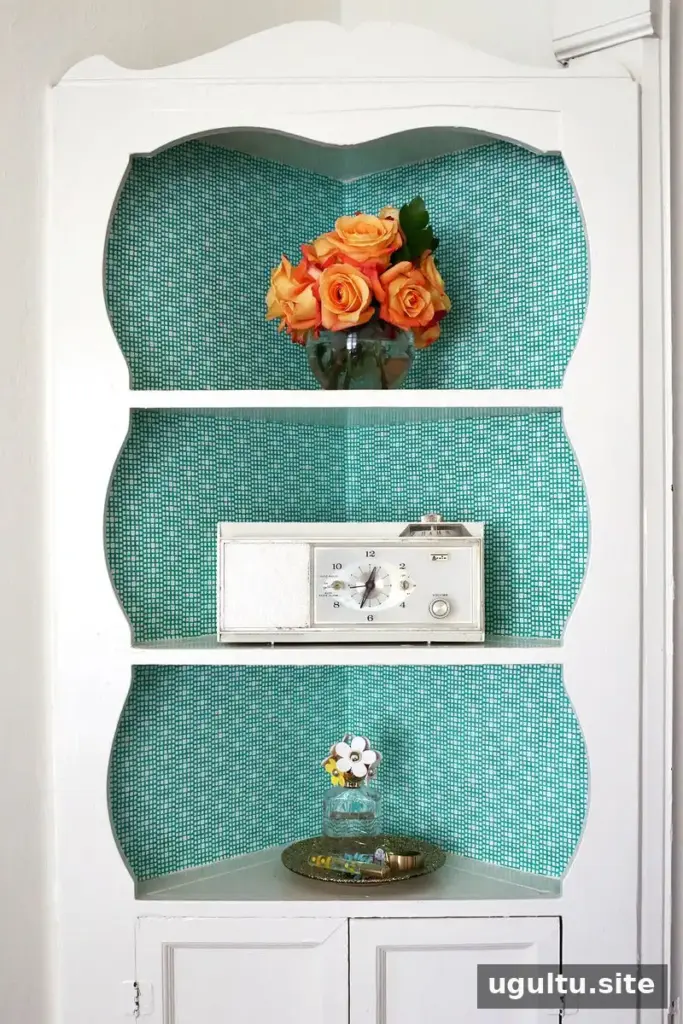
To hang fabric as wallpaper on a small surface, such as the inside of built-in shelves, you can use cotton fabric and rubber cement. This approach adds color and pattern without painting, and the fabric can be repositioned while you work. The result depends on the surface, so test a small, hidden area before covering a larger section.
How to Hang Fabric as Wallpaper
This project uses a few basic supplies and works best when the fabric and surface are clean and dry. The original installation used the glossy painted interior of built-in shelves; a sample was removed after a few days and the paint wiped clean. That result may not apply to other finishes, so treat the test as an essential first step.
Supplies
- Cotton fabric
- Rubber cement
- Fabric scissors
- X-Acto knife
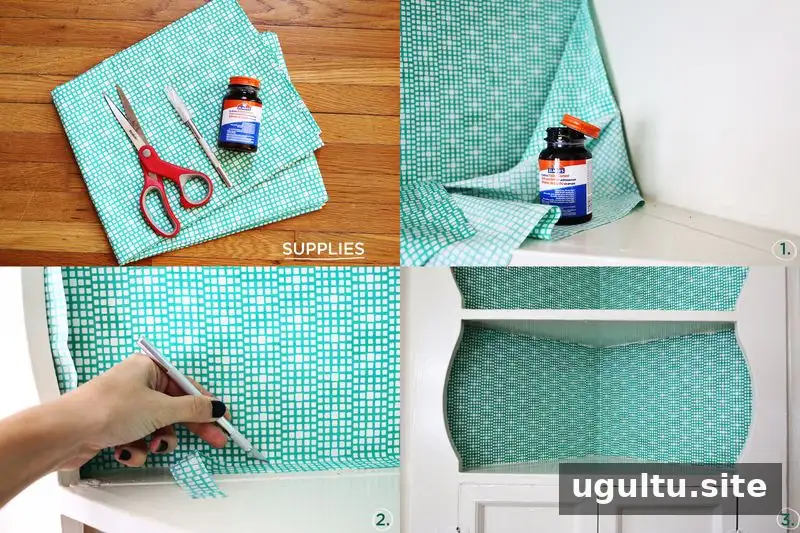
Step-by-step instructions
- Cut the fabric. Measure the area and cut the fabric to approximately the right size, leaving an extra inch on each side. This allowance gives you room to trim the edges neatly after the fabric is attached.
- Apply the rubber cement. Coat the surface and the back of the fabric with rubber cement. Let it dry completely, following the product instructions. Work in a well-ventilated area and take care around the adhesive.
- Position and smooth the fabric. Align the center of the fabric with the center of the surface. Press it into place and smooth outward with your hands to reduce wrinkles and bubbles. If it is slightly misaligned, gently peel it back and reposition it before moving on.
- Trim the edges. Once the fabric lies smoothly, use an X-Acto knife to cut away the extra material along the sides. Cut carefully, especially near corners and shelf edges, to avoid damaging the surface.
Test the surface before covering it
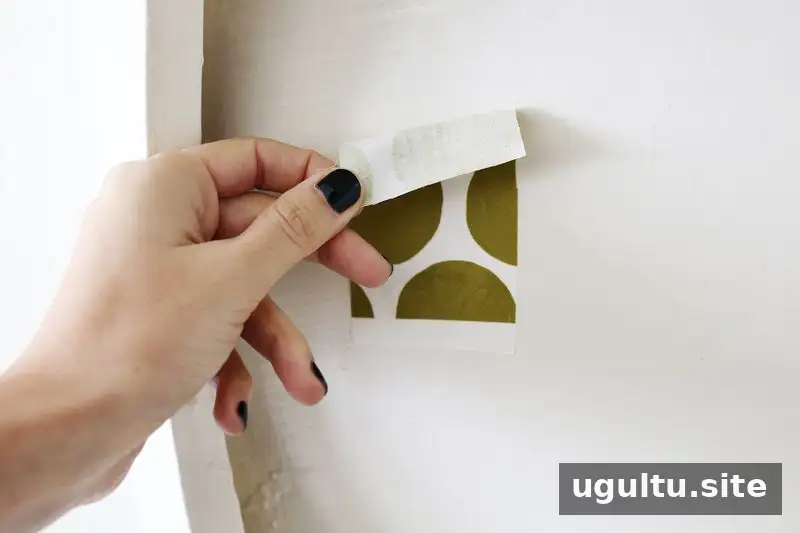
Before starting the full project, apply a small fabric sample to an inconspicuous spot. Leave it in place for several days, then remove it slowly and check for paint damage, adhesive residue, or discoloration. The sample described here came away from a high-gloss painted surface, which may have helped it release cleanly. Other paint finishes and materials can react differently.
For a rental or any surface you need to preserve, do not assume the method will be removable just because it worked on one glossy finish. Check the adhesive label and test the exact surface first. If the fabric is being applied to a large area, work in manageable sections and keep the fabric aligned as you smooth it.
Finished fabric-covered shelves
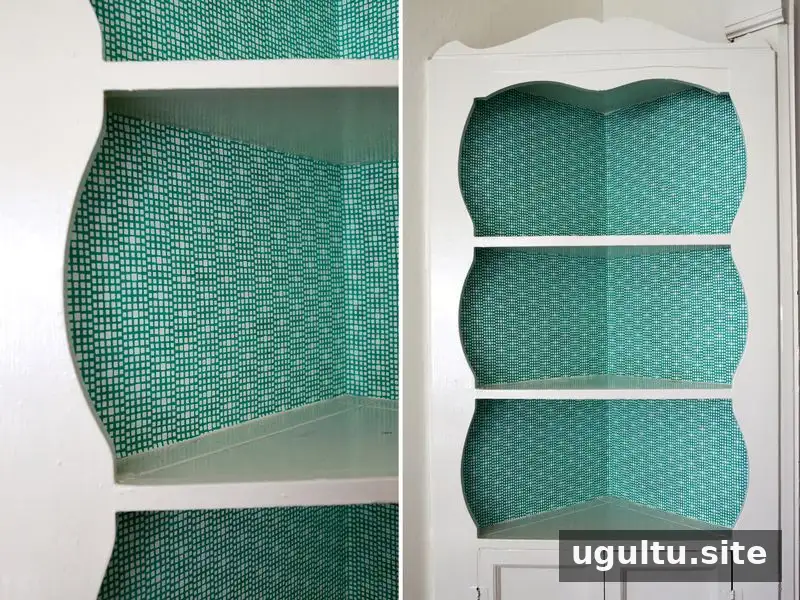
A fabric panel can bring a small built-in or shelf area to life with pattern and color, without the time involved in painting. It is also easy to change the look by choosing a different fabric, provided the surface test is successful. For a tidy finish, take time with the initial alignment and trim the edges only after the fabric is smooth.
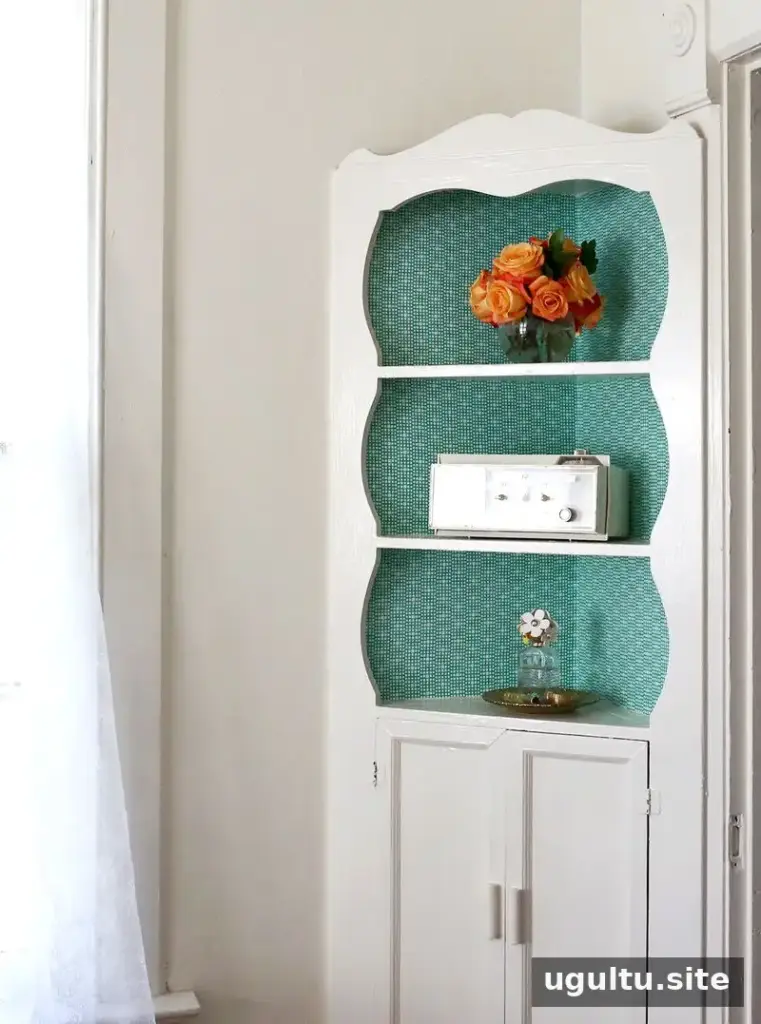
With a careful test and a clean, precise application, you can hang fabric as wallpaper on a suitable surface and give shelves a simple decorative update.
— Elsie


