admin
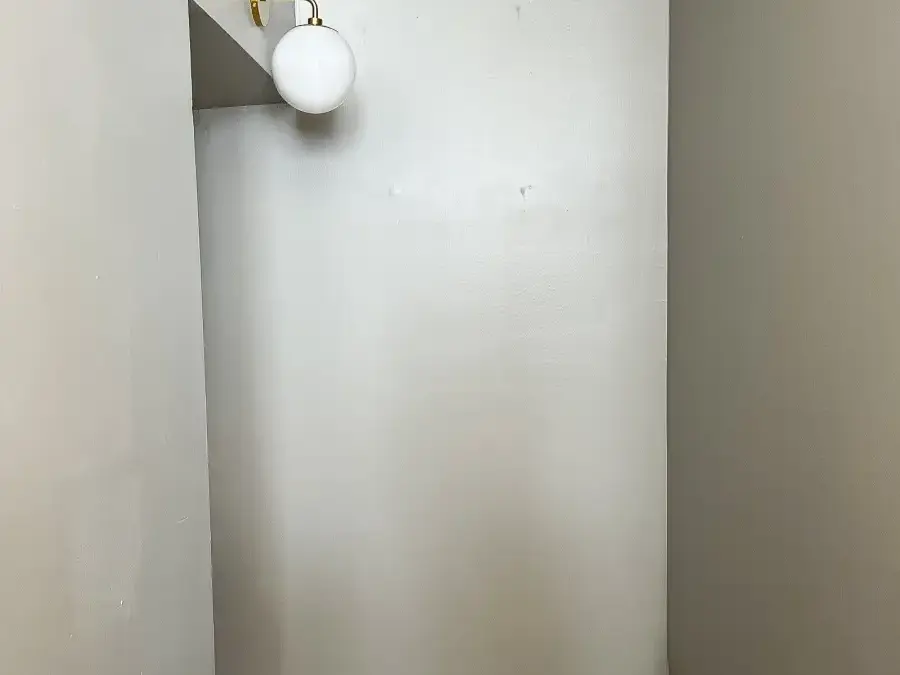
A staircase gallery wall can turn a tall, otherwise empty space into a personal focal point. Combining family photographs, artwork, travel souvenirs, and meaningful objects creates a display that feels collected over time rather than overly coordinated. A little planning helps the arrangement suit the height and shape of the stairwell.
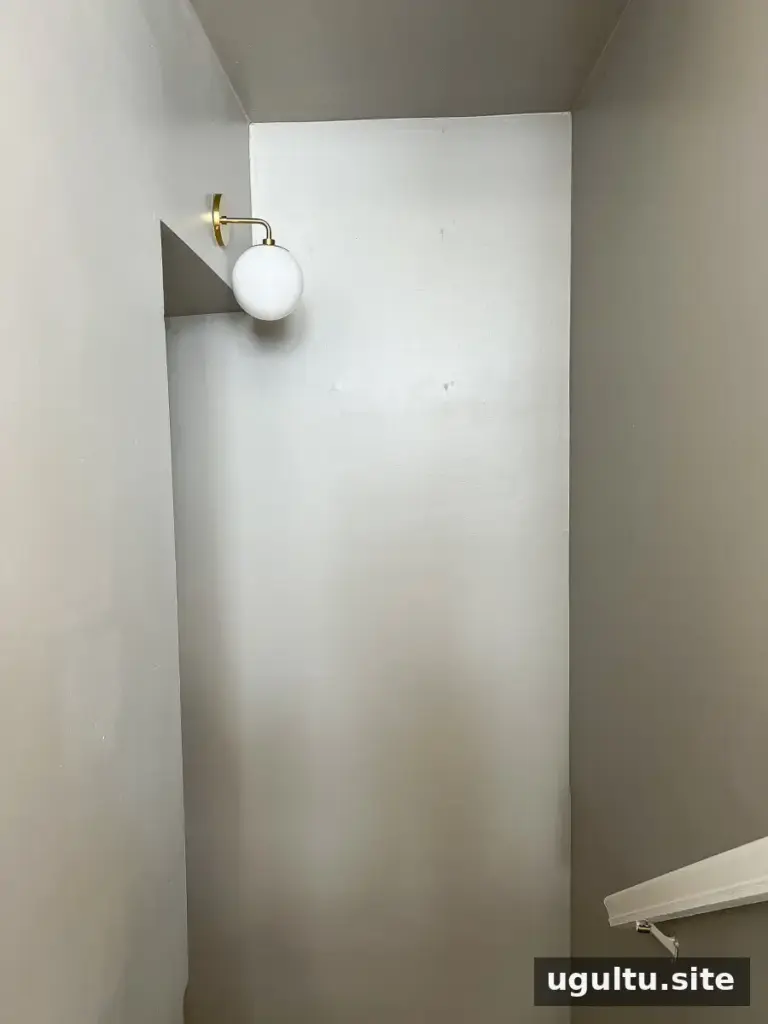
It can be tempting to wait until every piece and placement feels perfect before starting. Instead, gather the items you may want to include, look at them together, and make a flexible plan. The goal is to tell a story through a varied collection while keeping the overall display visually connected.
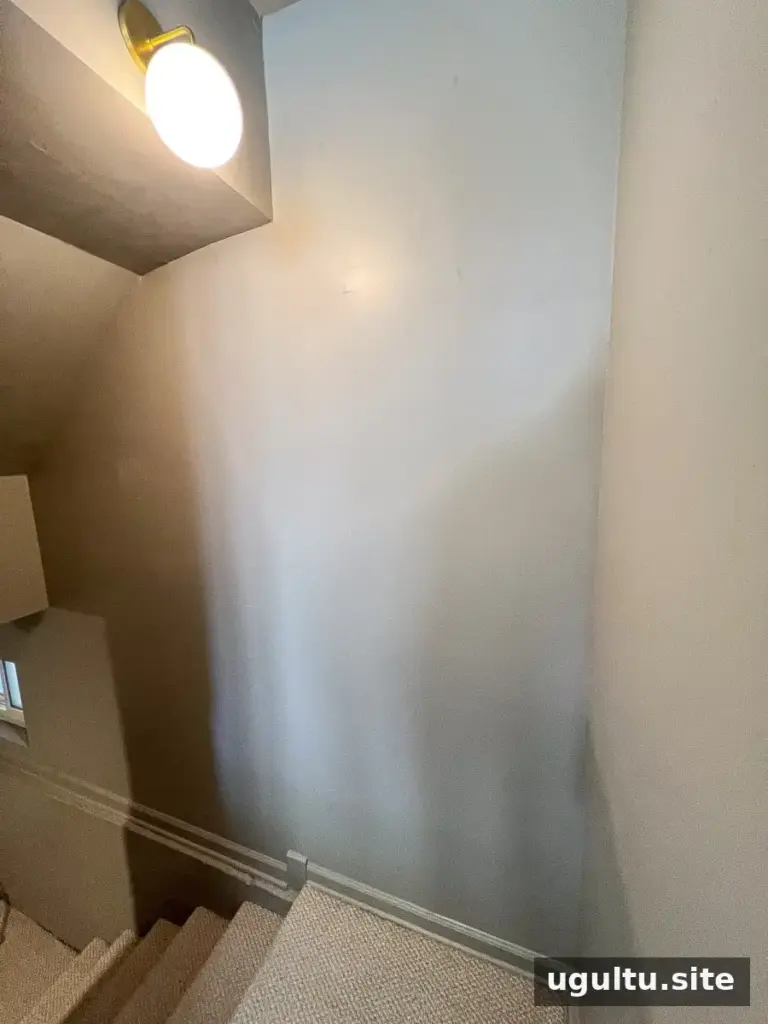
Staircase Gallery Wall Inspiration
Gallery walls can take many forms. A symmetrical grid creates a neat, orderly look, while a mix of photographs, vintage finds, and art feels more relaxed. For a stairwell, an eclectic arrangement can make good use of the large wall and accommodate objects in different shapes and sizes.
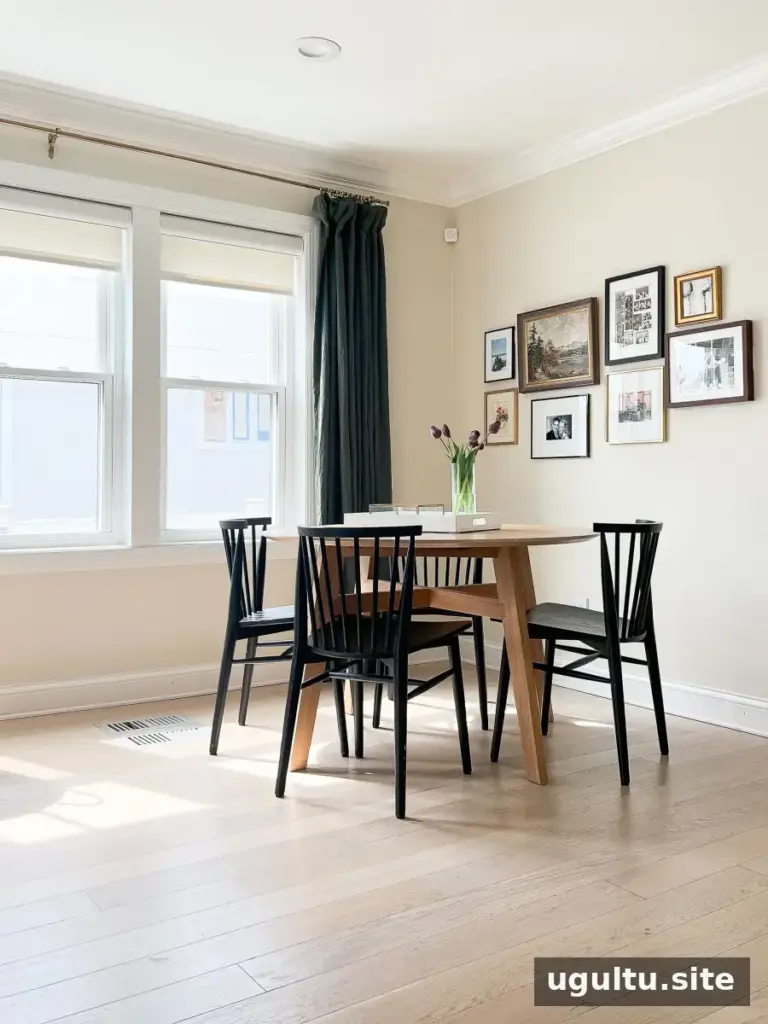
Living Room Gallery Wall
A living room display can show how framed photos and artwork work together. For a more structured option, a symmetrical arrangement uses repeated spacing and similar frame styles to create a clear pattern.
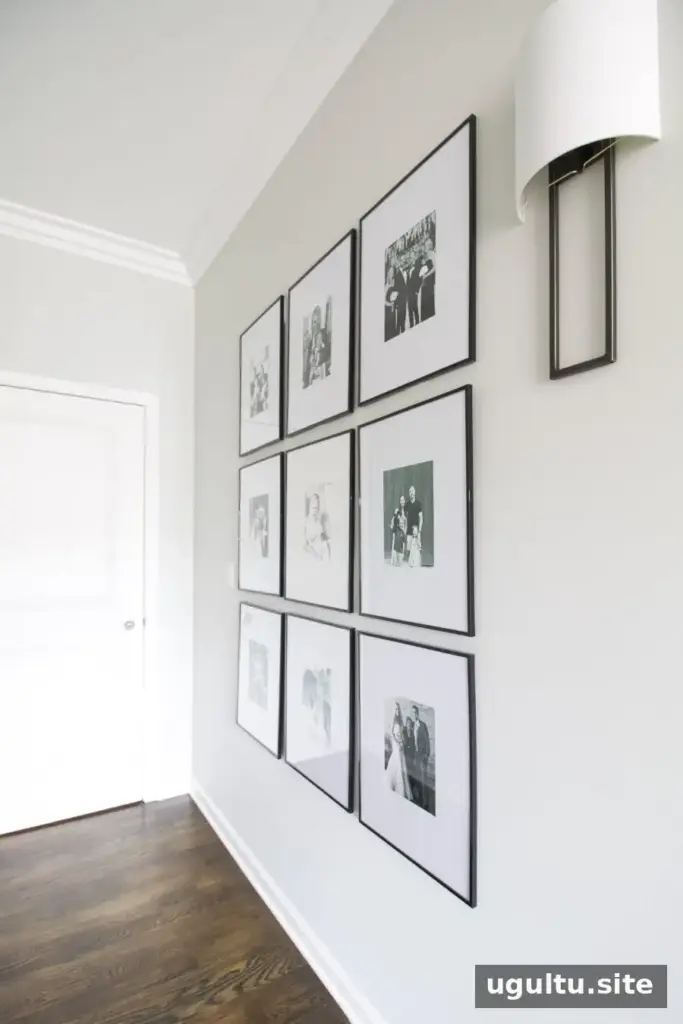
Symmetrical Gallery Wall
A hallway gallery can also provide ideas for displaying family photographs, including large black-and-white prints. Mixing these with artwork and vintage pieces adds variety without requiring every item to match.
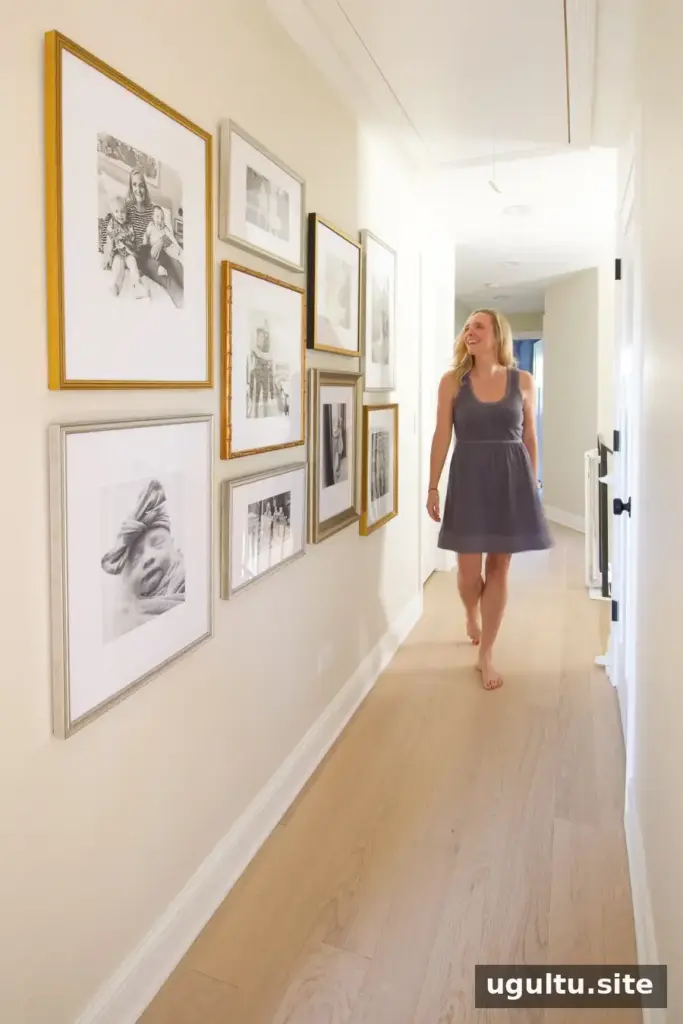
Hallway Gallery Wall
For a collected look, consider combining framed family pictures with art prints and three-dimensional keepsakes. Repeating a few frame finishes or colors can help different kinds of objects feel like part of one display.
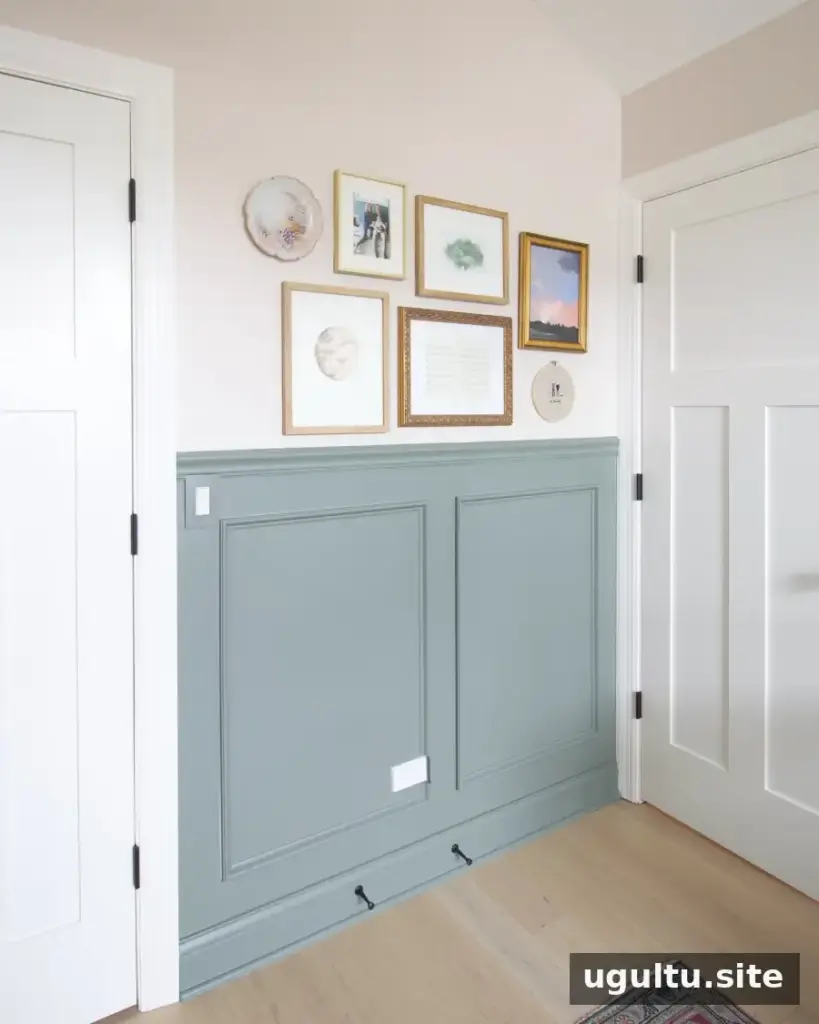
Rory’s Nursery Gallery Wall
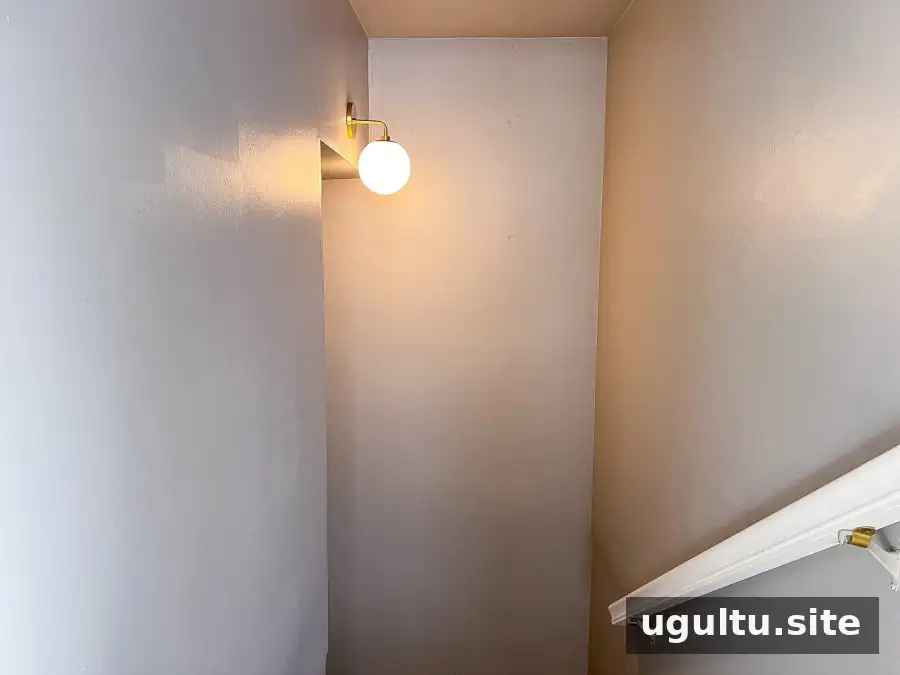
A staircase wall is often taller than a standard room wall and follows the incline of the stairs. A display can extend beyond typical eye level to make use of the full area, but plan its boundaries carefully so the arrangement feels intentional from both the top and bottom of the staircase.
These examples offer additional ideas for arranging art across a large wall.
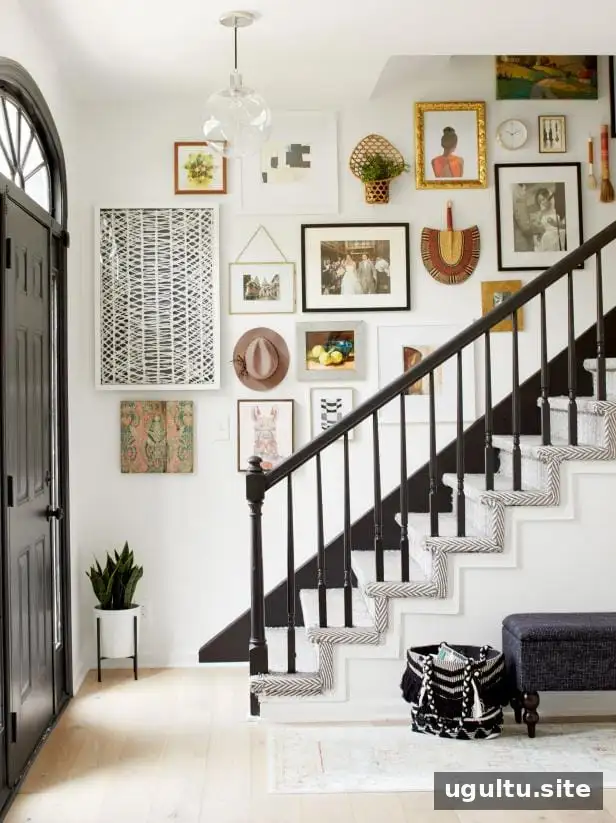
Photo from HGTV.com
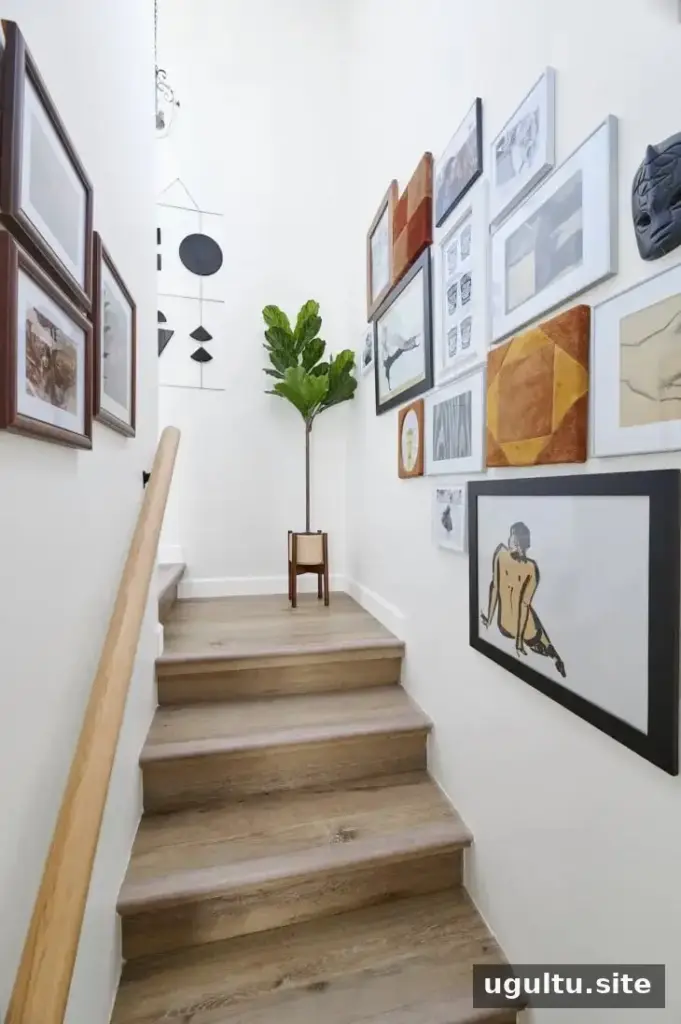
Photo via Apartment Therapy
Collecting Art, Frames, and Mementos
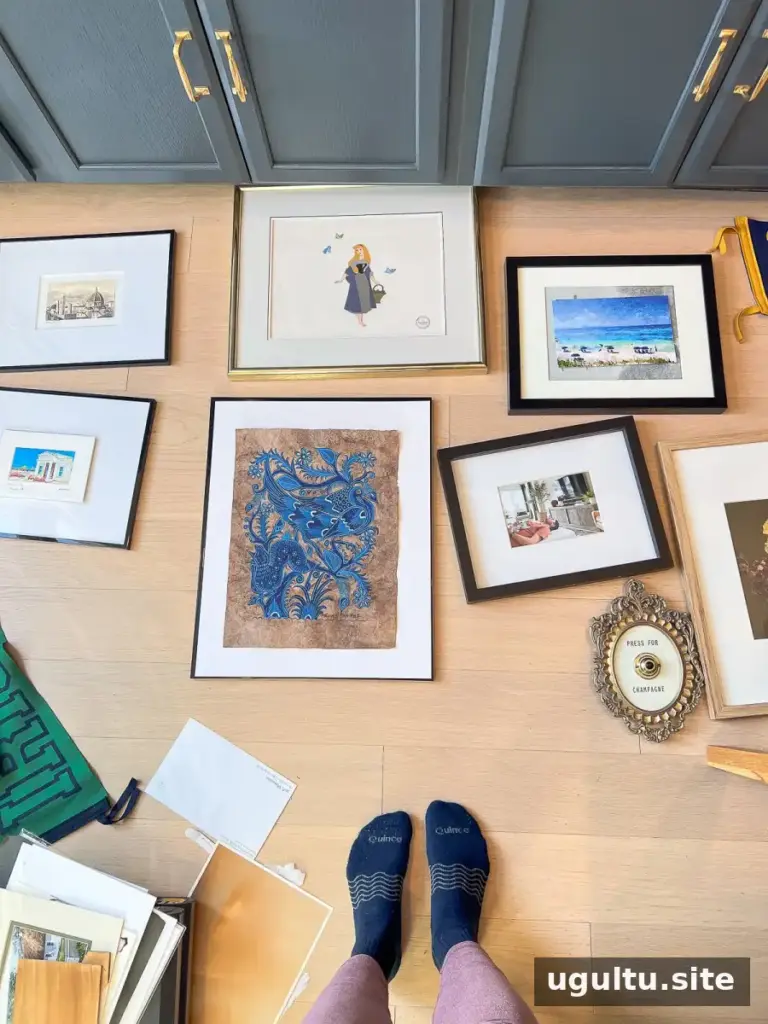
Before hanging anything, gather possible pieces in one place. Seeing frames, art, and keepsakes together makes it easier to compare their sizes, colors, and shapes. It also helps identify gaps in the collection before making a final layout.
Include Travel Souvenirs
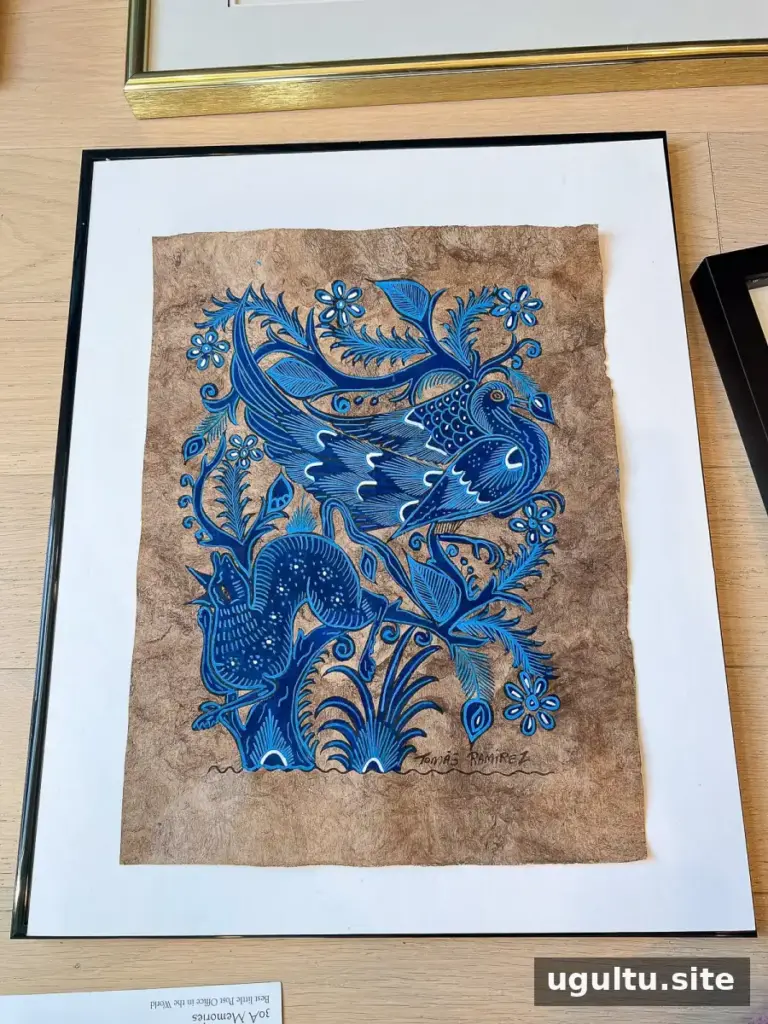
Small works by local artists can be meaningful reminders of a trip and are often easier to pack than larger pieces. Drawings and prints can be carried flat in a suitcase. Keep them protected from bending or moisture during travel, and choose a frame that suits the artwork once you are home.
Use Objects Beyond Framed Art

Fabric pennants, signs, and other lightweight keepsakes can add texture and variety to a gallery wall. For example, pennants reading “Notre Dame” and “Irish” can bring family-history details into a display. Check how each object can be safely mounted before arranging it among framed pieces.
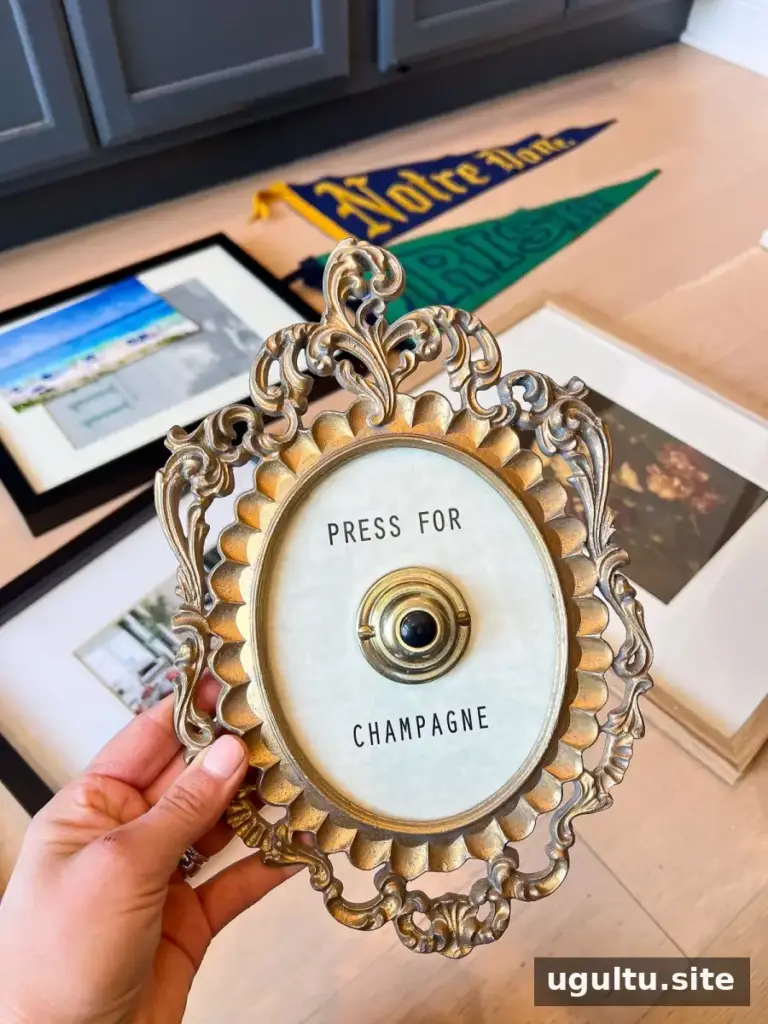
A novelty sign, such as a “Press for Champagne” sign with a working buzzer, can also become part of the collection. Leave enough room around objects with buttons or moving parts so they remain accessible and do not press against neighboring frames.
Consider Front-Opening Frames
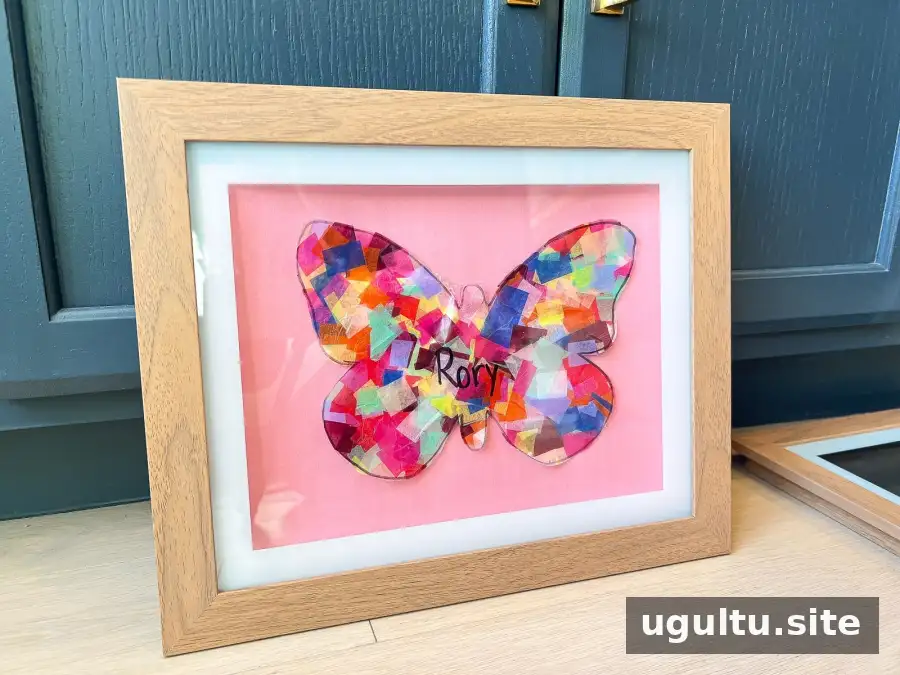
Children’s artwork can give a gallery wall a personal, changing element. Front-opening frames make it easier to replace a drawing or painting without removing the entire frame from the wall. Assigning each child a frame also creates a simple way to rotate new work into the display.
Display Family Memories Creatively
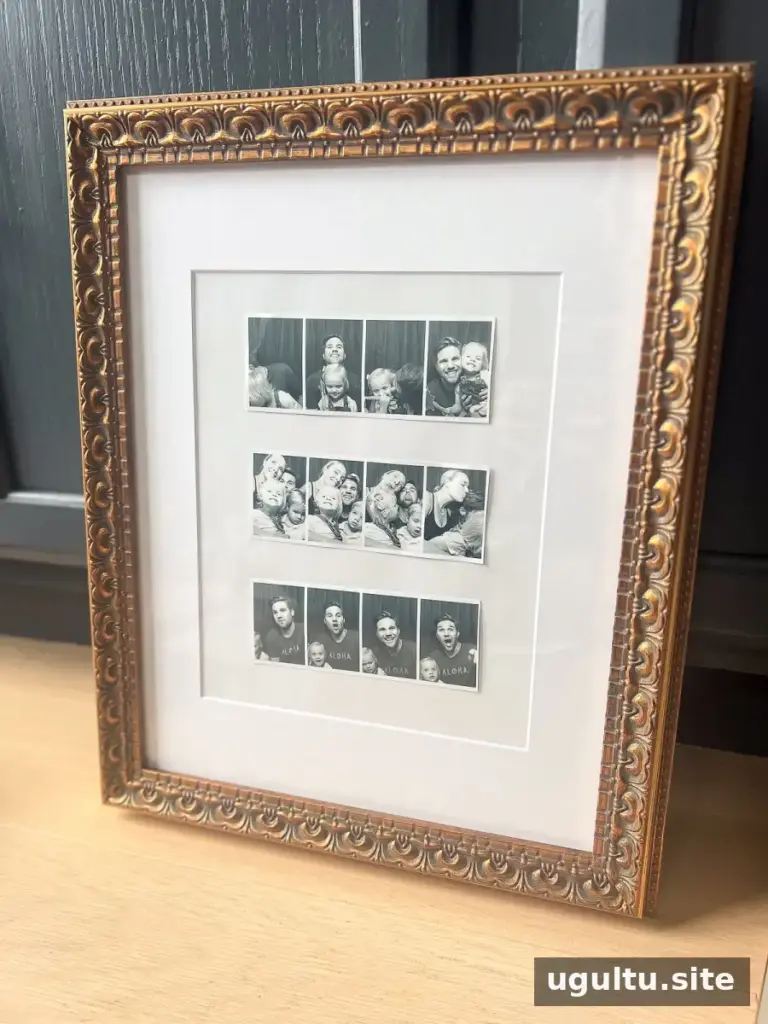
Photo booth pictures and Polaroids can be arranged together as a piece of art. Mounting a selection on paper and placing it in a frame creates a different effect from displaying one standard-size photograph.
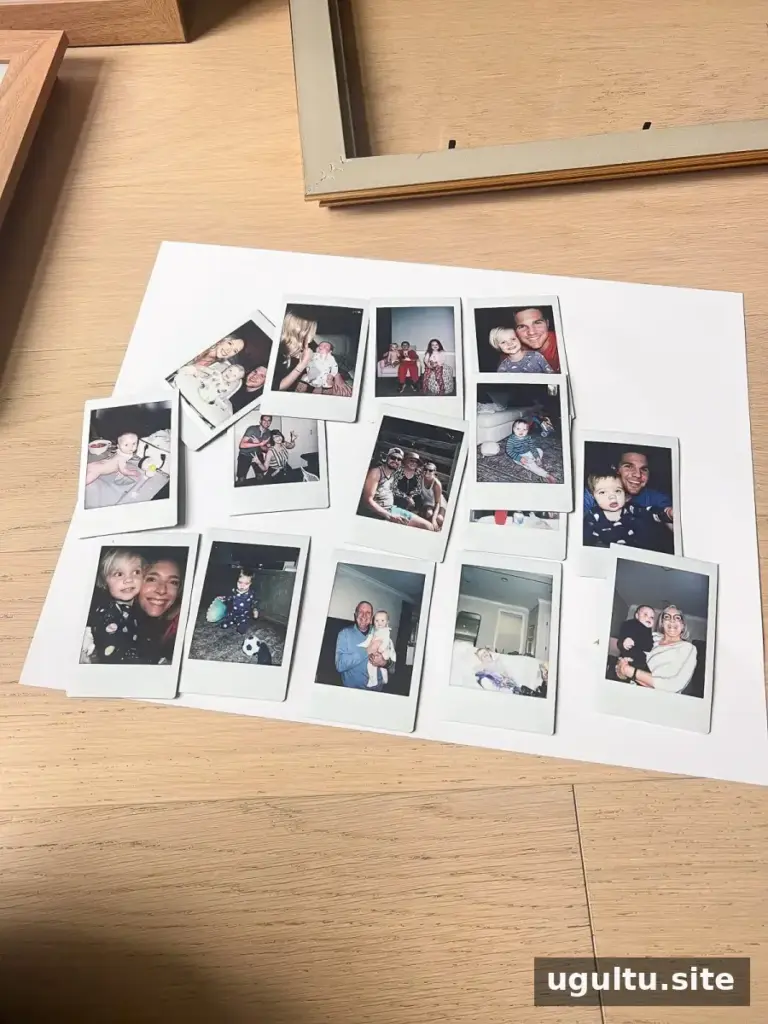
Before attaching or mounting instant photos, choose an adhesive or photo corners suitable for photographs. This helps avoid damage if the arrangement needs to be changed later.
Plan the Gallery Wall Layout
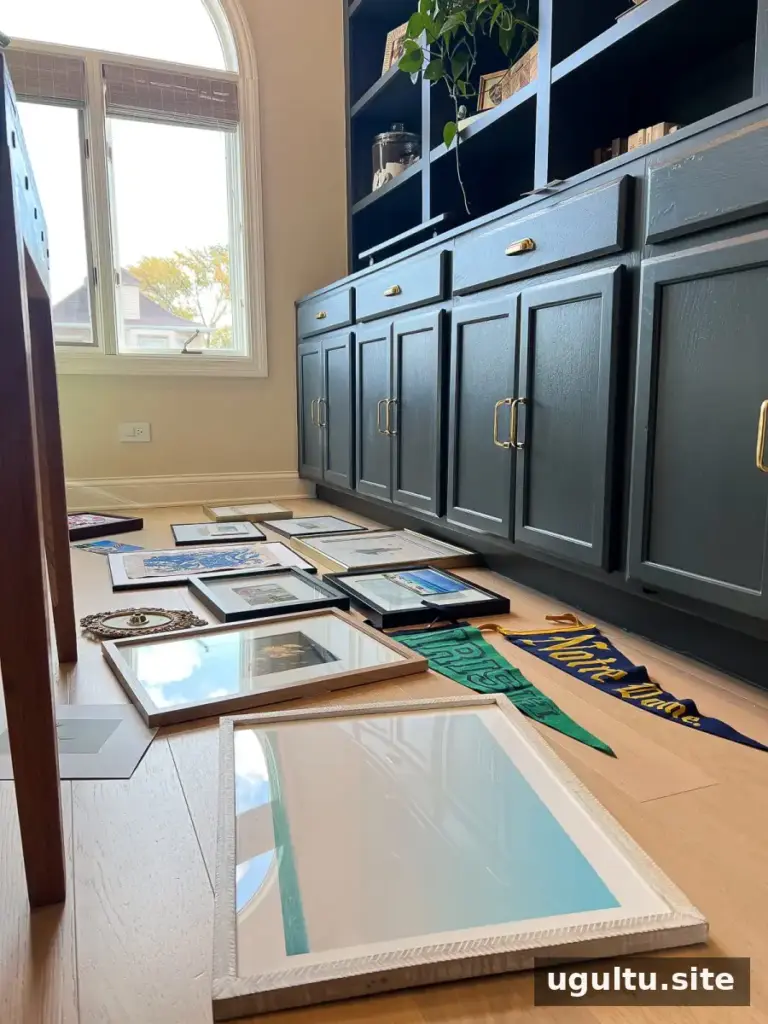
Lay out the collected pieces on the floor before hanging them. This makes it easier to compare frame sizes and finishes and to test different combinations without making holes in the wall. Take a photograph of a promising layout so it is easy to refer to during installation.
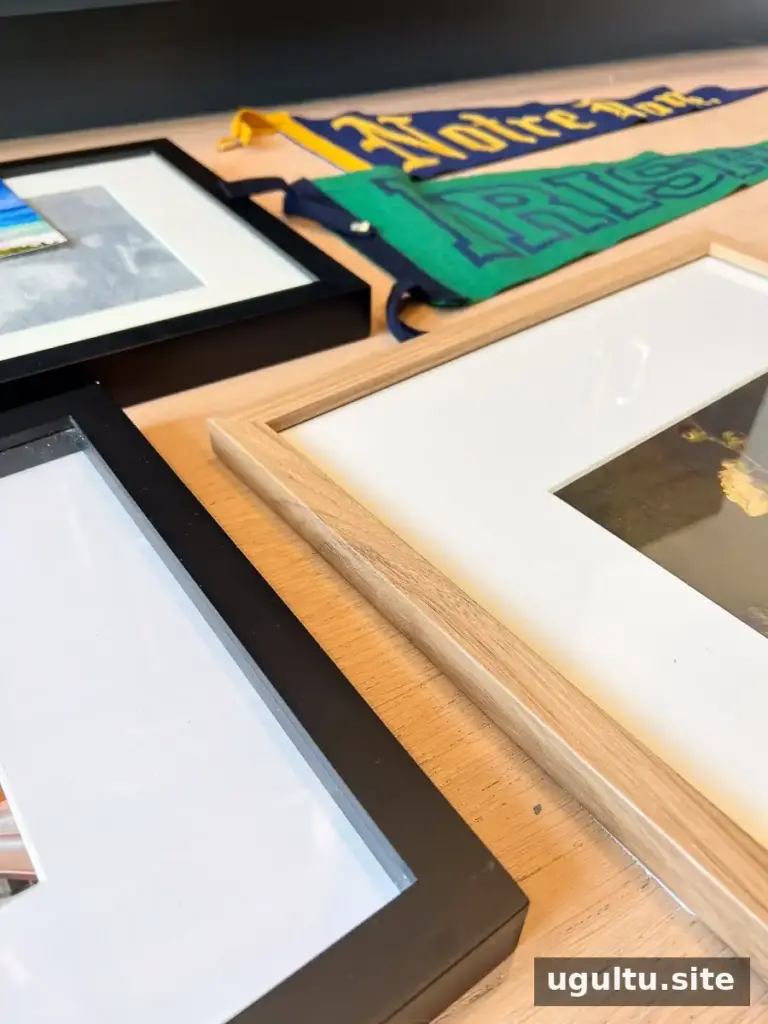
A mix of wooden, black, and gold frames can create variety while repeating a few finishes keeps the display connected. Balance pieces with mats against pieces without them, and include both portrait and landscape orientations. If the collection contains many similar mats or frames, adjust the mix to avoid a repetitive appearance.
Tips for a Cohesive, Collected Staircase Gallery Wall
Use these practical guidelines as a starting point, then adapt the arrangement to the wall and the pieces you have:
- Combine at least two frame materials or finishes, such as wood, black, and gold.
- Vary frame sizes, while considering whether very small pieces will be easy to see from the stairs.
- Use mats to give photographs breathing room and help them stand out.
- Mix portrait and landscape formats to create a more dynamic arrangement.
- Keep neighboring frames relatively close; a gap of no more than three inches can help the display read as one group.
- Choose hanging hardware suited to each item’s weight and the wall surface. Adhesive strips, museum wax, and picture-hanging kits have different uses, so check product instructions before installation.
Measure and Test Before Hanging
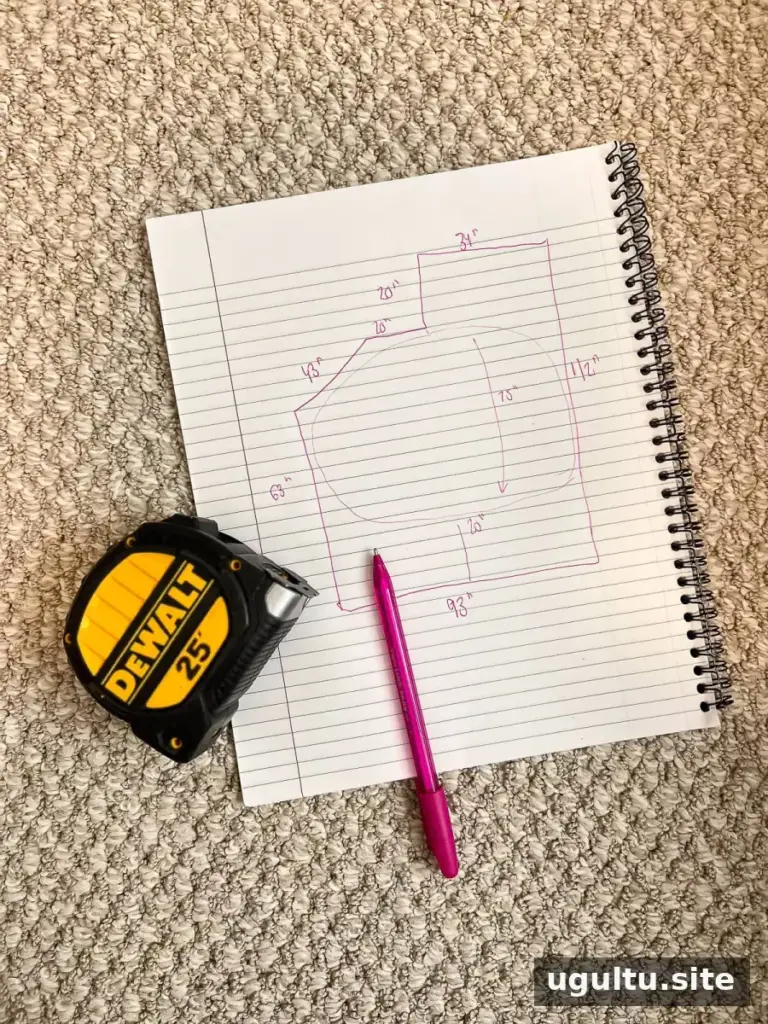
Measure the available wall area and note its height and shape along the stairs. Then transfer the arrangement to the floor, or make paper templates of the frames and temporarily position them on the wall. This lets you check spacing and alignment before making holes. Use suitable hardware and take care when working on stairs; a stable ladder and a second person can make installation safer.
A successful staircase gallery wall does not need identical frames or a strict color scheme. A considered mix of photographs, art, and meaningful objects can create a display with personality. Gather the pieces, test the layout, and use measurements to make the final arrangement feel balanced from every point along the stairs.