
 admin
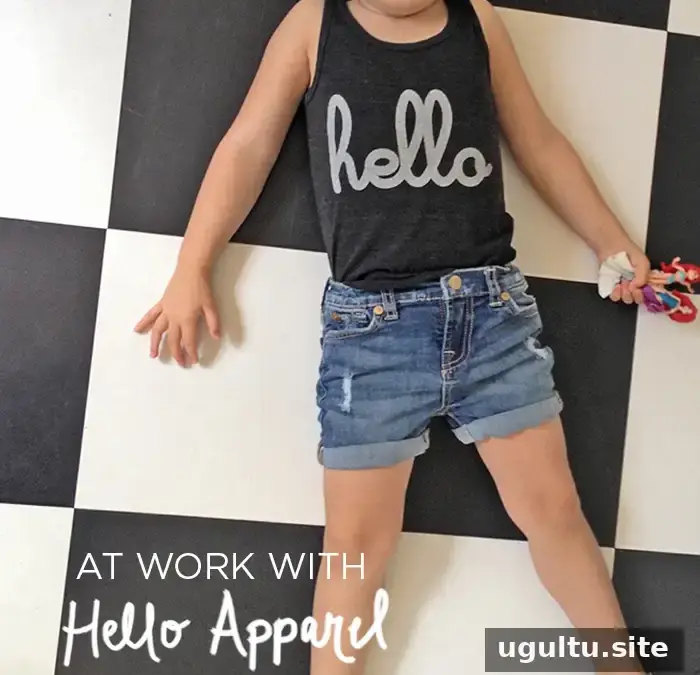
Hello Apparel is part of a two-company operation in Phoenix, Arizona, run by Anita Means and her husband, Sam Means. Alongside Hello Merch, the business supports online merchandise stores with design, inventory management, and order fulfillment. Its day-to-day work shows how clearly defined roles and an organized warehouse can help a small team handle orders for many different customers.

Hello Apparel’s Daily Work
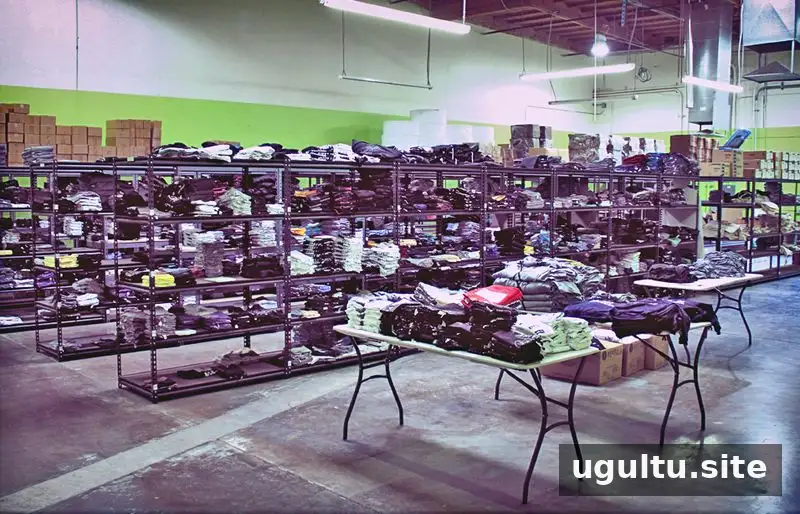
In Anita’s account, the workday begins with warehouse manager Tom, who arrives early to prepare the day’s orders for packing and shipping. Later, Rick, Connie, Eric, and Wes help with customer service, order fulfillment, organizing work areas, and monitoring stock. Sam focuses on administrative and design tasks, while Anita generally works from home and handles social media, marketing, advertising, and relationships with bloggers. At the time of the account, she was also caring for a three-year-old and expecting another child.
This division of responsibilities helps keep distinct tasks moving throughout the day. For a fulfillment team, preparing orders early and assigning clear ownership of customer service, inventory, and design can make daily operations easier to coordinate.

A 4,500-Square-Foot Warehouse
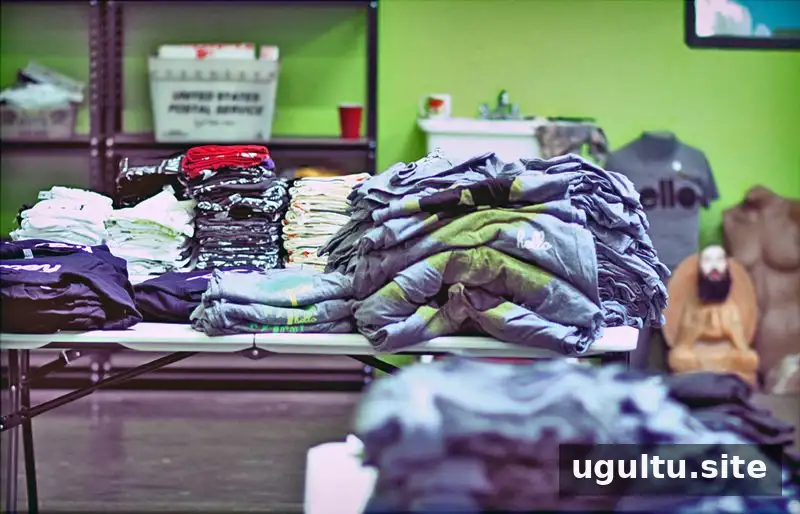
The company’s most functional space is its large, open warehouse, measuring 4,500 square feet. When the team first moved in, they expected the space to be more than enough. As the operation grew, however, they began considering that a larger location might eventually be needed.
The warehouse accommodates shelving systems and packing stations, as well as a ping-pong table. For businesses managing physical products, separating storage and packing areas can make it easier to locate stock and prepare shipments. It is also useful to leave enough open space for staff to move safely between shelves and workstations.
How Hello Apparel Organizes Merchandise
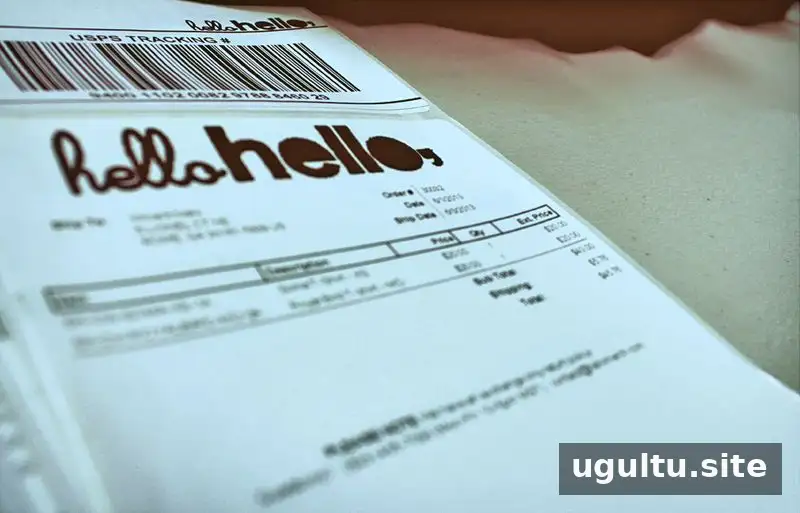
The warehouse and fulfillment operation serves more than 80 online stores for musicians, artists, record labels, and clothing companies. Keeping inventory organized is essential. Each item is assigned a SKU code that identifies the artist or company, size, and product number. Stock is then sorted by size or item, helping employees find products for both orders and restocking.
Tom also tracks the packing materials used to ship orders. Separately, Sam manages inventory ordering for the artists. These processes illustrate why accurate product codes and regular supply checks matter: both help teams locate merchandise and prepare shipments with fewer avoidable delays.
Merchandise services and tour fulfillment
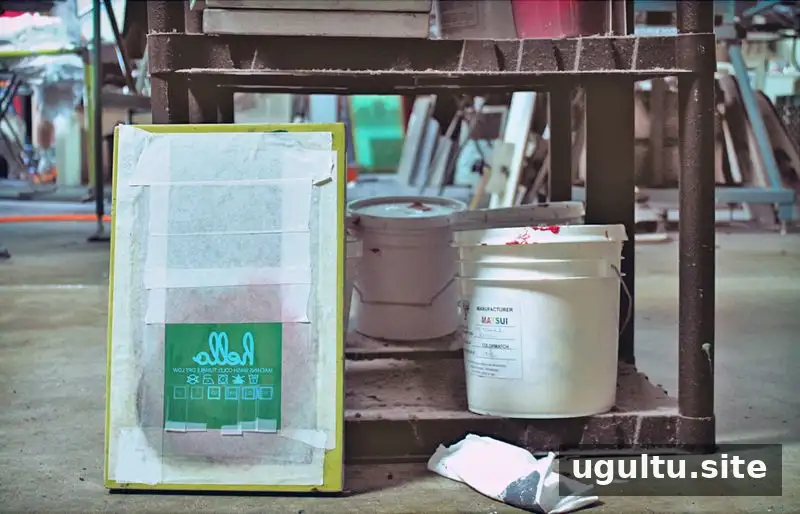
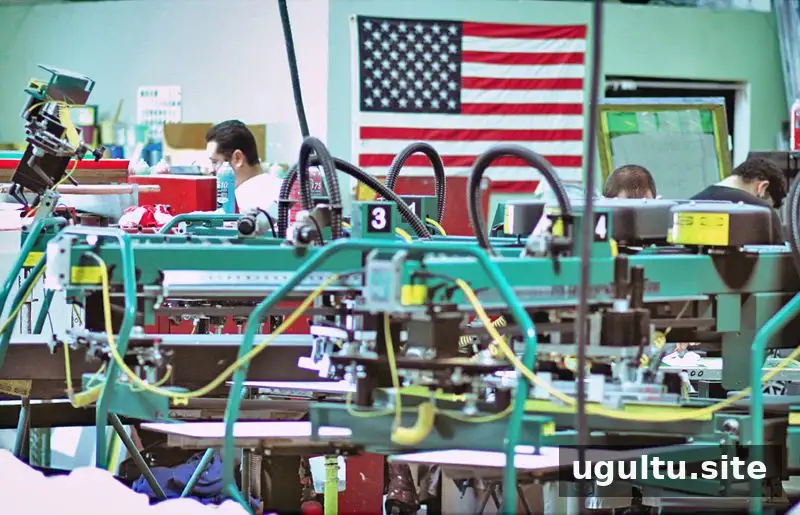
The businesses provide full-service screen printing through a working arrangement with Good Fellas Merch, which operates in the warehouse suite next door and handles the printing. This gives customers access to printing and fulfillment support through a coordinated operation.
Hello Merch also fulfills tour merchandise orders for bands including Hanson, Good Old War, The Mars Volta, Death Grips, The Format, and La Dispute. For touring acts, organizing products by item and size can help teams manage stock across online stores and tour-related orders.
What Hello Apparel’s Setup Shows

Hello Apparel’s operation combines defined staff responsibilities, SKU-based inventory, dedicated packing areas, and access to screen printing. Together, these elements support the work involved in serving many online merchandise stores. For any business handling physical orders, the practical takeaway is to establish a consistent system for identifying stock, tracking supplies, and assigning responsibility for each stage of fulfillment.


