
 admin

Running a children’s apparel business involves much more than designing clothes. Amy shares a look at the day-to-day work behind a small-batch children’s clothing and gift business in Brooklyn, from shipping orders to preparing future collections. Her account shows how production, customer communication and creative work can all fit into a single studio routine.

A children’s apparel business grows beyond the kitchen table

Amy describes the business as focused on well-made children’s apparel and gifts in bright colors and playful prints. When it began, she sewed each item at her kitchen table, packed orders in a small hallway and edited photographs from home. By the time of this account, manufacturing had moved to a nearby location, while the business operated from a studio in Brooklyn.
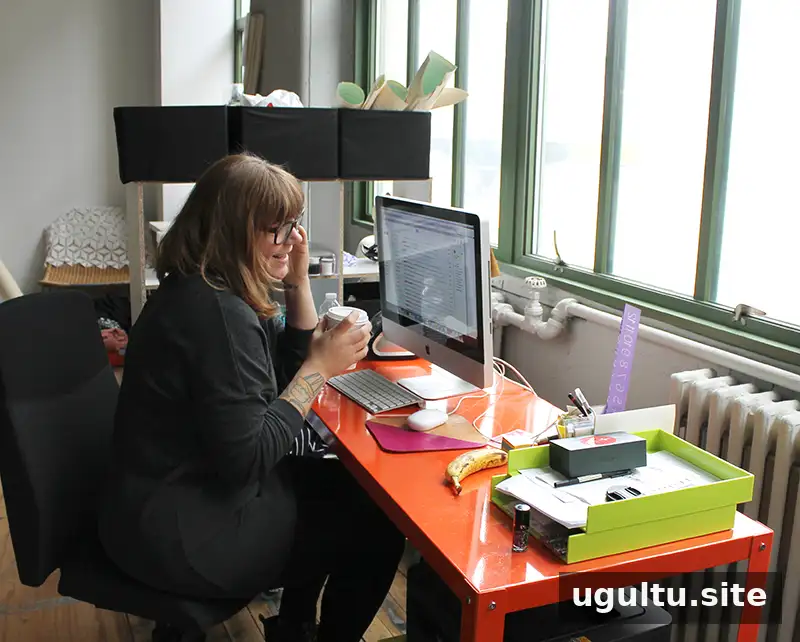
That change shifted Amy’s work toward administration and creative planning. Her mornings often began with email from customers, retail partners, wholesale clients and vendors. She also coordinated with her vice president, who worked from Philadelphia, to review the day’s priorities. At the time, their planning included preparations for the holiday season and goals for the first quarter of 2014.
Practical takeaway: As a small business grows, responsibilities can change. Keeping a short list of priorities and setting aside time for communication can help make a busy day easier to manage.
Shipping, customer service and production tasks
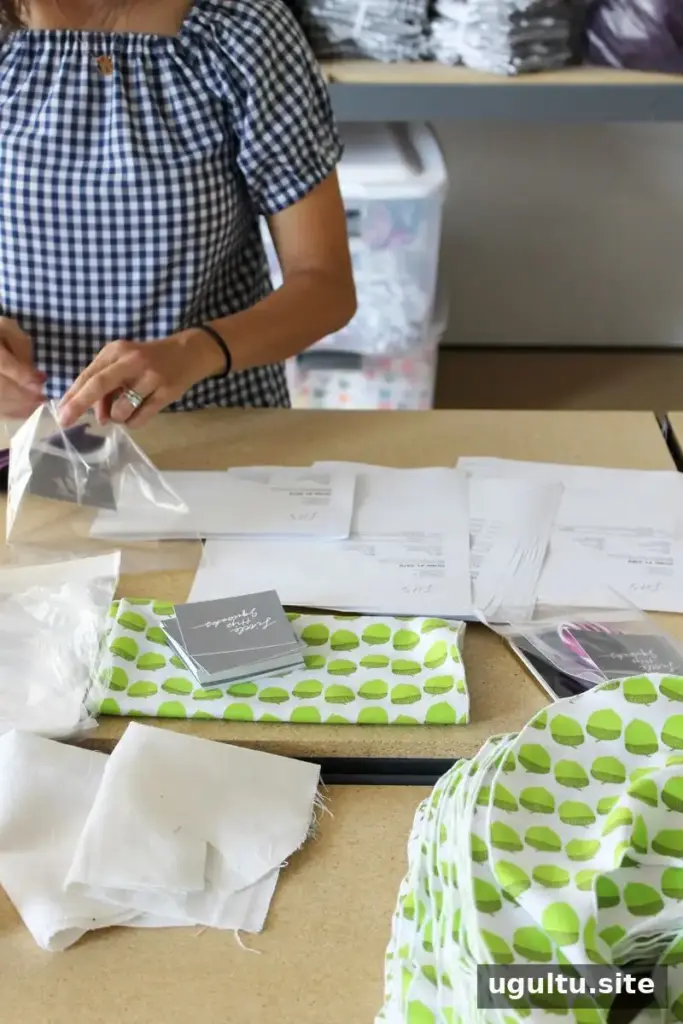
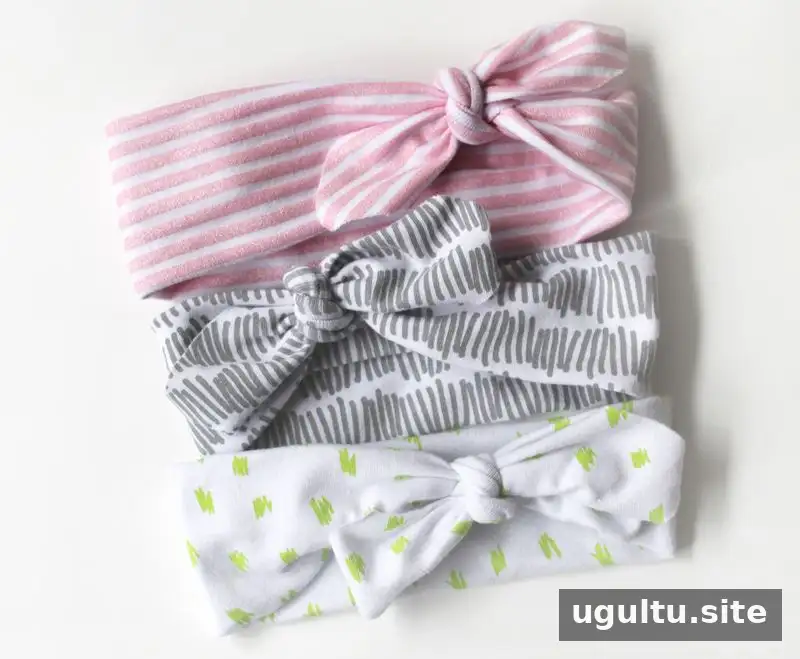
Shipping took up several hours of Amy’s mornings. Most packages went to retail customers, with additional orders sent directly to customers who purchased through the business’s website. A shipping manager visited once a week to help clear the workload, especially after a new product launch or a restock of headbands.
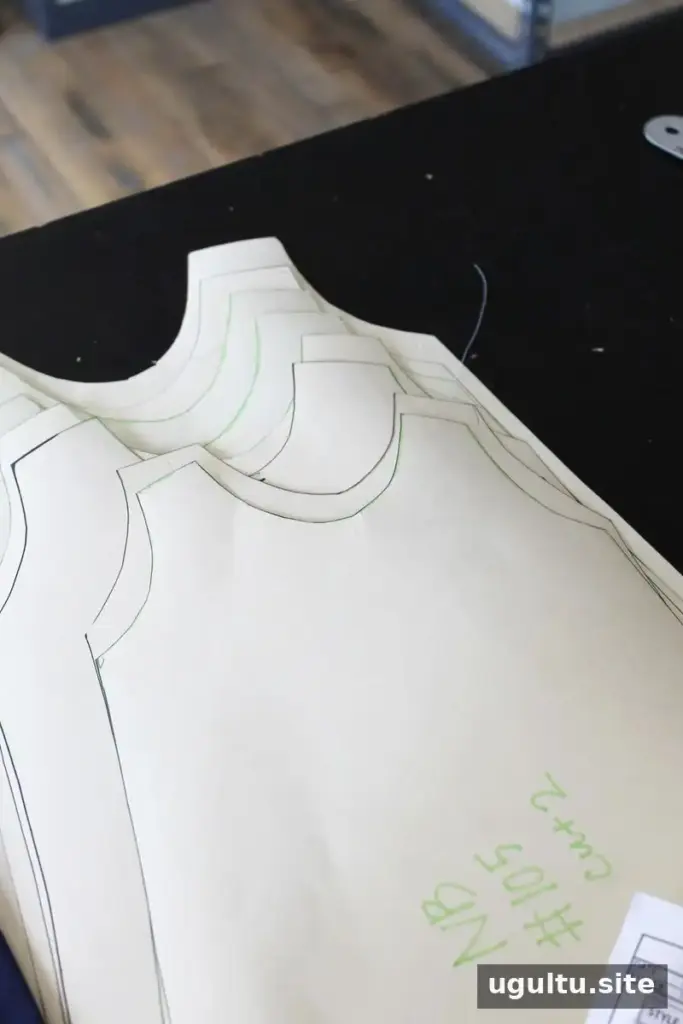
Amy found it difficult to focus on one task for long stretches, so she alternated between packing orders and answering email. Later in the day, she turned to design work: developing patterns, planning seasonal collections, preparing cutting tickets and technical packs, and photographing new products for the shop.
For small apparel businesses, production documents and clear product photos are practical tools. Cutting tickets and technical packs help communicate specifications, while consistent photography gives customers a useful view of new items.
Designing collections and making product samples
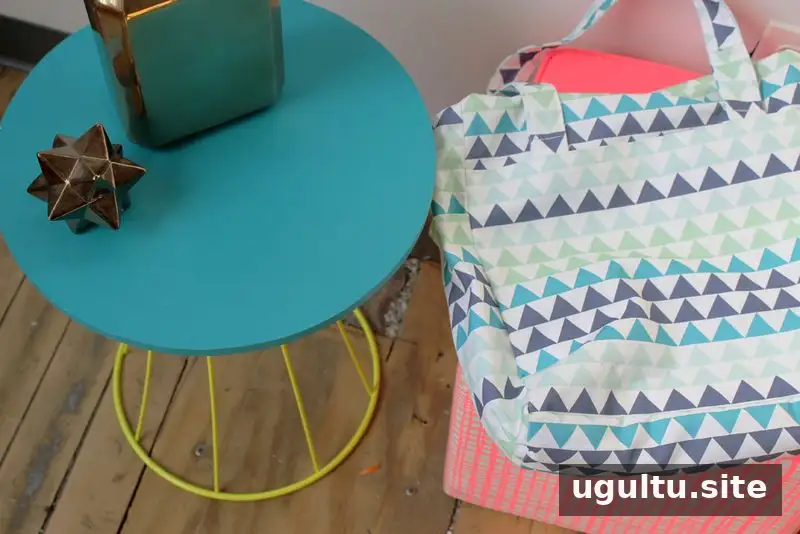
Amy said that contrasting colors and patterns inspired her designs and influenced the look of her studio. A favorite nook combined a commissioned gold metallic print on white leather, a painted wooden wall hanging and a triangle canvas decorated by her two-year-old child. The space reflected both her creative interests and her family life.
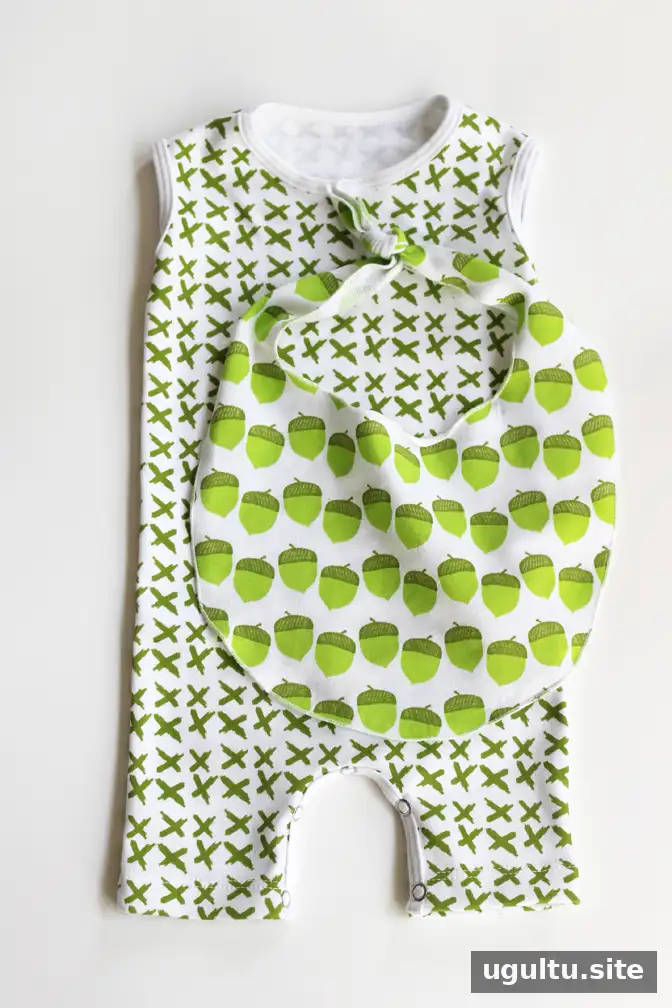
Afternoons also included time with a production assistant to develop samples for upcoming products. At the time, the team was finishing a long-sleeved winter dress, a hooded sweatshirt and layette items. Creating samples before a launch gives a team the opportunity to review a product’s details before moving ahead with a collection.
Keeping a creative studio workable
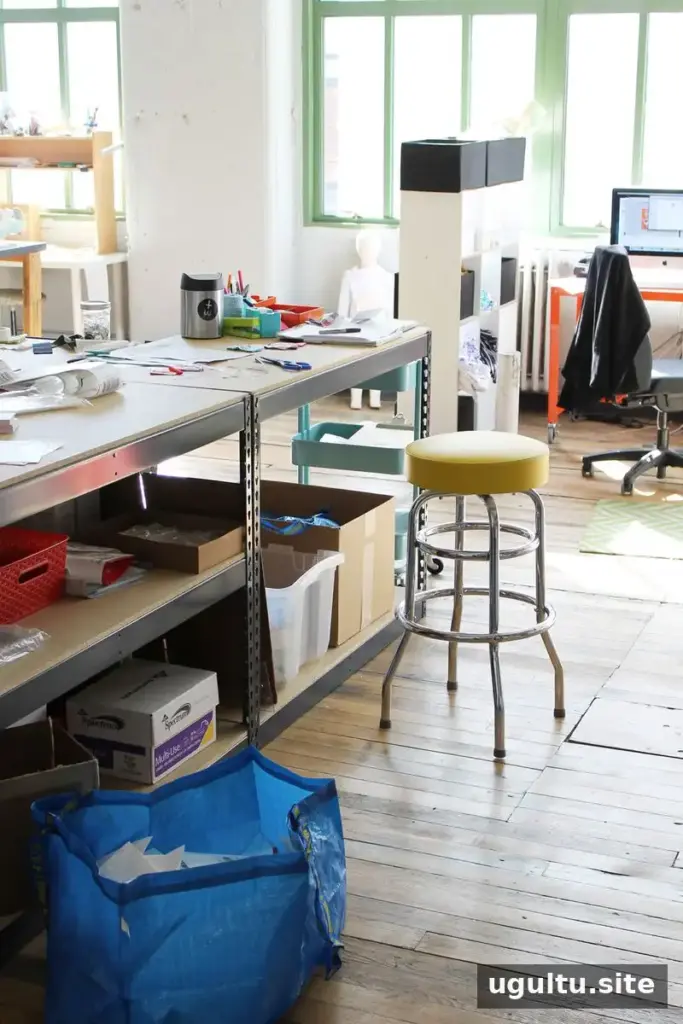
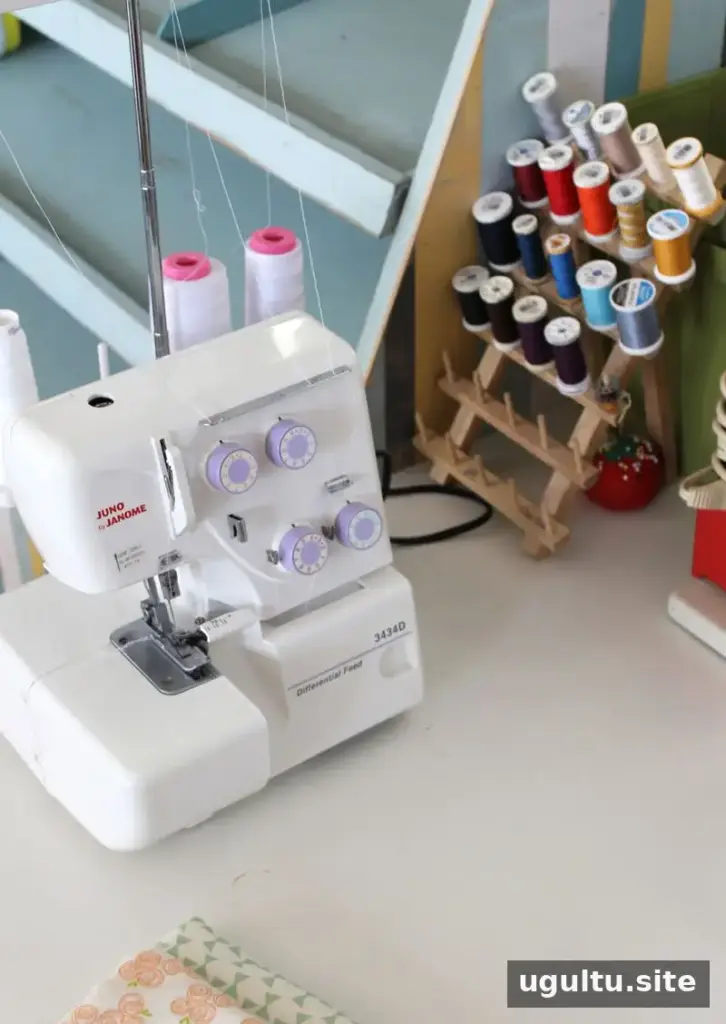
Supplies did not always stay perfectly organized, Amy noted, but hidden storage beneath the workbenches kept shipping and packing materials close at hand. Desk organizers helped contain invoices and receipts that still needed filing. For a busy studio, practical storage can reduce the time spent searching for everyday materials, even when the workspace is actively in use.
What a small-business routine can teach
Amy’s account illustrates how a children’s apparel business combines creative development with the less visible work of running a company. Shipping, email, product photography, sample making and seasonal planning all support the finished collection. Organizing tasks around the needs of the business—and keeping frequently used supplies accessible—can help small teams balance those responsibilities.


