admin

A well-planned home emergency kit can help your family manage a power outage, severe weather, flooding, or another unexpected situation. Organizing basic supplies ahead of time makes it easier to shelter at home or leave quickly if local officials advise evacuation.

Emergency services may not be able to reach every household immediately during a major event. Having essential supplies, a communication plan, and a clear place to find your kit can help reduce confusion while you wait for assistance or follow evacuation instructions.
Preparedness does not need to be complicated. Start with items your household already uses, then add supplies for your family’s health needs, local hazards, and likely weather conditions. Review local emergency guidance as you plan.
What Is a Home Emergency Kit?
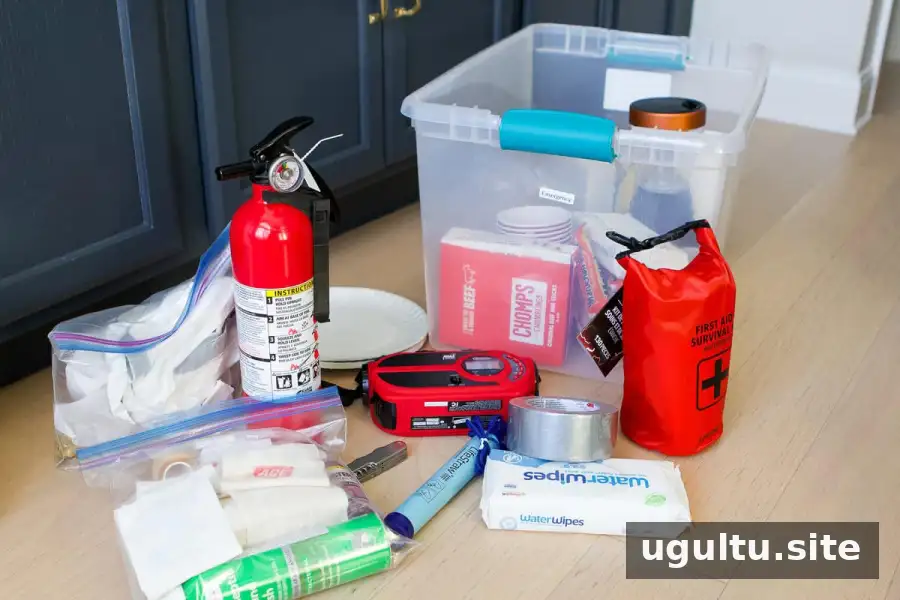
A home emergency kit is a collection of supplies intended to help household members stay safe and meet basic needs when normal services are disrupted. Many households find it useful to prepare three types of kits:
- Home emergency kit: Supplies for sheltering in place or remaining at home during a disruption.
- Go bag: A portable set of essentials to take if you need to leave quickly.
- Car emergency kit: Supplies to keep in your vehicle in case you are delayed or stranded.
Practical tip: Keep the kits in known, accessible locations, and make sure everyone in the household knows where to find them.
Plan a Home Emergency Kit for Your Household
The most useful kit is one that suits your family and is easy to use. Consider the hazards common in your area, the number of people in your household, and any medical, mobility, dietary, or pet-care needs. A kit for a household with an infant, for example, may need formula, diapers, or baby food.
Look around your home before buying supplies. Extra utensils, a suitable pot, blankets, or other useful items may already be available. Store emergency supplies together and label the container so you can locate it quickly.
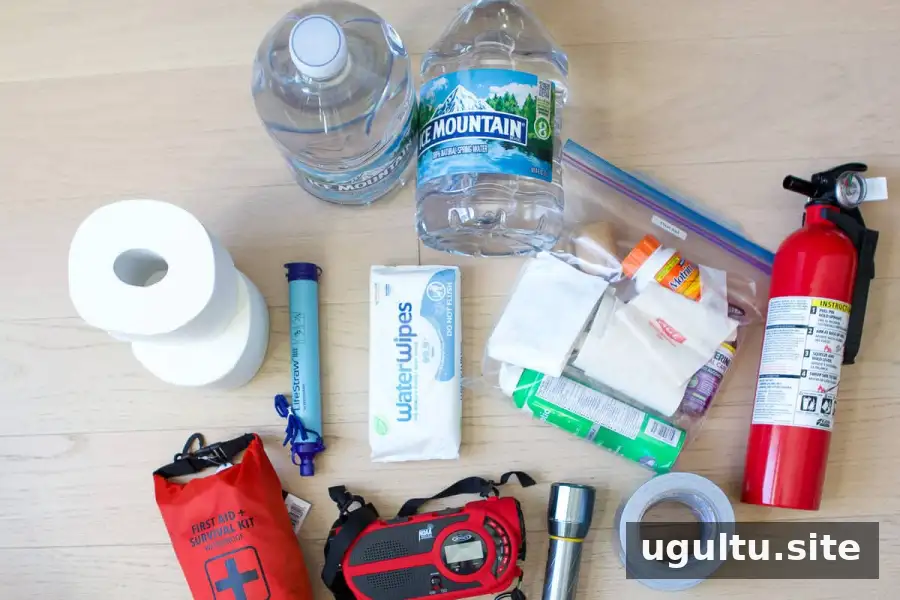
Essential Supplies for Staying at Home
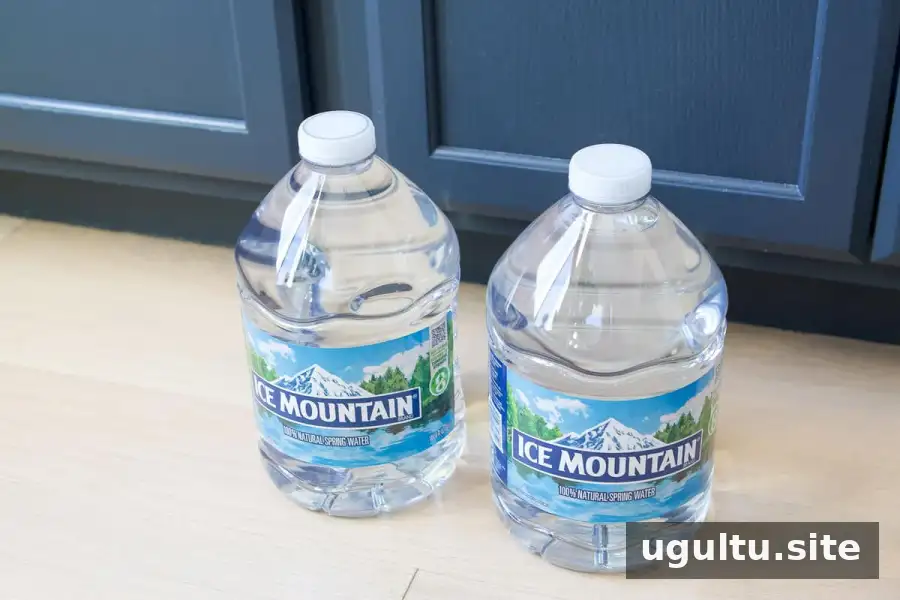
- Water: Store at least 1 gallon per person per day for three days.
- Food: Choose non-perishable items such as canned food, granola bars, and dried fruit. Include foods household members can eat, and remember any dietary needs.
- First aid supplies: Pack bandages, antiseptic supplies, and non-prescription medicines, including pain relievers as appropriate for your household.
- Shelter and warmth: Keep plastic sheeting, duct tape, and warm blankets with your supplies.
- Personal care: Add toilet paper, hand sanitizer, and feminine hygiene products.
- Important documents: Keep copies of identification, insurance policies, and bank account records in a protected place. Digital copies can be useful, but ensure you can access them if power or internet service is unavailable.
- Lighting: Pack flashlights and extra batteries.
- Communication: Consider a weather radio that receives official alerts and portable phone chargers. Check the power options and keep charging accessories with the kit.
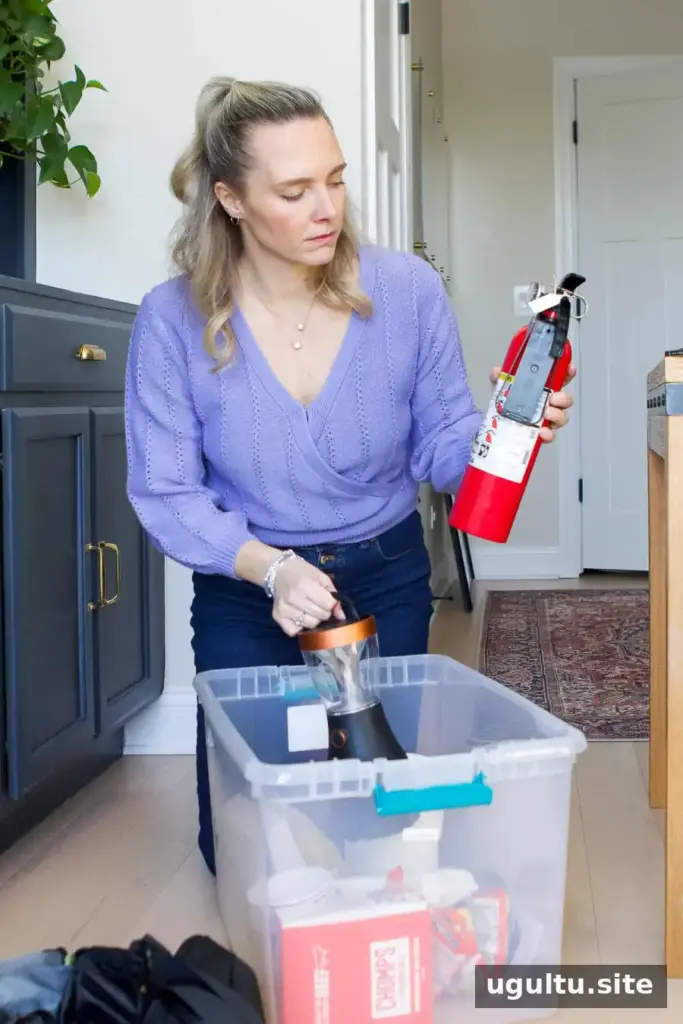
- Fire safety: Keep an appropriate fire extinguisher where household members can reach it safely.
- Cash: Store some cash in small bills in case electronic payment systems are unavailable.
- Comfort: Include toys, playing cards, or other simple activities, especially for children.
- Whistle: A whistle can help signal for assistance. Consider one for each family member.
Depending on your household, you may also need pet food, water bowls, leashes, collars, pet medications, plastic utensils, paper towels, trash bags, extra car keys, or baby supplies.
Storage tip: Use a clearly labeled container and keep it in a dry, accessible location. Avoid placing essential supplies somewhere that could become difficult to reach during the hazard you are preparing for.
Pack a Go Bag for a Quick Evacuation
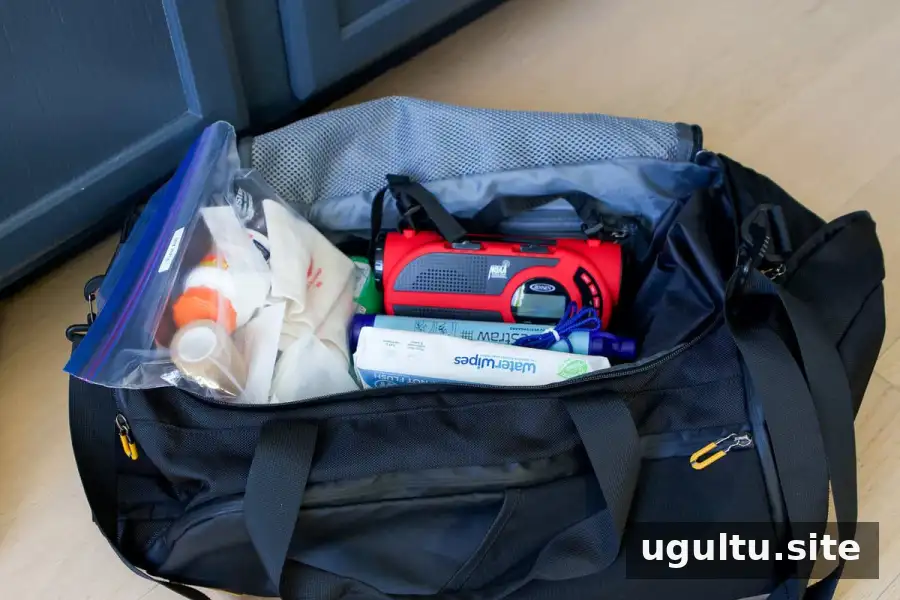
A go bag is a portable version of your emergency supplies. Choose a bag that is easy to carry and large enough for essentials, then keep it somewhere you can reach without delay. Check that every household member’s important items are included.

- Bottled water and a water purification straw
- Non-perishable food
- First aid supplies
- A warm blanket
- Extra medication and suitable pain relievers
- Wet wipes and basic toiletries
- Cash in small bills
- Copies of important documents
- A flashlight and extra batteries
- Duct tape and a multi-tool or pocket tool
- Masks
- Sentimental photographs, letters, or documents in a protective bag, if space allows
Practical tip: Keep the bag light enough to carry, and store medications according to their storage instructions. Review evacuation plans with the family so everyone knows where to go and how to communicate.
Prepare a Car Emergency Kit
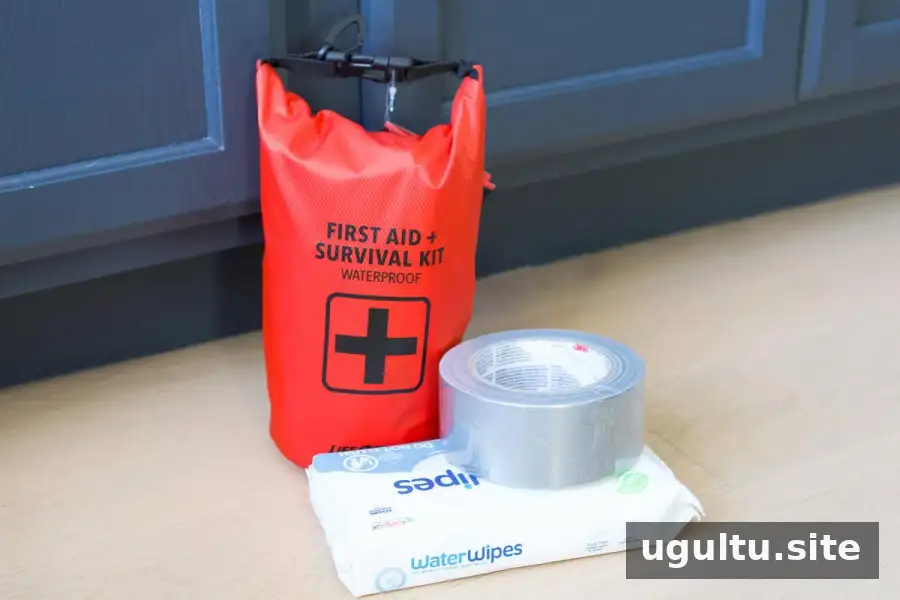
A car kit can be useful if a storm, road closure, or vehicle problem leaves you delayed away from home. Adjust its contents for your climate and travel habits, and secure items so they do not move around while driving.
- Bottled water and non-perishable snacks
- A compact first aid kit
- A warm blanket and a change of clothes for each family member
- Jumper cables and a battery
- A flashlight and glow sticks
- A fire extinguisher
- Plastic ties and garbage bags
- Road flares
- Extra cash and copies of important family documents
- Wet wipes and toilet paper
Check vehicle supplies periodically, especially before long trips or seasonal weather changes. Follow the vehicle manual and local safety guidance when using roadside equipment or flares.
Maintain Your Emergency Kits
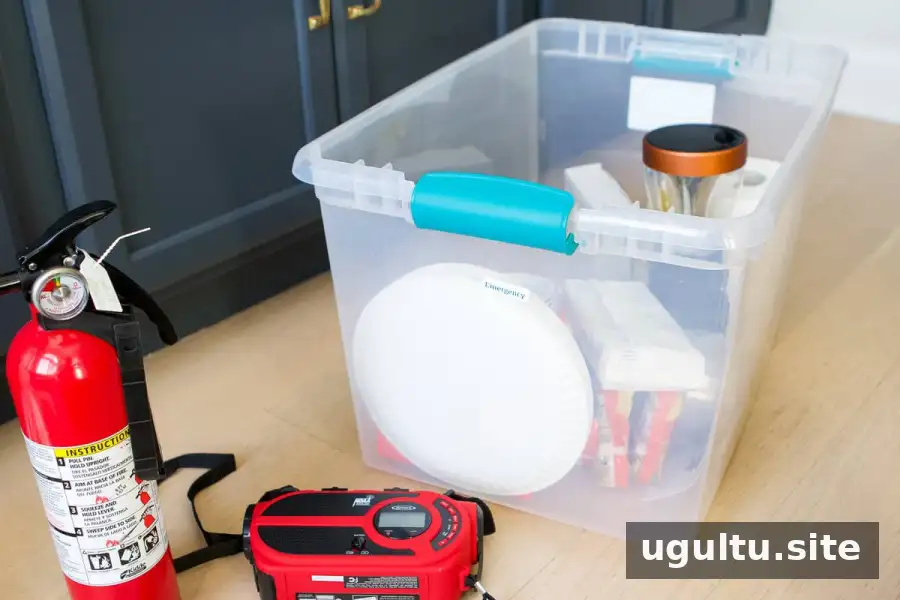
Supplies can expire, become damaged, or stop meeting your family’s needs. Add a reminder to review each kit regularly and after a household change, such as a new medication or a new pet.
- Check expiration dates on food, water, and medications, and replace items as needed.
- Store supplies in a cool, dry place when appropriate for the products.
- Update the contents for seasonal needs and local hazards.
- Make sure everyone knows where the kits are and how to access them.
- Check flashlights, batteries, chargers, and radios to confirm they work.
Simple routine: Review the kits alongside other regular home safety tasks, such as checking smoke detectors. Keep a written inventory to make restocking easier.
Final Thoughts on a Home Emergency Kit
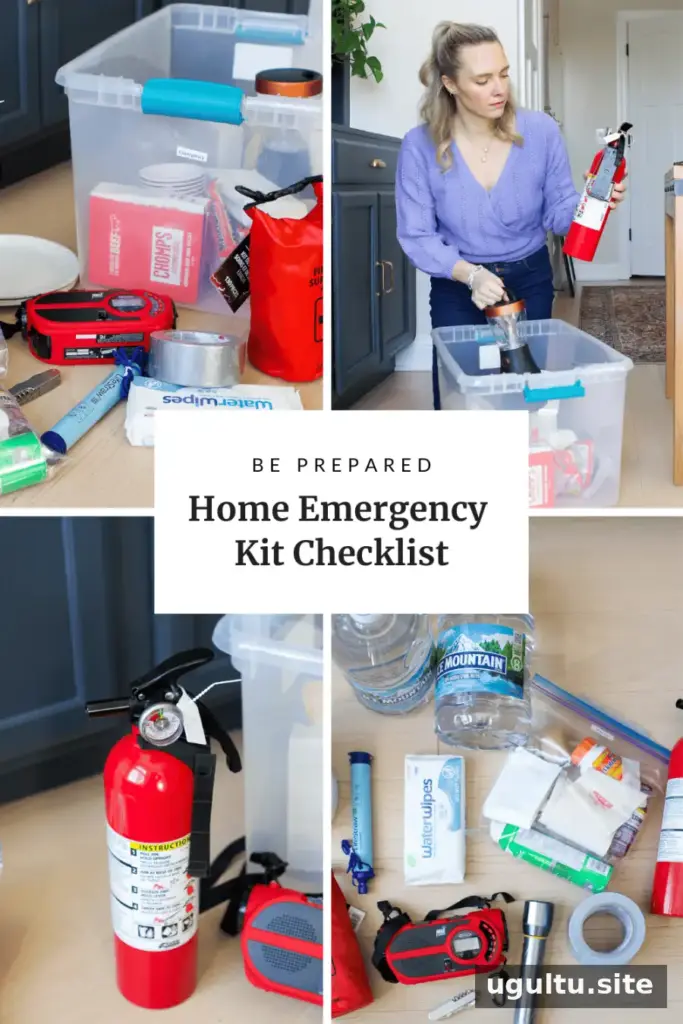
A home emergency kit is most helpful when it reflects your household’s needs, stays easy to access, and is kept up to date. You do not have to gather everything at once: begin with water, food, lighting, first aid supplies, and essential personal items, then build out your home kit, go bag, and car supplies over time.
Review local emergency instructions and make sure your family understands where to find supplies and what to do if you need to shelter in place or evacuate. Knowing how to locate your home’s main water shutoff, gas shutoff, and electrical breaker box can also be useful; follow official safety instructions before turning utilities off.