admin
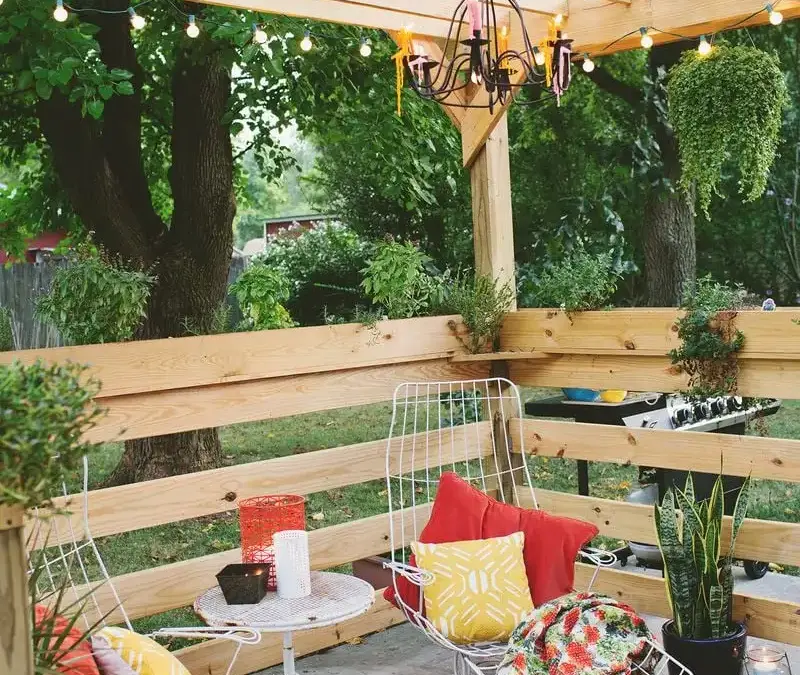
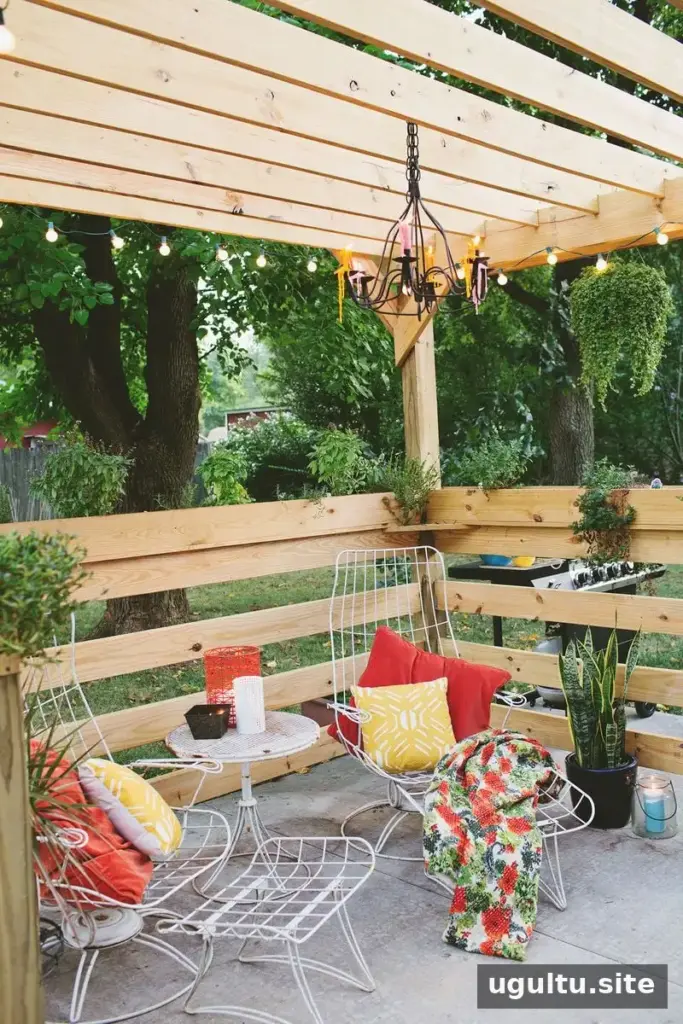
A pergola can add shade, define an outdoor seating area, and create a framework for flowers or climbing plants. If you want to build your own pergola, careful planning can help you make decisions about the location, size, permits, materials, planting, and budget before construction begins.
This project was planned for a concrete slab beside a home built in 1866. The goal was a comfortable place to eat and relax, with room to grow herbs and other plants. The proposed design included four posts, overhead slats, three half-walls, and a trough along the walls for planting. Planning also involved checking local building requirements and considering whether treated lumber was suitable for the intended use.
A pergola can be a substantial DIY project, but the planning steps below can also help with smaller outdoor builds. Check local requirements and assess your own construction experience before deciding how much of the work to do yourself.
Build Your Own Pergola: Start with the Site and Size
Begin by measuring the available area and noting existing features such as paving, doors, paths, and nearby structures. In this case, the concrete slab measured 16 by 16 feet, and the planned pergola measured 10 by 10 feet. That size provided a usable seating area while leaving space around the structure.
The original project planner contacted the local city permit office and was told that structures under 100 square feet did not require a building permit in that area. Requirements vary by location, so do not assume the same threshold applies where you live. Contact your local permitting authority and ask about permits, setbacks, utility lines, and any other rules that may apply before you build.
Choose Materials with the Intended Use in Mind
The project used pressure-treated lumber because the wood would remain unpainted and be exposed to the weather. The plan also included a planting trough, which meant considering contact between the growing medium and treated wood.
The American Wood Protection Association has noted that preservatives in treated wood sold to consumers are registered for general use, while also suggesting barriers or coatings for people who want to reduce contact between soil and treated lumber. If you have concerns, check current guidance for the specific product and intended use. A liner or suitable coating may help separate soil from the wood; follow product directions and local recommendations.
Pressure-treated lumber, screws, nuts and bolts, anchor bolts, and lag bolts all contribute to the total cost. Compare prices and quantities before buying, and make sure any fasteners are suitable for the materials and outdoor conditions. For this project, the estimated material cost was about $700.
Plan Planting and Mosquito Expectations
The planting plan included basil and lime basil, mint, chives, dill, lemon balm, horsemint, rosemary, and thyme. These herbs can be useful for cooking and add greenery near a seating area. However, planting herbs should not be treated as a reliable way to prevent mosquito bites; their presence alone may not provide meaningful protection.
Pennyroyal and tansy were considered but left out. The project planner noted concerns about pennyroyal being unsuitable for consumption and tansy being toxic. Before growing any herb, check reliable plant-safety information, especially if children or pets may come into contact with it.
Sketch the Design and Estimate the Build
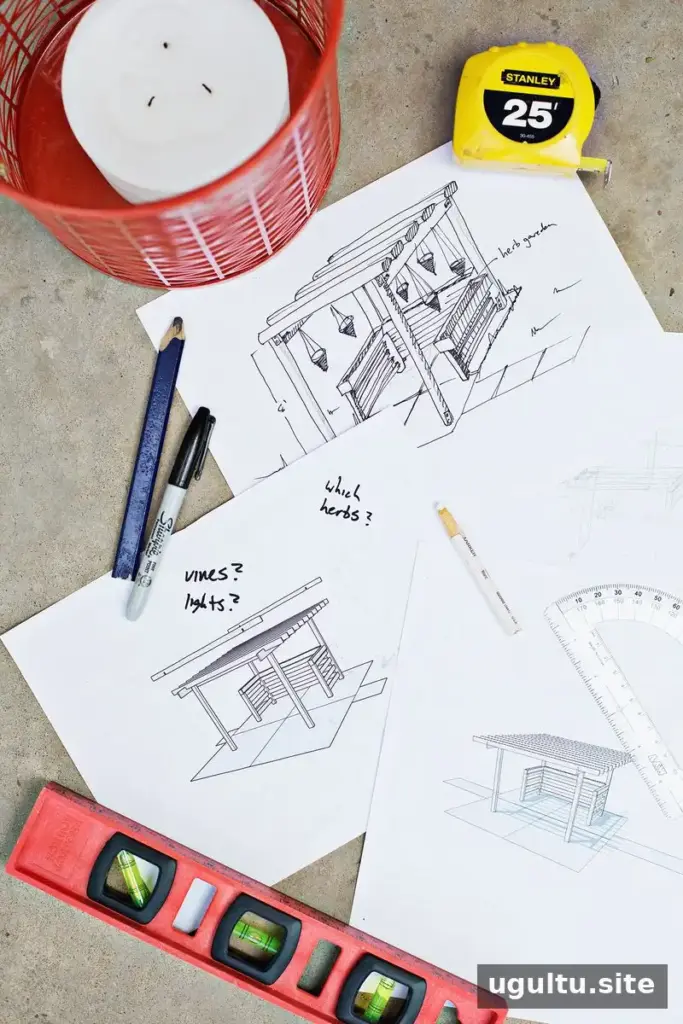
Rough sketches can help clarify the overall layout before you buy materials. A free 3D design program can then help you review proportions, dimensions, and how the structure will fit the available space. A drawing also makes it easier to estimate material quantities and spot design issues before construction.
For a large or load-bearing structure, ask a qualified builder or contractor to review plans if you are unsure about the design or your ability to build it safely. Local rules may also specify construction requirements, so confirm these before work begins.
Planning Checklist
- Measure the site and decide on a practical pergola size.
- Ask the local permit office which rules apply to your project.
- Choose materials based on weather exposure and how the structure will be used.
- Research plant safety and avoid relying on herbs as mosquito protection.
- Sketch the design and estimate materials and costs before purchasing.
Good preparation makes it easier to build your own pergola with a clear design, realistic budget, and a planting plan suited to the space. Confirm local requirements and material guidance before construction, and seek professional advice if any part of the project is beyond your experience.
— Josh