
 admin


Concealer contouring can add soft definition and dimension without the dramatic look of more complex highlighting and contouring techniques. This straightforward approach uses three concealer shades and a few simple blending steps, making it a practical option for everyday makeup or occasions when you expect to be photographed.
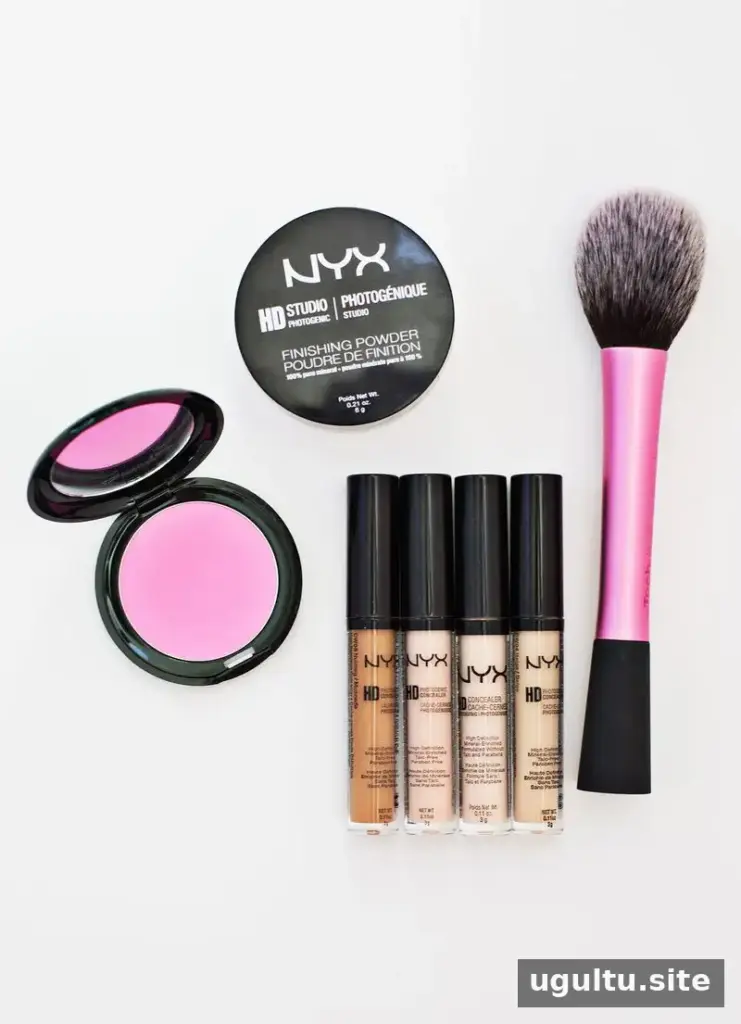
What You Need for Concealer Contouring

Choose three concealers: one that matches your skin tone, one slightly darker, and one slightly lighter. A difference of about one or two shades in either direction is usually enough for a subtle result. Choosing shades close to your natural skin tone can make blending easier and help avoid harsh lines.
Use a base product that suits your routine, such as tinted moisturizer, BB cream, or light foundation. You can blend with clean fingers or a makeup brush. If you use a brush, keep a clean one available for the highlight shade.
How to Apply Concealer Contouring
-

Apply your base. Smooth on your usual base product before adding the contour and highlight shades. A thin, even layer can help the concealer blend more smoothly.
-

Conceal specific concerns. Apply your matching shade to areas such as under-eye darkness or blemishes. Use a small amount and add more only if needed.
-

Place the darker shade. Feel for your cheekbone and add three small dots just beneath it. Avoid sucking in your cheeks to find the placement, as this can lead to applying product too low and too close to the mouth. For added definition, you can also place a little along the jawline or near the top of the forehead. These areas are optional; choose placement based on the effect you want.
-
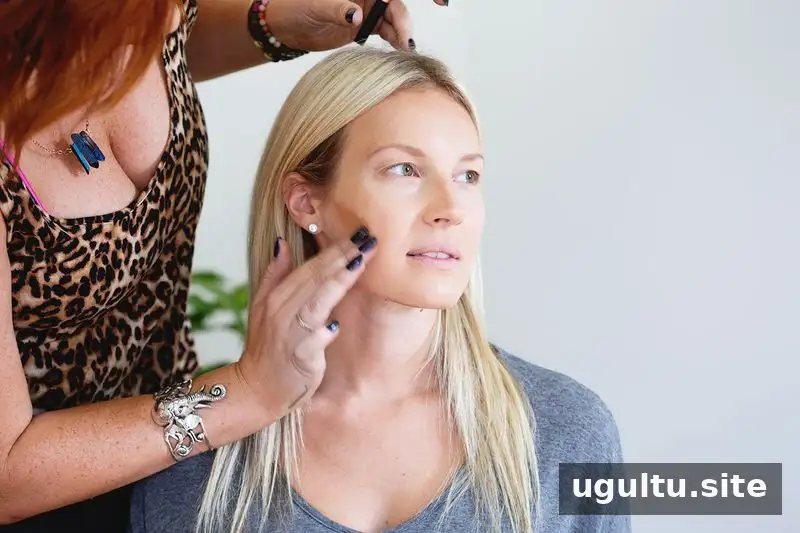
Blend the contour. Use your fingers or a brush to soften the edges until the darker shade looks even and there are no obvious lines. Work gradually rather than spreading the product over a larger area than intended.
-

Add the lighter shade. Dot it on the cheekbones, inner corners of the eyes, bridge of the nose, and Cupid’s bow. Keep the application light, especially if you are new to the technique.
-

Blend the highlight. Blend the lighter concealer gently. Clean your fingers or brush first so traces of the darker shade do not mix into the highlight.
-

Check and set. Look at your makeup in good lighting to check that the shades are blended smoothly. If you are satisfied with the finish, set it with translucent powder.
-

Finish with blush. Add blush if desired to bring warmth back to the face and complete the look.





Tips for a Natural Concealer Contouring Finish

Start with a small amount of product and build coverage slowly. This gives you more control and makes it easier to correct placement before the concealer sets. If the result looks too strong, use a clean brush or sponge to soften the edges. Practice can help you find the placement and amount that work best for your face.
Concealer contouring is a simple way to create definition with familiar makeup products. For a balanced result, keep the darker shade close to the cheekbone, blend both shades carefully, and check your makeup in natural or otherwise clear lighting before finishing. By AnnaRose


