
 admin


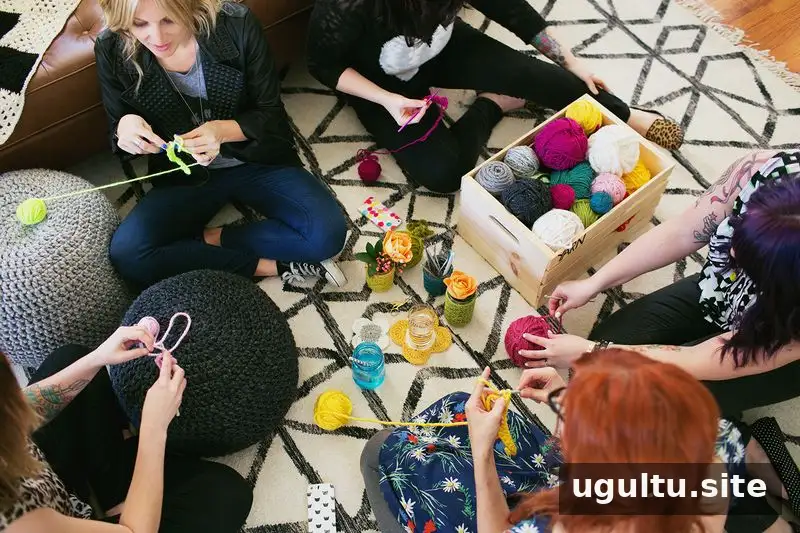
Crochet basics are easy to approach with a few simple supplies and a pattern you can follow at your own pace. This guide introduces the tools, yarn weights, hook sizes, gauge, and common abbreviations that help beginners get started. The series was created with Holly Neufeld to explain essential crochet skills and support new makers as they learn.
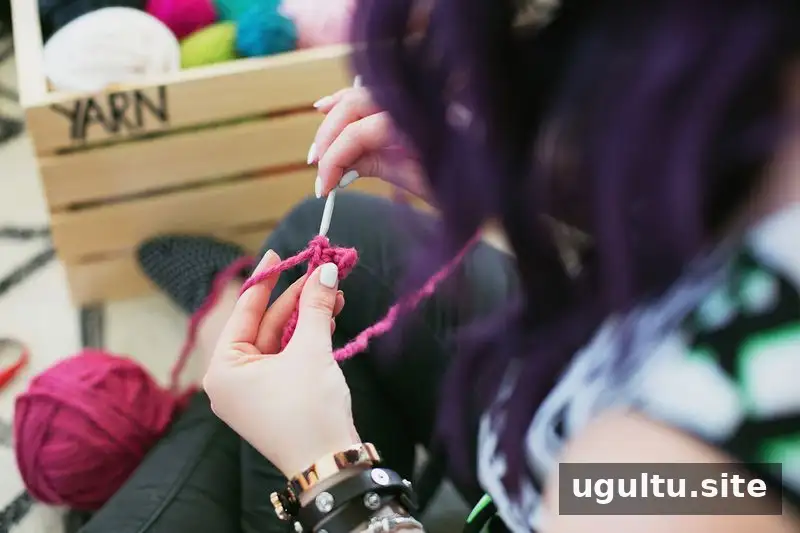
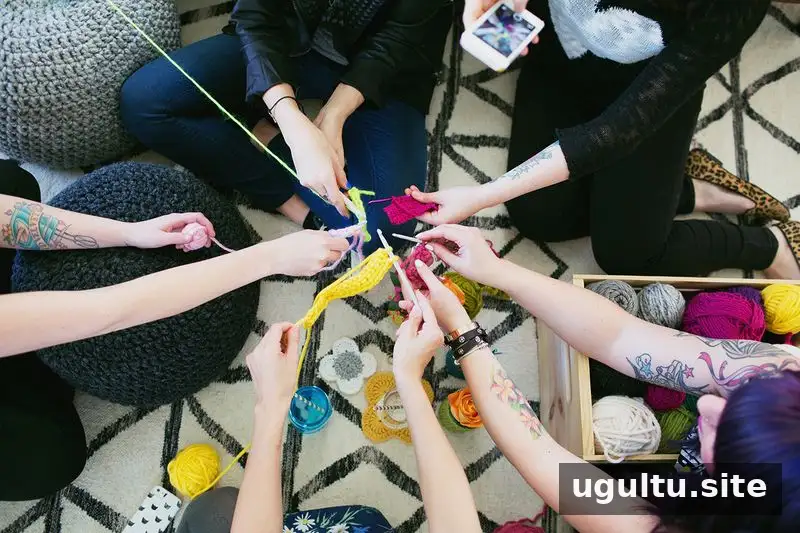

Crochet is a portable craft that requires only a hook and yarn to begin. With practice, the same basic skills can be used to make items such as scarves, dishcloths, hats, cowls, and amigurumi. Start with a small, straightforward project so you can focus on managing the yarn and forming consistent stitches.
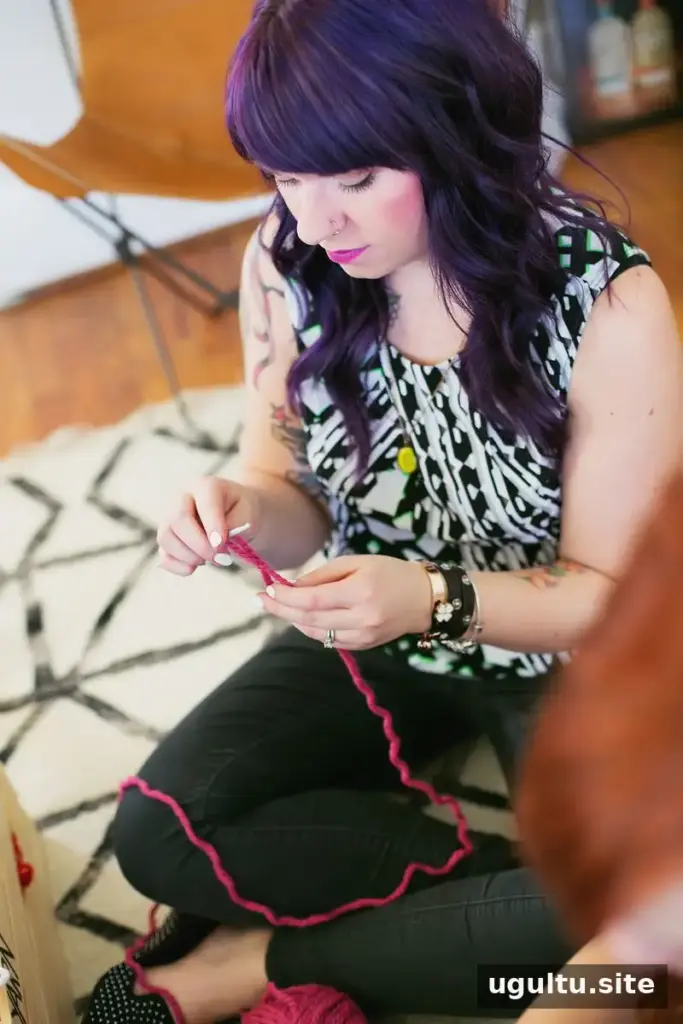
The aim of this guide is to make the hobby easier to understand and help you build the skills needed to create useful items and handmade gifts. Take your time with each new technique; repeating a simple stitch is a practical way to become more comfortable before moving on to a more complex pattern.
Crochet Basics: Supplies and Yarn Weights
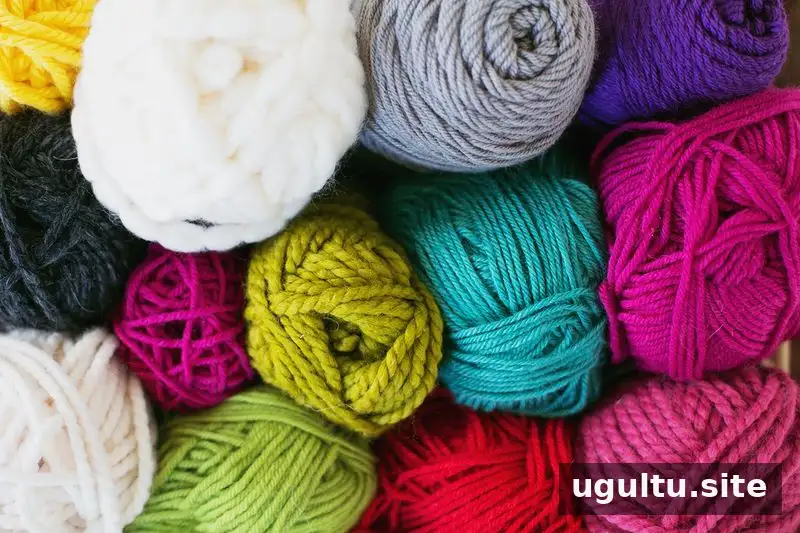
To begin, gather yarn, a crochet hook, and scissors. A measuring tape and a tapestry or darning needle are also useful for checking your work and weaving in yarn ends.
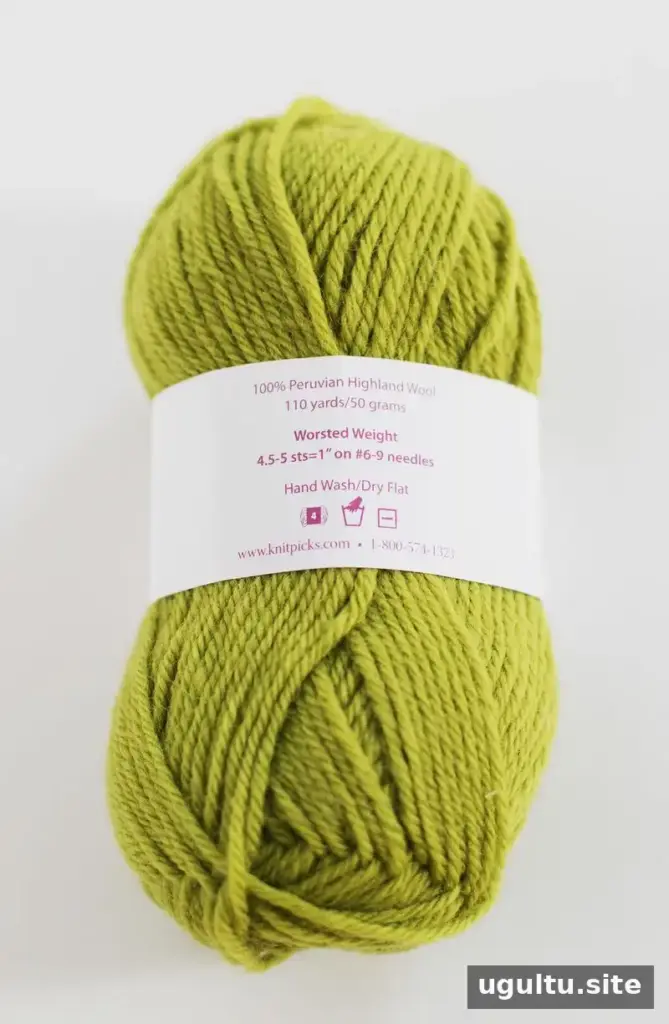
If you have a project in mind, check its pattern for the recommended yarn weight. Yarn labels usually show a numbered weight symbol. The categories listed here are:
- 0: Lace (or fingering)
- 1: Superfine (or sock)
- 2: Fine (or sport)
- 3: Light (or DK, light worsted)
- 4: Medium (or worsted, afghan, aran)
- 5: Bulky (or chunky)
- 6: Super Bulky
Using the weight specified by the pattern helps the finished item match its intended size and texture. When shopping, check the label rather than relying on how thick the yarn looks, since yarns can vary.
Choosing a Hook and Checking Gauge
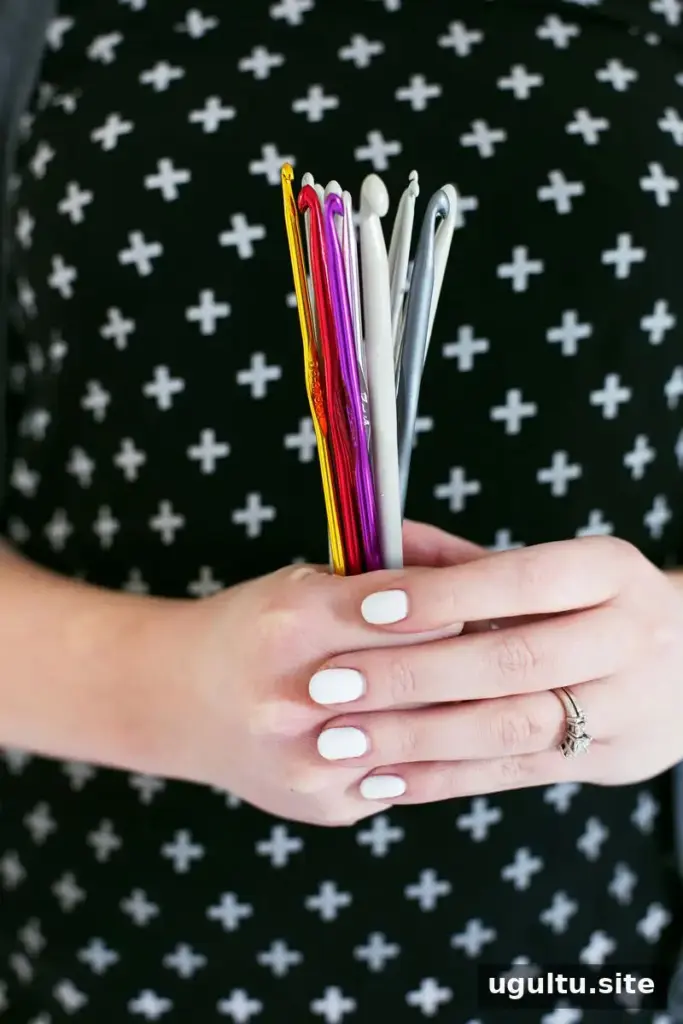
The appropriate hook depends on the yarn and project. Yarn labels often suggest a hook size in millimeters or letter sizing; the pattern may also give a recommendation. The ranges below are the ones provided for each yarn weight:
- 0: Lace, 1.6–1.4 mm (steel hook)
- 1: Superfine, 2.25–3.5 mm
- 2: Fine, 3.5–4.5 mm
- 3: Light, 4.5–5.5 mm
- 4: Medium, 5.5–6.5 mm
- 5: Bulky, 6.5–9 mm
- 6: Super Bulky, 9 mm and larger
Gauge describes how many stitches fit within a specified measurement, often 4 inches. To check it, crochet a 4-inch section of single crochet stitches and compare the stitch count with the pattern. If your gauge differs, changing hook size may help; recheck the measurement before continuing, especially for a fitted garment.
How to Hold the Hook and Yarn
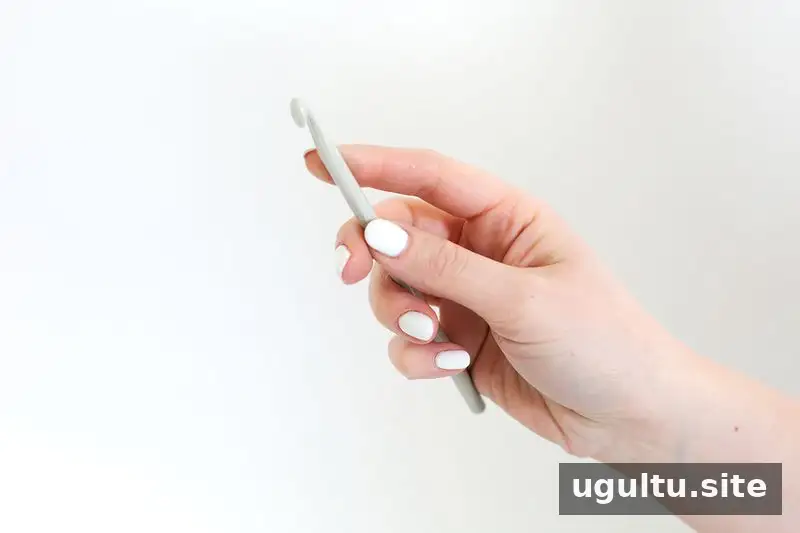
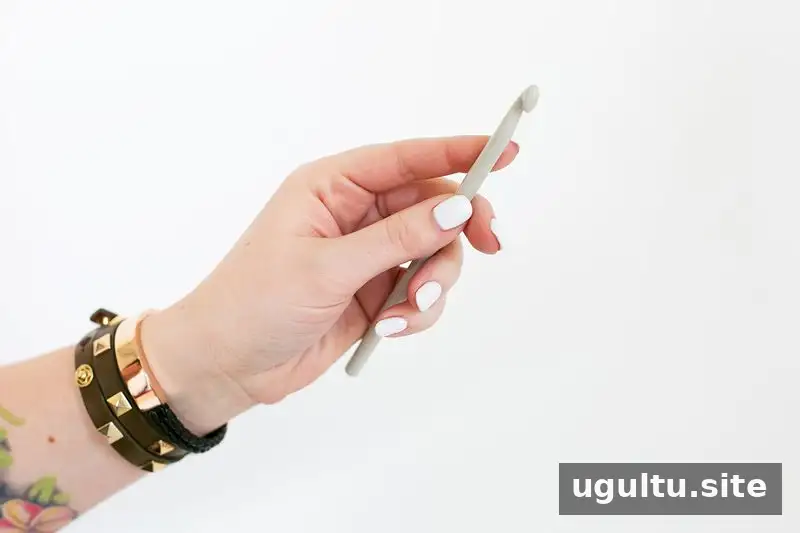
For a first practice session, choose medium or bulky yarn with a suitable hook, as the stitches can be easier to see. Hold the hook in your right hand with the hooked end pointing upward, between your thumb and middle finger. Use your index finger to guide the yarn, and rest the handle against the outer edge of your hand. Your ring and little fingers can help keep it steady without gripping tightly.
If you are left-handed, reverse the hand positions and follow the same steps in the opposite direction. Keep your grip relaxed; a comfortable hold makes it easier to maintain even tension.
Reading Crochet Patterns and Abbreviations
Patterns use abbreviations to keep instructions concise. Most designers and publishers use familiar terms, but a pattern may define special abbreviations at the beginning. Read those notes before starting, and check whether the pattern uses US or UK terminology, since some stitch names differ between systems.
- beg: beginning
- ch, chs: chain, chains
- ch sp: chain space
- dc: double crochet
- dc2tog: double crochet two stitches together
- dec: decrease
- hdc: half double crochet
- inc: increase
- rep: repeat
- rnd, rnds: round, rounds
- sc: single crochet
- sc2tog: single crochet two stitches together
- sl st: slip stitch
- st, sts: stitch, stitches
- tog: together
- tr: treble crochet
- yo: yarn over
A chain space is an opening made by chain stitches, often when the next stitch is skipped. If a pattern says “4dc in ch sp,” work four double crochet stitches into that opening rather than into the top of a stitch. Granny squares commonly use chain spaces.
Brackets and parentheses group instructions. Follow the pattern to learn how many times to repeat the steps inside them; in some patterns, the grouped stitches are worked into the same stitch. Asterisks also mark repeats. For example, “Row 2: Dc in next 5 sts; *ch 1, skip next st, dc in next st; rep from * to end of row” means to repeat the instructions after the asterisk until the end of the row.
Build Confidence with Crochet Basics
Understanding yarn weights, hook sizes, gauge, and pattern abbreviations makes a new project more manageable. Begin with a simple pattern, keep its abbreviation key nearby, and check your stitch count as you work. These crochet basics provide a foundation for learning additional stitches and trying more detailed patterns. —Holly Neufeld


