
 admin
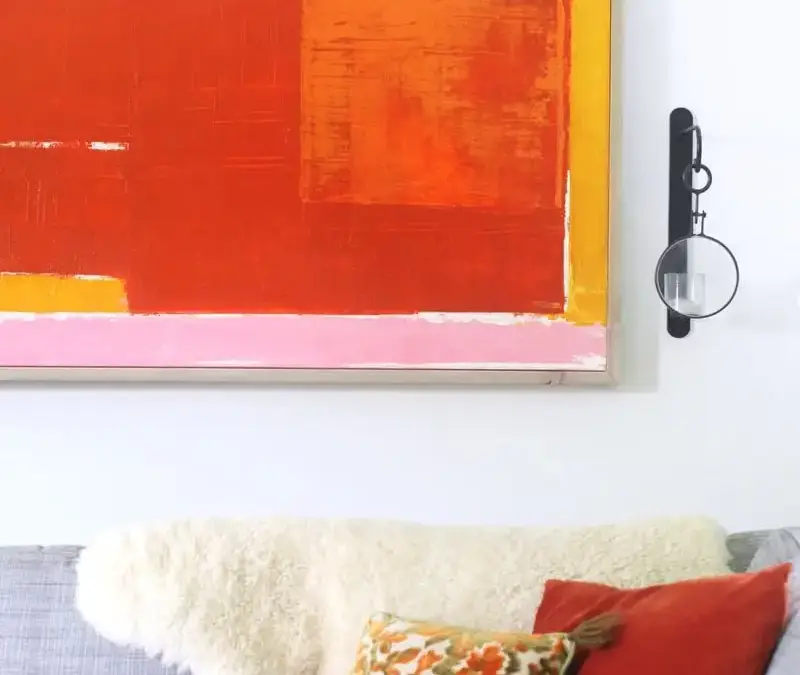
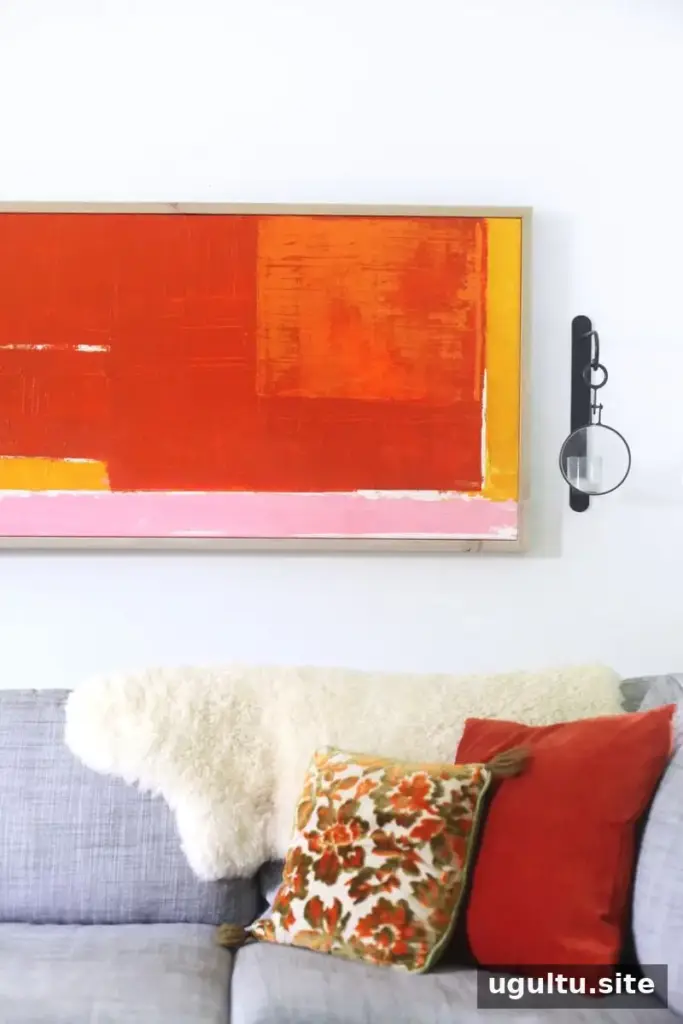
Easy abstract art can add color and texture to a room without requiring a large art budget or advanced painting skills. With acrylic paint, a primed canvas, and a few spreading tools, you can build an original composition one layer at a time. This guide follows the process used by Mandi, with practical tips for preparing your workspace and experimenting with texture.
Materials for easy abstract art
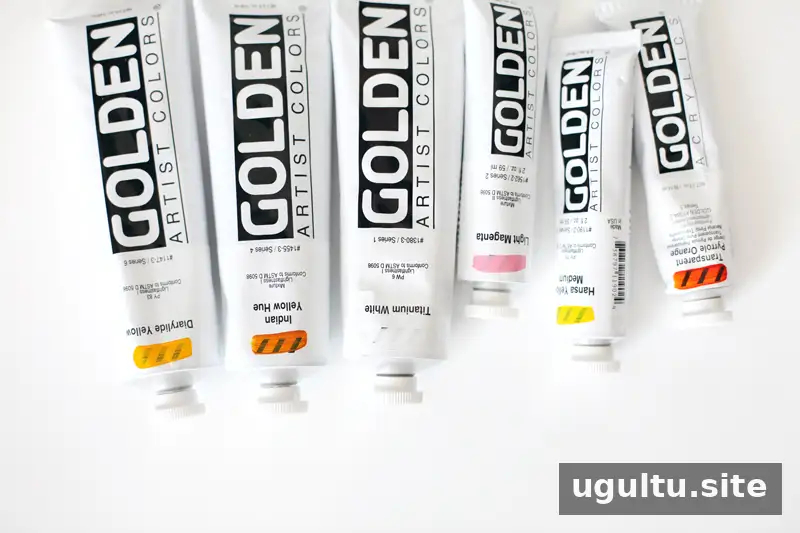
The materials used for this painting were heavy-weight acrylic paints in similar hues, a pre-stretched and primed canvas, several drywall spatulas, and a large painter’s brush. A coated masonite board served as a mixing surface. Working with related colors makes it easier to blend shades while keeping the palette cohesive.
Prepare your canvas and paint
Set up the canvas on a stable easel or work surface. In this project, the canvas was attached to a wall because no easel was available, but paint splashed onto the wall and required touch-ups. If you use a wall, protect it and the floor with a suitable covering, and secure the canvas firmly before painting.
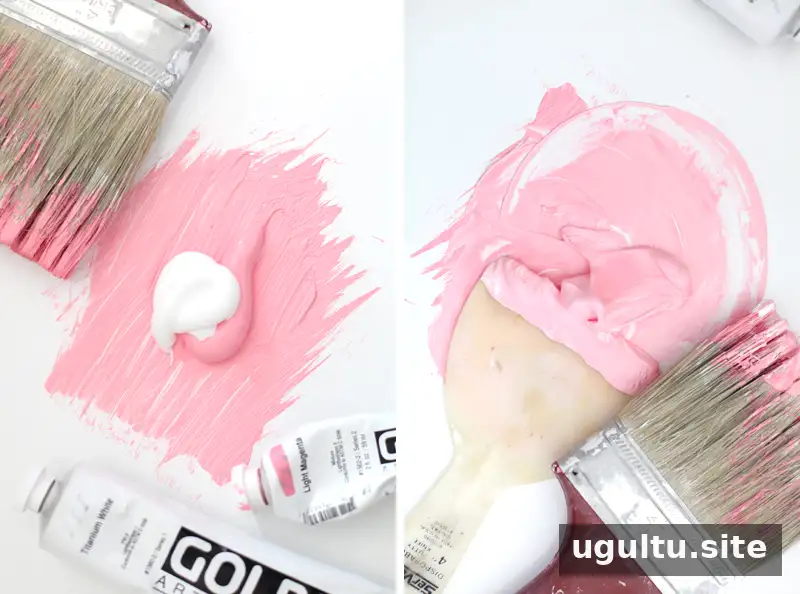
Mix acrylic colors on a dedicated palette or coated board, using a spatula to combine them. A small amount of water can help acrylic paint spread more easily, though adding too much may make the paint less textured. Oil-based paint generally takes longer to dry, and thinning it requires an appropriate chemical paint thinner. Follow the product instructions and provide suitable ventilation when using thinners.
Build the painting in layers
1. Apply the first color
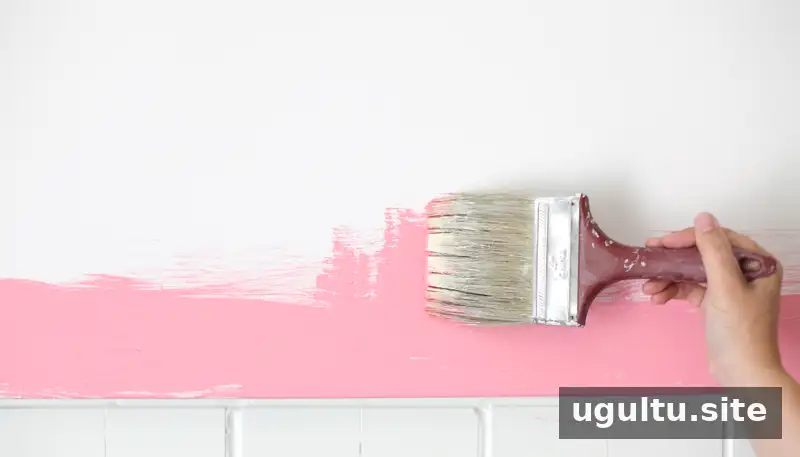
Spread light magenta across the canvas with a spatula, then work it over the surface with a wide painter’s brush. Cover the edges of the front surface. The sides can be left unpainted if the canvas will be framed later. Allow the first layer to dry before adding the next one so the colors remain distinct.
2. Add a lighter pink layer
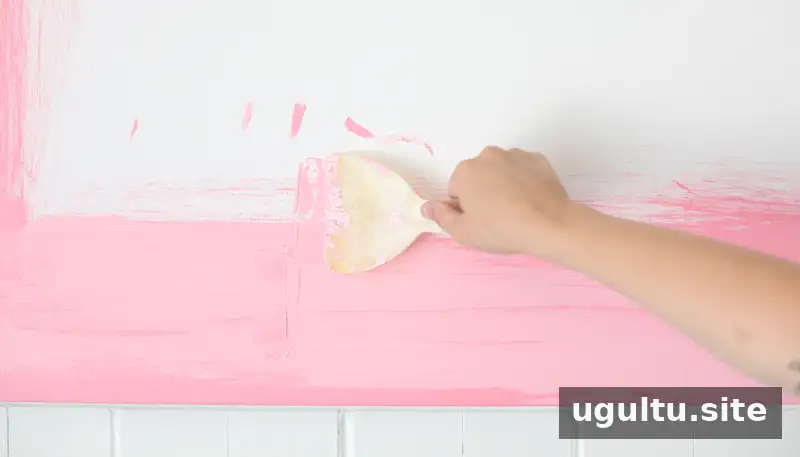
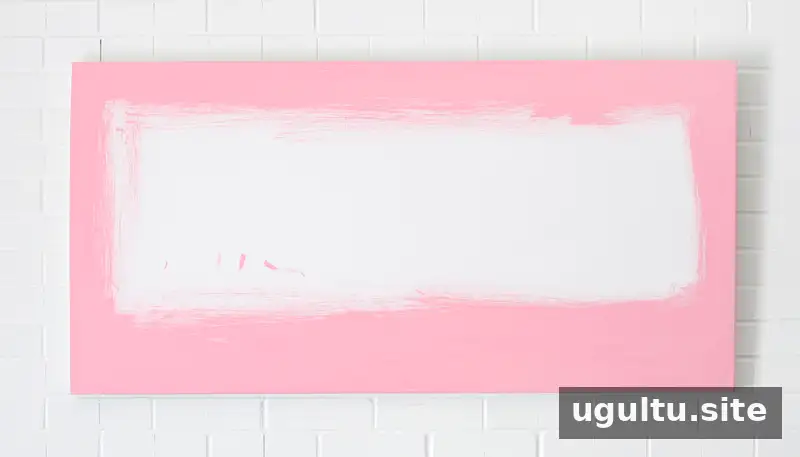
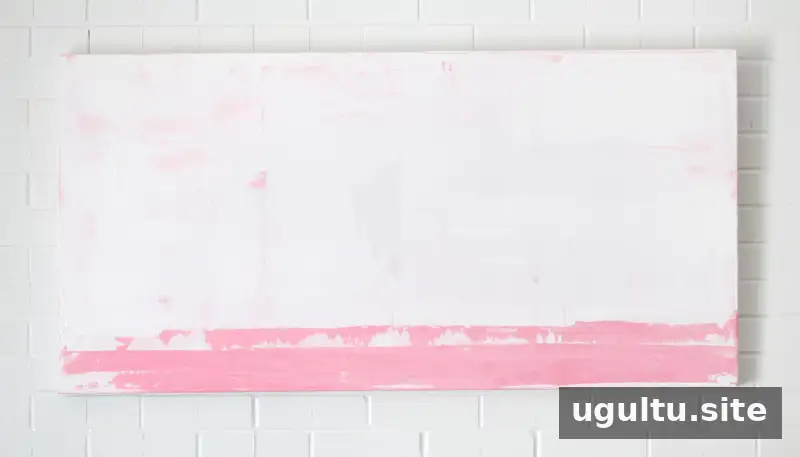
Mix white paint into the light magenta to create a paler shade. Use a spatula to drag this color across the dried pink layer, leaving parts of the darker color visible. Varying the pressure and direction of each stroke creates texture and keeps the surface from looking too uniform.
3. Introduce white paint
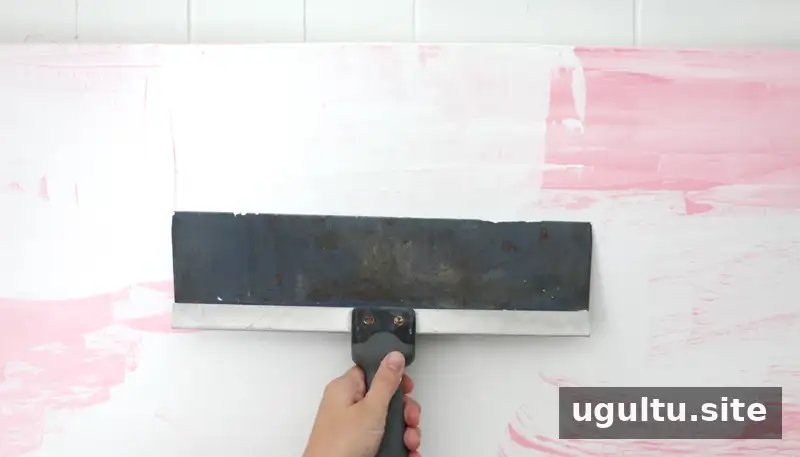
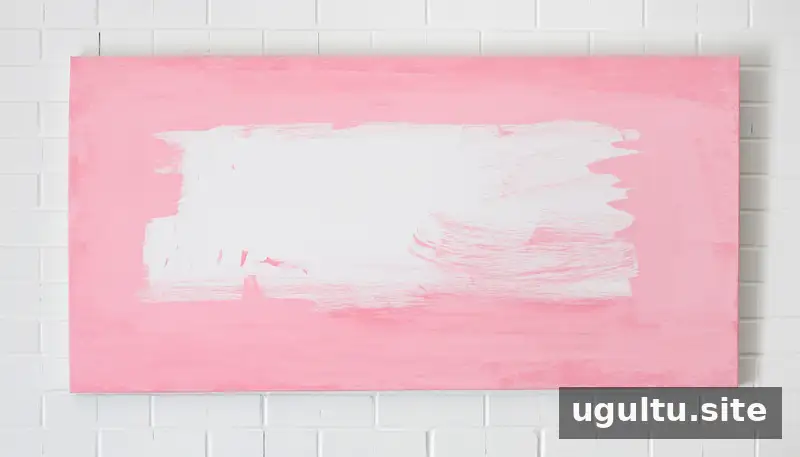
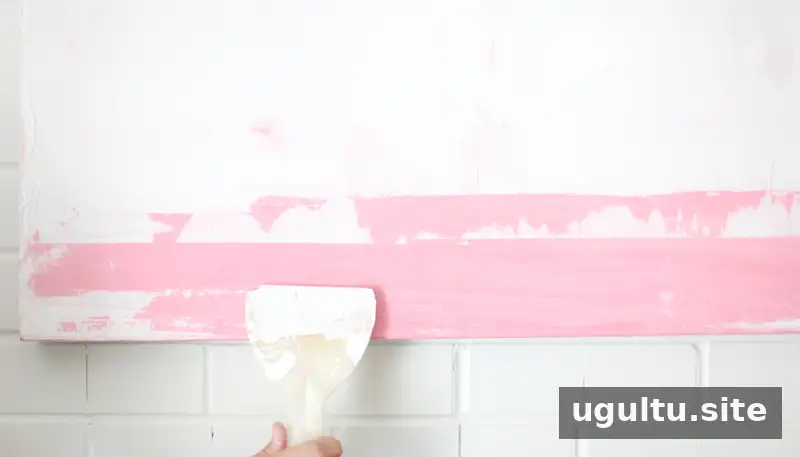
Once the second pink layer is dry, spread undiluted white paint over parts of the canvas with a wide spatula. Broad strokes can cover much of the upper area; a smaller spatula can add lines and smears near the bottom. Leaving some pink visible helps connect the new marks with the layers underneath.
4. Add yellow and orange
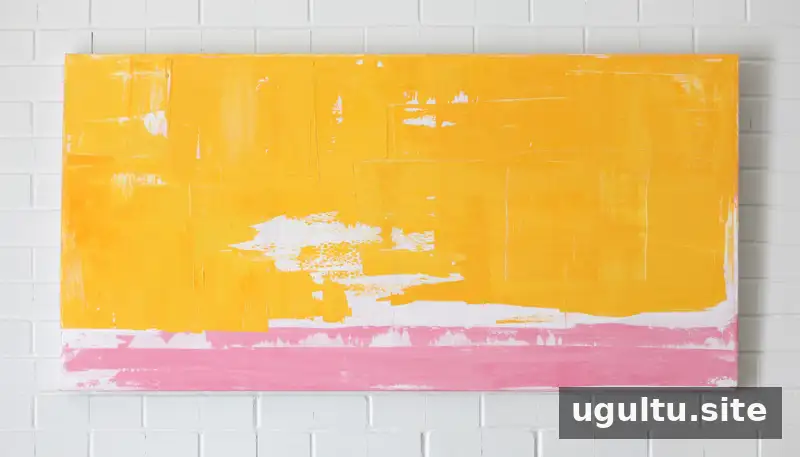
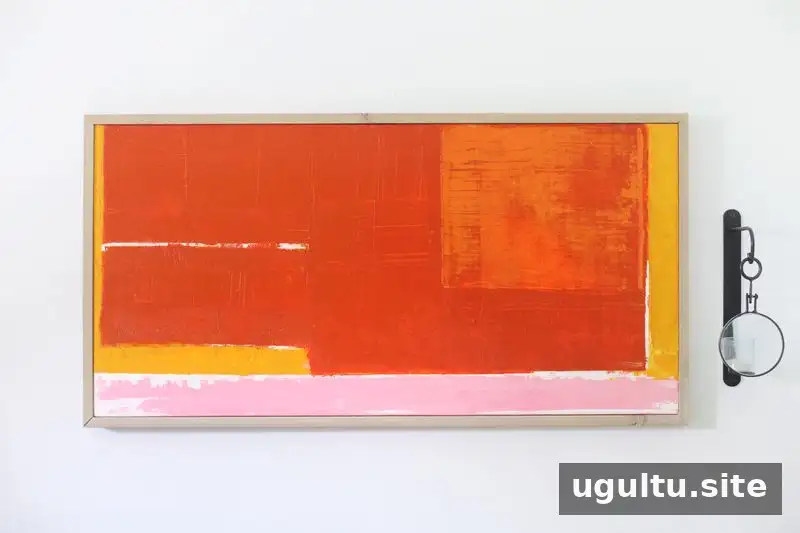
After the white paint dries, use a wide spatula to drag yellow paint across selected areas. Mix in a little light orange to create two related tones. If the yellow becomes too prominent, wait for the layer to dry before adding more orange. In this painting, additional orange created a bolder area, while stippling with the wide brush softened its edges and added surface texture.
Keep checking the composition as you work. You can adjust the balance by adding paint over areas that feel too strong or too faint. Let each layer dry before covering it, and keep extra paint available if you expect to apply several coats.
5. Finish with small accents
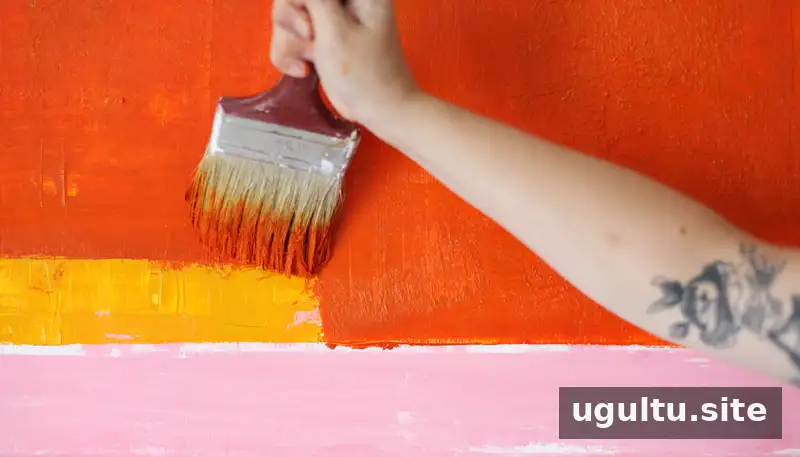
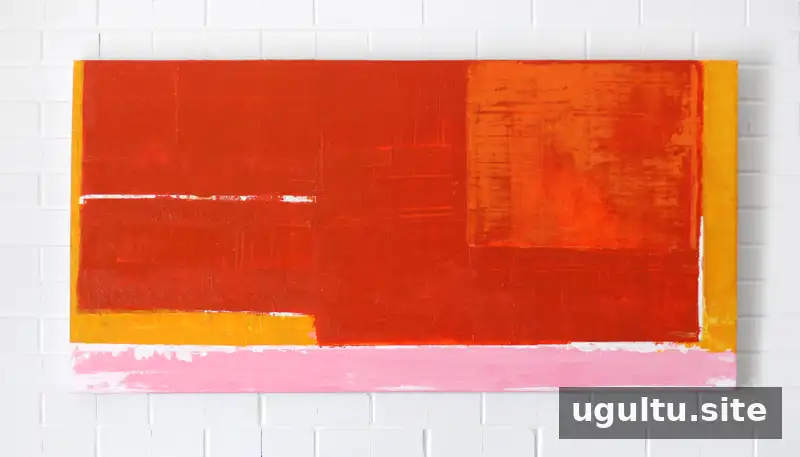
More paint was added over the yellow to give those areas a stronger presence. The edge of a wide spatula created additional white lines, while lighter orange dragged across the upper-right corner formed a textured square. Wiping excess paint from the spatula before making another pass can help control how much color is deposited.
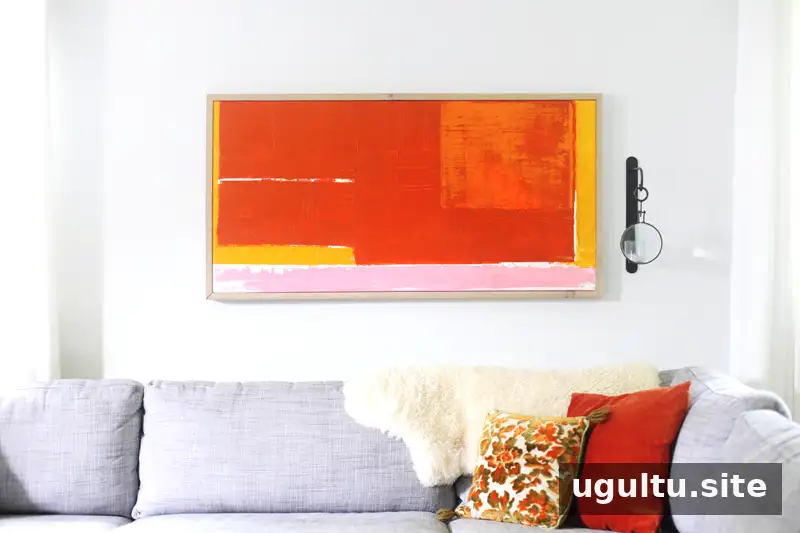
Final tips for easy abstract art
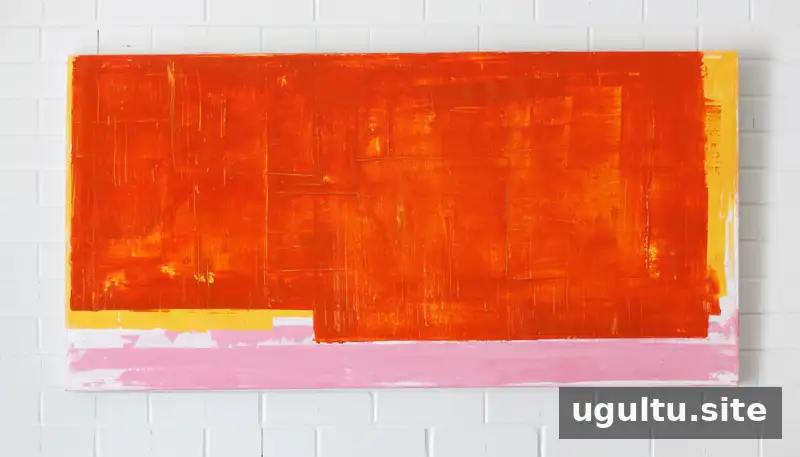
Layering gives you room to revise a composition as it develops. If a section does not look right, let it dry and add another color or texture rather than trying to fix everything while the paint is wet. Step back from the canvas occasionally to assess the overall balance, and stop when the painting feels complete. This easy abstract art process was created by Mandi.


