admin
Learning how to decorate a rental can make a temporary home feel more personal without requiring major renovations. These ideas draw on experience across nine moves and homes ranging from 550 to 2,400 sq. ft., including apartments and a Victorian home. The key is to make thoughtful changes that suit your space, budget and lease—and to keep track of anything that needs to be restored before moving out.
How to Decorate a Rental: 10 Practical Tips
1. Update dated light fixtures
Outdated or unattractive light fixtures can affect the feel of an entire room. Where the fixture is designed to be changed, replacing it with a style that better suits your home can make a noticeable difference. Store the original parts safely and reinstall them before you leave. Check your lease and ask the landlord before making electrical changes; use a qualified electrician when needed.
2. Plan your room layout before moving
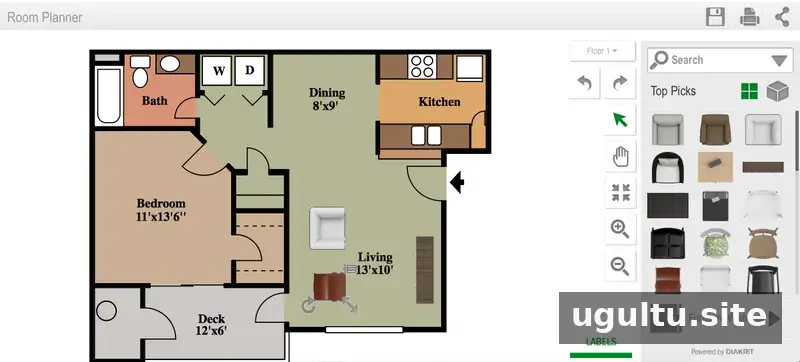
Measure rooms, doorways and large furniture before moving day. A floor plan or room-planning tool can help you test arrangements and check whether key pieces will fit. This is especially useful in smaller homes, where a few inches can determine whether a sofa, desk or dining table works comfortably.
3. Add wall art with care
Artwork and gallery walls can make plain walls feel finished. Plan the arrangement on the floor first, then measure the spacing and height before hanging anything. Review your lease for rules about nails or anchors, and keep track of small repairs you may need to make when moving out.
4. Try removable wall treatments
Temporary wallpaper and removable vinyl decals can add color or pattern without a permanent redesign. They can also brighten the backs of shelves or other small areas. Test a product in an inconspicuous spot first, since some finishes may react differently to adhesive.
5. Use rugs to refresh a floor
A rug can cover a floor mark, soften a room or add contrast to neutral carpeting. Choose a size that suits the furniture arrangement rather than selecting one based only on the open floor area. A rug pad can help keep it in place and protect the flooring underneath.
6. Find flexible solutions for existing features
Some rental features may not be easy to change, but practical additions can improve how they work. For example, removable or freestanding panels can add a sense of privacy to a fence, provided they are secure and permitted. Look for options that can be taken apart and moved to your next home.
7. Choose furniture that serves more than one purpose
Multi-use pieces can make small or changing layouts easier to manage. Consider storage ottomans, desks that can double as dining tables, or shelving that works in different rooms. Before buying, check the item’s dimensions and think about whether it will suit more than one possible floor plan.
8. Refresh a room with accessories
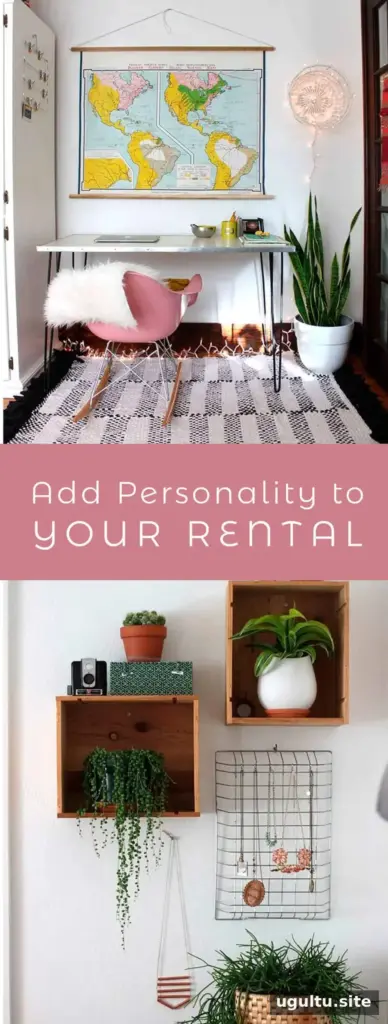
Throw pillows, lamps, framed art and secondhand finds can update a room without replacing larger furniture. Choose a few colors or textures that connect different pieces so the room feels coordinated. Accessories are also easy to pack and use again after a move.
9. Add plants for color and texture
Plants can bring natural color and varied shapes into a room. Arrange them at different heights using shelves or plant stands, and make sure each one gets appropriate light. If your schedule is busy, select plants suited to your home’s conditions and watering routine.
10. Make storage part of the design
When closet space is limited, a bookcase or freestanding wardrobe can provide useful storage. Baskets and boxes help keep open shelves tidy, while a tension rod may create a simple hanging area where appropriate. Secure tall furniture as recommended by its manufacturer, and avoid alterations that conflict with your lease.
Make your rental feel like home
The best approach to how to decorate a rental is to focus on changes that are practical, reversible and suited to your daily routine. Measure before buying, check your lease before modifying fixtures or walls, and keep original fittings and hardware together. With flexible furniture, considered accessories and useful storage, a rental can feel distinctive while remaining ready for the next move.