admin
Choosing easy-care houseplants can make it simpler to add greenery to your home, even if you are new to indoor gardening. These five options are known for being relatively low-maintenance and can suit a range of rooms and lighting conditions. Keep in mind that light and watering needs vary by plant and by home, so check care instructions when you bring a new plant home.
Five easy-care houseplants to consider
1. Philodendron
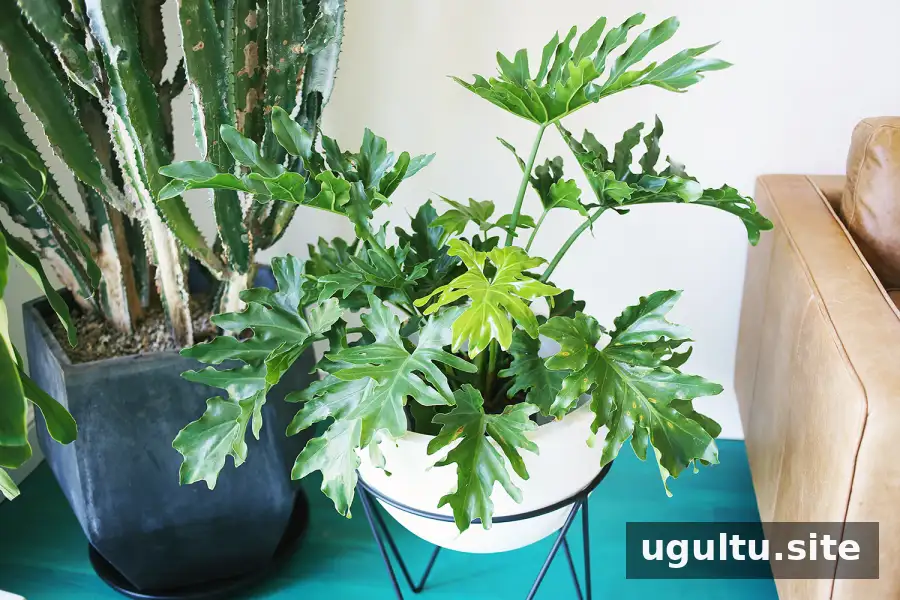
Philodendrons can grow in bright spaces, but they do not always need the strongest light available. They can also tolerate some variation in watering, although consistently soggy soil is best avoided. Many varieties grow larger over time, so leave room for their leaves and stems to spread.
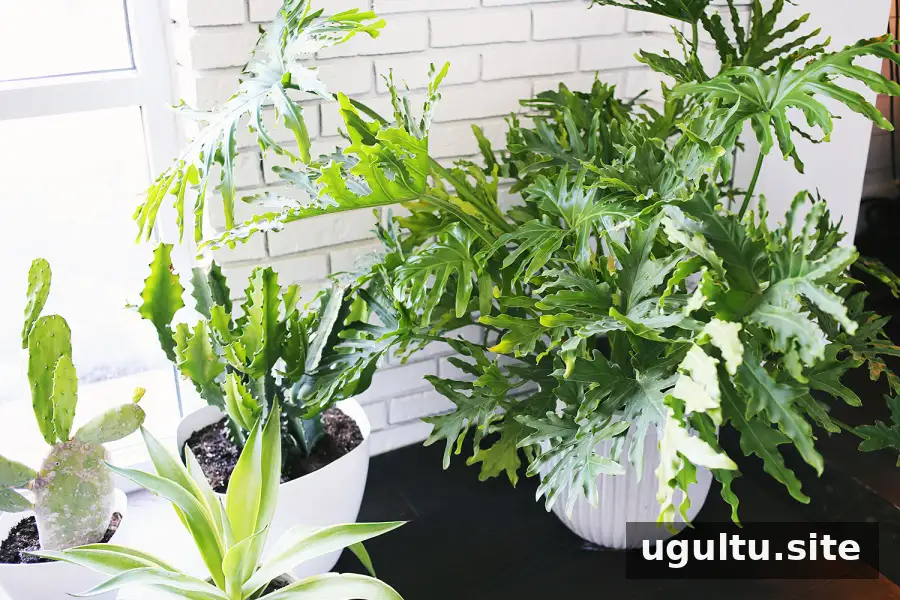
A growing philodendron may become noticeably larger over several months. Check its size and growth regularly to make sure it still has enough space.
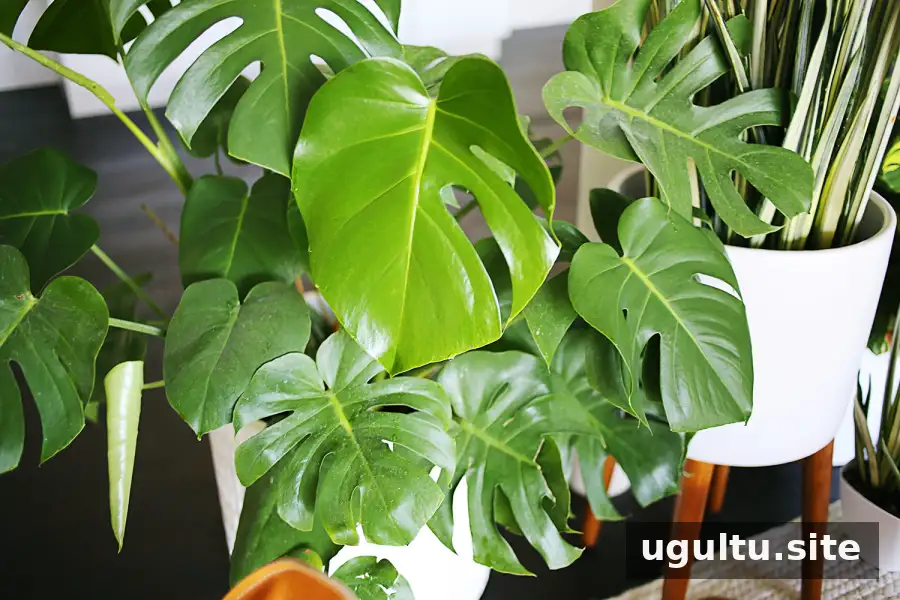
Split-leaf philodendrons offer a distinctive leaf shape and can be a good option for adding visual variety. As with other larger-growing plants, consider the space available before choosing a spot.
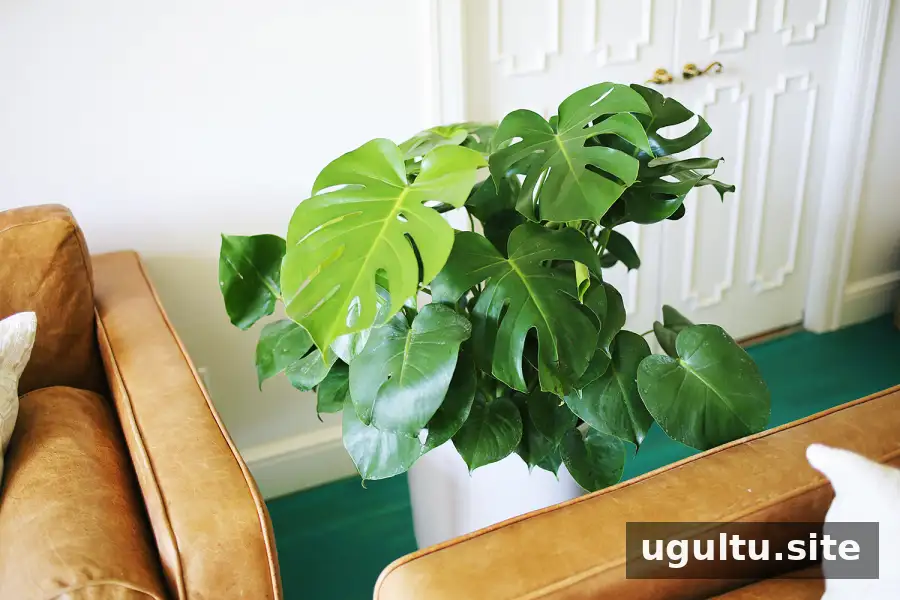
These plants can grow quickly in suitable conditions. If a plant begins to outgrow its location, adjust its position or plan for the extra space it may need.
2. Cactus
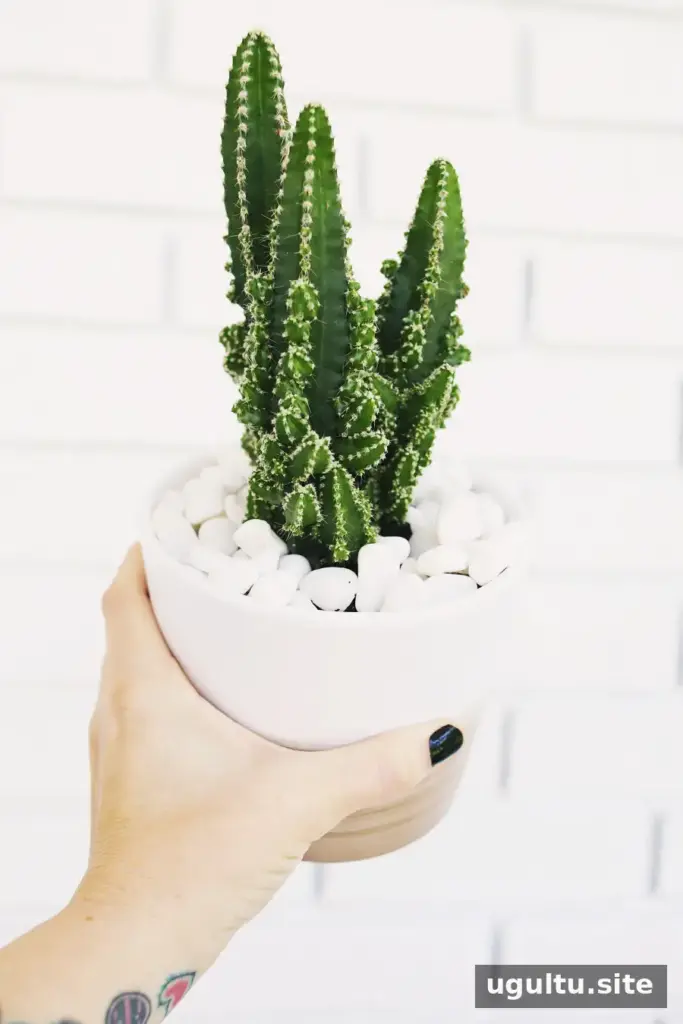
Cacti come in many shapes and sizes, making it easy to find one that suits your space. If children or frequent visitors may come into contact with a plant, consider a spineless variety or place a prickly cactus somewhere out of reach.
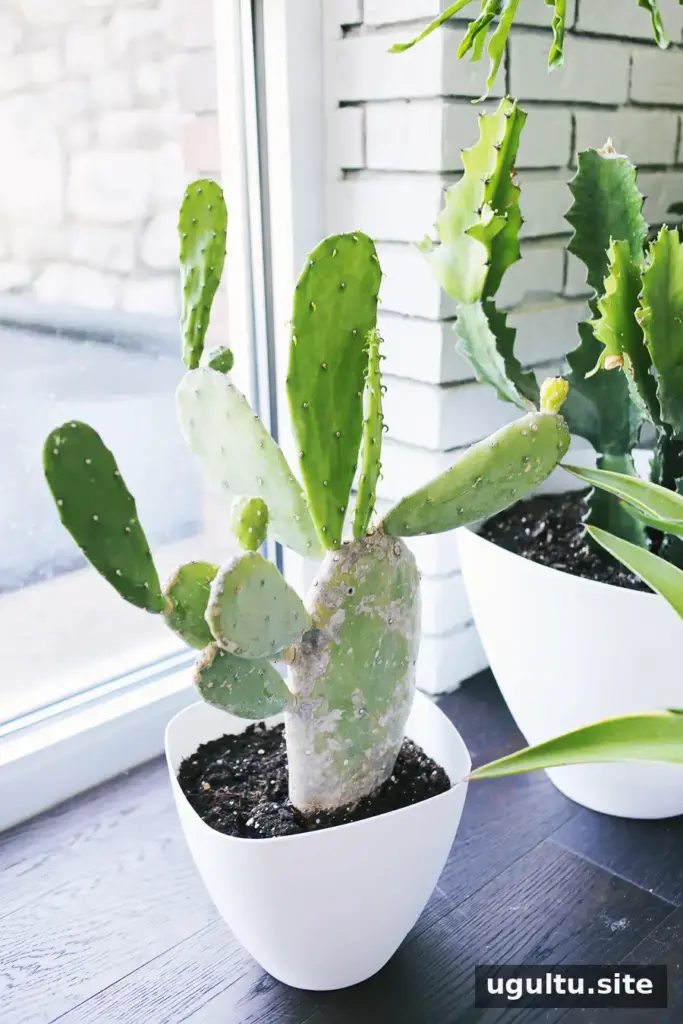
Prickly pear cacti can produce bright green new growth. Some varieties can tolerate outdoor winters in Tennessee, but cold tolerance differs between types. Check the specific variety’s needs before planting one outside.
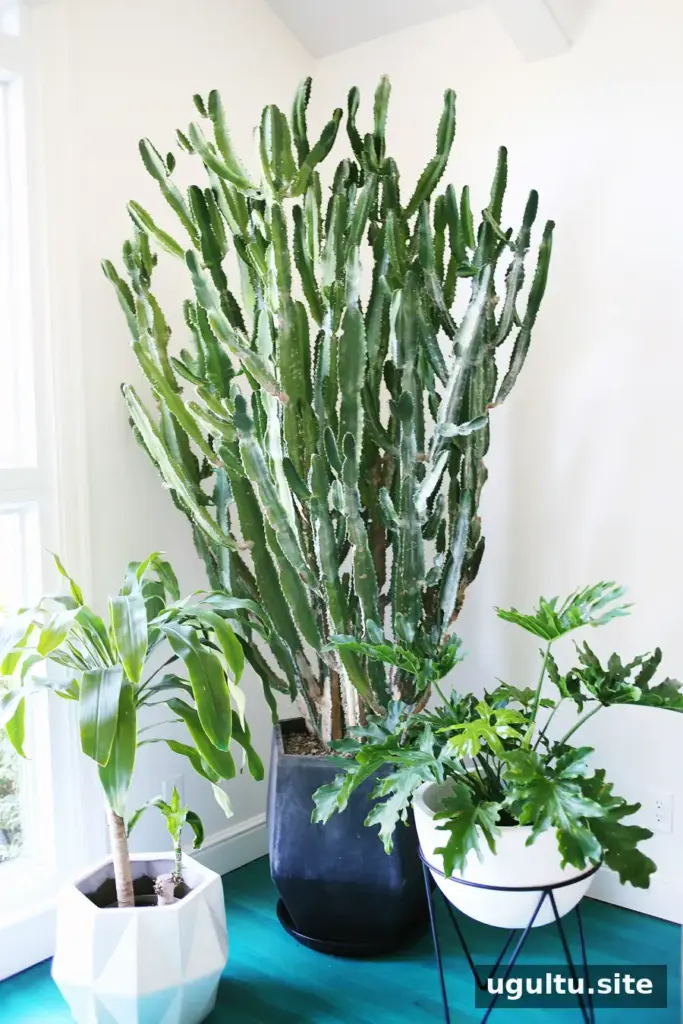
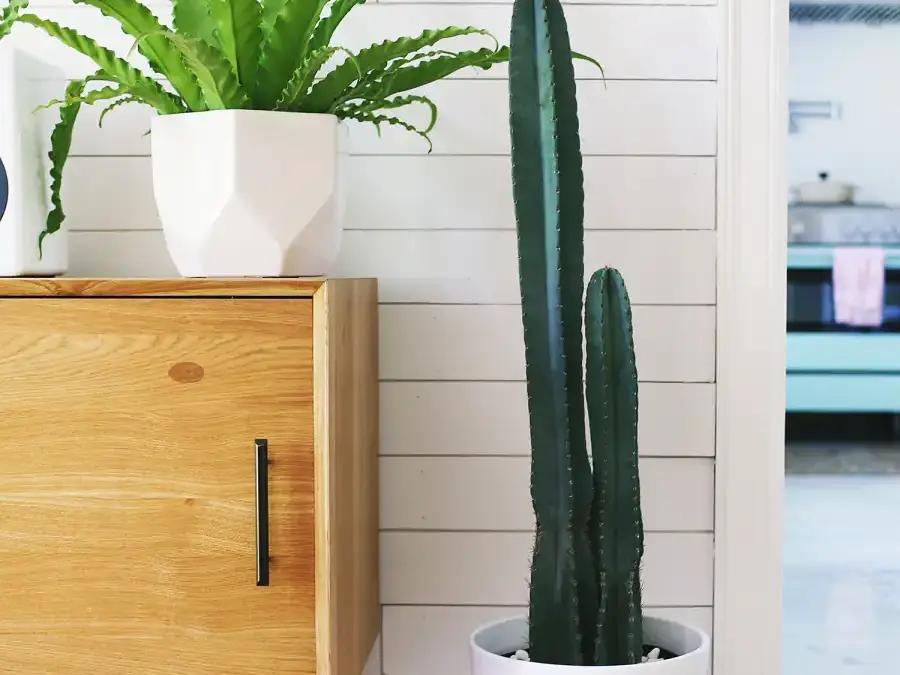
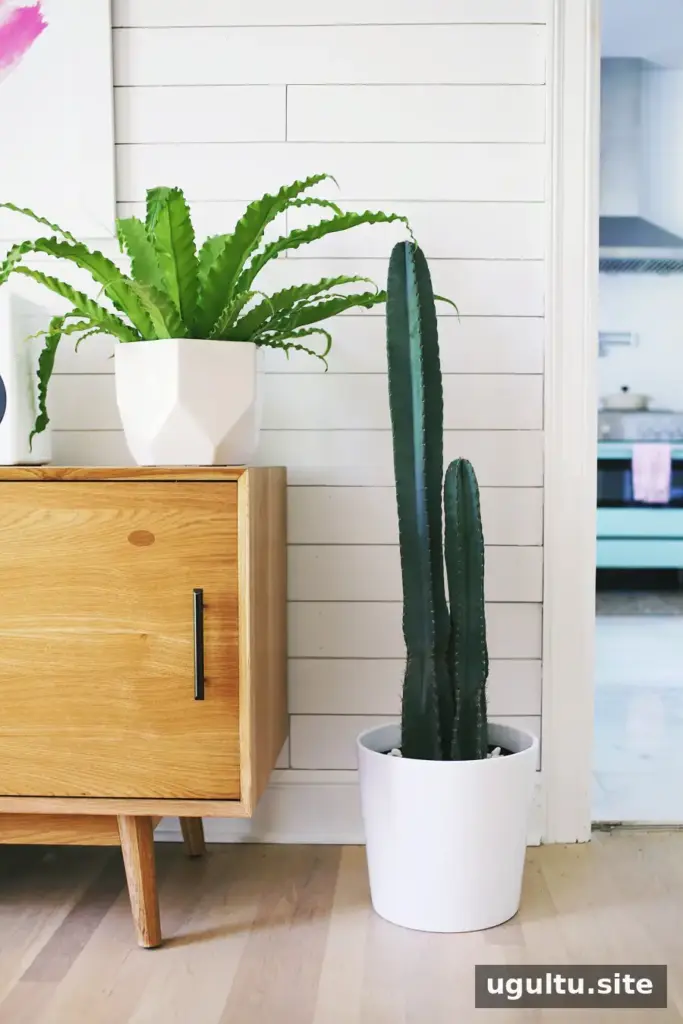
A large cactus can be a striking, low-maintenance feature. The example shown is watered about once a month, but this is not a universal schedule: follow the plant’s care label and consider its growing conditions before watering.
3. Snake plant
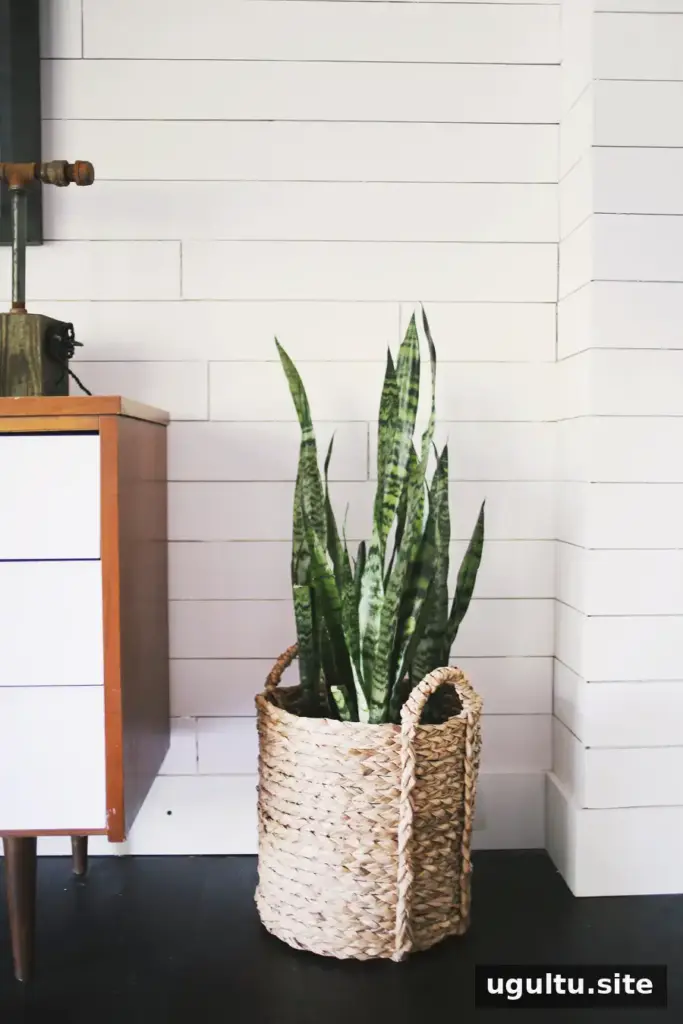
Snake plants are adaptable and can grow in lower-light rooms as well as brighter spaces. In brighter conditions, they may grow more. Their upright leaves also add a different shape and structure to a collection of houseplants.
4. Ponytail palm
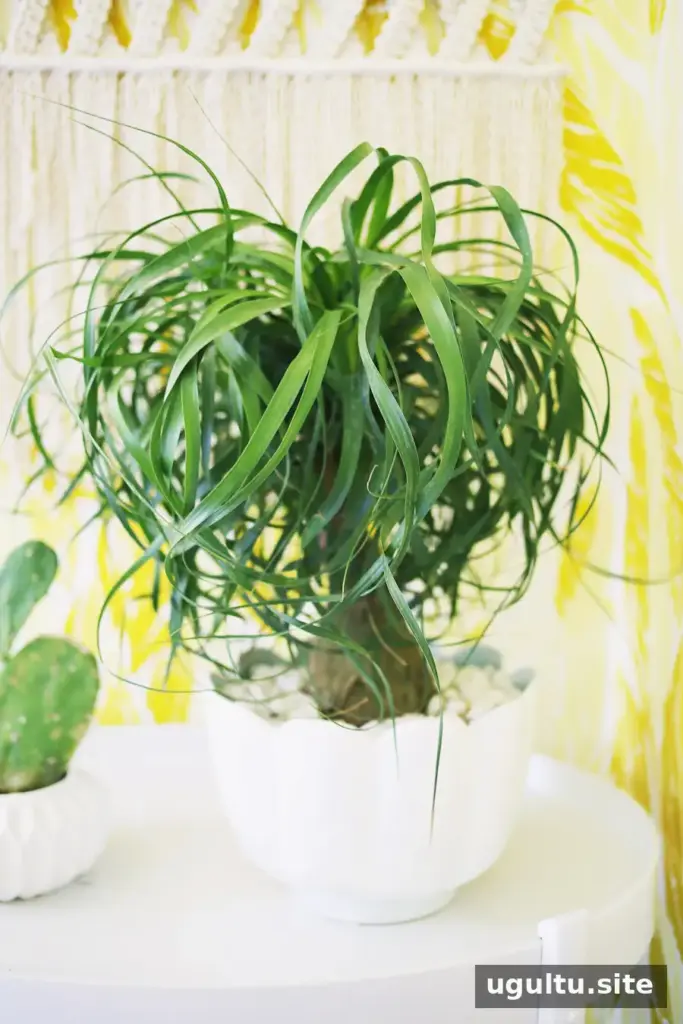
Ponytail palms have distinctive leaves that arch from a rounded base. They are often considered easy to care for and are available in different sizes. Although they are commonly recommended for lower-light settings, the examples shown have also been kept in rooms with higher light. Observe how your plant responds when choosing its location.
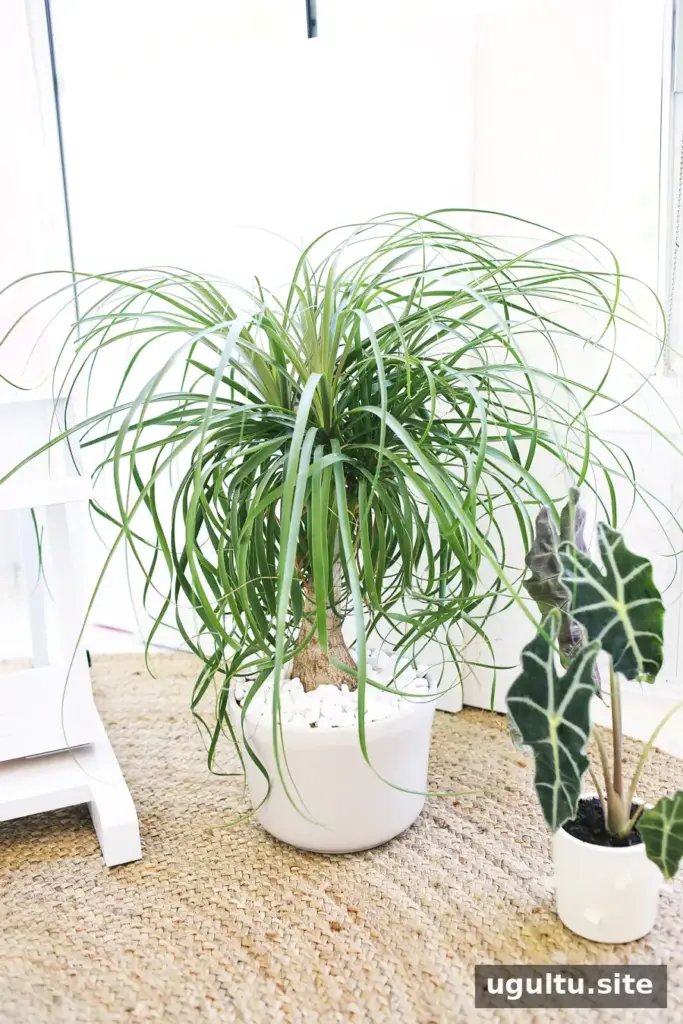
The long, flowing leaves give the ponytail palm its characteristic look. Avoid placing it where the foliage will be constantly disturbed or crowded.
5. Ivy
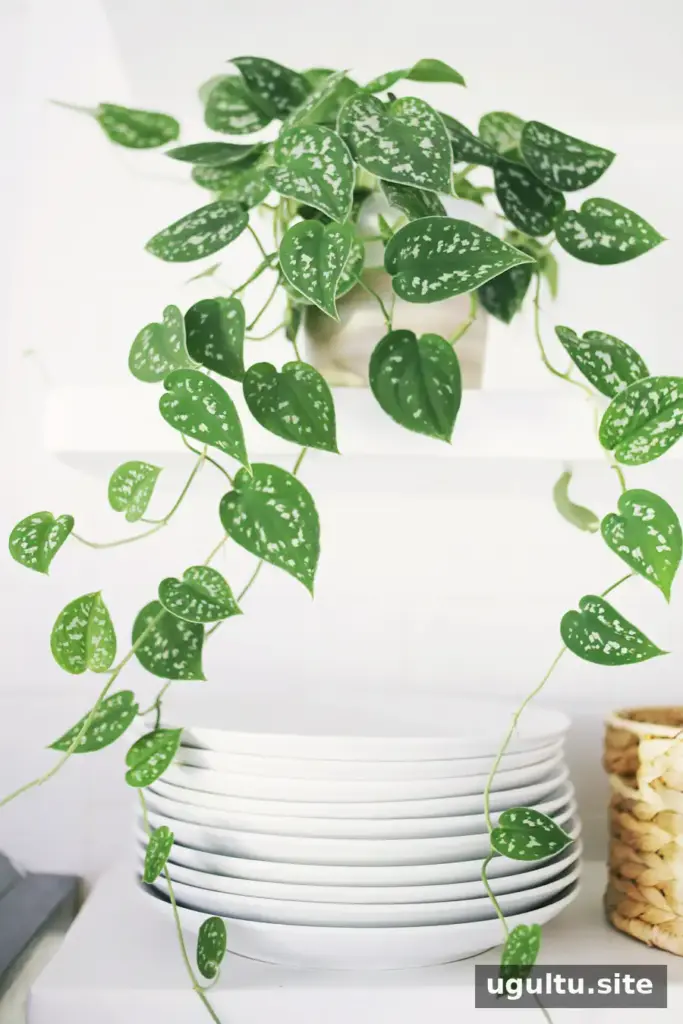
Ivy is a popular choice for hanging planters because its stems can trail and grow long. Give it enough room to hang freely, and check the leaves and soil regularly so you can adjust its care if the plant appears unhealthy.
Simple care tips for easy-care houseplants
A regular routine can help you remember to check your plants, but it is better to assess each plant than to water every one automatically. A weekly reminder—such as Sunday—can be useful for checking soil, leaves, and overall condition. When buying a plant, read its care tag or ask about its light and watering needs.
- Check before watering: Different plants need different amounts of water, and conditions at home can affect how quickly soil dries.
- Pay attention to leaves: Brown or dropping leaves can be a reason to review the plant’s care and location.
- Adjust the light carefully: If watering seems appropriate but the plant is struggling, try a different spot and watch for changes. Even a nearby room may have different light.
Choosing easy-care houseplants for your home
Philodendrons, cacti, snake plants, ponytail palms, and ivy offer a range of shapes and growth habits for indoor spaces. The best easy-care houseplants are those whose light and watering needs suit your home and routine. Check care guidance for each variety, make changes gradually, and observe how your plant responds. — Elsie