
 admin
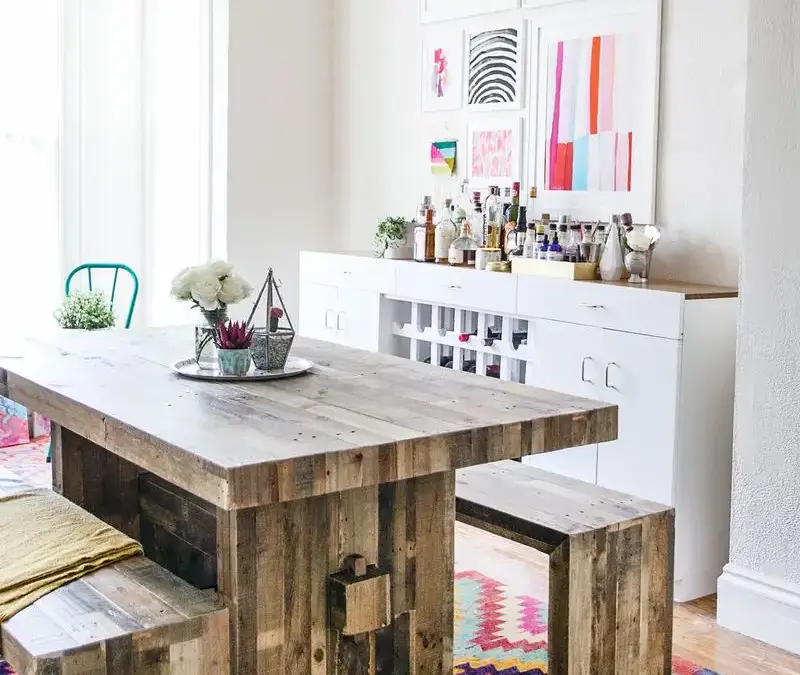
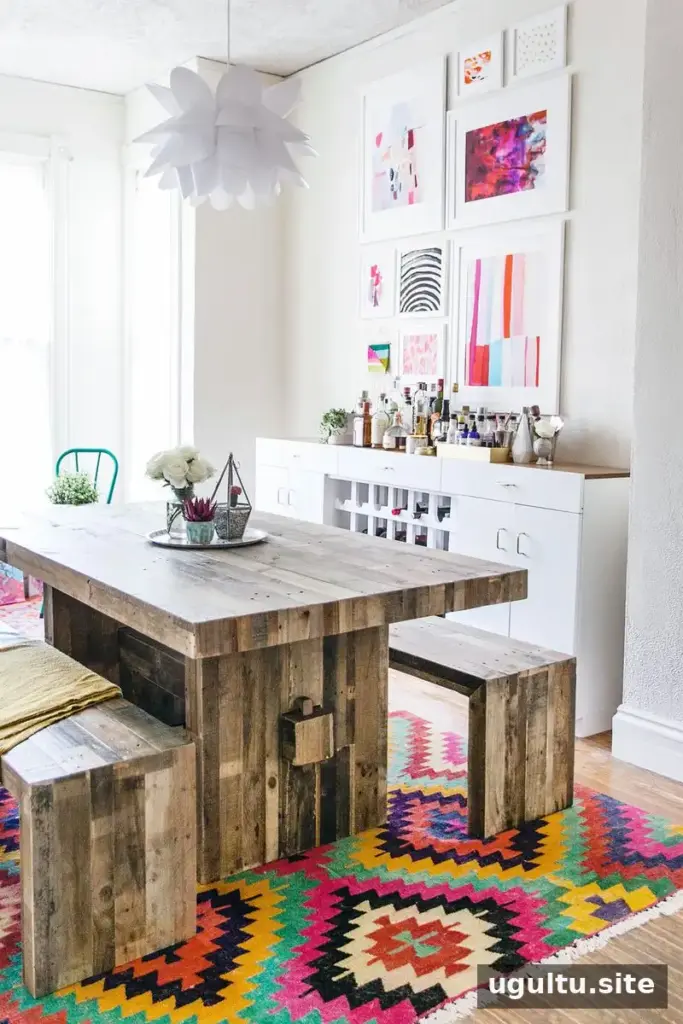
This dining room home tour shows how an open, underused room can become a welcoming place to eat, gather and enjoy creative hobbies. The space began as a home studio and craft-supply storage area, then sat without a clear purpose after work moved elsewhere. The new layout gives it a practical role as a second dining room, with extra seating for parties and visits from friends with children.
Planning a more useful dining room
The redesign started with two anchor pieces: a dining table and a Turkish kilim rug. The room was planned around them, helping the large open area feel more intentional. When choosing similar pieces, consider how many people you need to seat and leave enough space around the table for guests to move comfortably.
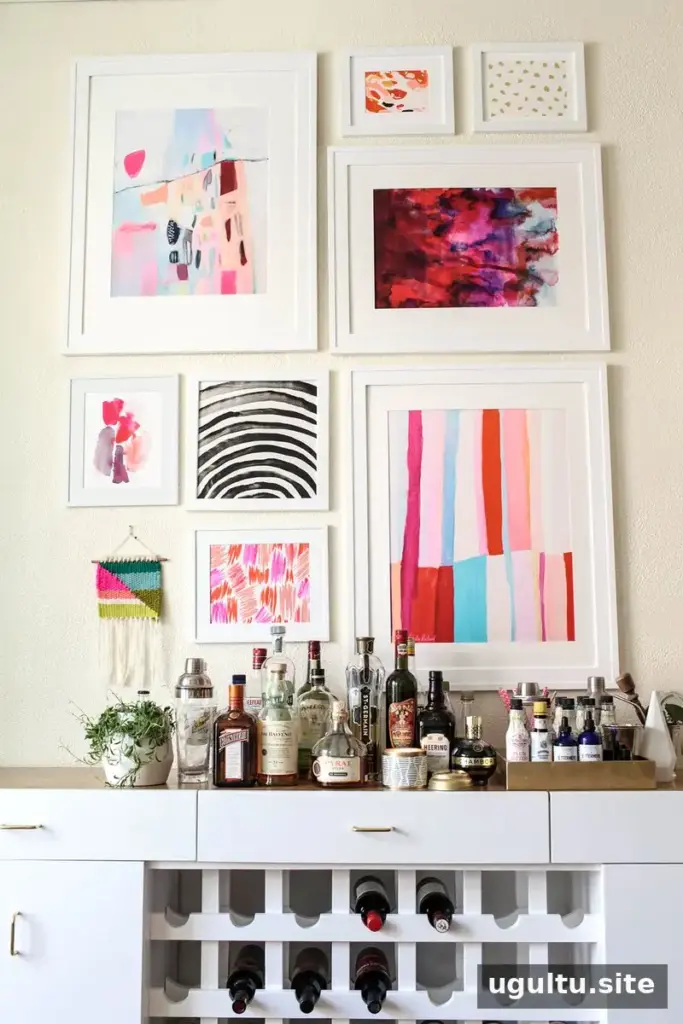
A gallery wall brings color and personality to the room. The artwork was selected to share a light, airy palette, with abstract prints and a woven piece arranged together. Choosing a consistent color range can help a collection of different artwork feel cohesive. The print credits include Lola Donoghue (top left), Kelly Ventura (bottom left), and a weaving by Rachel Denbow. The top-right and bottom-right prints were found through an art marketplace; their specific artists were not identified.
Storage that works for entertaining
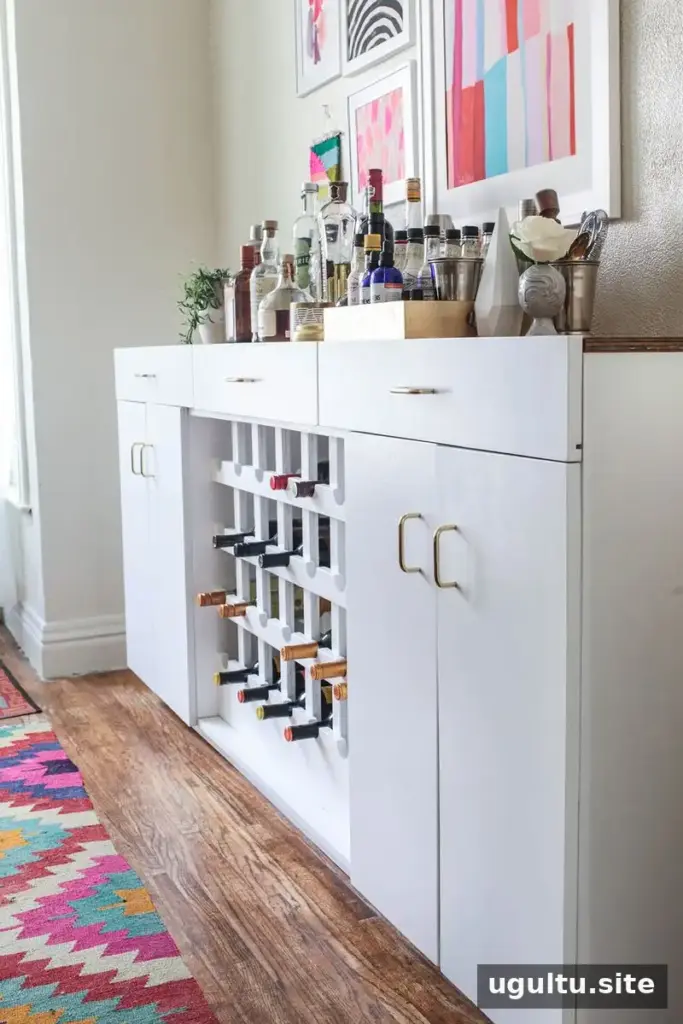
A custom-built, long side table fills a wall that previously held crate storage. It also adds space to store wine bottles and other items. Combining display and concealed storage can make a dining area feel less cluttered while keeping useful things close at hand.
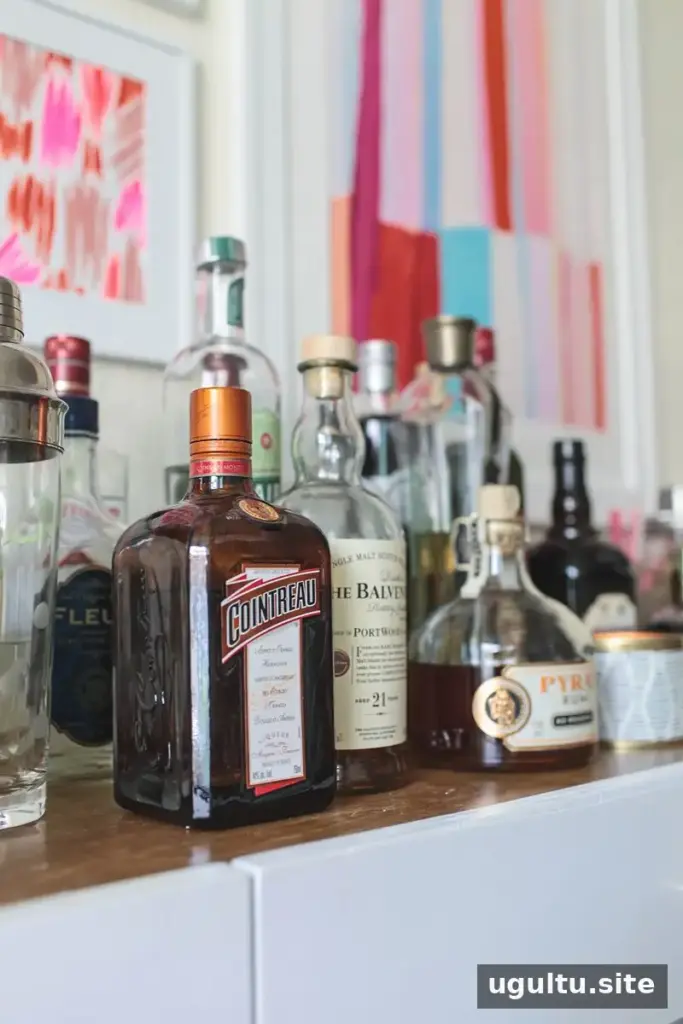
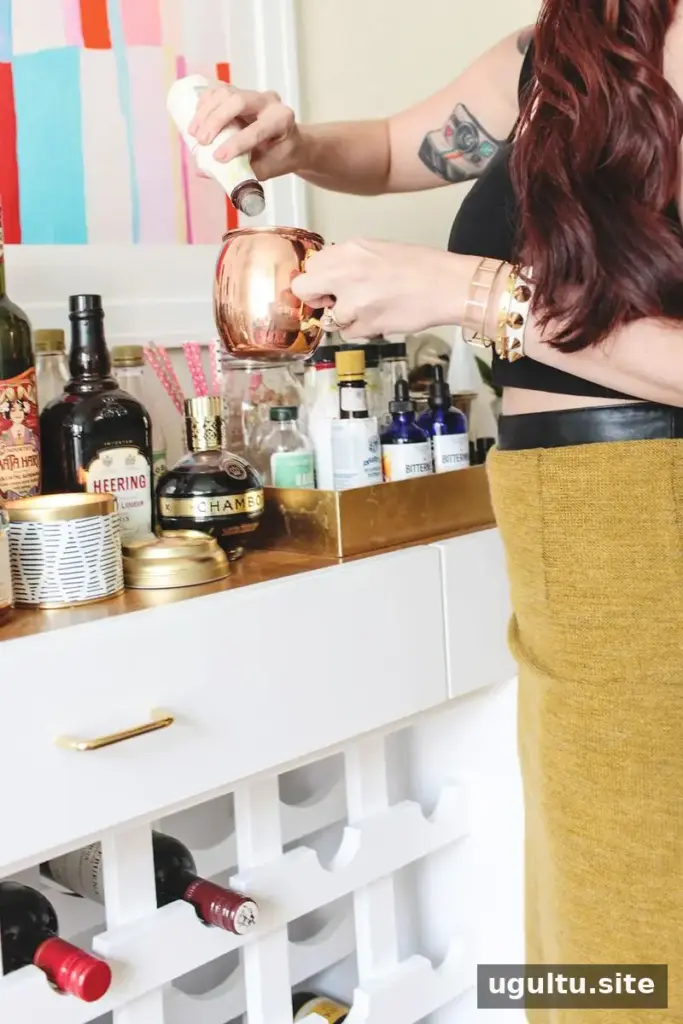

The spirits collection was moved from a bar cart to the top of a shelf because the lower location was not considered suitable when children visited. The household also pared the collection down to the bottles used most often. If children are guests in your home, think carefully about where alcohol is stored and choose a location that is inaccessible to them.
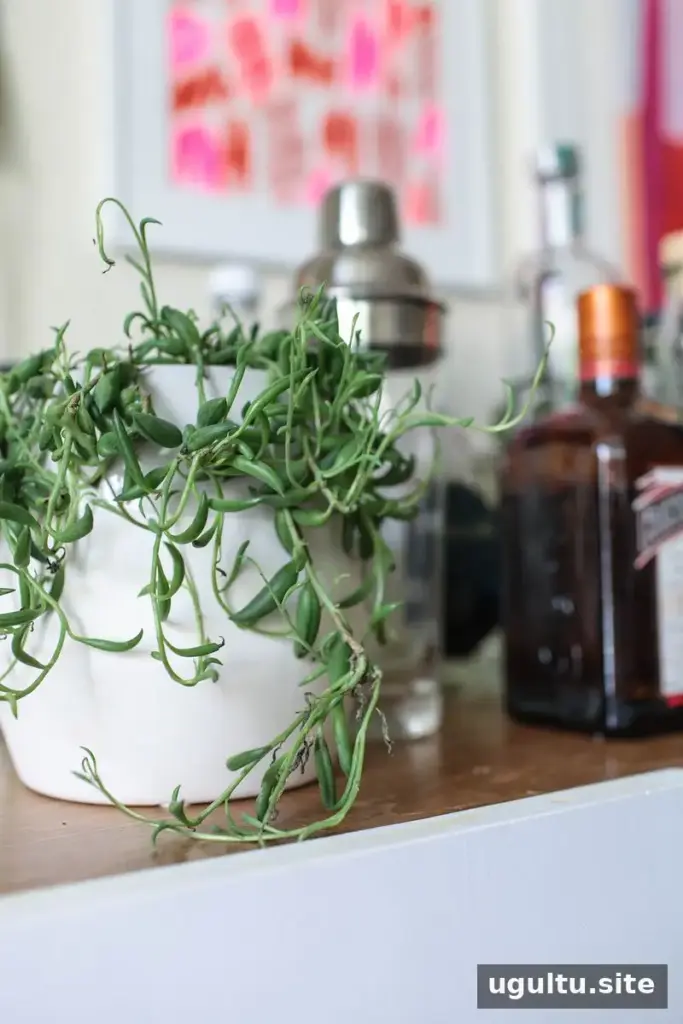
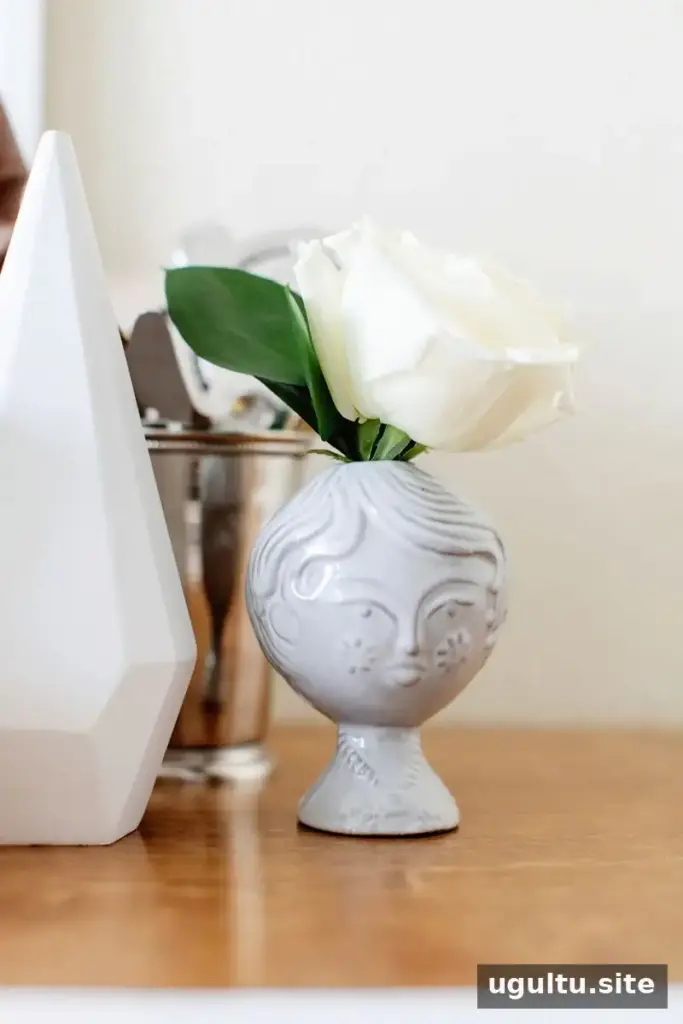
A vase gifted by Jeremy’s late grandmother adds personal meaning to the room. It is often filled with a single fresh bloom. Objects connected to people and memories can make a space feel individual without requiring a large collection of decorations.
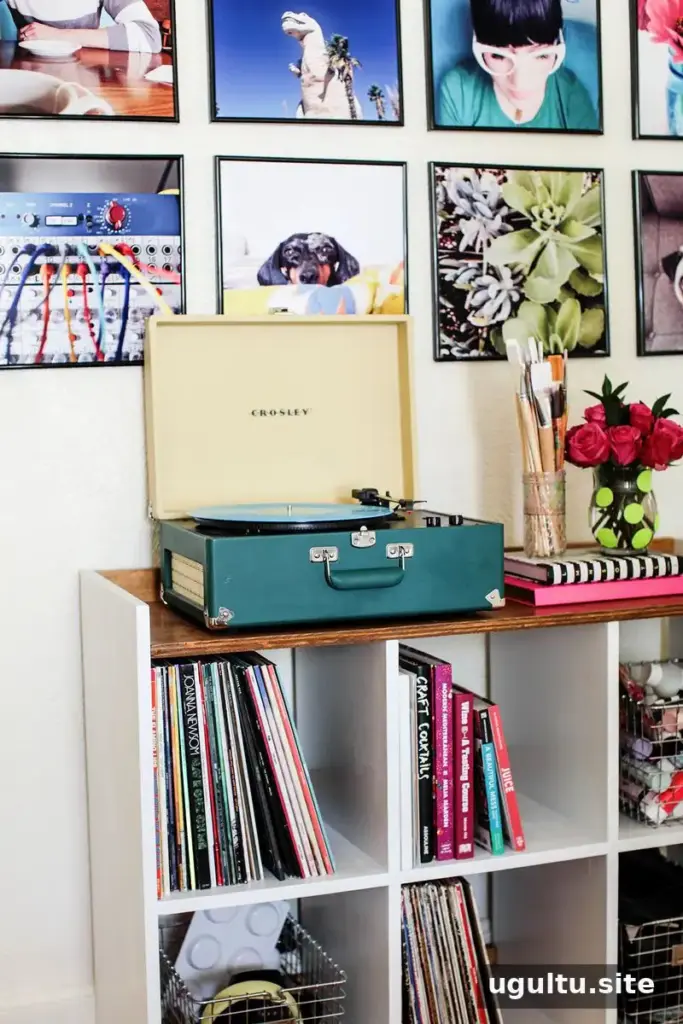
Moving the record player from the front living room to a more central spot near the kitchen made it easier to use. A record display wall adds another personal detail and creates a simple grid for showing favorite albums. Keeping frequently used items in a convenient location can make a room more enjoyable day to day.
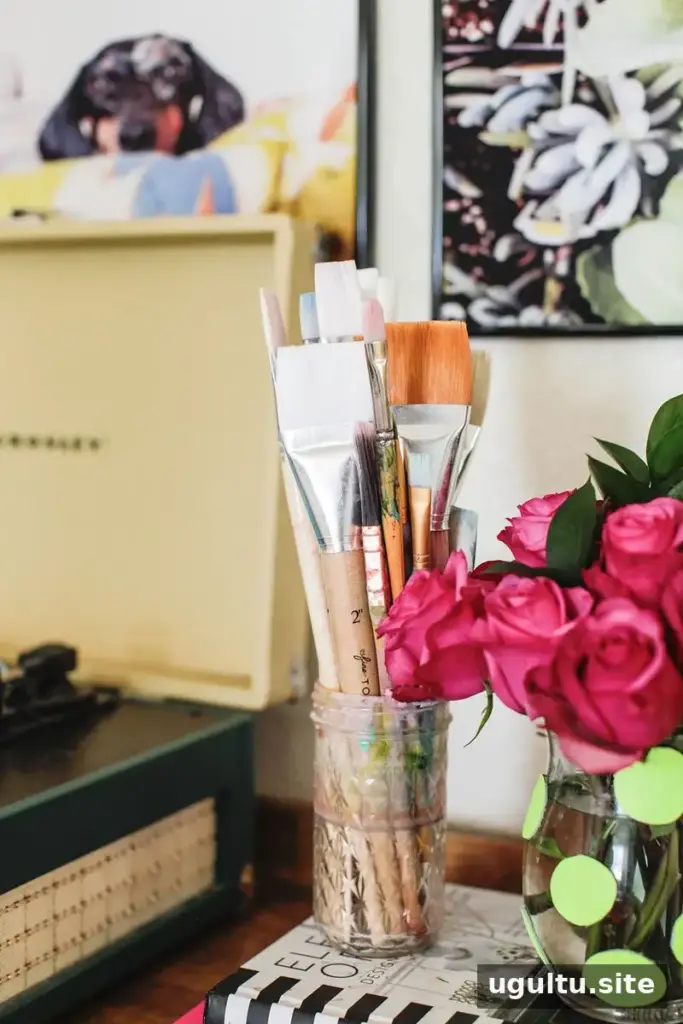
Good natural light also makes the room a useful place for painting. Art supplies are stored in the record cabinet, keeping them nearby without taking over the space. A small, organized supply of materials can make it easier to use a room for more than one activity.
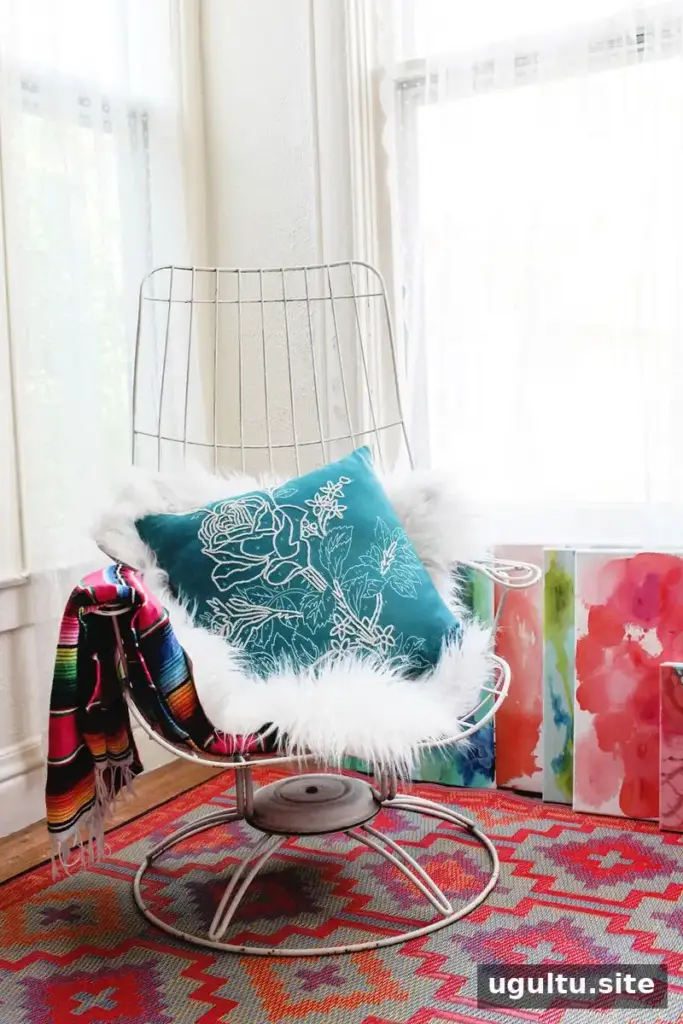
A chair purchased from Sarah, originally part of a set, is currently used in the room and may later move outdoors. For a chair that needs refreshing, consider how it will be used before choosing between paint, upholstery or cushions. Comfort and exposure to the elements are practical factors to weigh.
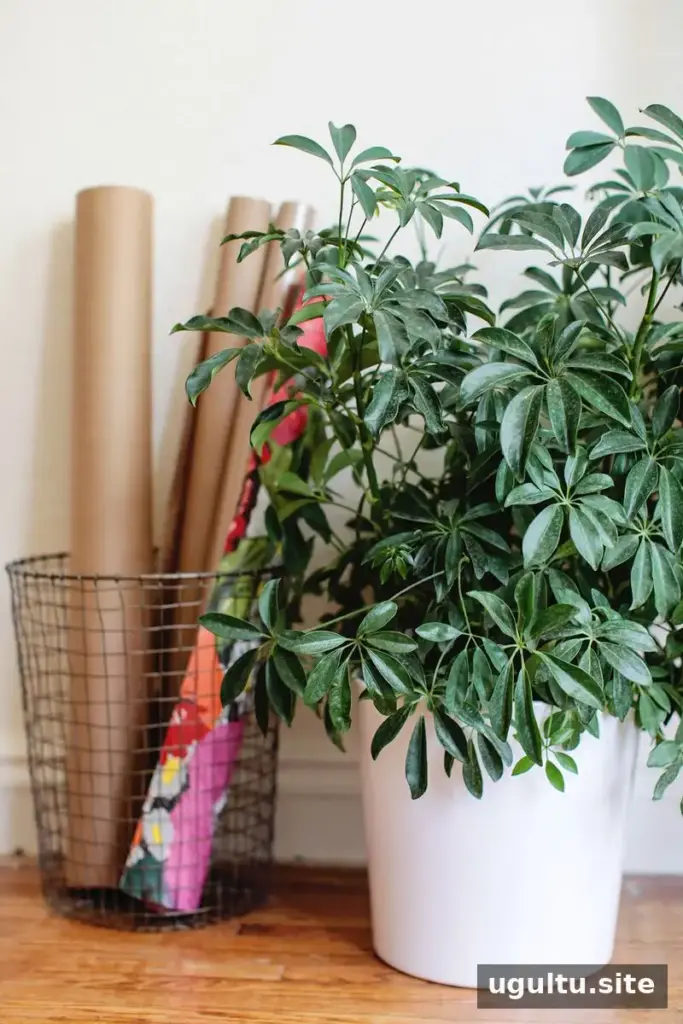
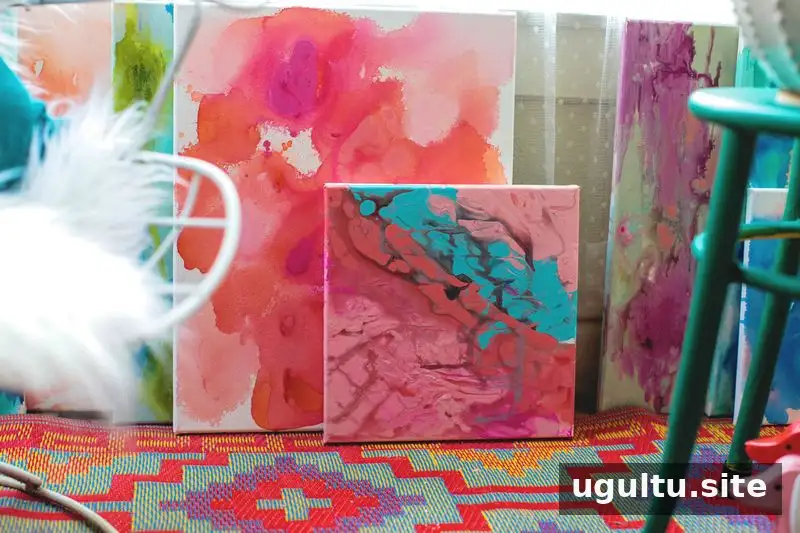
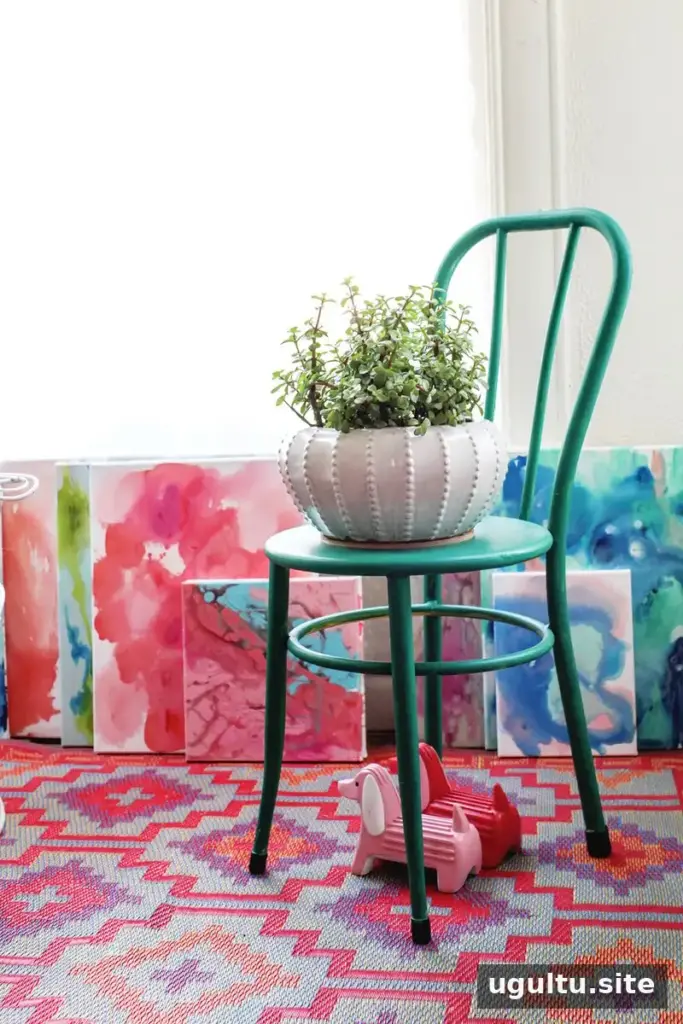
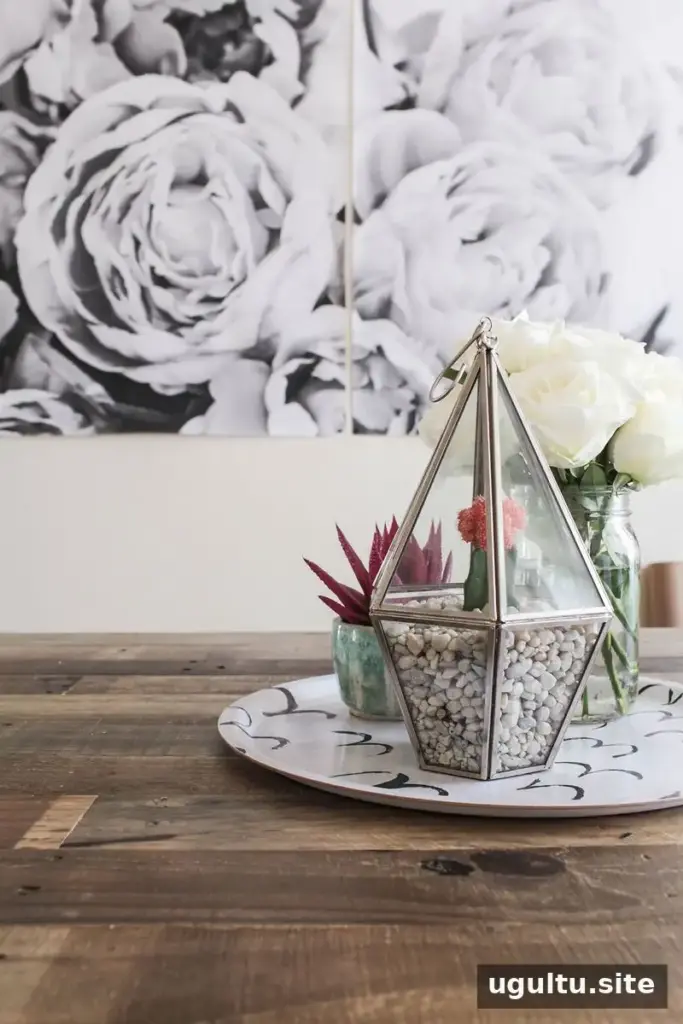
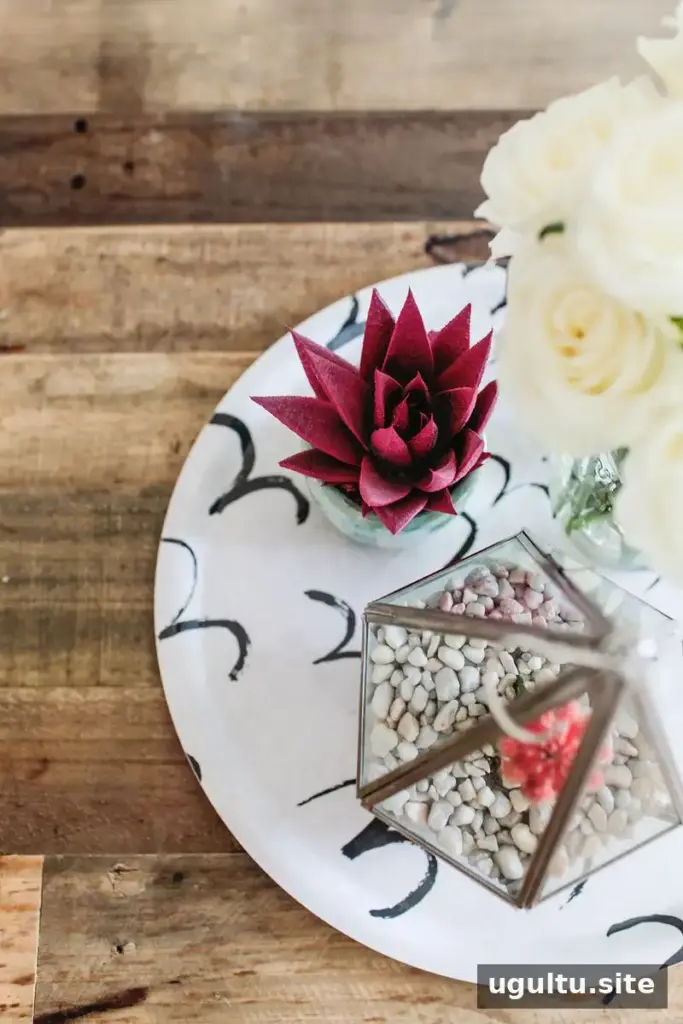
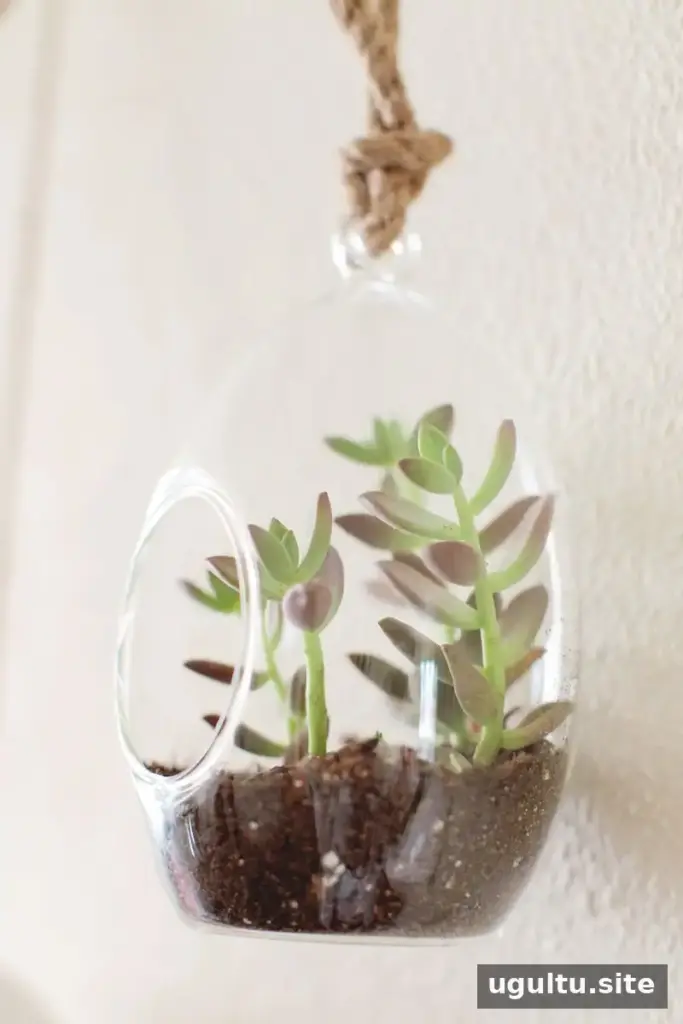
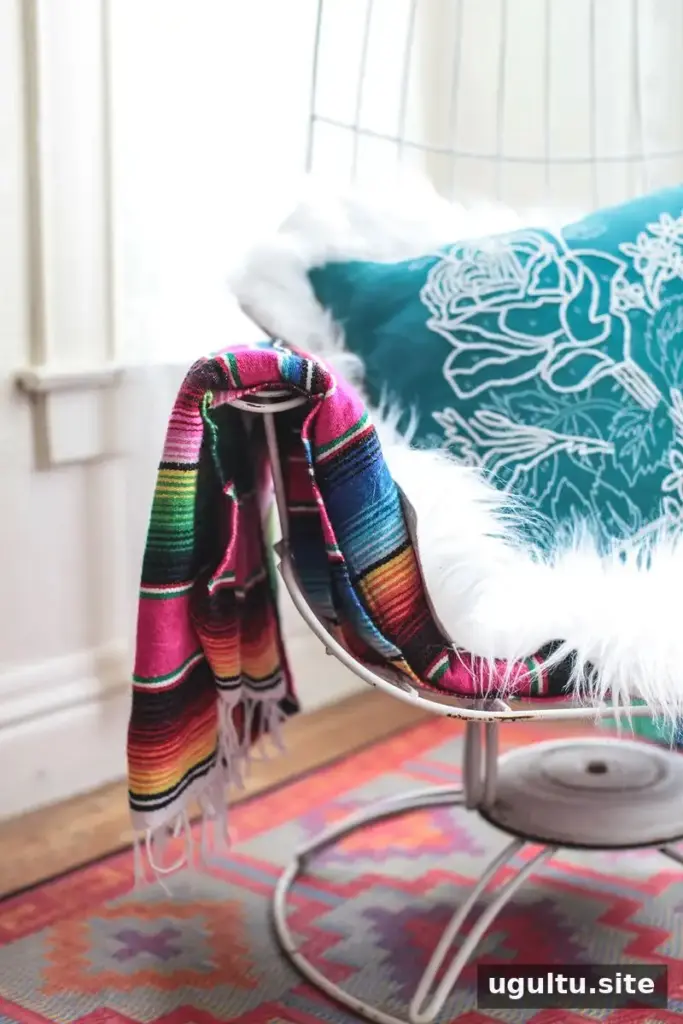
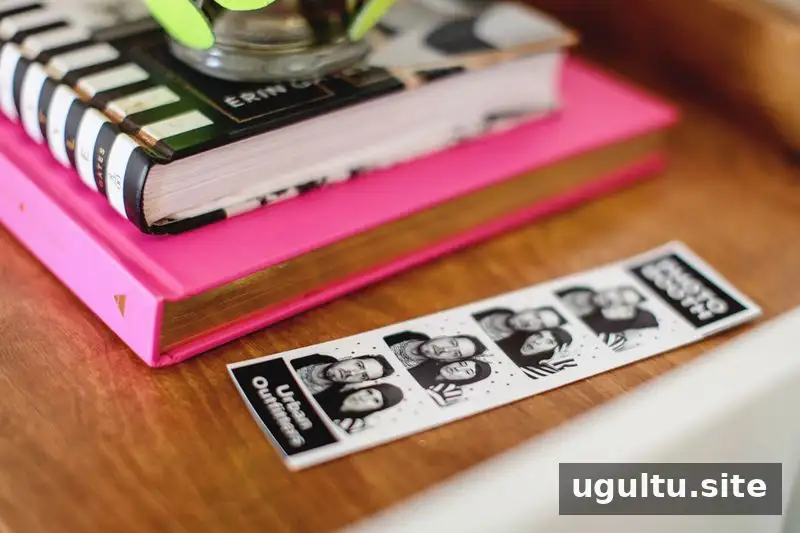
These detail views show the smaller decorative touches that help tie the room together. When styling a dining area, leave enough clear surface space for serving dishes and everyday use.
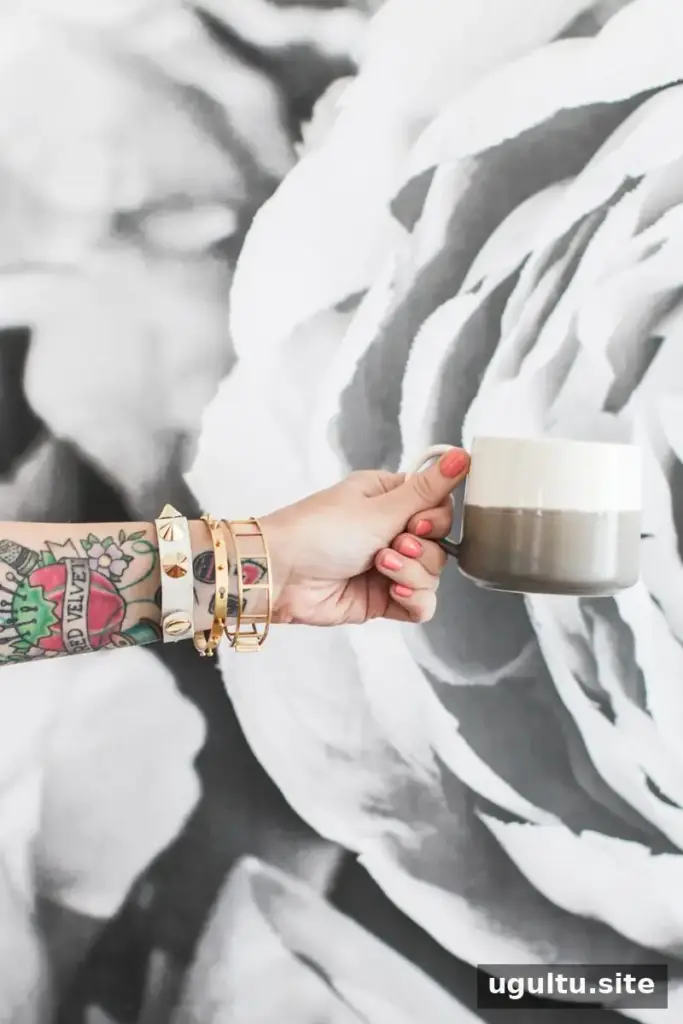
Two blueprint copies hang opposite the gallery wall, balancing the artwork with neutral tones and texture. Using a quieter piece on the facing wall can keep a room with a busy gallery display from feeling visually crowded.
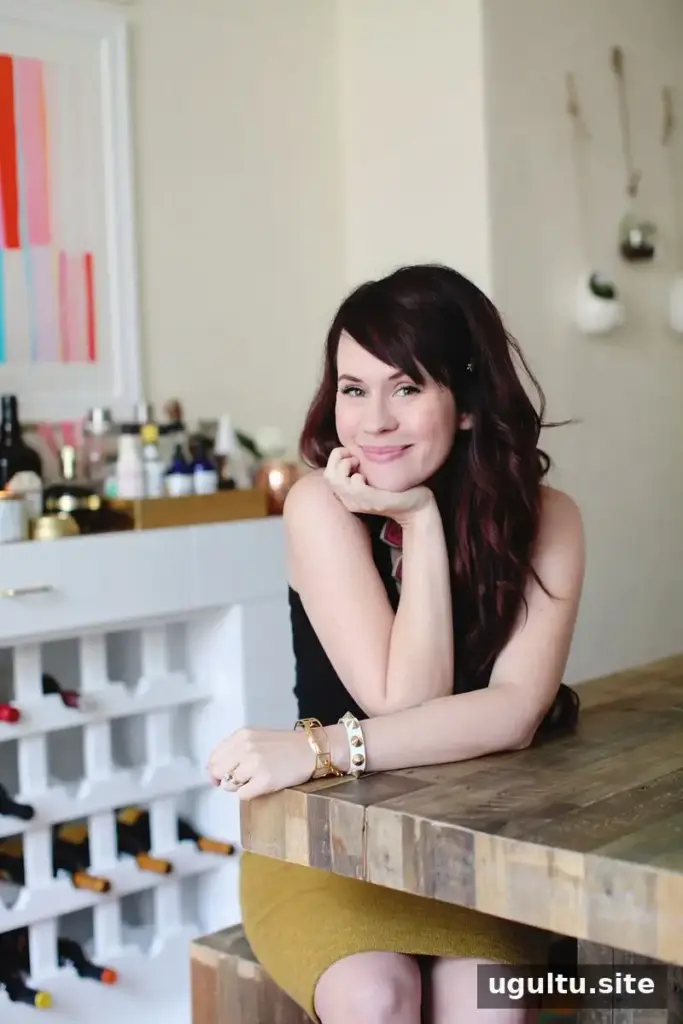
Ideas from this dining room home tour
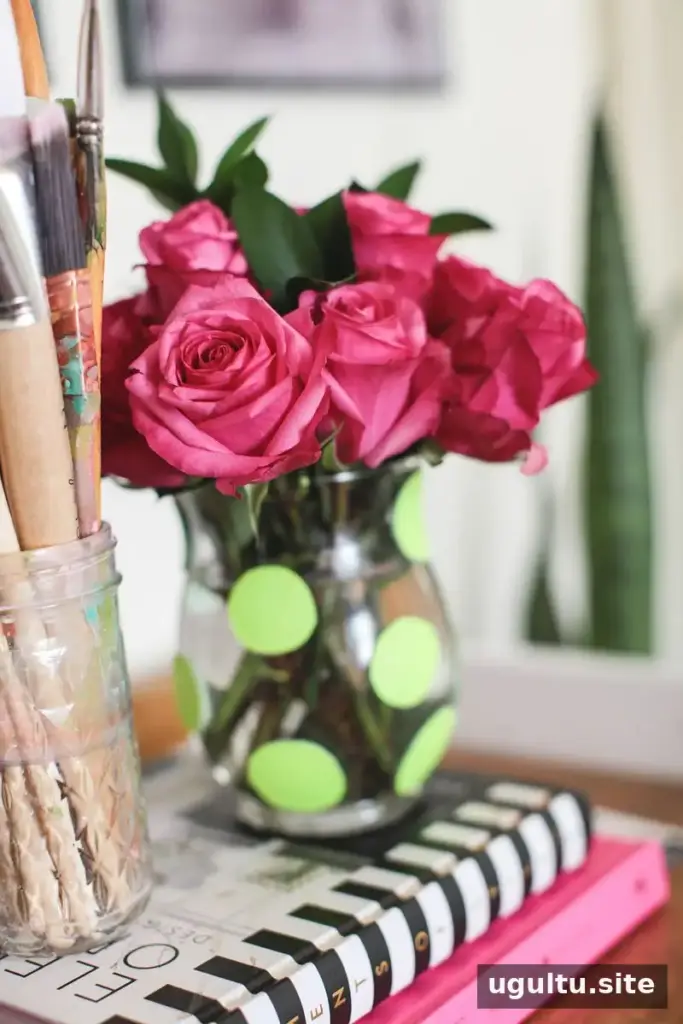
Elsie’s dining room demonstrates how a space can support meals, entertaining, music and creative projects. Start with the room’s main purpose, then choose a few anchor pieces, plan storage and add personal details over time. Thanks for joining this home tour.
Elsie’s book, A Beautiful Mess Happy Handmade Home, is also mentioned as a related resource, along with a full home tour and a video tour.


