admin
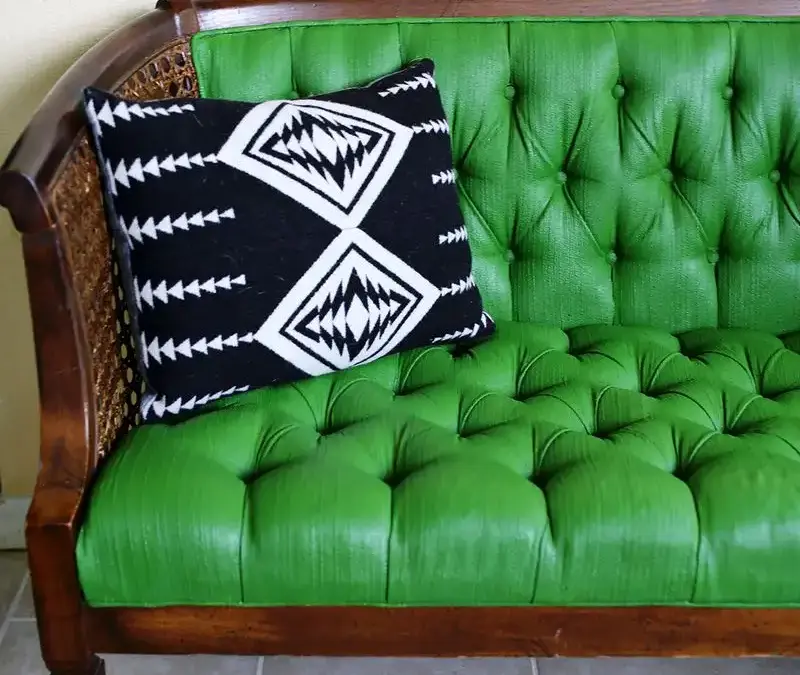
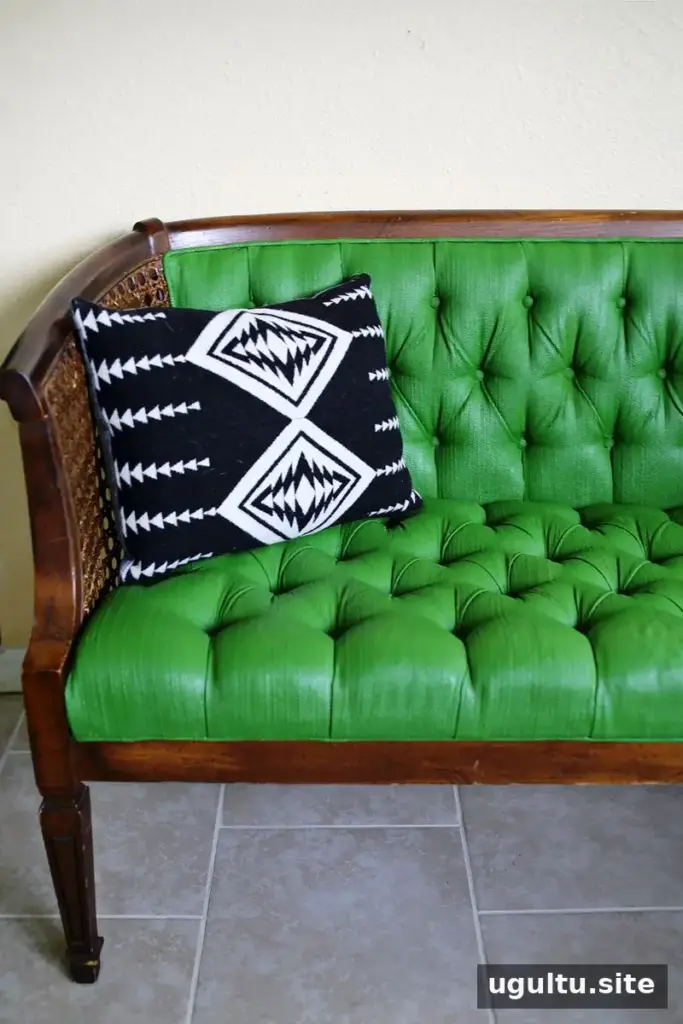
Painting upholstery can give a stained or outdated piece of furniture a fresh look without the cost of professional repair. The method described here combines flat latex paint with fabric medium, but the finish changes the feel of the fabric. It is best suited to a low-use accent piece rather than furniture used every day.
When painting upholstery makes sense
Painted upholstery can look appealing from a distance, yet some finishes feel stiff or make a crinkly sound. The result depends on the fabric, the paint mixture, and how thickly it is applied. Thin coats help preserve more of the original texture, but painted fabric will not feel exactly like untreated fabric.
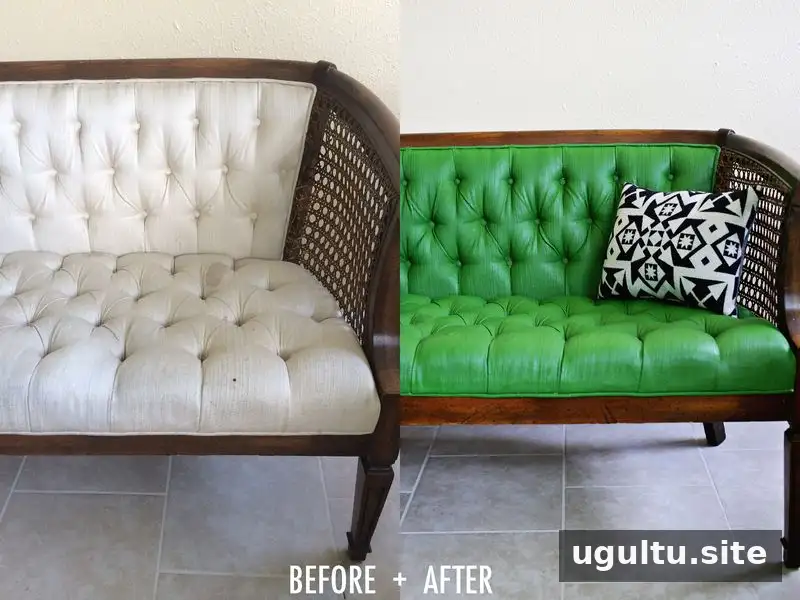
This project used a small bench with significant stains that could not be removed. Its caning was also damaged, and it was intended for a sunroom studio with relatively little traffic. Painting was considered a practical alternative for a piece that was already worn—not a first choice for a new or valuable couch.
For furniture in frequent use, compare the cost and expected results of reupholstering before starting. Avoid this method on fuzzy, vinyl, or leather upholstery; the approach is intended for lightly textured fabric.
Materials and paint mixture
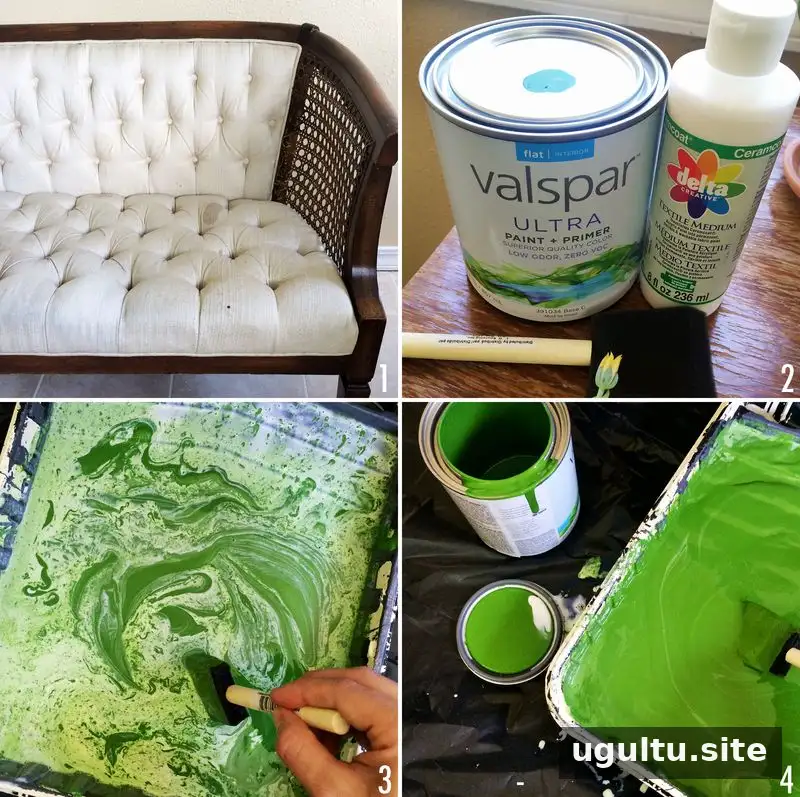
Gather flat latex paint, fabric or textile medium, and paint brushes. One quart of paint was enough for the bench, with some mixture left over. The recommended ratio for this project is 1 part fabric medium to 2 parts paint. Mix thoroughly until the two components are fully combined.
Before applying paint, test the mixture on a discreet area if possible. Check the product labels for preparation and drying guidance, and protect nearby surfaces from drips.
How to paint the upholstery
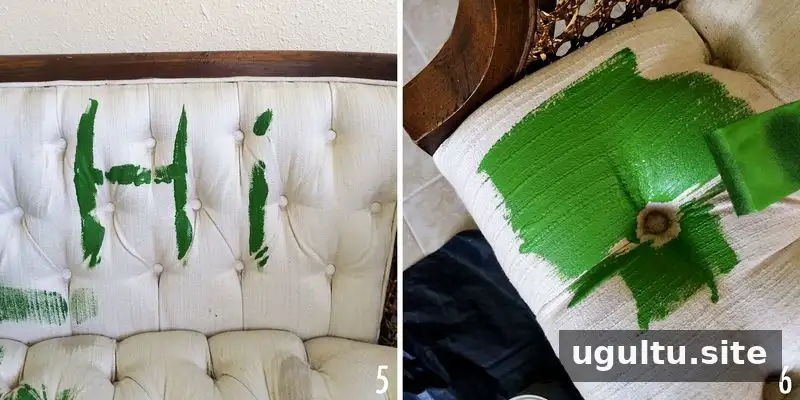
Lightly dampen the fabric with a spray bottle or damp cloth. It should be slightly moist, not wet. Apply the paint mixture in thin, even coats, working it into the fabric without flooding the upholstery.
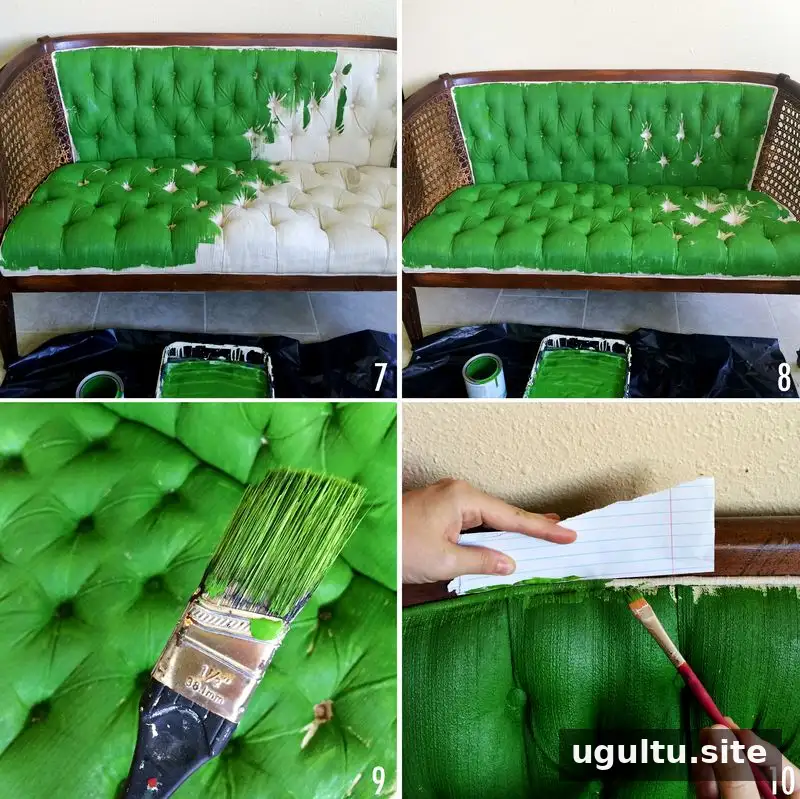
Start with a quick pass over the main surfaces, then check for missed areas. If the furniture has tufting or deep creases, leave those details until after the broader surfaces and work carefully into each fold. A 1 1/2-inch paint brush proved more useful than a foam brush for reaching creases and tufting.
Allow the first coat to dry for several hours before applying another. In this project, the first coat was ready for a second after about 2–3 hours with a fan facing the bench. Thin coats dry faster and can help limit stiffness. The painting took about 3 1/2 hours, including a drying break.
After the second coat, carefully paint the edges. A folded piece of paper or thin cardboard can act as a simple guard against paint reaching a wood frame. Wipe any accidental paint on wood promptly with a damp paper towel. Edge work took approximately 30–45 minutes. Check for missed spots, then let the piece dry overnight.
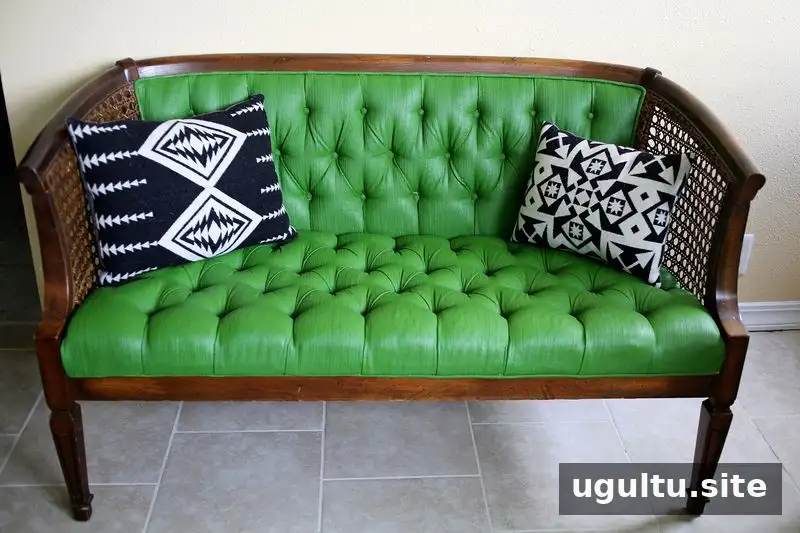
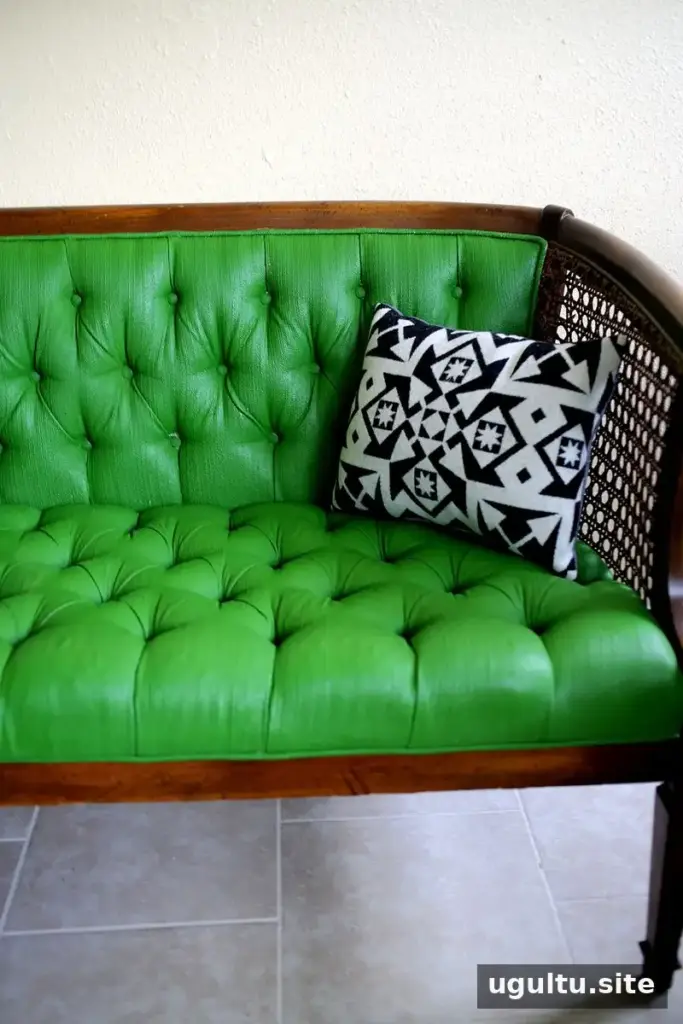
Painting upholstery: what the finish feels like
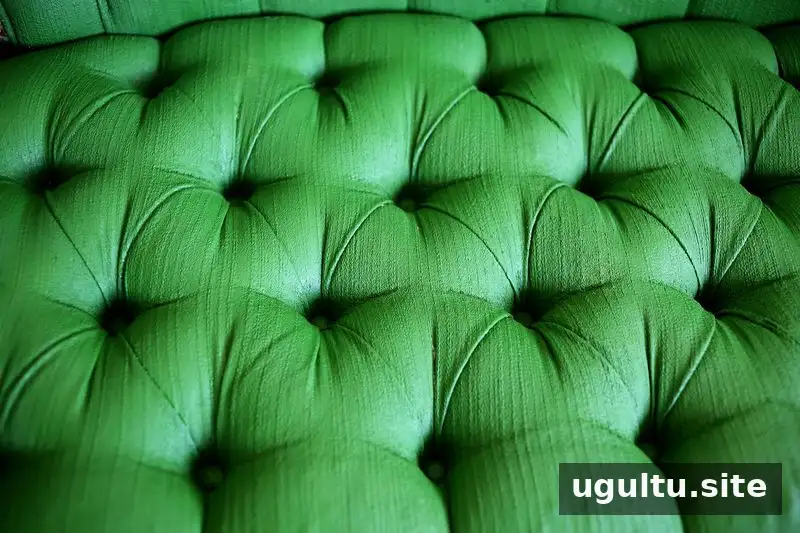
The refreshed bench looked cleaner and brighter. Its color and appearance improved, but the fabric’s original hand did not remain unchanged.
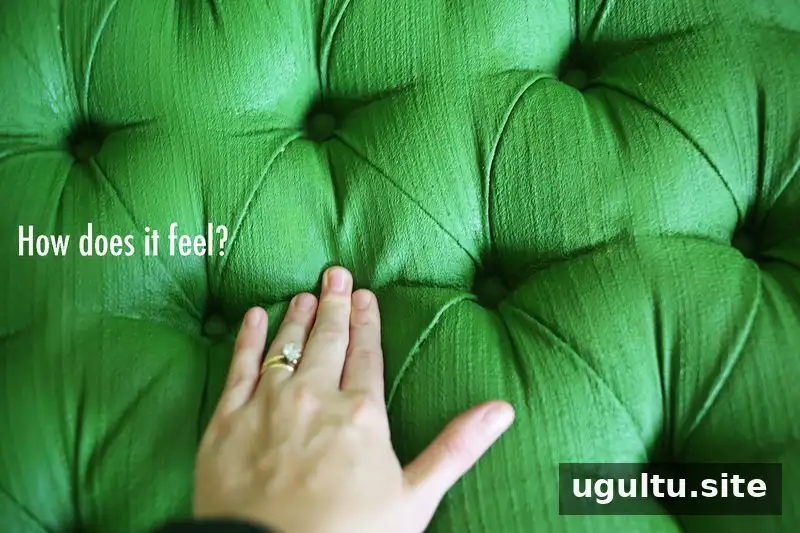
The finished surface felt like matte fabric paint: it was not stiff, crinkly, or cracking, but it had a slightly rubbery film and felt less like ordinary fabric. It was acceptable for an occasional-use bench or side chair, but it would not be the preferred choice for a main couch used daily or for lounging.
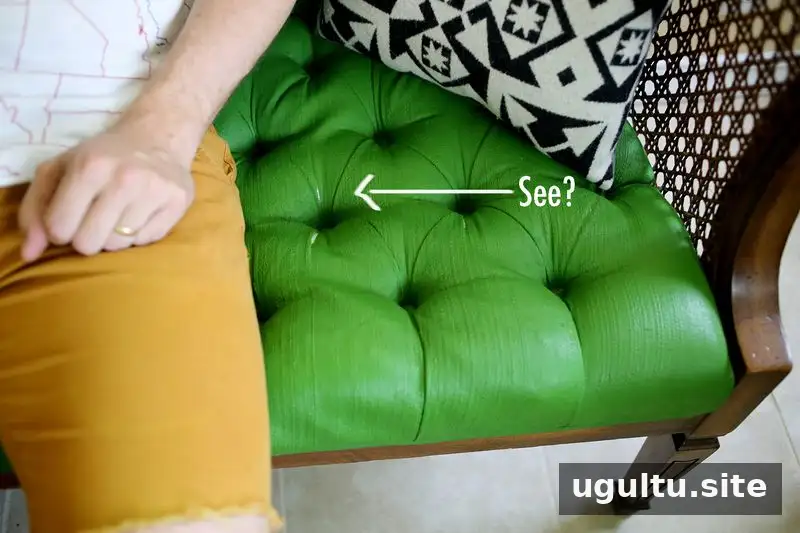
Tufting and deep creases can be difficult to cover completely, so inspect them closely once the paint dries. Keep leftover mixture in a sealed container for small touch-ups, following the product label for storage guidance.
Final considerations
Painting upholstery is a useful option for certain damaged, lightly textured pieces, but it is not a universal replacement for cleaning or reupholstering. Consider how often the furniture will be used and whether a changed texture is acceptable before proceeding. For a low-traffic decorative bench, careful preparation and thin coats can refresh the appearance while reducing the risk of a stiff finish.
Project shared by Elsie.