admin

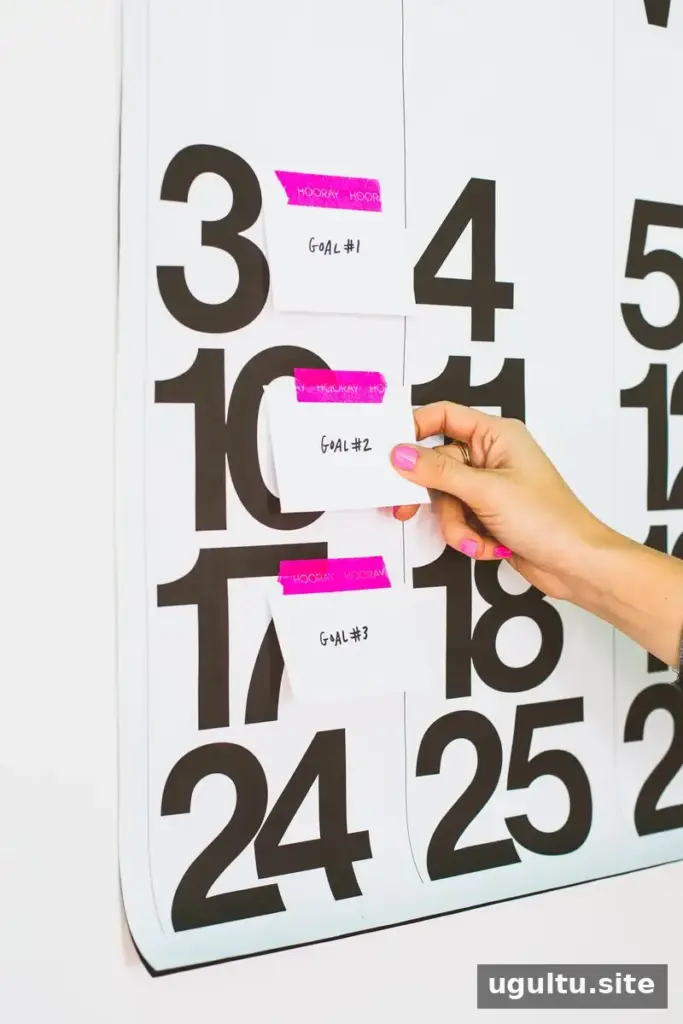
Sticking with a new goal can be challenging, especially when progress takes time. A thoughtful reward system can make the process feel more encouraging and help you recognize each step forward. In this installment, Sarah shares a practical, rewards-based approach to goal motivation. The most effective rewards are personal, realistic, and suited to the effort required.

How rewards can support goal motivation
Some people feel satisfied simply by completing a goal, while others are more encouraged by a planned treat or activity. There is no single reward system that works for everyone. Instead of choosing a reward because it motivates someone else, consider what would genuinely feel worthwhile to you.
1. Choose a reward you actually want
Think about what you would enjoy receiving as a gift. It might be money set aside for something you want, a favorite activity, or time to yourself. A reward should feel meaningful without creating a new source of stress. If you are saving toward a larger treat, you can track progress without spending the money before you reach the milestone.
For example, Sarah describes setting a three-month health goal and dividing it into smaller milestones. Each completed milestone added to a personal reward fund, while the full reward stayed reserved until the three-month period ended. This kind of structure can make a long-term goal feel more manageable. Choose milestones that are clear and within your control.
2. Decide when you will receive it
Consider whether you are more motivated by frequent, smaller rewards or one larger reward after sustained effort. You could try a long-term reward plan first and adjust if it does not keep you engaged. Weekly rewards may help maintain momentum, while a bigger reward can give you something to work toward over time.
Keep the timing specific. For instance, decide in advance which weekly actions count toward the reward and when you will review your progress. This makes the plan easier to follow and reduces the temptation to change the rules midway.
3. Set a realistic budget
A reward does not have to be expensive. Decide what you can comfortably spend before choosing one, and avoid taking on debt or disrupting essential expenses. Free options can be just as motivating if they match what you enjoy.
- Take time off for a local thrift-store visit or another favorite activity.
- Set aside an evening for a film, a book, or quiet time at home.
- Plan a day trip to explore a place within a few hours’ drive.
- Buy a book, a special coffee, or another small treat that fits your budget.
- Celebrate with friends or family after reaching an important milestone.
- Try a class or hobby you have been interested in, after checking the cost and schedule.
Parents may find that time alone or time with a partner is especially rewarding. For larger goals, you might save gradually toward an item or activity that matters to you. The important point is to choose something you can afford and look forward to.
Make your reward plan sustainable
Rewards work best when they support your goal rather than undermine it. If your goal involves health, for example, choose a celebration that feels enjoyable and appropriate for you instead of treating progress as something that must be earned through restriction. You can also share milestones with supportive friends who will encourage your efforts.
Whether your goal is to keep your home more organized, manage bills on time, or build a new routine, recognize steady progress. A clear plan, realistic milestones, and personally meaningful rewards can strengthen goal motivation and help you keep going. Adjust the system when needed, and celebrate the effort as well as the result.