admin
DIY upholstery can feel intimidating when a project involves unfamiliar tools or techniques, but small items such as cushion covers offer a manageable way to build confidence. Each new project can also reveal which materials are easy to handle and which require extra planning.
DIY upholstery with colorful cushion covers
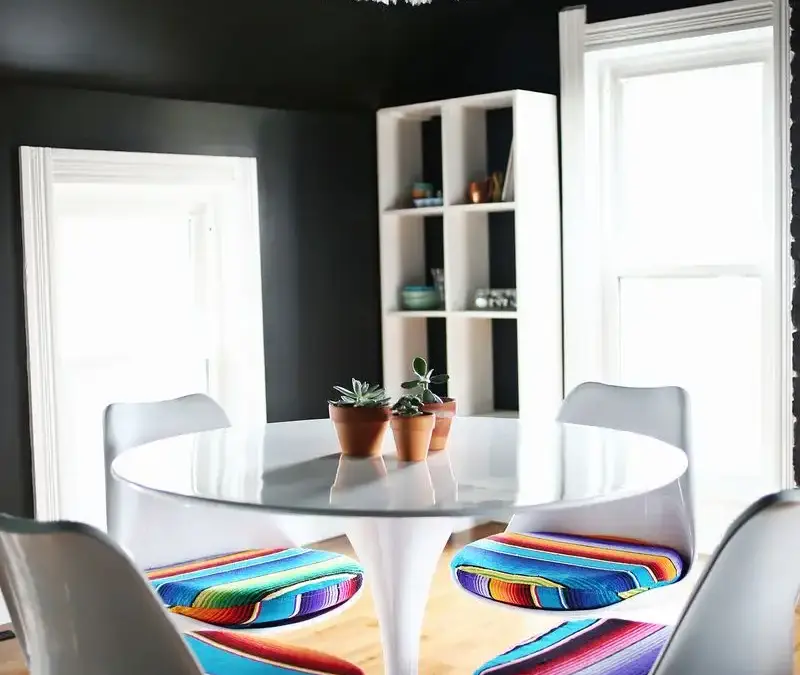
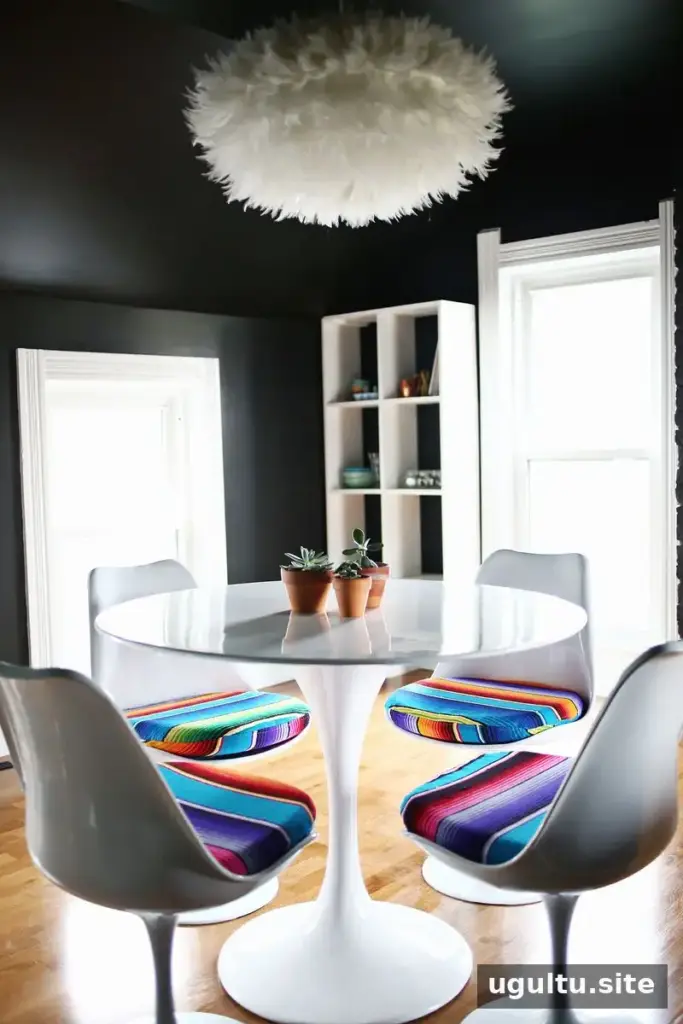
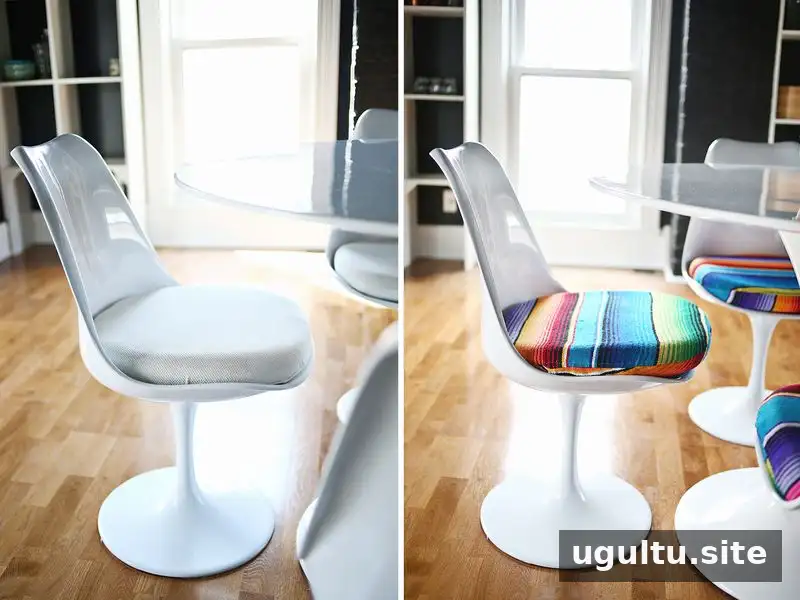
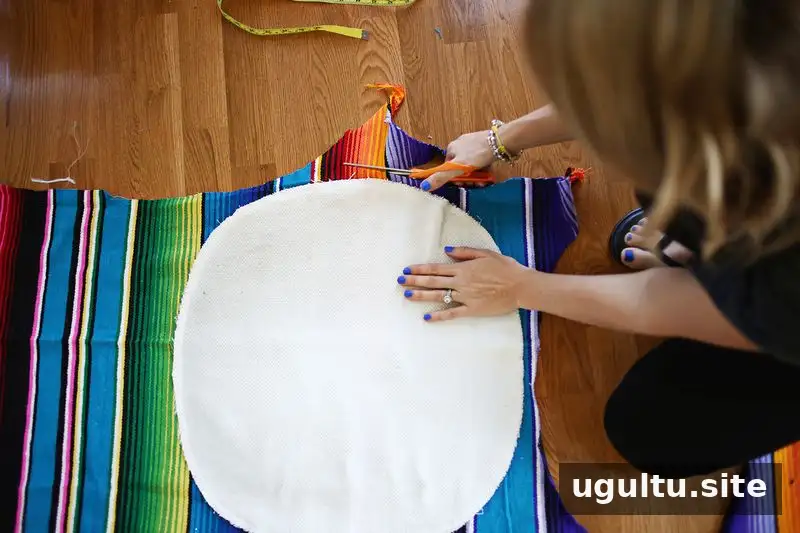
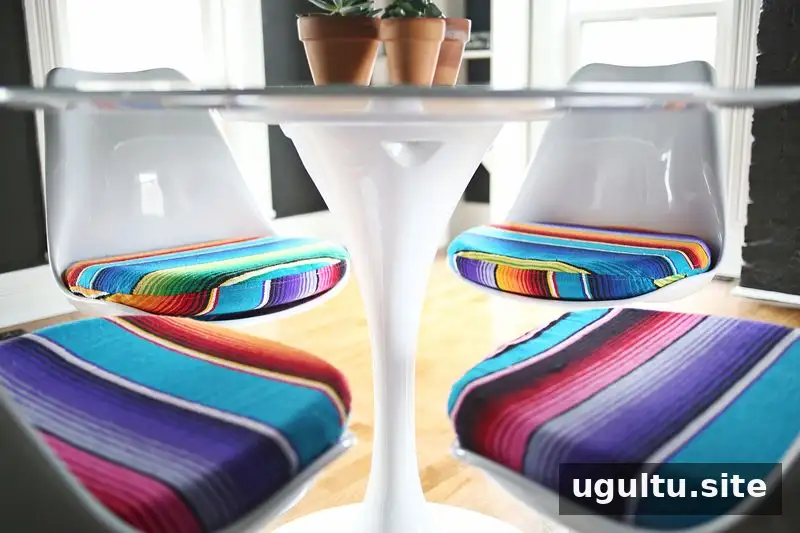
For a styling-room table and chairs, new covers were needed because the original white chair covers were too small and arrived dirty. Replacing them with colorful covers offered a practical way to refresh the room and introduce a bold pattern.
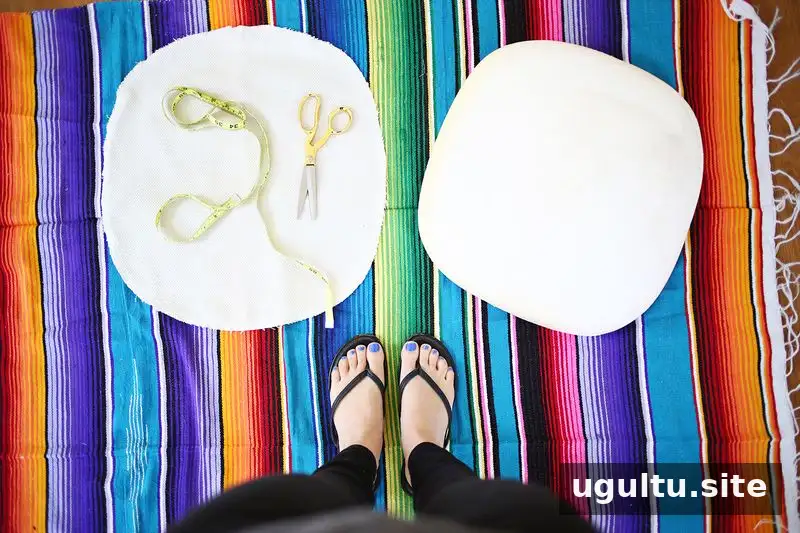
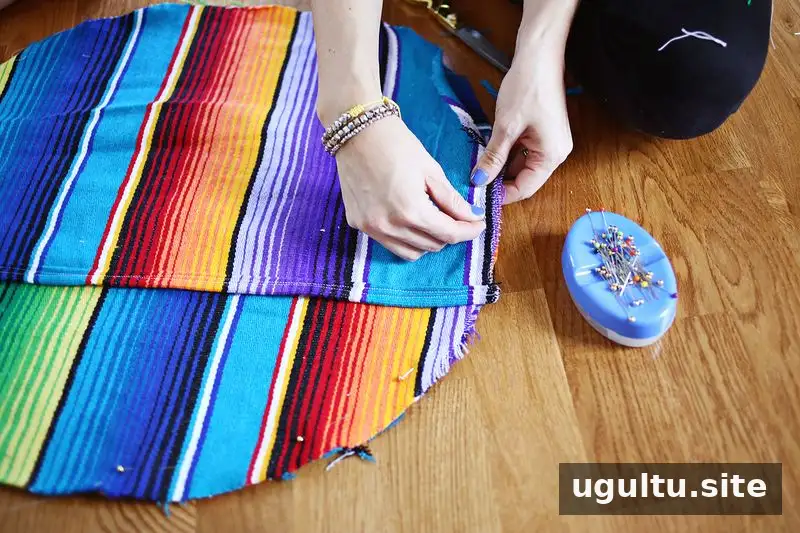
A brightly patterned blanket was chosen as the cover fabric. One blanket provided enough material for all four covers, although the available fabric was a close fit. When planning a similar project, measure each cushion and allow extra fabric for seams and shaping. Check the blanket’s dimensions against the total required pieces before cutting, especially when the material is being used for multiple covers.
Why woven blanket fabric can be difficult
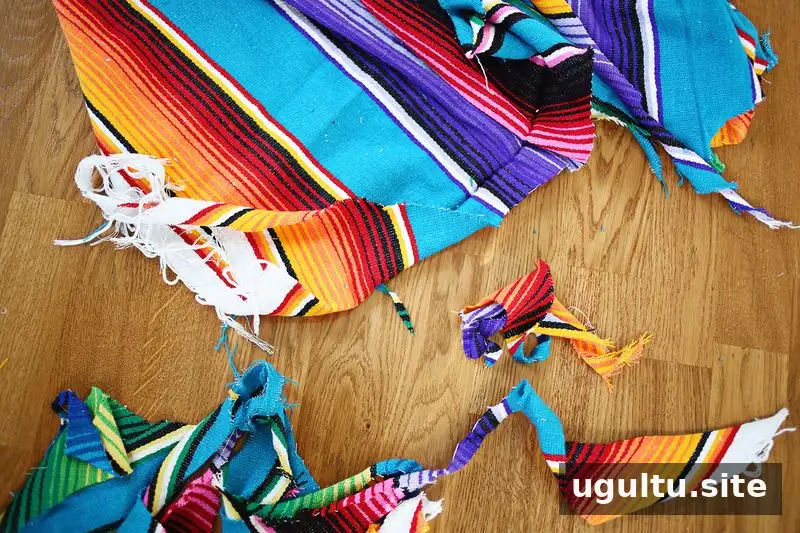
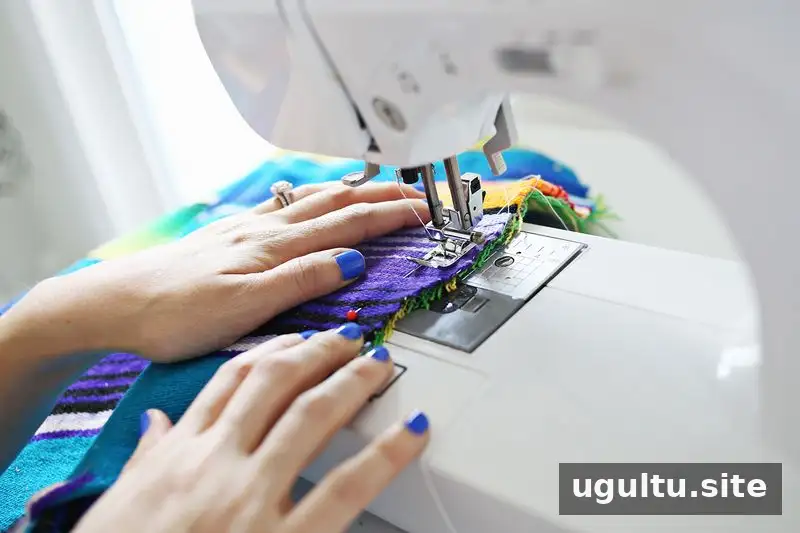
The covers were completed, but the woven blanket proved challenging to work with. Its threads began to unravel as soon as the fabric was cut and handled, making it difficult to keep the edges tidy. This is an important consideration when choosing upholstery material: some woven fabrics fray readily and may need their raw edges secured promptly.
For future projects, test a small offcut before cutting the main pieces. This can show how much the fabric unravels and help determine whether the material is suitable for the intended use. A stable fabric is often easier for beginners to manage. If using a loosely woven textile, plan how the cut edges will be finished and handle the pieces gently to limit fraying.
What to consider before making cushion covers
- Measure carefully: Check the cushions and confirm that the fabric is large enough for every cover, including seam allowances.
- Assess the material: Look at the weave and test an offcut for fraying before committing to the full project.
- Plan the pattern: Consider how the colors and pattern will sit on each cushion, particularly when working with a limited amount of fabric.
- Allow time: First attempts can take longer than expected. Working patiently makes it easier to handle fabric and correct small issues as they arise.
These covers added color and pattern to the styling room and helped the space feel more complete. The project also showed that a successful DIY upholstery result does not have to be perfect to be useful: choosing suitable fabric and learning from the process can make the next project easier. — Laura
Conclusion: DIY upholstery for a room refresh
DIY upholstery is a practical way to personalize cushions and update a room, especially when a simple cover project is a good fit for your skill level. Before starting, measure carefully, check how the fabric behaves, and leave enough material for finishing the edges. These steps can help make colorful cushion covers more manageable and prepare you for your next upholstery project.