
 admin
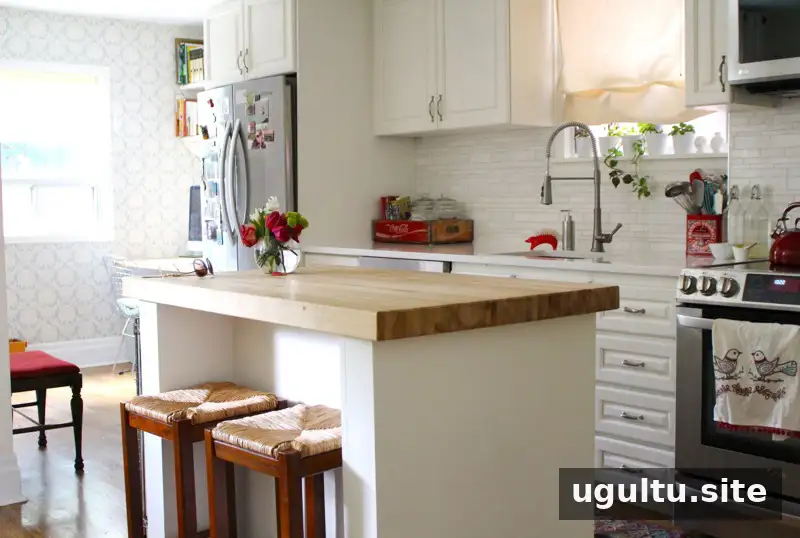
Maria’s Toronto home renovation transformed a dark 1940s brick house into a bright, welcoming space shaped by family life, practical updates, and treasured finds.
Maria, her husband Jonathan, their baby boy Yuri, and dachshund Milla live in a tree-lined, arts-focused neighbourhood in Toronto, Ontario. After saving for several years to afford a down payment, the couple were delighted to buy a home in the city they loved.
Toronto Home Renovation: Updating a 1940s House
When the family bought the house two and a half years earlier, its interior felt dark and dated. The same family had lived there since 1981, and although the garden’s perennial plants reflected years of care, the rooms needed significant updating.
Maria and Jonathan found that their skills complemented each other: she brought ideas and vision, while he enjoyed hands-on work. Both liked DIY projects, but they also worked full time and were not tradespeople. They hired professionals for some parts of the renovation, learning along the way that choosing and managing contractors can be challenging.
Practical takeaway: Before starting a renovation, identify which jobs require qualified professionals, especially work involving electrical systems. A clear scope of work can help homeowners plan the project and communicate expectations.
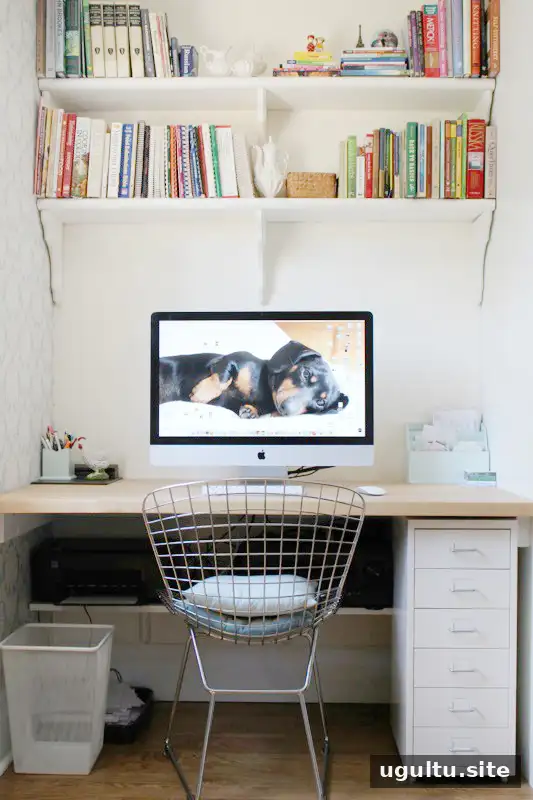

Before unpacking, the couple began renovating the main floor shown here. Their work included removing a wall, reconfiguring the kitchen, updating the electrical wiring, and making many other changes. The renovation touched every part of the space.
A few months later, the main floor felt clean, light, and open, ready for furniture and personal belongings. Maria has admired William Morris since university and values the idea that a home should contain things that are either beautiful or useful. The rooms bring together photographs, artwork, travel keepsakes, vintage pieces, and homemade details. Rather than following a perfectly matched style, the home feels personal, relaxed, and cheerful.
Vintage Finds and Personal Details
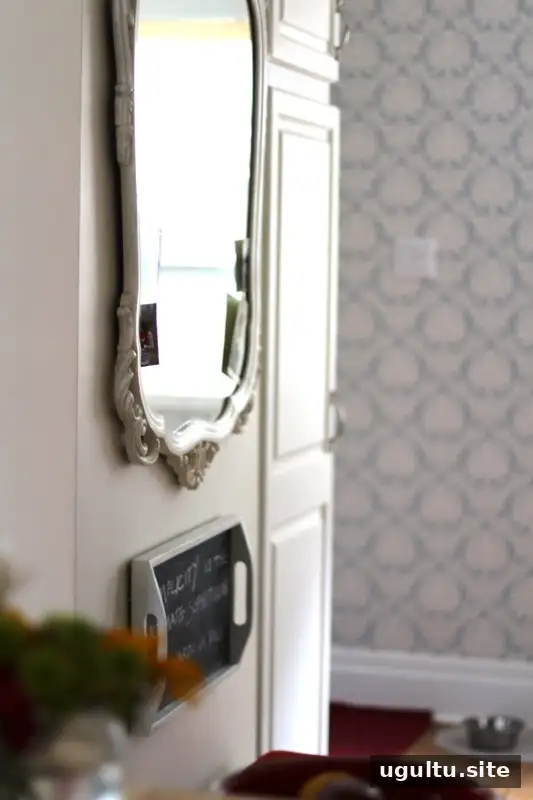
Many objects around the house carry a story. An old kitchen mirror, found by Maria and her sister at a New York City flea market, travelled back to Toronto with them on a Greyhound bus. A chalkboard beneath it began as a serving tray that Maria and Jonathan repurposed for a wedding anniversary project. The red bench below the chalkboard is more than a century old and came from the turn-of-the-century house where Maria grew up.
These details show how existing or second-hand pieces can add character without requiring a room to follow one strict design style. When choosing items for a home, consider both their usefulness and the personal meaning they bring to the space.
A Handmade Kitchen Island for Everyday Living
The kitchen island is one of the family’s most valued features. Its maple top was made from wood from Jonathan’s grandfather’s hobby farm. He felled the trees, prepared the planks, and made the top to fit the kitchen. When the couple could not find a suitable base, Maria designed one and Jonathan built it.
Over the following years, Maria also worked on smaller projects, including refinishing furniture, sewing Roman blinds and cushions, and custom-matting photographs. These personal touches helped make the renovated rooms feel lived-in rather than staged.
A Home Designed to Be Shared
The family uses the main floor every day, listening to music through built-in overhead speakers while relaxing or doing household tasks. Yuri’s evening bath in the sink is another part of their daily routine. The kitchen island also serves as a natural gathering place, where friends and relatives prepare meals together or catch up over drinks.
Maria and Jonathan’s Toronto home renovation demonstrates how thoughtful structural changes can work alongside keepsakes, handmade projects, and everyday routines. By combining practical improvements with meaningful objects, they created a home that feels personal, comfortable, and ready to be shared.


